
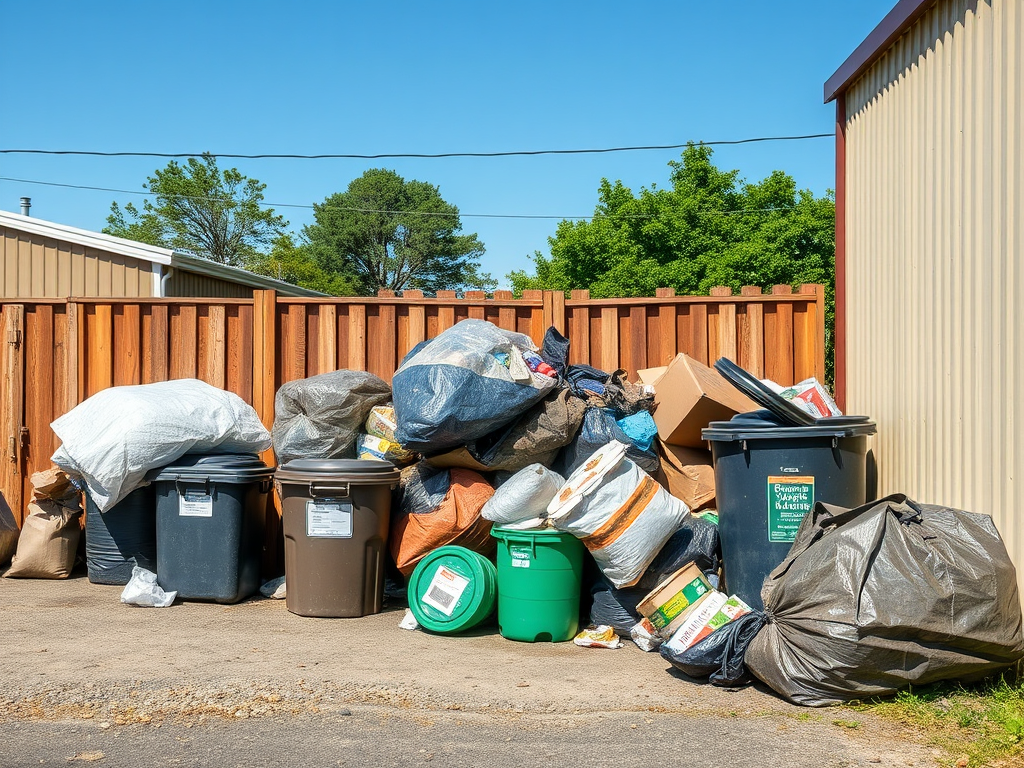
Managing waste during extended emergencies involves implementing strategies that prioritize sanitation, resource conservation, and environmental protection. Start by using biodegradable waste bags and establishing a composting system for organic waste. Additionally, ensure proper disposal methods are in place for hazardous materials and recycling options are utilized. Planning ahead is crucial to maintain hygiene and prevent health risks during such situations.
Understanding the Importance of Waste Management in Emergencies
Effectively managing waste during extended emergencies is critical for maintaining public health and environmental safety. Without proper waste disposal, communities can face sanitation issues that lead to disease outbreaks. During disasters, waste can accumulate quickly due to disrupted services, making it essential to have a clear plan in place. The risks of neglecting waste management include contamination of water sources, pest infestations, and increased stress on emergency response systems.
Additionally, understanding waste composition is vital. Different types of waste, such as organic, recyclable, and hazardous materials, require tailored disposal methods to minimize environmental impact. For instance, organic waste can be composted to enrich soil, while recyclables should be sorted to reduce landfill use. Thus, a comprehensive waste management strategy not only protects health but also promotes sustainability during crises.
Setting Up Waste Management Systems
Establishing an effective waste management system begins with identifying waste generation sources and planning accordingly. Communities should conduct waste assessments to gauge the volume and types of waste expected during emergencies. This data can inform the creation of designated collection points and the deployment of waste containers.
For practical implementation, consider the following steps:
- Designate Collection Areas: Set up easily accessible collection points for different waste types to facilitate sorting and disposal.
- Provide Biodegradable Bags: Use biodegradable waste bags for organic waste to encourage composting and reduce harmful landfill contributions.
- Implement Recycling Programs: Establish partnerships with local recycling facilities to ensure recyclable materials are processed appropriately.
Training volunteers or community members on proper waste management practices is also essential. This education can empower individuals to take responsibility for waste separation and disposal, ultimately fostering a culture of sustainability even in challenging circumstances.
Best Practices for Different Types of Waste
Effective waste management requires tailored approaches for various waste types. Here are best practices for handling common waste categories during emergencies:
Organic Waste
Organic waste, including food scraps and yard waste, can be composted to reduce landfill burden and create useful compost for gardens. Set up composting bins at collection points, and educate the community about compostable materials. Ensure that composting practices adhere to local guidelines to prevent odors and pest issues.
Recyclables
Recyclable materials, such as paper, plastics, and metals, should be collected separately. Implement a clear labeling system at collection points to guide proper sorting. Engage local recycling facilities to manage these materials effectively, and schedule regular pickups to prevent overflow.
Hazardous Waste
Hazardous waste, including batteries, chemicals, and medical waste, poses significant risks if not handled properly. Establish strict protocols for the collection and disposal of hazardous materials, including designated drop-off sites and partnerships with specialized waste disposal services. Train community members to recognize hazardous materials and report them for safe handling.
Common Mistakes to Avoid
When managing waste during emergencies, several pitfalls can undermine efforts:
- Neglecting Community Involvement: Failing to engage the community can lead to poor compliance with waste management practices. Involve local leaders and residents in planning and education efforts.
- Inadequate Planning: Not preparing for waste accumulation can result in overwhelmed systems and public health risks. Anticipate waste generation based on emergency scenarios.
- Ignoring Hazardous Waste Protocols: Mishandling hazardous waste can have dire consequences. Ensure that all community members are educated on proper disposal methods.
By avoiding these common mistakes, communities can enhance their waste management strategies and minimize negative impacts during emergencies.
Frequently Asked Questions
What are the key components of waste management during emergencies?
Key components include waste assessment, collection and sorting systems, community involvement, and disposal protocols for different waste types.
How can communities prepare for waste management in emergencies?
Communities can prepare by conducting waste assessments, establishing collection points, and training volunteers on waste management practices.
What types of waste require special handling during emergencies?
Hazardous waste, such as chemicals and medical waste, requires special handling to prevent health risks and environmental contamination.
How can organic waste be managed effectively during emergencies?
Organic waste can be managed through composting, using biodegradable bags, and setting up designated composting areas for community use.
What common mistakes should be avoided in waste management?
Common mistakes include neglecting community involvement, inadequate planning, and mishandling hazardous waste.
Conclusion
Effective waste management during extended emergencies is vital for protecting public health and the environment. Communities must prioritize planning, education, and proper disposal methods to minimize risks associated with waste accumulation. By engaging residents and establishing clear protocols, communities can ensure a more sustainable approach to waste management even in challenging times. Moving forward, communities should regularly review and update their waste management strategies to adapt to changing circumstances and improve resilience.
Additional Resources
Authoritative Sources
- Survival Basics: Sanitation and Waste Management
extension.oregonstate.eduTry not to pee in the poo bucket. This is really important because the pee is the component that produces the strong smell in toilets that mix. After using the ...
- Management Options for Materials and Wastes from ...
epa.govReduce; Reuse; Recycling; Composting; Long-term Storage; On-site Burial; Landfill Disposal; Open Burning; Combustion; Rendering; Alkaline ...