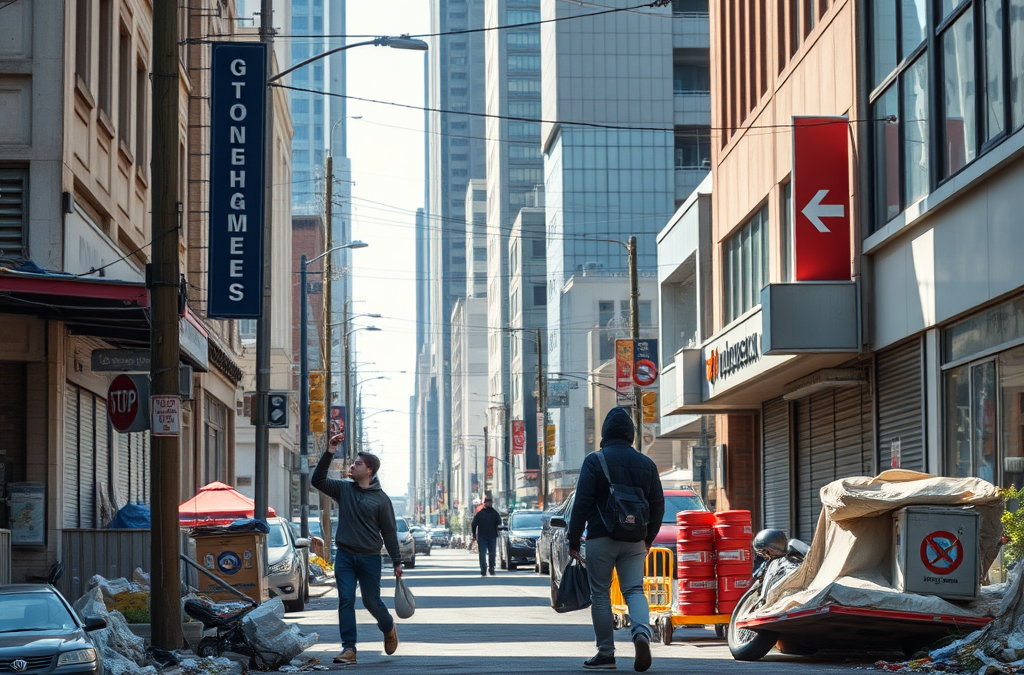
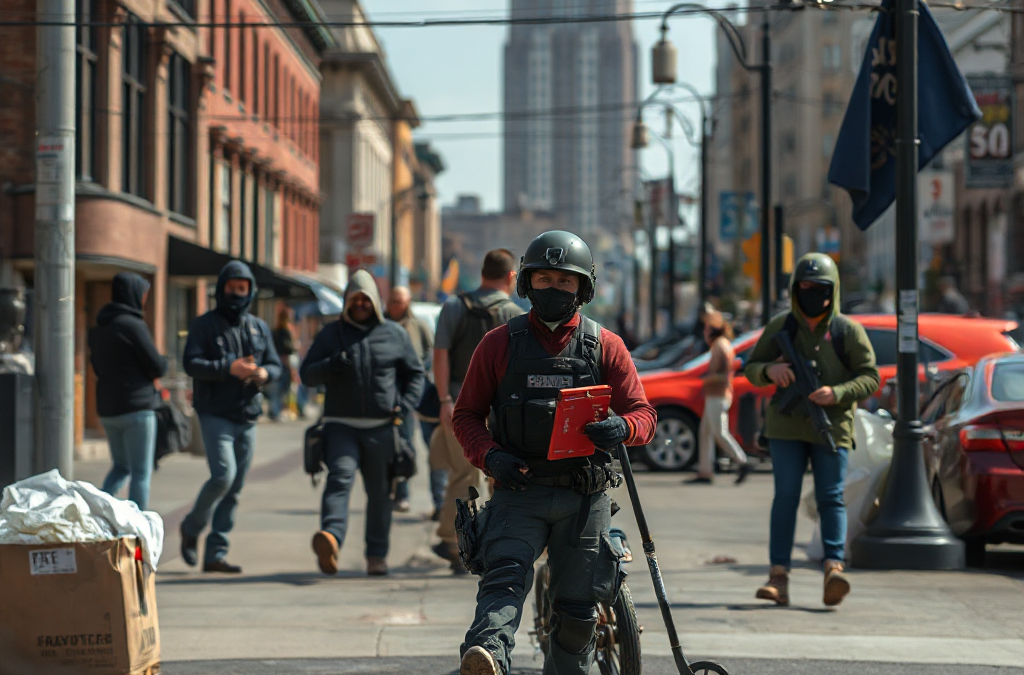
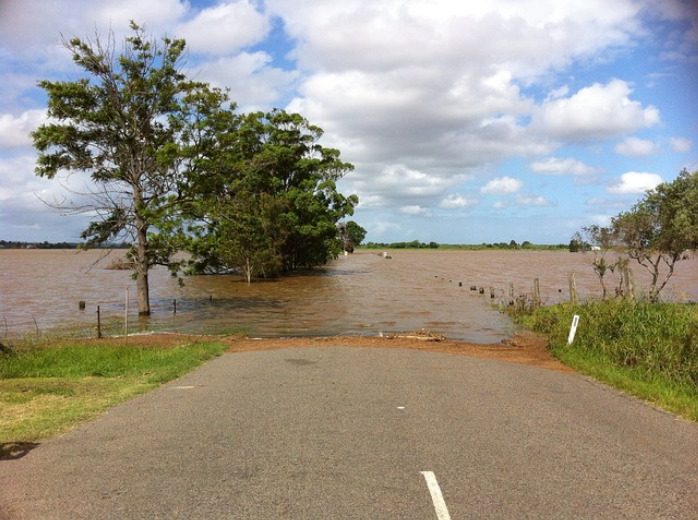
Urban environments face unique disaster risks due to their high population density, infrastructure complexity, and potential for social unrest. Natural disasters such as earthquakes, floods, and hurricanes can have devastating effects when they occur in cities, exacerbated by challenges like limited evacuation routes and overcrowded shelters. Furthermore, urban areas may also be vulnerable to man-made disasters, including terrorist attacks or industrial accidents, which demand specific preparedness strategies.
Recognizing these risks is the first step in disaster preparedness. Residents should assess their specific urban environment to identify potential hazards. For example, those living in coastal cities may need to prioritize hurricane preparedness, while individuals in earthquake-prone regions should focus on structural safety and emergency supplies. Understanding the local landscape and its risks allows for more effective planning and response strategies.
Creating an Emergency Plan
An effective emergency plan is crucial for navigating disasters in urban settings. This plan should outline clear steps for individuals and families to take during emergencies, including evacuation routes, points of contact, and shelter locations. Start by identifying meeting points that are safe and easily accessible. These could be local parks, community centers, or other landmarks that everyone can recognize and reach quickly.
In addition to physical locations, communication is key. Designate a family member or friend outside the urban area as a point of contact. In the event of a disaster, this person can help coordinate communication and check in on everyone’s safety. Regularly review and practice this plan with all family members, ensuring that everyone knows their roles and responsibilities. This preparation can significantly reduce panic and confusion when a disaster strikes.
Building a Comprehensive Emergency Kit
A well-stocked emergency kit is essential for urban disaster preparedness. This kit should include basic supplies that can sustain individuals for at least 72 hours. Key items to include are water (one gallon per person per day), non-perishable food, a flashlight, batteries, a first-aid kit, and necessary medications. Don’t forget to include personal items such as documents, cash, and clothing appropriate for the season.
When assembling your kit, consider the specific needs of your household. For example, families with young children may need baby supplies, while those with pets should include pet food and leashes. Regularly check and update the contents of your emergency kit to ensure that food and medications are not expired and that all items are in working order. This proactive approach can save valuable time and resources during a disaster.
Staying Informed and Connected
During a disaster, staying informed about local conditions and emergency services is vital. Sign up for local alerts and warnings through your city’s emergency management office. These alerts can provide real-time information about weather conditions, evacuation orders, and safety tips. Additionally, familiarize yourself with local emergency services and resources, such as shelters and food distribution centers, to know where to turn for help.
Establish communication strategies with neighbors and community members. Building a network of support can enhance safety and facilitate information sharing during emergencies. Engage in community preparedness initiatives, such as training sessions or neighborhood watch programs, to strengthen local resilience and awareness. Being proactive in community engagement can significantly enhance individual and collective preparedness.
Further Reading
Authoritative Sources
Ready.gov ready.gov
This official government site provides comprehensive guidelines on disaster preparedness, including checklists and emergency plans tailored for urban environments
American Red Cross redcross.org
The Red Cross offers resources for creating emergency plans and assembling kits, along with training opportunities for community preparedness
Understanding Cultural Sensitivity in Emergency Planning
Cultural sensitivity in emergency planning refers to the recognition and incorporation of the diverse cultural backgrounds, beliefs, and practices of community members. This understanding is crucial because emergencies can impact individuals differently based on their cultural context. A culturally sensitive emergency plan acknowledges these differences and aims to address them effectively, ensuring that all community members feel valued and supported during crises.
One common misconception is that a one-size-fits-all approach suffices in emergency planning. However, this can lead to significant gaps in response efforts, as certain cultural groups may have specific needs that are overlooked. For instance, understanding dietary restrictions, communication preferences, and traditional practices can significantly impact the effectiveness of the emergency response. A culturally sensitive plan not only improves trust between authorities and the community but also enhances the overall resilience of the community.
Engaging Diverse Communities for Effective Planning
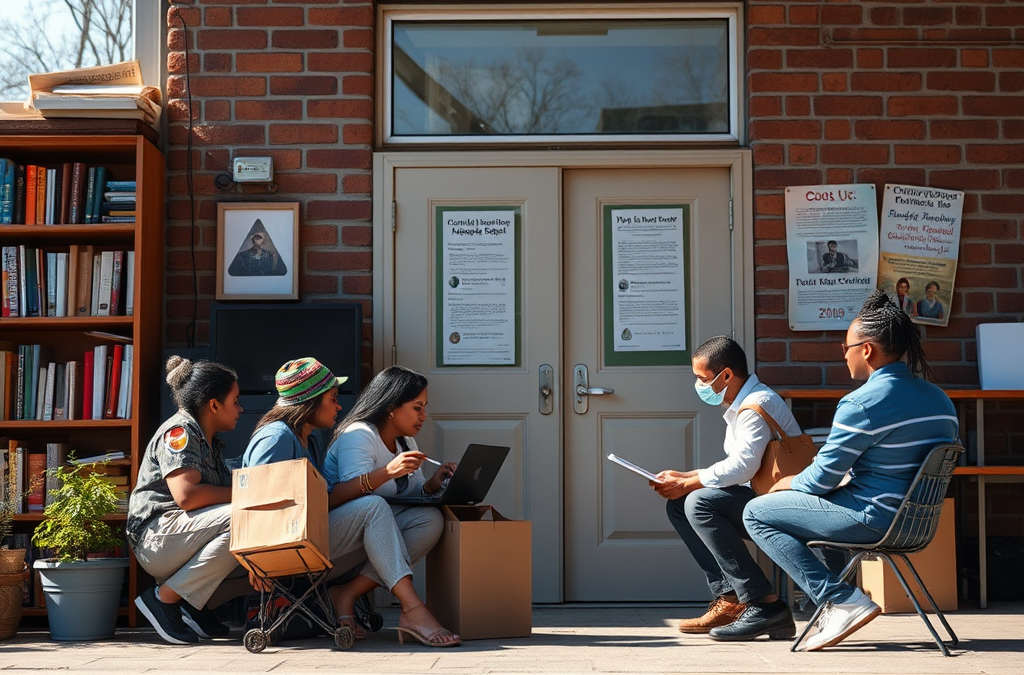
Engagement with various community groups is essential in crafting an emergency plan that resonates with all demographics. This involves actively seeking input from community leaders, organizations, and members representing different cultural backgrounds. Hosting community forums, focus groups, or workshops can provide valuable insights into specific needs and concerns.
For example, a community with a significant immigrant population might have unique concerns about language barriers or cultural stigmas related to seeking help. By involving these communities in the planning process, emergency managers can better understand their perspectives and tailor resources accordingly. Furthermore, this engagement fosters a sense of ownership and responsibility among community members, encouraging them to participate actively in preparedness efforts.
Incorporating Language and Communication Needs
Language accessibility is a critical component of culturally sensitive emergency planning. Emergency communications must be available in multiple languages to ensure that non-English speakers can understand vital information. This includes not only written materials but also verbal communications through community leaders or bilingual volunteers.
One effective strategy is to develop multilingual resources that convey essential information about emergency procedures, evacuation routes, and available support services. Additionally, using visual aids and symbols can help bridge language gaps. Testing these materials with community members can provide feedback on their effectiveness and clarity.
Tailoring Resources and Support for Different Cultures
Emergency plans should include culturally relevant resources that cater to the specific needs of diverse populations. This may involve providing food and medical supplies that respect cultural practices or beliefs. For instance, ensuring that food provided during emergencies meets dietary restrictions (such as Halal or Kosher options) can significantly enhance the effectiveness of relief efforts.
Moreover, understanding cultural practices around health and wellness can inform how support services are offered. For example, some cultures may prefer community-based support rather than institutional assistance. Recognizing these preferences allows emergency planners to create more effective outreach strategies.
Frequently Asked Questions
Why is cultural sensitivity important in emergency planning?
Cultural sensitivity ensures that emergency plans address the unique needs of diverse populations, improving trust and response effectiveness.
How can communities engage in emergency planning?
Communities can engage by participating in forums, providing feedback, and collaborating with emergency planners to share their specific needs.
What role does language accessibility play in emergency plans?
Language accessibility ensures that non-English speakers receive vital information during emergencies, enhancing overall safety and preparedness.
How can emergency plans address dietary restrictions?
Emergency plans can include culturally appropriate food options and resources that respect dietary restrictions to better serve diverse communities.
What are some common mistakes in culturally sensitive emergency planning?
Common mistakes include assuming a one-size-fits-all approach, neglecting language needs, and failing to engage with diverse community members.
Further Reading
Authoritative Sources
Ready.gov ready.gov
This resource provides comprehensive guidance on emergency preparedness, including considerations for diverse communities
Centers for Disease Control and Prevention cdc.gov
The CDC offers resources on public health and safety during emergencies, emphasizing cultural competence
American Red Cross redcross.org
A leading organization in disaster relief, providing resources for culturally sensitive emergency planning
Federal Emergency Management Agency (FEMA) fema.gov
FEMA provides guidelines and resources for emergency management, focusing on inclusive practices
Conclusion
Developing a culturally sensitive emergency plan is essential for effective disaster response and community resilience. By actively engaging diverse communities, addressing language and communication needs, and tailoring resources to respect cultural practices, emergency planners can create inclusive strategies that enhance safety and trust. It is crucial for emergency planners to prioritize these aspects to ensure that all community members feel prepared and supported during crises.
Before you can effectively navigate insurance claims after a disaster, it’s crucial to fully understand your insurance policy. This includes knowing what types of disasters are covered, the extent of your coverage, and any exclusions that may apply. Policies often vary significantly in terms of coverage limits and specific terms, so take the time to read through your documents carefully.
For example, some homeowners’ policies may cover natural disasters like floods or hurricanes, while others may exclude them entirely. Understanding these details can prevent unpleasant surprises once you need to file a claim. If you’re unsure about any aspect of your policy, don’t hesitate to contact your insurance agent for clarification. They can help explain the specifics and guide you on how to proceed if a disaster occurs.
Documenting Damages Effectively
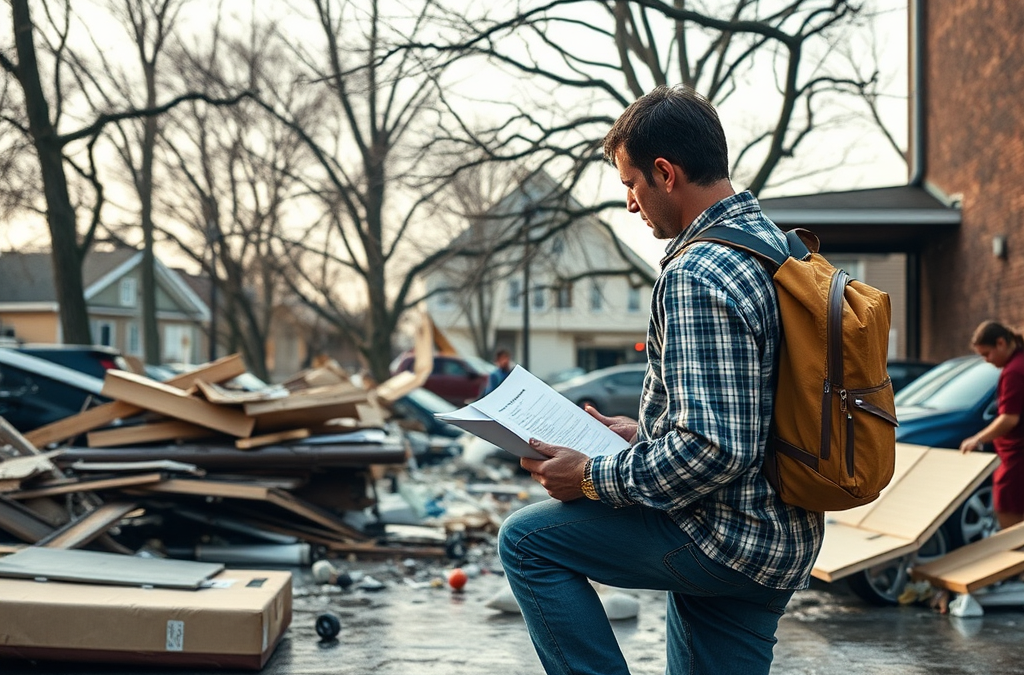
Documenting damages is a critical step in the claims process. After a disaster strikes, you should begin by taking clear photographs of all affected areas and items. Include details such as the extent of the damage and any necessary repairs. This visual evidence can significantly support your claim.
Additionally, keeping a written record of damaged items, including purchase dates and values, can be beneficial. If possible, gather receipts or appraisals for valuable items. This documentation not only strengthens your claim but can also expedite the process, as insurance companies often require concrete evidence to verify losses.
Submitting Your Claim
Once you have documented your damages, the next step is to submit your claim. Contact your insurer as soon as possible to initiate the claims process. Most insurance companies have specific timelines for filing claims, so prompt action is essential.
When submitting your claim, include all necessary documentation, including photographs, receipts, and your written inventory of damages. Be sure to follow your insurer’s specific instructions for submission, whether online or via a paper form. Keeping copies of everything you send can also help in case of disputes or follow-up questions.
Common Mistakes to Avoid
While navigating insurance claims after a disaster, several common mistakes can hinder your recovery efforts. One of the most significant errors is failing to document everything thoroughly. Without adequate documentation, your claim may be delayed or denied.
Another common mistake is misunderstanding your policy’s terms. Many policyholders are unaware of exclusions or limits that could impact their claims. Take the time to review your policy and ask questions if anything is unclear.
Additionally, procrastinating on submitting your claim can lead to complications. Insurance companies often have strict deadlines for claims submissions, and delays can jeopardize your ability to receive compensation. Prioritize swift action and clear communication with your insurer to avoid these pitfalls.
Understanding the intricacies of insurance claims after a disaster can be challenging. For more information, consider exploring official resources from your insurance provider, as well as government websites that offer guidance on disaster recovery and insurance processes.
Frequently Asked Questions
What should I do first after a disaster?
First, ensure your safety and the safety of others. Then, document any damages and contact your insurance provider to start the claims process.
How long do I have to file a claim after a disaster?
The time frame to file a claim varies by insurance policy, but it is generally advisable to file as soon as possible, often within 30 days after the event.
What if my claim is denied?
If your claim is denied, review the reasons for denial with your insurer. You have the right to appeal the decision, so gather additional documentation to support your case.
Can I use my insurance money for temporary housing?
Many policies include coverage for additional living expenses (ALE), which can help pay for temporary housing if your home is uninhabitable due to a disaster.
How can I speed up the claims process?
To speed up the claims process, ensure you have all necessary documentation ready, communicate clearly with your insurer, and follow up regularly to check on the status of your claim.
Further Reading
Authoritative Sources
Ready.gov Preparedness Guidance ready.gov
Federal preparedness guidance for household planning, alerts, supplies, and emergencies
American Red Cross Emergency Preparedness redcross.org
Emergency preparedness resources for families, disasters, and practical safety planning
FEMA Preparedness Resources fema.gov
National preparedness resources for planning, mitigation, and response readiness
Conclusion
Navigating insurance claims after a disaster involves understanding your policy, documenting damages effectively, and submitting your claim promptly. Avoid common pitfalls such as inadequate documentation or misunderstanding your coverage. By prioritizing clear communication with your insurer and acting swiftly, you can improve your chances of a smooth claims process and recover from the disaster more efficiently.
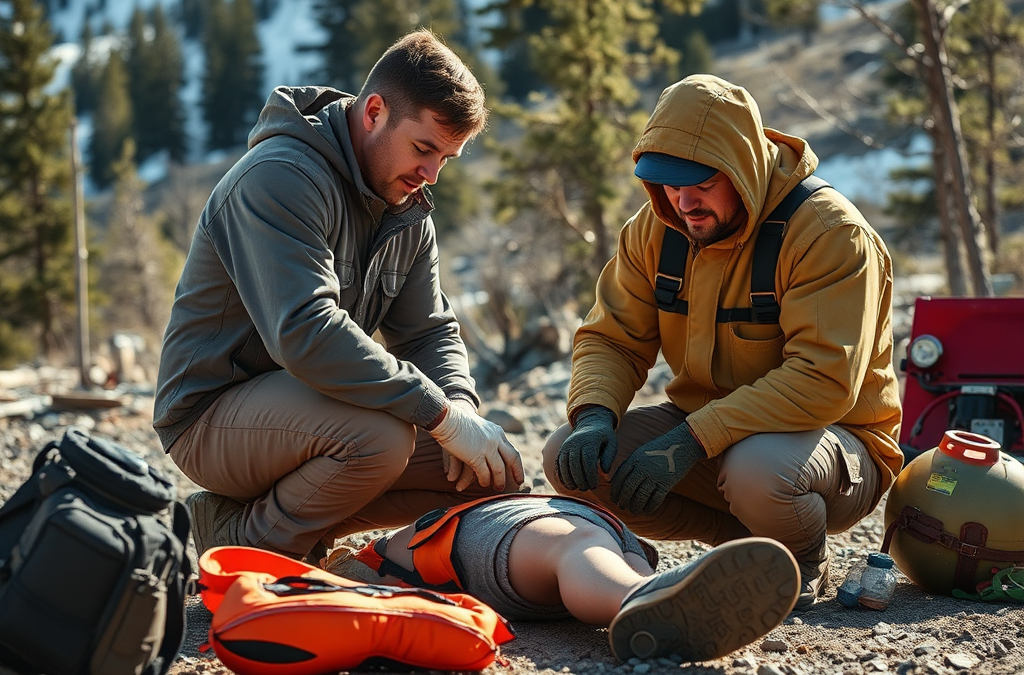
When faced with injuries in remote areas during emergencies, the first step is to conduct an immediate assessment of the situation. This involves checking the injured person’s responsiveness, airway, breathing, and circulation (the ABCs of first aid). Stabilization is crucial; for instance, if there are visible wounds, apply pressure to control bleeding. If the person is unconscious, ensure they are positioned safely to maintain an open airway.
Common mistakes include rushing to move the injured person without assessing their condition first. This can exacerbate injuries, especially spinal injuries. Prioritize stabilization techniques, such as keeping the person warm and comfortable, while you prepare for further action.
Utilizing Available Resources
In remote locations, resources may be limited, making it essential to know how to utilize what is available effectively. First aid kits should be stocked with essential items such as bandages, antiseptics, and splints. Knowing how to improvise with available materials can also be beneficial; for example, using clothing to create a makeshift bandage or splint can provide temporary support.
It’s important to regularly check and restock your first aid supplies before heading into remote areas. Understanding the capabilities and limitations of your equipment is vital; for instance, a tourniquet can be lifesaving but should only be used when necessary to avoid complications. Always familiarize yourself with basic first aid techniques that correspond to the items in your kit.
Effective Communication in Emergencies
Effective communication is a critical component of handling injuries in remote areas. If you are in a location with limited cell service, consider carrying a satellite phone or a personal locator beacon (PLB) to send distress signals. Knowing how to communicate your location clearly can expedite rescue efforts.
When communicating with emergency services, provide specific details about the injury, the location, and any other relevant information. This can help responders prepare adequately for the situation. It’s also wise to have a plan for relaying messages to others in your party, ensuring everyone is aware of the situation and can assist as needed.
Evacuation Planning and Medical Access
Planning for evacuation is essential when dealing with injuries in remote areas. Familiarize yourself with the nearest medical facilities and the best routes to reach them. Understanding the terrain and any obstacles can help you devise a more effective evacuation strategy.
When planning an evacuation, consider the severity of the injury. For minor injuries, it may be feasible to walk the injured person to safety, while severe injuries may require a more careful approach, such as using a stretcher or calling for air evacuation if available. Always prioritize the safety of the injured person and those assisting in the evacuation.
Frequently Asked Questions
What should I include in a first aid kit for remote areas?
Your first aid kit should include bandages, antiseptic wipes, gauze, adhesive tape, scissors, tweezers, and a first aid manual.
How can I signal for help in a remote area?
You can signal for help using a whistle, mirrors, or by creating large ground signals visible from the air.
What are the signs of a serious injury?
Signs of a serious injury include severe bleeding, unconsciousness, difficulty breathing, or a compound fracture.
How can I prevent injuries while in remote areas?
To prevent injuries, ensure you are well-prepared with proper equipment, knowledge of the terrain, and by practicing safety measures during activities.
What should I do if someone has a head injury?
If someone has a head injury, keep them still and monitor their condition, while seeking medical help as soon as possible.
Further Reading
Authoritative Sources
Library of Congress Research Guides guides.loc.gov
Research guides that help readers locate reliable background sources on a wide range of subjects
USA.gov Official Information and Services usa.gov
Official U.S. government information and public resources for practical reference
Google Scholar scholar.google.com
Academic search resource for finding research literature and source material
Conclusion
Handling injuries in remote areas during emergencies requires decisive action, effective resource management, and clear communication. Prioritize immediate assessment and stabilization, utilize available resources wisely, and maintain a robust evacuation plan. Being prepared can make a significant difference in the outcome of an emergency situation.
Civil unrest can arise from various factors, including political tensions, economic disparities, and social injustices. Recognizing these underlying causes is essential for understanding the potential for unrest in your area. For instance, communities experiencing high unemployment rates or governmental corruption may be more susceptible to protests and riots. Understanding these dynamics helps individuals assess their risk and prepare accordingly.
Common misconceptions include the belief that unrest is always violent or that it only occurs in specific regions. In reality, civil unrest can manifest in various forms, from peaceful demonstrations to violent outbreaks. An informed citizen should monitor local news, social media, and community discussions to gauge the current climate and potential triggers for unrest.
Creating an Emergency Preparedness Plan
Having a well-thought-out emergency preparedness plan is crucial for ensuring safety during civil unrest. This plan should outline escape routes, safe locations, and communication strategies with family and friends. A practical approach is to identify multiple routes to safety, considering potential roadblocks or areas of conflict.
In addition to physical routes, consider digital communication strategies. Establish a group chat or a designated contact person who can relay information if mobile networks become congested. Regularly review and practice this plan with family members to ensure everyone knows their role and responsibilities in case of unrest.
Essential Supplies for Civil Unrest
When preparing for civil unrest, assembling a comprehensive supply kit is vital. Your kit should include non-perishable food, water, first-aid supplies, and essential medications. The general guideline is to have at least three days’ worth of supplies for each family member, but extending this to two weeks is advisable for added security.
In addition to food and medical supplies, consider items that enhance your safety and communication capabilities. Flashlights, batteries, portable chargers, and a battery-operated radio can be invaluable during times of unrest. Be sure to regularly check expiration dates and replenish supplies as needed.
Staying Informed During Unrest
Staying informed is critical during civil unrest. Reliable information can help you make safe decisions and avoid dangerous situations. Utilize a variety of sources, including local news, government alerts, and social media. However, be cautious of misinformation on social platforms; always cross-check information with reputable news outlets.
Establishing a routine for checking updates can help you stay informed without becoming overwhelmed. Set specific times during the day to review news and alerts, and consider following local authorities or community organizations on social media for real-time updates.
Frequently Asked Questions
What should I include in my emergency supply kit?
Your emergency supply kit should include non-perishable food, water, first-aid supplies, essential medications, a flashlight, batteries, and a battery-operated radio.
How can I stay safe during civil unrest?
Stay informed about local situations, have an emergency plan, avoid areas of conflict, and keep essential supplies ready.
What are some signs of potential civil unrest?
Signs may include heightened tensions in the community, protests being organized, or significant political changes that could trigger public response.
How can I prepare my family for civil unrest?
Develop a family emergency plan, conduct drills, and ensure all members understand their roles and responsibilities during a crisis.
Where can I find reliable information during civil unrest?
Check local news outlets, government alerts, and follow trusted community organizations on social media for real-time updates.
Further Reading
Authoritative Sources
Library of Congress Research Guides guides.loc.gov
Research guides that help readers locate reliable background sources on a wide range of subjects
USA.gov Official Information and Services usa.gov
Official U.S. government information and public resources for practical reference
Google Scholar scholar.google.com
Academic search resource for finding research literature and source material
Conclusion
Preparing for potential civil unrest requires a proactive approach, including understanding the factors that contribute to unrest, creating a comprehensive emergency plan, assembling essential supplies, and staying informed. By assessing your situation and taking these steps, you can enhance your safety and security during uncertain times. Regularly review your preparedness plans and adapt them based on changing circumstances to ensure you are always ready for potential unrest.
Find the gaps most families don’t notice until something goes wrong.
Free. Practical. No fear-mongering.
By requesting this resource, you agree to receive practical PREPARE Magazine guides, tools, and email updates. You can unsubscribe anytime. Privacy Policy