
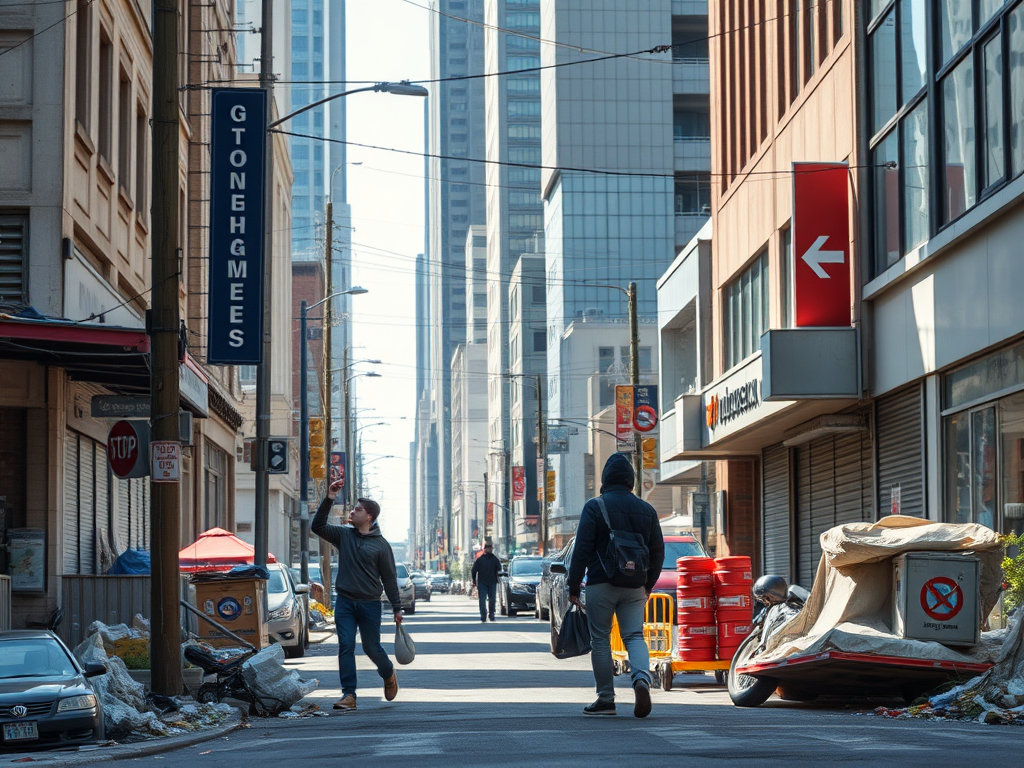
Preparing for disasters in urban environments involves creating a comprehensive emergency plan, assembling a well-stocked emergency kit, and knowing local evacuation routes. Consider the unique challenges of urban settings, such as high population density and limited access to resources. Prioritize communication plans with family and neighbors, and stay informed about local emergency services and alerts to ensure safety during crises.
Understanding Urban Disaster Risks
Urban environments face unique disaster risks due to their high population density, infrastructure complexity, and potential for social unrest. Natural disasters such as earthquakes, floods, and hurricanes can have devastating effects when they occur in cities, exacerbated by challenges like limited evacuation routes and overcrowded shelters. Furthermore, urban areas may also be vulnerable to man-made disasters, including terrorist attacks or industrial accidents, which demand specific preparedness strategies.
Recognizing these risks is the first step in disaster preparedness. Residents should assess their specific urban environment to identify potential hazards. For example, those living in coastal cities may need to prioritize hurricane preparedness, while individuals in earthquake-prone regions should focus on structural safety and emergency supplies. Understanding the local landscape and its risks allows for more effective planning and response strategies.
Creating an Emergency Plan
An effective emergency plan is crucial for navigating disasters in urban settings. This plan should outline clear steps for individuals and families to take during emergencies, including evacuation routes, points of contact, and shelter locations. Start by identifying meeting points that are safe and easily accessible. These could be local parks, community centers, or other landmarks that everyone can recognize and reach quickly.
In addition to physical locations, communication is key. Designate a family member or friend outside the urban area as a point of contact. In the event of a disaster, this person can help coordinate communication and check in on everyone’s safety. Regularly review and practice this plan with all family members, ensuring that everyone knows their roles and responsibilities. This preparation can significantly reduce panic and confusion when a disaster strikes.
Building a Comprehensive Emergency Kit
A well-stocked emergency kit is essential for urban disaster preparedness. This kit should include basic supplies that can sustain individuals for at least 72 hours. Key items to include are water (one gallon per person per day), non-perishable food, a flashlight, batteries, a first-aid kit, and necessary medications. Don’t forget to include personal items such as documents, cash, and clothing appropriate for the season.
When assembling your kit, consider the specific needs of your household. For example, families with young children may need baby supplies, while those with pets should include pet food and leashes. Regularly check and update the contents of your emergency kit to ensure that food and medications are not expired and that all items are in working order. This proactive approach can save valuable time and resources during a disaster.
Staying Informed and Connected
During a disaster, staying informed about local conditions and emergency services is vital. Sign up for local alerts and warnings through your city’s emergency management office. These alerts can provide real-time information about weather conditions, evacuation orders, and safety tips. Additionally, familiarize yourself with local emergency services and resources, such as shelters and food distribution centers, to know where to turn for help.
Establish communication strategies with neighbors and community members. Building a network of support can enhance safety and facilitate information sharing during emergencies. Engage in community preparedness initiatives, such as training sessions or neighborhood watch programs, to strengthen local resilience and awareness. Being proactive in community engagement can significantly enhance individual and collective preparedness.
Additional Resources
Authoritative Sources
- American Red Cross Emergency Preparedness
redcross.orgPractical emergency preparation, safety, and supply guidance for households.