
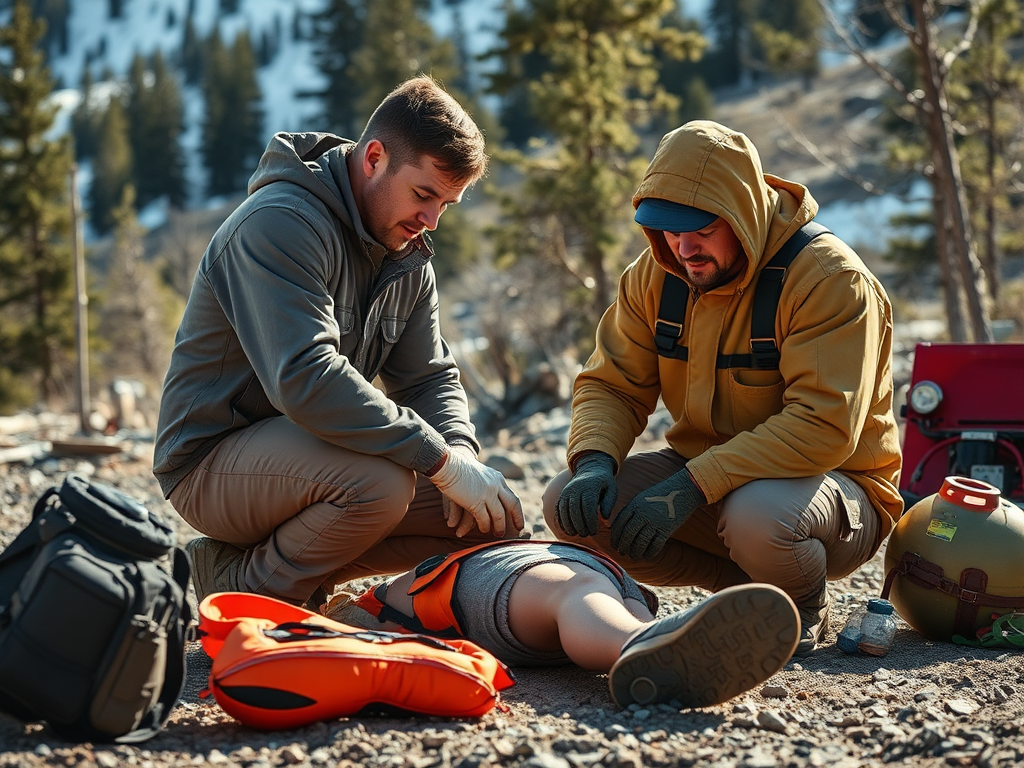
To effectively handle injuries in remote areas during emergencies, start by assessing the injured person's condition, focusing on their responsiveness and vital signs. Stabilization is key; apply pressure to control bleeding and ensure the airway is clear, especially if the person is unconscious. Utilize available resources, such as first aid kits, and be prepared to improvise with materials at hand. Communication is vital, so have a plan to reach help, whether through signaling or using communication devices. Always familiarize yourself with the nearest medical facilities and have a clear evacuation strategy, as timely access to professional care is often limited in remote locations.
Immediate Assessment and Stabilization
When faced with injuries in remote areas during emergencies, the first step is to conduct an immediate assessment of the situation. This involves checking the injured person’s responsiveness, airway, breathing, and circulation (the ABCs of first aid). Stabilization is crucial; for instance, if there are visible wounds, apply pressure to control bleeding. If the person is unconscious, ensure they are positioned safely to maintain an open airway.
Common mistakes include rushing to move the injured person without assessing their condition first. This can exacerbate injuries, especially spinal injuries. Prioritize stabilization techniques, such as keeping the person warm and comfortable, while you prepare for further action.
Utilizing Available Resources
In remote locations, resources may be limited, making it essential to know how to utilize what is available effectively. First aid kits should be stocked with essential items such as bandages, antiseptics, and splints. Knowing how to improvise with available materials can also be beneficial; for example, using clothing to create a makeshift bandage or splint can provide temporary support.
It’s important to regularly check and restock your first aid supplies before heading into remote areas. Understanding the capabilities and limitations of your equipment is vital; for instance, a tourniquet can be lifesaving but should only be used when necessary to avoid complications. Always familiarize yourself with basic first aid techniques that correspond to the items in your kit.
Effective Communication in Emergencies
Effective communication is a critical component of handling injuries in remote areas. If you are in a location with limited cell service, consider carrying a satellite phone or a personal locator beacon (PLB) to send distress signals. Knowing how to communicate your location clearly can expedite rescue efforts.
When communicating with emergency services, provide specific details about the injury, the location, and any other relevant information. This can help responders prepare adequately for the situation. It’s also wise to have a plan for relaying messages to others in your party, ensuring everyone is aware of the situation and can assist as needed.
Evacuation Planning and Medical Access
Planning for evacuation is essential when dealing with injuries in remote areas. Familiarize yourself with the nearest medical facilities and the best routes to reach them. Understanding the terrain and any obstacles can help you devise a more effective evacuation strategy.
When planning an evacuation, consider the severity of the injury. For minor injuries, it may be feasible to walk the injured person to safety, while severe injuries may require a more careful approach, such as using a stretcher or calling for air evacuation if available. Always prioritize the safety of the injured person and those assisting in the evacuation.
Frequently Asked Questions
What should I include in a first aid kit for remote areas?
Your first aid kit should include bandages, antiseptic wipes, gauze, adhesive tape, scissors, tweezers, and a first aid manual.
How can I signal for help in a remote area?
You can signal for help using a whistle, mirrors, or by creating large ground signals visible from the air.
What are the signs of a serious injury?
Signs of a serious injury include severe bleeding, unconsciousness, difficulty breathing, or a compound fracture.
How can I prevent injuries while in remote areas?
To prevent injuries, ensure you are well-prepared with proper equipment, knowledge of the terrain, and by practicing safety measures during activities.
What should I do if someone has a head injury?
If someone has a head injury, keep them still and monitor their condition, while seeking medical help as soon as possible.
Conclusion
Handling injuries in remote areas during emergencies requires decisive action, effective resource management, and clear communication. Prioritize immediate assessment and stabilization, utilize available resources wisely, and maintain a robust evacuation plan. Being prepared can make a significant difference in the outcome of an emergency situation.