
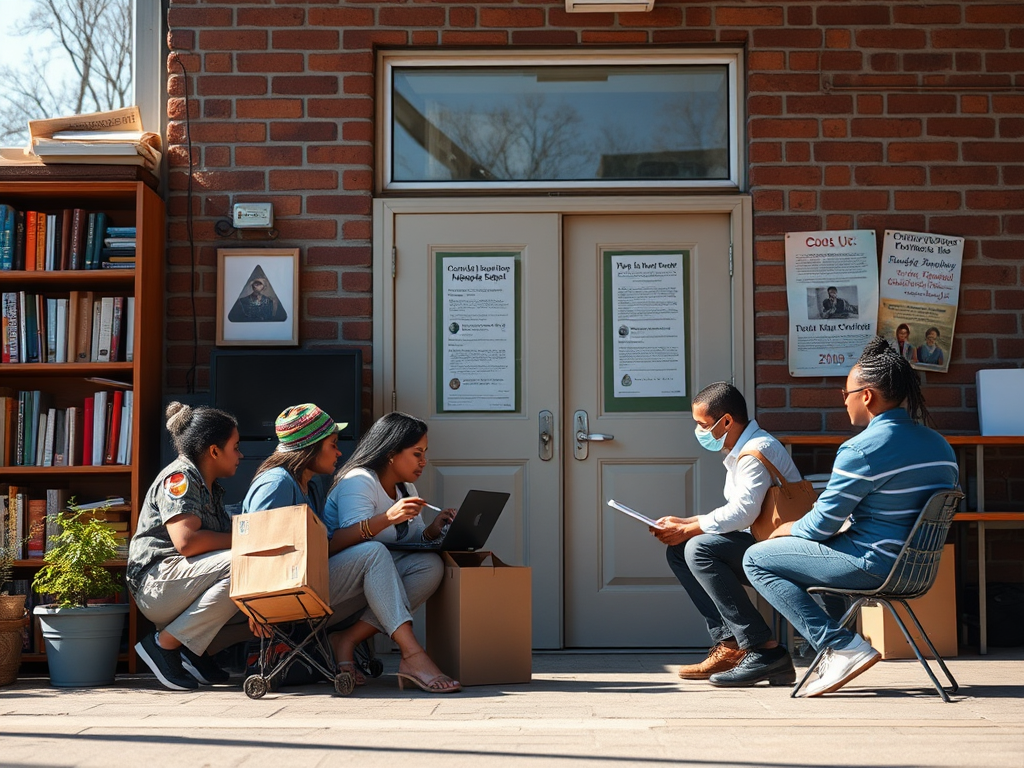
To ensure your emergency plan is culturally sensitive, actively involve diverse community members in the planning process. This engagement helps identify unique cultural needs and preferences, such as language accessibility and specific communication styles. Avoid making assumptions about cultural practices; instead, tailor your strategies to reflect the community's diversity. By fostering trust and understanding, your emergency plan will be more effective and inclusive, ultimately enhancing the resilience of all community members during crises.
Understanding Cultural Sensitivity in Emergency Planning
Cultural sensitivity in emergency planning refers to the recognition and incorporation of the diverse cultural backgrounds, beliefs, and practices of community members. This understanding is crucial because emergencies can impact individuals differently based on their cultural context. A culturally sensitive emergency plan acknowledges these differences and aims to address them effectively, ensuring that all community members feel valued and supported during crises.
One common misconception is that a one-size-fits-all approach suffices in emergency planning. However, this can lead to significant gaps in response efforts, as certain cultural groups may have specific needs that are overlooked. For instance, understanding dietary restrictions, communication preferences, and traditional practices can significantly impact the effectiveness of the emergency response. A culturally sensitive plan not only improves trust between authorities and the community but also enhances the overall resilience of the community.
Engaging Diverse Communities for Effective Planning
Engagement with various community groups is essential in crafting an emergency plan that resonates with all demographics. This involves actively seeking input from community leaders, organizations, and members representing different cultural backgrounds. Hosting community forums, focus groups, or workshops can provide valuable insights into specific needs and concerns.
For example, a community with a significant immigrant population might have unique concerns about language barriers or cultural stigmas related to seeking help. By involving these communities in the planning process, emergency managers can better understand their perspectives and tailor resources accordingly. Furthermore, this engagement fosters a sense of ownership and responsibility among community members, encouraging them to participate actively in preparedness efforts.
Incorporating Language and Communication Needs
Language accessibility is a critical component of culturally sensitive emergency planning. Emergency communications must be available in multiple languages to ensure that non-English speakers can understand vital information. This includes not only written materials but also verbal communications through community leaders or bilingual volunteers.
One effective strategy is to develop multilingual resources that convey essential information about emergency procedures, evacuation routes, and available support services. Additionally, using visual aids and symbols can help bridge language gaps. Testing these materials with community members can provide feedback on their effectiveness and clarity.
Tailoring Resources and Support for Different Cultures
Emergency plans should include culturally relevant resources that cater to the specific needs of diverse populations. This may involve providing food and medical supplies that respect cultural practices or beliefs. For instance, ensuring that food provided during emergencies meets dietary restrictions (such as Halal or Kosher options) can significantly enhance the effectiveness of relief efforts.
Moreover, understanding cultural practices around health and wellness can inform how support services are offered. For example, some cultures may prefer community-based support rather than institutional assistance. Recognizing these preferences allows emergency planners to create more effective outreach strategies.
Frequently Asked Questions
Why is cultural sensitivity important in emergency planning?
Cultural sensitivity ensures that emergency plans address the unique needs of diverse populations, improving trust and response effectiveness.
How can communities engage in emergency planning?
Communities can engage by participating in forums, providing feedback, and collaborating with emergency planners to share their specific needs.
What role does language accessibility play in emergency plans?
Language accessibility ensures that non-English speakers receive vital information during emergencies, enhancing overall safety and preparedness.
How can emergency plans address dietary restrictions?
Emergency plans can include culturally appropriate food options and resources that respect dietary restrictions to better serve diverse communities.
What are some common mistakes in culturally sensitive emergency planning?
Common mistakes include assuming a one-size-fits-all approach, neglecting language needs, and failing to engage with diverse community members.
Conclusion
Developing a culturally sensitive emergency plan is essential for effective disaster response and community resilience. By actively engaging diverse communities, addressing language and communication needs, and tailoring resources to respect cultural practices, emergency planners can create inclusive strategies that enhance safety and trust. It is crucial for emergency planners to prioritize these aspects to ensure that all community members feel prepared and supported during crises.
Additional Resources
Authoritative Sources
- American Red Cross Emergency Preparedness
redcross.orgPractical emergency preparation, safety, and supply guidance for households.