Identifying vulnerable populations is crucial for effective emergency support. These groups often include children, the elderly, individuals with disabilities, and those experiencing economic hardship. Each group faces unique challenges during emergencies, such as limited mobility, communication barriers, or lack of access to essential services. Understanding these specific vulnerabilities allows organizations and communities to tailor their support efforts effectively.
For instance, elderly individuals may struggle to evacuate quickly during a disaster due to mobility issues. Therefore, planning should include transportation assistance and special accommodations. Similarly, people with disabilities may require specific resources to ensure their safety and comfort. Recognizing these needs is the first step toward building a supportive framework that can respond promptly and effectively.
Establishing Effective Communication Strategies
Effective communication is vital for ensuring that vulnerable populations receive timely information during emergencies. This can involve creating multiple communication channels to reach diverse audiences. For example, utilizing social media, community radio, and local organizations can help disseminate critical information quickly and efficiently.
Moreover, communication must be accessible. This means providing information in multiple languages, using simple language, and ensuring that it is available in formats that are suitable for individuals with disabilities. Regular updates about emergency services, shelters, and resources can empower these populations to make informed decisions, ultimately enhancing their safety and well-being.
A common mistake is assuming that everyone has equal access to technology. Many vulnerable individuals may lack smartphones or reliable internet connections. Therefore, it’s essential to partner with local community leaders who can relay messages through face-to-face interactions or community gatherings.
Mobilizing Resources and Support
Mobilizing resources effectively is key to supporting vulnerable populations during emergencies. This involves assessing the needs of these groups and coordinating with local agencies and organizations that can provide necessary supplies, services, and support. Resources may include food, medical supplies, shelter, and mental health services.
Collaboration with NGOs, government agencies, and community groups can facilitate this process. For example, local food banks can provide meals, while health organizations can offer medical assistance. Establishing a centralized command or coordination center can streamline resource allocation and ensure that support reaches those who need it most.
However, it’s important to recognize potential limitations, such as funding shortages or logistical challenges. Planning ahead and establishing partnerships before an emergency occurs can help mitigate these issues, ensuring a more robust response when crises arise.
Community Engagement and Collaboration
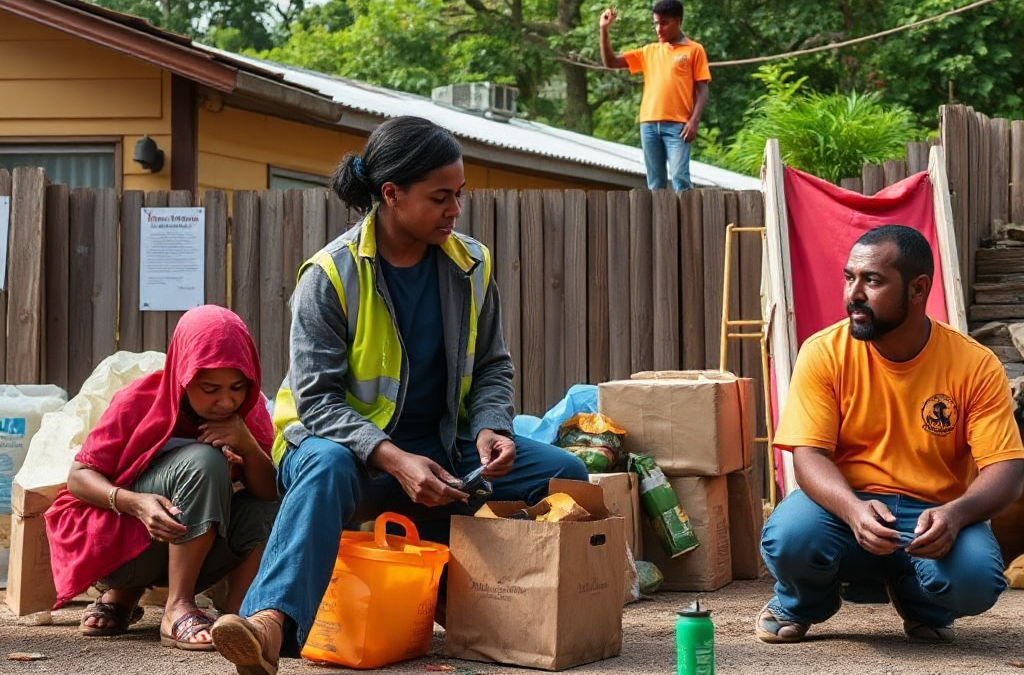
Community engagement is a critical component of creating effective support for vulnerable populations in emergencies. Involving community members in planning and response efforts fosters trust and ensures that support is relevant and culturally appropriate. This engagement can take many forms, such as organizing community meetings, forming volunteer groups, or partnering with local organizations that have established trust within the community.
For instance, local faith-based organizations often have deep roots in their communities and can play a significant role in outreach and support efforts. By collaborating with these groups, emergency responders can tap into existing networks of trust and communication, making it easier to reach vulnerable populations.
Common pitfalls in community engagement include failing to involve local leaders or neglecting to listen to the concerns of community members. These oversights can lead to mistrust and ineffective support. Therefore, ongoing dialogue and feedback loops should be established to ensure that the needs of vulnerable populations are continuously addressed.
Frequently Asked Questions
What are some challenges faced by vulnerable populations during emergencies?
Vulnerable populations often face challenges such as limited mobility, lack of access to information, and increased health risks, making it difficult for them to respond effectively in emergencies.
How can communities better prepare for emergencies?
Communities can prepare by conducting drills, creating emergency plans, and establishing communication networks to ensure that vulnerable populations receive timely information and support.
Why is effective communication important in emergencies?
Effective communication ensures that all community members, especially vulnerable populations, are informed about emergency procedures, available resources, and safety measures, which can save lives.
What role do local organizations play in supporting vulnerable populations?
Local organizations often have established trust within the community and can mobilize resources, provide crucial services, and facilitate communication between emergency responders and vulnerable populations.
How can community engagement improve emergency responses?
Community engagement fosters trust, ensures that support is culturally appropriate, and enables responders to understand and address the specific needs of vulnerable populations during emergencies.
Further Reading
Authoritative Sources
Library of Congress Research Guides guides.loc.gov
Research guides that help readers locate reliable background sources on a wide range of subjects
USA.gov Official Information and Services usa.gov
Official U.S. government information and public resources for practical reference
Google Scholar scholar.google.com
Academic search resource for finding research literature and source material
Conclusion
Creating support for vulnerable populations in emergencies requires a multifaceted approach that includes understanding their unique challenges, establishing effective communication, mobilizing resources, and engaging the community. By prioritizing these areas, communities can enhance their emergency response capabilities, ensuring that those most at risk receive the necessary support and resources during crises. Moving forward, it’s essential to maintain open lines of communication and continually assess the needs of vulnerable populations to adapt response strategies accordingly.
Misinformation during crises can significantly hinder effective response efforts and create confusion among the public. It often arises from a lack of verified information, emotional responses, and the rapid spread of unverified claims through social media and other platforms. Understanding the nature of misinformation is crucial because it can lead to panic, poor decision-making, and ultimately, loss of life. For instance, during natural disasters or health emergencies, false information about safety measures can deter people from taking necessary actions.
Recognizing the characteristics of misinformation—such as sensationalism, lack of credible sources, and emotional manipulation—enables individuals to critically assess the information they encounter. This understanding lays the foundation for effectively addressing misinformation when it arises, allowing for a more informed public response.
Identifying Misinformation: Key Techniques
Identifying misinformation requires a proactive approach. Start by evaluating the source of the information. Trustworthy sources often include government agencies, reputable news organizations, and established experts in the field. Verify claims by cross-referencing with multiple credible sources to confirm accuracy. Tools such as fact-checking websites can be invaluable in this process.
Another technique is recognizing common signs of misinformation. Look for emotional language intended to provoke fear or anger, as this can indicate a lack of factual basis. Additionally, watch for vague claims that lack specific evidence or citations. During crises, misinformation tends to spread rapidly, especially on social media, making it essential for individuals to remain vigilant and skeptical of sensational headlines.
For example, during the COVID-19 pandemic, numerous false claims about the virus’s origins and treatments circulated widely. By employing fact-checking methods and relying on trusted sources, individuals could discern factual information from misleading narratives.
Effective Response Strategies
Once misinformation is identified, addressing it promptly is critical. Start by providing accurate information through the same channels where misinformation spread. This could include social media platforms, community forums, or local news outlets. Clear, factual communication helps to counteract the negative effects of misinformation and restore public trust.
Engagement with the community is also vital. Encourage open discussions where individuals can voice their concerns and ask questions. This not only helps clarify misconceptions but also fosters a sense of community resilience. For instance, local leaders can hold informational sessions to address specific misinformation circulating in their areas.
Moreover, empowering individuals with tools to verify information themselves can create a more informed public. Workshops on media literacy and critical thinking can equip community members with the skills needed to navigate information during crises effectively.
The Role of Media Literacy
Media literacy plays a crucial role in combating misinformation. By enhancing individuals’ ability to critically analyze media content, they become better equipped to distinguish between credible information and misleading narratives. Educational initiatives focused on media literacy can help individuals understand how to evaluate sources, identify biases, and recognize persuasive techniques used in misinformation.
For example, schools and community organizations can implement programs that teach students and adults alike how to assess the credibility of news articles, understand the impact of algorithms on information dissemination, and recognize the importance of sourcing and context. Such initiatives not only prepare individuals to respond to misinformation during crises but also promote long-term resilience against misinformation in everyday life.
Frequently Asked Questions
What is misinformation?
Misinformation refers to false or misleading information spread regardless of intent, often exacerbated during crises.
How can I verify information during a crisis?
Verify information by cross-referencing multiple credible sources and using fact-checking websites.
What are the common signs of misinformation?
Common signs include emotional language, lack of credible sources, and vague claims without evidence.
How can communities combat misinformation?
Communities can combat misinformation by promoting clear communication, engaging in discussions, and providing media literacy education.
Why is media literacy important?
Media literacy is crucial as it empowers individuals to critically analyze information, reducing the impact of misinformation.
Further Reading
Authoritative Sources
FactCheck.org factcheck.org
This resource provides a comprehensive fact-checking service to help identify misinformation
Snopes snopes.com
Snopes is a well-known fact-checking website that debunks rumors and misinformation
Poynter Institute poynter.org
Poynter offers resources for media literacy and strategies for identifying misinformation
American Press Institute americanpressinstitute.org
This site provides research and resources on journalism and media literacy
Conclusion
Addressing misinformation during crises requires vigilance and proactive strategies. By understanding the nature of misinformation, employing effective identification techniques, and promoting media literacy, individuals and communities can significantly mitigate its impact. Engaging in open discussions and providing accurate information through trusted channels not only combats misinformation but also fosters a more informed public. The next step is to advocate for media literacy initiatives within your community to build resilience against misinformation in the future.
Maintaining hygiene during long-term emergencies is vital for preventing disease and ensuring the health of individuals and communities. Emergencies can disrupt regular sanitation services, making it essential to adopt proactive hygiene measures. Poor hygiene can lead to outbreaks of diseases such as cholera, dysentery, and other infections that thrive in unsanitary conditions. Understanding the risks associated with neglecting hygiene is crucial for survival and overall well-being during extended crises.
In crisis situations, individuals often face challenges such as limited resources and overcrowded living conditions. These factors can exacerbate the spread of infections. Therefore, establishing effective hygiene practices is not just beneficial; it is necessary for sustaining health and preventing widespread illness. Prioritizing hygiene helps maintain morale and stability in chaotic environments, promoting a sense of normalcy amid the turmoil.
Essential Hygiene Practices
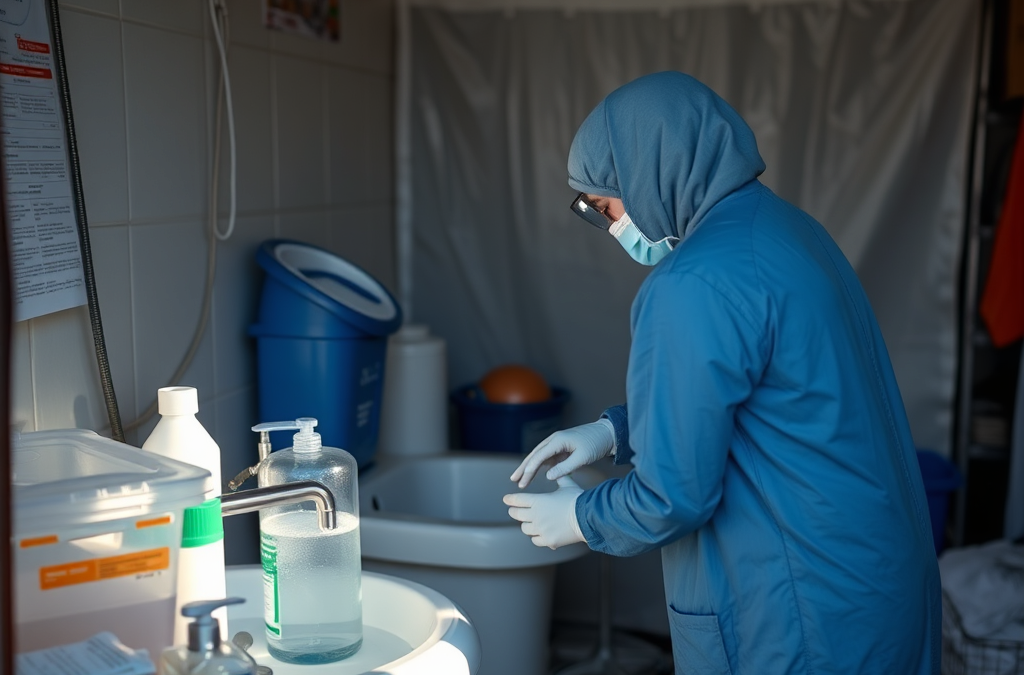
Effective hygiene practices are essential in long-term emergencies to minimize the risk of illness. First and foremost, personal cleanliness must be prioritized. Regular handwashing with soap and clean water is the most effective way to prevent the transmission of pathogens. Individuals should wash their hands before eating, after using the toilet, and after handling waste. In situations where soap is unavailable, a hand sanitizer containing at least 60% alcohol can be used as an alternative.
Another critical aspect is maintaining clean living areas. Regularly cleaning surfaces with disinfectants can significantly reduce the risk of infections. Create a routine for cleaning shared spaces, especially in communal living conditions, to ensure all areas remain sanitary. This includes kitchens, bathrooms, and sleeping areas.
Additionally, using personal hygiene products such as sanitary pads or wipes can help maintain cleanliness, especially for women. Ensuring that these products are included in emergency kits can greatly impact comfort and hygiene.
Waste Management Strategies
Effective waste management is crucial for maintaining hygiene in long-term emergencies. Improper waste disposal can lead to contamination of water sources and attract pests, exacerbating health risks. Establishing clear protocols for waste disposal is essential. This includes segregating waste into biodegradable and non-biodegradable categories to facilitate proper disposal.
In areas without access to traditional waste management services, create makeshift latrines or composting toilets to manage human waste safely. Ensure these facilities are located away from water sources to prevent contamination. Regularly emptying and cleaning these facilities helps minimize health risks.
Moreover, educating individuals on the importance of waste management can foster a culture of responsibility. Encourage community participation in keeping living areas clean and implementing waste disposal strategies. This not only enhances hygiene but also strengthens community bonds during difficult times.
Water Safety in Emergencies
Access to clean water is one of the most significant challenges in long-term emergencies. Contaminated water can lead to severe health issues, making it essential to prioritize water safety. First, identify safe water sources, such as bottled water or treated water. If water quality is uncertain, boiling water for at least one minute is an effective method to kill pathogens.
Additionally, using water purification tablets or filters can provide an extra layer of safety for drinking water. It is critical to educate individuals about recognizing safe water and the dangers of consuming untreated water. Regularly testing water quality, if possible, can help ensure safety and prevent illness.
Furthermore, storing water in clean, safe containers is essential. Avoid using containers that previously held chemicals or non-food substances, as this can lead to contamination. Labeling water storage containers can help prevent accidental consumption of unsafe water.
For additional information on maintaining hygiene during long-term emergencies, consider reviewing resources from reputable organizations such as the World Health Organization (WHO) and the Centers for Disease Control and Prevention (CDC). These organizations provide guidelines and best practices for hygiene and sanitation in crisis situations.
Frequently Asked Questions
What are the main hygiene practices during emergencies?
Key hygiene practices include regular handwashing, cleaning living spaces, and safe waste disposal to prevent disease spread.
How can I ensure water safety in an emergency?
Ensure water safety by using bottled or treated water, boiling water, and employing purification tablets or filters when necessary.
What should I include in a hygiene kit for emergencies?
A hygiene kit should contain soap, hand sanitizer, sanitary products, disinfectants, and wipes for personal cleanliness.
Why is waste management important in emergencies?
Effective waste management prevents contamination of water sources and reduces the risk of disease outbreaks in crowded living conditions.
How can communities promote hygiene awareness during crises?
Communities can promote hygiene awareness through education, group discussions, and organizing clean-up initiatives to foster responsibility.
Further Reading
Authoritative Sources
NIH Office of Dietary Supplements ods.od.nih.gov
Evidence-based information on vitamins, minerals, supplements, and nutrition-related questions
USDA FoodData Central fdc.nal.usda.gov
USDA nutrient data for foods and ingredients used in nutrition decisions
Harvard T.H. Chan School of Public Health Nutrition Source hsph.harvard.edu
Public health nutrition guidance and educational resources
Conclusion
Maintaining hygiene in long-term emergencies is crucial for health and safety. By prioritizing personal cleanliness, effective waste management, and water safety, individuals can significantly reduce the risk of disease outbreaks. Communities should work together to establish hygiene protocols and educate each other on best practices. Taking these proactive steps not only ensures survival but also fosters a sense of community and resilience during challenging times.
Understanding which technologies are essential for your operations is crucial. This involves mapping out all technological systems and identifying those that are mission-critical. Systems such as communication tools, data storage solutions, and operational software often fall into this category. By prioritizing these technologies, organizations can allocate resources effectively to ensure their resilience during crises.
For instance, a hospital relies heavily on electronic health records and communication systems. If these systems fail, patient care could be compromised. Therefore, assessing the potential impact of technological failures on operations is vital. Consider conducting a risk assessment to identify vulnerabilities and prioritize technologies based on their criticality.
In addition to identifying critical systems, it’s important to regularly review and update this list. As businesses evolve, new technologies may emerge, or existing ones may become obsolete. Keeping an updated inventory ensures that you can focus your preparation efforts where they are needed most.
Implementing Backup Systems
Once critical technologies are identified, implementing robust backup systems is essential. These systems can take many forms, including cloud backups, redundant hardware, or alternative communication methods. The goal is to ensure that if one system fails, there is a reliable alternative ready to take its place.
For example, a company may store its data both locally and on a cloud platform. In the event of a local server failure, access to the cloud data ensures continuity. Additionally, having a secondary communication method, such as a satellite phone or a dedicated radio system, can be invaluable during crises when traditional communication lines may be compromised.
Moreover, it is crucial to not only implement these backup systems but also to regularly test them. Conducting routine tests can help identify any weaknesses or failure points that need to be addressed, ensuring that in a real crisis, the backup systems function as intended.
Training and Drills
Training staff on how to respond to technological failures is a key component of crisis preparedness. Regular drills can help familiarize employees with backup systems and procedures, ensuring a swift and effective response when failures occur. These drills should simulate real-world scenarios that could lead to technological failures.
For instance, a financial institution might conduct a drill where their primary trading software fails. Employees would practice switching to backup systems and executing trades through alternative methods. This hands-on training helps to build confidence and competence among staff, reducing panic and confusion during actual crises.
It’s also beneficial to create a culture of preparedness within the organization. Encourage employees to think critically about potential technological failures and invite them to contribute ideas on improving systems and processes. This collaborative approach can lead to innovative solutions that enhance overall resilience.
Real-Time Communication Strategies
Effective communication is vital during a crisis, especially when technological failures occur. Establishing clear communication protocols ensures that all stakeholders are informed about the situation and the steps being taken to address it. This includes internal communication among staff and external communication with clients and stakeholders.
Utilizing multiple communication platforms can enhance reach and reliability. For instance, combining email updates, text alerts, and social media announcements ensures that information disseminates quickly, regardless of which systems may be down. Additionally, designating a crisis communication team can streamline information flow and maintain consistency in messaging.
Furthermore, keeping communication channels open during a crisis can help manage panic and uncertainty. Providing regular updates about progress and expected timelines for resolution can reassure stakeholders and maintain trust in the organization.
Frequently Asked Questions
What are common causes of technological failures during crises?
Common causes include power outages, hardware malfunctions, cyberattacks, and natural disasters that disrupt communication and data access.
How can I ensure my backup systems are effective?
Regularly test your backup systems, update them as necessary, and ensure all staff are trained on how to use them in an emergency.
What role does employee training play in crisis preparedness?
Employee training helps staff respond effectively to technological failures, reducing confusion and improving recovery times during crises.
How can I improve communication during a crisis?
Establish clear communication protocols, utilize multiple platforms, and keep stakeholders regularly updated to manage information flow effectively.
What should I include in a crisis communication plan?
Your plan should outline roles, communication channels, key messages, and procedures for disseminating information during a technological failure.
Further Reading
Authoritative Sources
Ready.gov ready.gov
This resource provides comprehensive guidelines for businesses preparing for emergencies, including technological failures
FEMA Business Continuity Planning Suite fema.gov
A detailed guide from FEMA on creating effective business continuity plans that address potential technological failures
ISO 22301:2019 iso.org
The international standard for business continuity management, providing frameworks for preparing for disruptions, including technological failures
NIST Cybersecurity Framework nist.gov
A resource for organizations to manage cybersecurity risks that may lead to technological failures
Conclusion
Preparing for technological failures during crises is essential for maintaining operational continuity. By identifying critical technologies, implementing robust backup systems, and training staff, organizations can significantly reduce the impact of potential disruptions. Establishing effective communication strategies further enhances resilience, keeping all stakeholders informed and engaged. Prioritize these steps to ensure that your organization can navigate technological challenges and emerge stronger.
Community resilience refers to the ability of a community to prepare for, respond to, and recover from disasters effectively. This concept is crucial in disaster response as it emphasizes the importance of local strengths and capacities. Resilient communities can withstand shocks and stresses, minimizing disruption and ensuring a quicker recovery. Key components include social cohesion, economic stability, and infrastructure robustness, which all contribute to a community’s overall resilience.
One common mistake in building resilience is underestimating the importance of social networks. These networks provide emotional and practical support during crises, enabling communities to respond effectively. Building strong relationships among community members fosters trust and collaboration, which are essential in times of need.
Importance of Local Engagement
Engaging community members in disaster preparedness initiatives is vital for building resilience. When individuals feel included and valued, they are more likely to participate actively in preparedness efforts. This engagement can take many forms, such as community meetings, workshops, and volunteer programs.
For example, involving local leaders and organizations in planning can ensure that the unique needs of the community are addressed. Communities that prioritize local knowledge and input often develop more effective disaster response strategies. A common pitfall is relying solely on external experts without considering the insights and experiences of local residents.
Developing Effective Communication Strategies
Effective communication is crucial during a disaster response. Establishing clear channels of communication ensures that vital information reaches community members promptly. This includes alerts about impending disasters, safety instructions, and recovery resources.
Communities should consider utilizing multiple communication platforms, such as social media, local radio, and community bulletin boards, to reach diverse audiences. Additionally, training volunteers to disseminate information can enhance communication efforts. A frequent oversight is failing to test these communication systems regularly, which can lead to confusion and misinformation during an actual disaster.
Training and Resource Allocation
Training community members to respond effectively during disasters is an essential component of building resilience. This training can include first aid, search and rescue operations, and emergency management skills. By empowering individuals with the necessary skills, communities can better manage crises when they arise.
Moreover, allocating resources effectively can enhance a community’s resilience. This includes ensuring that emergency supplies are readily available and accessible to all community members. A common mistake is neglecting to evaluate the specific needs of different community segments, which can lead to inequalities in resource distribution.
Further Reading
Authoritative Sources
Ready.gov ready.gov
This resource provides essential information on disaster preparedness and community resilience strategies
CDC Community Resilience cdc.gov
The CDC offers insights on community resilience and public health preparedness
FEMA fema.gov
FEMA provides resources and guidelines for disaster preparedness and community resilience
Find the gaps most families don’t notice until something goes wrong.
Free. Practical. No fear-mongering.
By requesting this resource, you agree to receive practical PREPARE Magazine guides, tools, and email updates. You can unsubscribe anytime. Privacy Policy