Understanding the Importance of Tracking Emergency Supplies
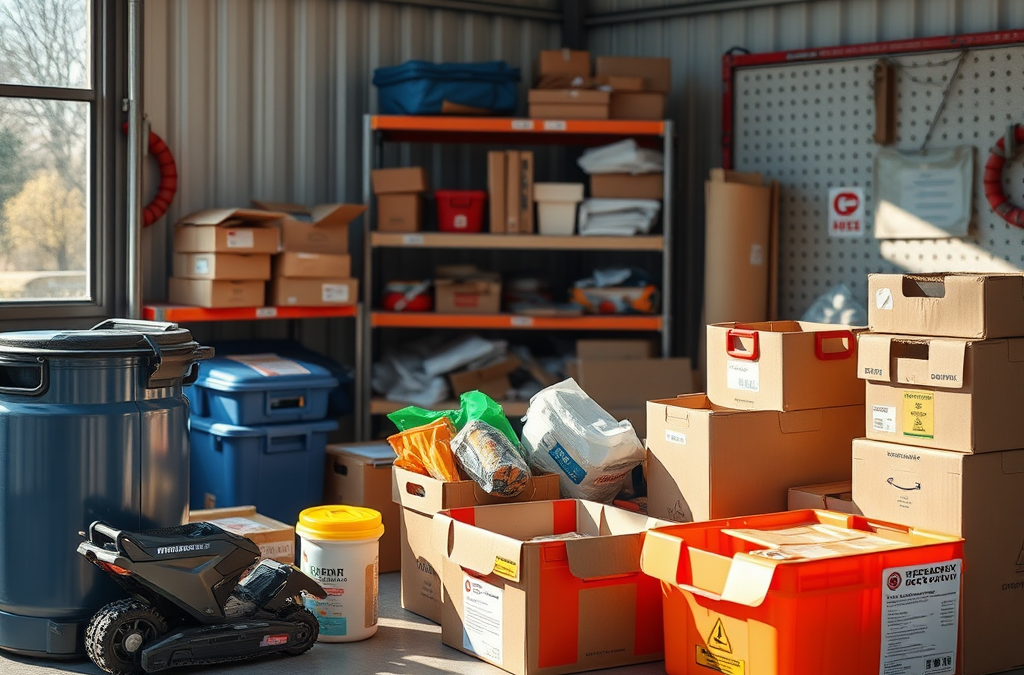
Tracking emergency supplies is crucial for ensuring readiness during unforeseen situations. An organized system helps you know what you have, what needs replenishing, and ensures that all items are within their usable dates. The importance of this system extends beyond just personal preparedness; it can also be vital for family safety and community resilience in larger-scale emergencies.
When supplies are properly tracked, you mitigate risks associated with expired products, wasted resources, and unexpected shortages. For instance, during natural disasters, having a reliable inventory can mean the difference between being well-prepared or scrambling for essential items at the last minute. This proactive approach allows for a strategic response when emergencies arise.
Setting Up Your Inventory System
To create an effective tracking system, start by categorizing your emergency supplies. Common categories include food, water, medical supplies, tools, and personal hygiene items. Once categorized, you can choose a method for tracking, such as a spreadsheet, a dedicated app, or a physical logbook. Each method has its advantages; digital options allow for easy updates and sharing, while physical logs can be more accessible during power outages.
For each item, record essential details such as the quantity, expiration date, and location within your storage area. This level of detail is critical for ensuring that nothing is overlooked. For instance, if you have multiple storage bins, knowing which item is in which bin can save time and reduce stress in an emergency scenario.
Regular Maintenance and Updates
Regularly updating your inventory is vital for maintaining an effective tracking system. Establish a routine check—monthly or quarterly—to review your supplies. During these checks, verify that all items are in good condition and replace any that are expired or damaged. This process not only keeps your inventory accurate but also reinforces your preparedness mindset.
Consider setting reminders for these checks, either digitally or on a calendar. Additionally, after each use of any supplies, update your inventory immediately. This ensures that your records are always current and minimizes the risk of unexpected shortages. For instance, if you use a first-aid kit during a minor injury, replace the items used right away to maintain readiness.
Common Mistakes to Avoid
Many individuals make common mistakes when creating and maintaining their emergency supply tracking systems. One major pitfall is neglecting to update the inventory regularly, which can lead to using expired items or being unaware of shortages. Another mistake is failing to categorize supplies properly, resulting in confusion about what is available when it is needed most.
Another frequent oversight is not involving all household members in the system. Educating everyone about the inventory and its importance ensures collective responsibility and awareness. In closing, relying solely on memory instead of a documented system can lead to gaps in preparedness. Always have a tangible record that can be referenced quickly.
Frequently Asked Questions
What items should I include in my emergency supply inventory?
Your inventory should include food, water, first aid supplies, tools, clothing, and hygiene products.
How often should I check my emergency supplies?
It is recommended to check your emergency supplies at least once every three months.
What is the best way to track emergency supplies?
The best way to track supplies is by using a combination of digital apps and physical logs for easy access.
How can I ensure my supplies don’t expire?
Regularly update your inventory and set reminders to check expiration dates on perishable items.
What should I do if I find expired supplies?
Immediately replace expired supplies and update your inventory to reflect the changes.
Further Reading
Authoritative Sources
Ready.gov ready.gov
This site provides comprehensive resources on emergency preparedness, including inventory management
American Red Cross redcross.org
Offers guidelines for creating emergency plans and managing supplies effectively
FEMA fema.gov
Federal Emergency Management Agency provides resources and information on disaster preparedness
Conclusion
Creating a system for tracking emergency supplies is essential for effective preparedness. By categorizing, documenting, and regularly updating your inventory, you can ensure that you are ready for any situation. Avoid common pitfalls, such as neglecting updates or improper categorization, to maintain an efficient system. Take proactive steps today to enhance your readiness and peace of mind.
Community networks play a vital role in emergency preparedness by connecting individuals and groups with shared interests in safety and resilience. These networks can include neighborhood associations, local volunteer groups, and online forums where residents share information and resources. By understanding the structure and function of these networks, you can better navigate them to access valuable support.
One common mistake individuals make is underestimating the power of local connections. Many people rely solely on official channels for information during emergencies, overlooking the insights and resources that community members can provide. For example, local social media groups often share real-time updates about weather conditions, resource availability, and safety tips. Engaging with these networks allows you to stay informed and connected during critical times.
To effectively utilize community networks, start by identifying the platforms where your neighbors gather, such as Facebook groups, Nextdoor, or local forums. Participate actively by asking questions, sharing your own resources, and offering assistance to others. This reciprocal approach fosters strong relationships that can be invaluable during emergencies.
Identifying Local Agencies
Local government agencies are essential resources for emergency preparedness, providing crucial information, services, and support during crises. Begin by researching your city or county’s emergency management office, which typically oversees disaster response and preparedness efforts. This office can provide information on local hazards, evacuation routes, and emergency plans.
Additionally, familiarize yourself with other relevant agencies, such as public health departments, fire departments, and law enforcement. These agencies often have dedicated personnel and resources focused on emergency preparedness and can guide you on specific local issues, such as health advisories or fire safety measures. It’s important to understand the roles these agencies play and how they can assist you during an emergency.
One effective method to stay informed is to subscribe to alerts from local agencies. Many municipalities offer email or text alerts for emergencies, allowing you to receive timely updates directly. Regularly check the agency websites for information on upcoming training sessions, community drills, and preparedness resources that can enhance your readiness.
Utilizing Online Resources
The internet is a valuable tool for identifying local resources for emergency preparedness. Numerous websites provide information on local hazards, preparedness tips, and resources available in your area. Start by visiting the official website of your local government, where you can typically find a dedicated section on emergency management.
In addition to government resources, nonprofit organizations focused on disaster preparedness, such as the American Red Cross, offer online tools and resources tailored to individuals and families. These organizations often provide checklists, emergency plans, and training opportunities that can enhance your preparedness efforts.
Online platforms such as social media and community forums can also serve as excellent sources of information. By following local agencies and community groups on platforms like Twitter or Facebook, you can receive real-time updates and engage with others in your area who are also focused on preparedness. However, it’s essential to verify the credibility of the sources you rely on to avoid misinformation.
Engaging with Local Organizations
Local organizations, including nonprofits and volunteer groups, are invaluable resources for emergency preparedness. These groups often have established relationships with local agencies and can provide insight into available resources, training opportunities, and community events focused on preparedness.
To effectively engage with these organizations, start by identifying those that align with your interests or needs. For instance, if you are concerned about health emergencies, seek out local health organizations that offer training in first aid or CPR. Attend community meetings or events hosted by these groups to connect with others who share your commitment to preparedness.
One common pitfall is failing to follow up after initial engagement. Building strong relationships with local organizations takes time and ongoing communication. Consider volunteering your time or skills to contribute to their efforts, which can deepen your connection and provide you with access to valuable resources and information.
Frequently Asked Questions
How can I find out about local emergency services?
Visit your local government website or contact your city or county's emergency management office for information on available emergency services.
What role do community organizations play in emergency preparedness?
Community organizations provide training, resources, and support, helping residents connect and prepare for emergencies together.
How can social media help with emergency preparedness?
Social media allows you to connect with local groups and receive real-time updates from agencies and community members during emergencies.
Why is it important to engage with local agencies?
Engaging with local agencies ensures you have access to accurate information, resources, and support tailored to your community's specific needs during emergencies.
Further Reading
Authoritative Sources
Ready.gov ready.gov
This site offers comprehensive information on emergency preparedness, including resources for communities and individuals.
American Red Cross redcross.org
A leading organization in disaster preparedness, providing training and resources to help individuals prepare for emergencies.
FEMA fema.gov
The Federal Emergency Management Agency offers resources for individuals and communities on disaster preparedness and response.
National Voluntary Organizations Active in Disaster (NVOAD) nvoad.org
This organization coordinates the efforts of various volunteer organizations involved in disaster response and preparedness.
Further Reading
Authoritative Sources
Ready.gov Preparedness Guidance ready.gov
Federal preparedness guidance for household planning, alerts, supplies, and emergencies
American Red Cross Emergency Preparedness redcross.org
Emergency preparedness resources for families, disasters, and practical safety planning
FEMA Preparedness Resources fema.gov
National preparedness resources for planning, mitigation, and response readiness
Conclusion
Identifying local resources for emergency preparedness is essential for ensuring safety and resilience in your community. By actively engaging with community networks, local agencies, and organizations, you can create a robust support system that enhances your preparedness efforts. Prioritize building relationships and staying informed to effectively navigate emergencies, empowering yourself and those around you to respond effectively when it matters most.
Assessing Vulnerabilities: Understanding Your Home’s Risks
Before you can effectively prepare your home for extreme weather events, it’s crucial to assess the specific vulnerabilities your property may face. This includes evaluating the geographic location, structural integrity, and surrounding environment. For instance, homes in flood-prone areas should consider flood-resistant features, while those in hurricane zones may need stronger roofing and window reinforcements.
Start by identifying potential risks such as flooding, high winds, wildfires, or heavy snowfall. Check your local history for patterns of extreme weather and consider consulting with local authorities or disaster preparedness organizations for insights. Understanding these risks will guide your preparation strategy, ensuring you focus on the most relevant hazards.
Common mistakes include underestimating the severity of potential weather events or neglecting to account for changes in climate patterns. Prioritize a thorough evaluation of your home’s weaknesses and be proactive in addressing them.
Reinforcing Structures: Building Resilience
Once you have assessed your home’s vulnerabilities, the next step is to reinforce its structures to withstand extreme weather conditions. This may involve several modifications depending on the types of threats you’re preparing for.
For example, if you live in a hurricane-prone area, installing storm shutters can protect windows from flying debris. Adding a roof strap can help secure the roof to the walls of your home, reducing the risk of roof failure. In flood zones, elevating the home’s foundation or utilizing flood barriers can significantly mitigate water damage.
Moreover, ensuring that your landscaping is designed to manage stormwater effectively can prevent flooding. This might include grading the land away from your home, planting absorbent vegetation, or creating drainage systems. Remember, each reinforcement should be tailored to the specific threats your home faces.
Emergency Supplies: What You Need
Having the right emergency supplies is essential when preparing your home for extreme weather events. Begin by creating an emergency kit that includes basic necessities such as food, water, medications, and first aid supplies. Aim for at least a three-day supply for each family member.
Other important items to include are flashlights, batteries, a battery-powered radio, and personal hygiene products. Don’t forget to pack important documents in a waterproof container, as these may be critical in the aftermath of a disaster.
Regularly check and update your emergency supplies, especially food and medications, to ensure they remain usable and relevant. A common mistake is to create a kit once and forget about it, which can lead to expired items or missing essentials when an emergency arises.
Creating a Family Emergency Plan
A well-thought-out family emergency plan is vital for ensuring everyone knows what to do during extreme weather events. Start by discussing potential scenarios with all family members, making sure everyone understands the risks and the steps to take in each situation.
Establish meeting points, communication methods, and evacuation routes. It’s also wise to designate a contact person outside your area who can help relay information if you get separated. Practicing your plan through drills can help reinforce these actions and ensure everyone feels confident in their roles.
families overlook the importance of practicing their emergency plan. Regular drills help familiarize everyone with the procedures, making it easier to respond calmly during an actual event.
For additional resources on preparing your home for extreme weather events, consider visiting reputable organizations such as the Federal Emergency Management Agency (FEMA) or local emergency management offices. These sources provide valuable information on disaster preparedness and recovery.
Frequently Asked Questions
What types of extreme weather should I prepare for?
Consider preparing for floods, hurricanes, tornadoes, wildfires, and severe winter storms based on your geographical location.
How can I assess my home's vulnerabilities?
Evaluate your home's location, structural integrity, and past weather events to identify potential risks.
What should be included in an emergency kit?
Your emergency kit should include food, water, medications, first aid supplies, flashlights, and important documents.
How often should I update my emergency supplies?
Regularly check and update your emergency supplies, especially food and medications, at least once a year.
Why is a family emergency plan important?
A family emergency plan ensures that everyone knows their role and what to do during extreme weather events, enhancing safety.
Further Reading
Authoritative Sources
Library of Congress Research Guides guides.loc.gov
Research guides that help readers locate reliable background sources on a wide range of subjects
USA.gov Official Information and Services usa.gov
Official U.S. government information and public resources for practical reference
Google Scholar scholar.google.com
Academic search resource for finding research literature and source material
Conclusion
Preparing your home for extreme weather events requires a comprehensive approach that includes assessing risks, reinforcing structures, stocking emergency supplies, and creating a family plan. By taking these proactive steps, you can enhance your safety and resilience against unpredictable weather patterns. Regularly review your preparations to adapt to changing conditions and ensure your family is ready to respond effectively when needed.
Understanding the Importance of Language in Emergencies
Language plays a critical role in emergency communication, as clear and accurate information can save lives. In situations of crisis, the ability to communicate effectively with diverse populations is essential. Miscommunication can lead to confusion, panic, and even dangerous situations, especially when individuals do not speak the dominant language of the area. Acknowledging and addressing language barriers is not just a matter of efficiency; it is a matter of public safety.
During emergencies, language barriers can manifest in various ways. For instance, first responders may struggle to convey evacuation instructions to non-English speakers. Similarly, individuals who do not understand emergency alerts may miss crucial information that could impact their safety. Therefore, understanding the demographics of a community and the languages spoken is vital for effective emergency preparedness and response.
Effective Communication Strategies
Implementing effective communication strategies is essential for overcoming language barriers in emergency situations. One key approach is to develop multilingual materials that provide emergency information in the most commonly spoken languages within the community. This includes flyers, brochures, and digital content that outline emergency procedures, evacuation routes, and safety tips.
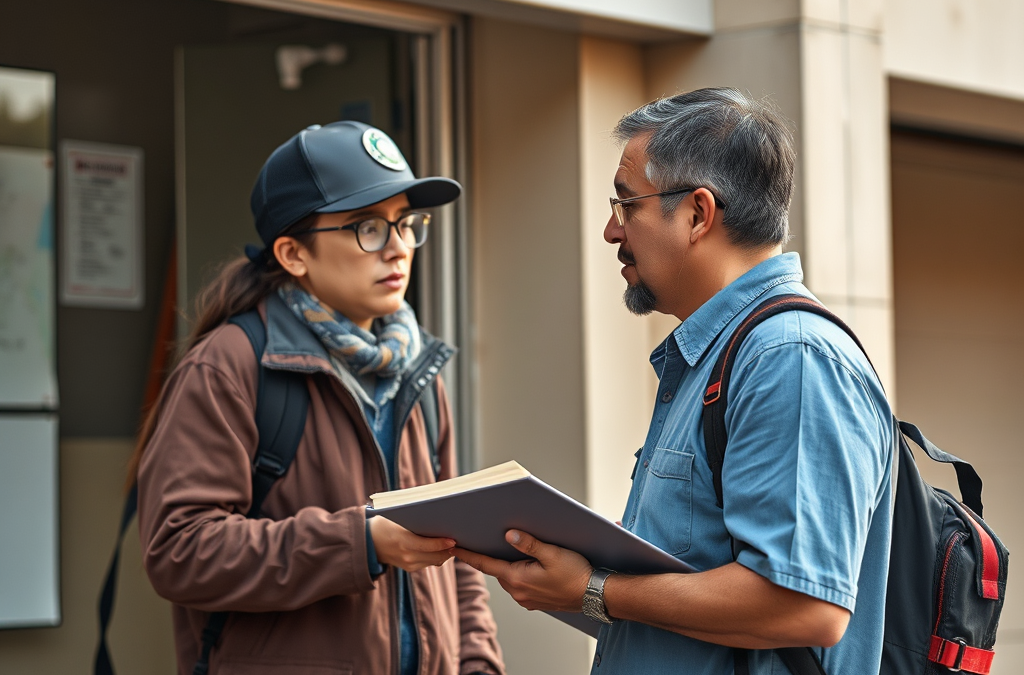
Another method is to establish partnerships with local organizations that serve diverse populations. These organizations can assist in disseminating information and ensuring that it is culturally relevant and accessible. Additionally, engaging bilingual volunteers during emergencies can enhance communication efforts and provide immediate support to non-English speakers. This grassroots approach not only fosters community relationships but also builds trust, which is crucial during emergencies.
Leveraging Technology for Translation
Technology offers innovative solutions for addressing language barriers during emergencies. One of the most effective tools is real-time translation services, which can be utilized during emergency calls or public announcements. Mobile applications and software can facilitate instant translation, allowing first responders to communicate vital information without delay.
Another technological advancement is the use of automated alerts that can be sent in multiple languages. These alerts can be disseminated through various channels such as text messages, social media, and public broadcasting systems. Ensuring that these systems are in place before an emergency occurs can significantly improve communication efficiency.
Training and Community Involvement
Training first responders in cultural competence and language sensitivity is crucial for effective emergency communication. This training should include understanding the cultural backgrounds of the communities they serve and the potential challenges faced by non-English speakers. By equipping responders with the skills to navigate these barriers, they can provide more effective assistance during emergencies.
Community involvement is equally important. Engaging local residents in emergency preparedness planning can help identify potential language barriers and develop tailored solutions. Community drills that include diverse populations can also help assess communication strategies and identify areas for improvement. By fostering a collaborative approach, emergency management can become more inclusive and effective.
Frequently Asked Questions
What are some common language barriers in emergencies?
Common language barriers include the inability to understand emergency instructions, alerts, and safety procedures, which can lead to confusion and danger.
How can technology help address language barriers?
Technology can provide real-time translation services, automated alerts in multiple languages, and mobile applications to facilitate communication during emergencies.
Why is community involvement important in emergency communication?
Community involvement ensures that emergency plans are culturally relevant and effective, helping to identify language barriers and tailor communication strategies accordingly.
What role do bilingual volunteers play in emergencies?
Bilingual volunteers can assist first responders by providing immediate translation and support to non-English speakers, enhancing communication and safety.
How can first responders improve their communication skills?
First responders can improve their communication skills through training in cultural competence, language sensitivity, and understanding the demographics of the communities they serve.
Further Reading
Authoritative Sources
Communicating in a Crisis ready.gov
This resource outlines effective communication strategies for emergencies, including addressing language barriers
FEMA Guidance on Communication fema.gov
This guidance provides insights on how to effectively communicate with individuals from diverse backgrounds during emergencies
American Red Cross Preparedness redcross.org
The Red Cross offers resources on emergency preparedness that include communication strategies for diverse populations
Conclusion
Addressing language barriers in emergency communication is essential for ensuring public safety and effective response. By implementing multilingual resources, leveraging technology, and training responders, communities can significantly improve their emergency preparedness. Engaging local organizations and residents fosters collaboration and trust, enhancing the overall communication strategy. Moving forward, prioritizing these efforts will lead to safer, more inclusive responses during crises.
Understanding Transportation Challenges in Disasters
Transportation challenges during disasters can severely hinder relief efforts and evacuation processes. Natural disasters such as hurricanes, floods, and wildfires can lead to blocked roads, damaged infrastructure, and increased traffic congestion. Additionally, the unpredictability of these events makes it crucial for individuals and communities to plan proactively. Understanding the risks associated with transportation during a disaster helps in developing strategies to mitigate these challenges.
One key aspect to consider is the geographical layout of the area. For instance, urban environments may have more alternative routes compared to rural areas, where fewer roads can lead to isolation. Furthermore, understanding the typical weather patterns can inform the timing of evacuations, as certain conditions may exacerbate transportation difficulties. Recognizing these elements is vital for effective disaster planning.
Creating an Effective Evacuation Plan
An effective evacuation plan is a cornerstone of managing transportation challenges during disasters. This plan should outline clear routes, identify safe zones, and designate transportation methods. Begin by mapping out multiple evacuation routes to account for potential road closures. It is essential to consider factors such as traffic flow, accessibility, and distance when selecting these routes.
Moreover, involving local authorities in the planning process can provide insights into real-time conditions and available resources. Regular drills and community meetings can help familiarize residents with the plan, ensuring everyone understands their roles and responsibilities during an emergency. A well-communicated evacuation plan enhances community resilience and facilitates smoother evacuations.
Vehicle Readiness and Maintenance
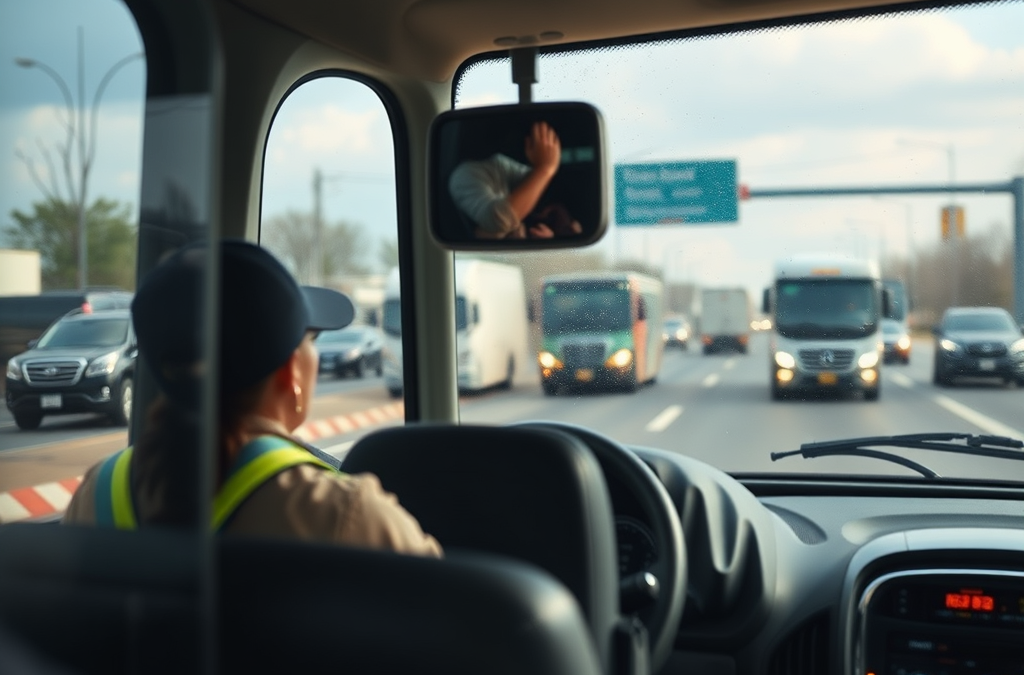
Ensuring vehicle readiness is critical for effective transportation during disasters. Regular maintenance checks should include inspecting tires, brakes, fluid levels, and fuel efficiency. It is advisable to keep at least half a tank of fuel at all times, as fuel stations may be inaccessible during emergencies. Additionally, consider equipping vehicles with emergency supplies such as first aid kits, non-perishable food, water, and flashlights.
Another critical aspect is knowing how to operate your vehicle in various conditions. For instance, driving through flooded areas can be dangerous; understanding the depth of water and vehicle capabilities can prevent accidents. Community workshops on vehicle safety and emergency driving techniques can empower residents to handle transportation challenges more effectively.
Establishing Communication Networks
Effective communication is vital during disasters, especially regarding transportation updates. Establishing a reliable communication network can help disseminate information about road conditions, evacuation orders, and available transportation resources. Utilize social media platforms, community apps, and local radio stations to share updates quickly and efficiently.
Additionally, consider creating a community emergency contact list that includes local authorities, emergency services, and neighborhood coordinators. This network can facilitate quick responses to transportation challenges and ensure that everyone is informed of the latest developments. Encouraging residents to stay connected and informed can significantly improve community resilience during crises.
Frequently Asked Questions
What are common transportation challenges during disasters?
Common challenges include road closures, traffic congestion, and damaged infrastructure, which can hinder evacuation and relief efforts.
How can I prepare my vehicle for a disaster?
Regular maintenance, keeping fuel levels adequate, and equipping your vehicle with emergency supplies are crucial for disaster readiness.
Why is communication important during a disaster?
Effective communication provides updates on evacuation orders and road conditions, helping individuals make informed decisions during crises.
What should be included in an evacuation plan?
An evacuation plan should include multiple routes, safe zones, transportation methods, and designated meeting points for family members.
How can communities improve transportation during disasters?
Communities can improve transportation by developing comprehensive evacuation plans, conducting drills, and establishing communication networks for real-time updates.
Further Reading
Authoritative Sources
Evacuating Your Home ready.gov
This resource provides essential information on how to prepare for evacuations, including transportation tips during emergencies
Emergency Preparedness redcross.org
The Red Cross offers comprehensive guides on preparing for various types of disasters, emphasizing transportation planning
Federal Emergency Management Agency (FEMA) fema.gov
FEMA provides resources and guidelines for disaster preparedness, including transportation strategies during emergencies
Conclusion
Planning for transportation challenges during disasters requires a proactive approach involving community collaboration, effective communication, and vehicle readiness. By creating a comprehensive evacuation plan, maintaining vehicles, and establishing reliable communication networks, individuals and communities can enhance their resilience during emergencies. Prioritizing these strategies ensures that transportation challenges are managed effectively, ultimately safeguarding lives and facilitating recovery efforts.
Find the gaps most families don’t notice until something goes wrong.
Free. Practical. No fear-mongering.
By requesting this resource, you agree to receive practical PREPARE Magazine guides, tools, and email updates. You can unsubscribe anytime. Privacy Policy