
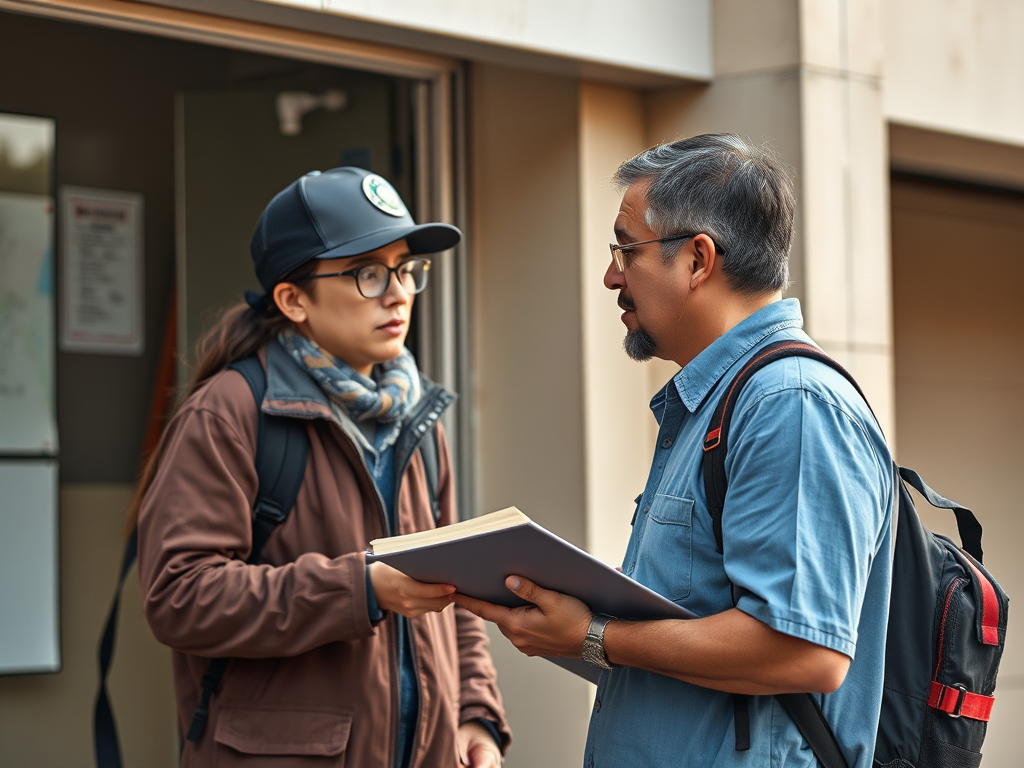
To effectively address language barriers in emergency communication, it is essential to implement multilingual resources and leverage technology for real-time translation. This can include creating emergency materials in the languages most spoken within the community and utilizing apps or devices that facilitate instant translation. Training first responders in cultural competence is also vital, as it equips them to communicate more effectively with diverse populations. Engaging local organizations and bilingual volunteers can further enhance outreach and ensure that critical information is accurately conveyed, ultimately improving public safety during emergencies.
Understanding the Importance of Language in Emergencies
Language plays a critical role in emergency communication, as clear and accurate information can save lives. In situations of crisis, the ability to communicate effectively with diverse populations is essential. Miscommunication can lead to confusion, panic, and even dangerous situations, especially when individuals do not speak the dominant language of the area. Acknowledging and addressing language barriers is not just a matter of efficiency; it is a matter of public safety.
During emergencies, language barriers can manifest in various ways. For instance, first responders may struggle to convey evacuation instructions to non-English speakers. Similarly, individuals who do not understand emergency alerts may miss crucial information that could impact their safety. Therefore, understanding the demographics of a community and the languages spoken is vital for effective emergency preparedness and response.
Effective Communication Strategies
Implementing effective communication strategies is essential for overcoming language barriers in emergency situations. One key approach is to develop multilingual materials that provide emergency information in the most commonly spoken languages within the community. This includes flyers, brochures, and digital content that outline emergency procedures, evacuation routes, and safety tips.
Another method is to establish partnerships with local organizations that serve diverse populations. These organizations can assist in disseminating information and ensuring that it is culturally relevant and accessible. Additionally, engaging bilingual volunteers during emergencies can enhance communication efforts and provide immediate support to non-English speakers. This grassroots approach not only fosters community relationships but also builds trust, which is crucial during emergencies.
Leveraging Technology for Translation
Technology offers innovative solutions for addressing language barriers during emergencies. One of the most effective tools is real-time translation services, which can be utilized during emergency calls or public announcements. Mobile applications and software can facilitate instant translation, allowing first responders to communicate vital information without delay.
Another technological advancement is the use of automated alerts that can be sent in multiple languages. These alerts can be disseminated through various channels such as text messages, social media, and public broadcasting systems. Ensuring that these systems are in place before an emergency occurs can significantly improve communication efficiency.
Training and Community Involvement
Training first responders in cultural competence and language sensitivity is crucial for effective emergency communication. This training should include understanding the cultural backgrounds of the communities they serve and the potential challenges faced by non-English speakers. By equipping responders with the skills to navigate these barriers, they can provide more effective assistance during emergencies.
Community involvement is equally important. Engaging local residents in emergency preparedness planning can help identify potential language barriers and develop tailored solutions. Community drills that include diverse populations can also help assess communication strategies and identify areas for improvement. By fostering a collaborative approach, emergency management can become more inclusive and effective.
Frequently Asked Questions
What are some common language barriers in emergencies?
Common language barriers include the inability to understand emergency instructions, alerts, and safety procedures, which can lead to confusion and danger.
How can technology help address language barriers?
Technology can provide real-time translation services, automated alerts in multiple languages, and mobile applications to facilitate communication during emergencies.
Why is community involvement important in emergency communication?
Community involvement ensures that emergency plans are culturally relevant and effective, helping to identify language barriers and tailor communication strategies accordingly.
What role do bilingual volunteers play in emergencies?
Bilingual volunteers can assist first responders by providing immediate translation and support to non-English speakers, enhancing communication and safety.
How can first responders improve their communication skills?
First responders can improve their communication skills through training in cultural competence, language sensitivity, and understanding the demographics of the communities they serve.
Conclusion
Addressing language barriers in emergency communication is essential for ensuring public safety and effective response. By implementing multilingual resources, leveraging technology, and training responders, communities can significantly improve their emergency preparedness. Engaging local organizations and residents fosters collaboration and trust, enhancing the overall communication strategy. Moving forward, prioritizing these efforts will lead to safer, more inclusive responses during crises.
Additional Resources
Authoritative Sources
- American Red Cross Emergency Preparedness
redcross.orgPractical emergency preparation, safety, and supply guidance for households.