
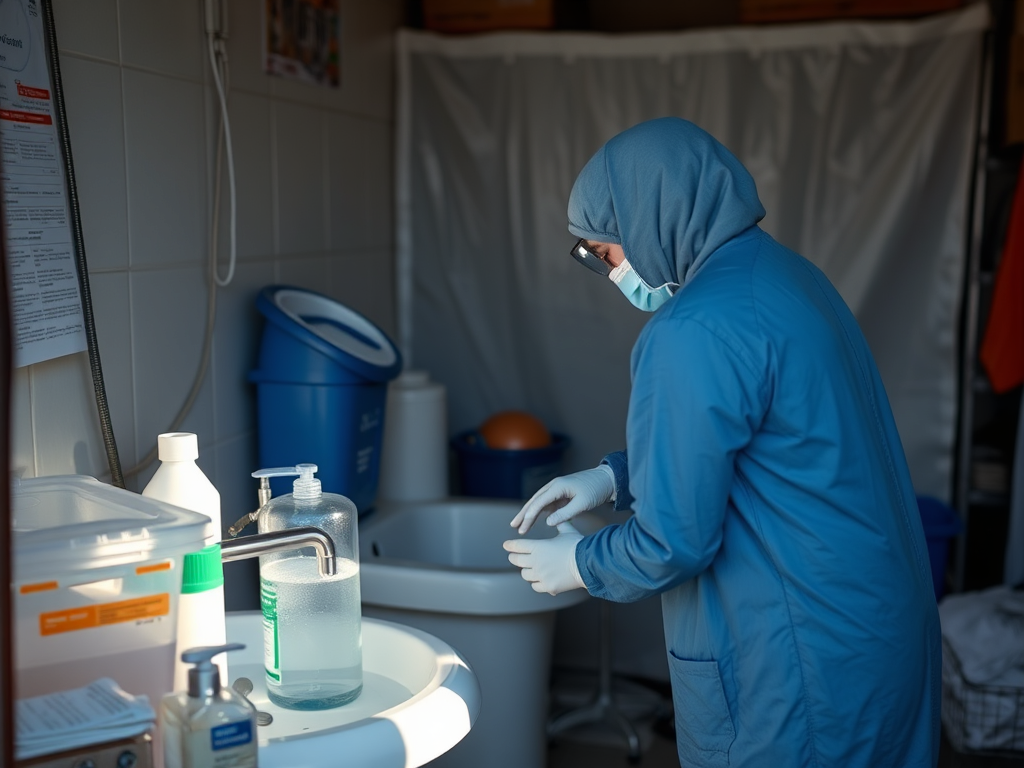
Maintaining hygiene in long-term emergencies requires consistent practices such as proper waste disposal, clean water access, and personal cleanliness. To ensure health, regularly sanitize surfaces, manage human waste effectively, and use biodegradable products when possible. Common mistakes include neglecting waste management and assuming all water sources are safe. Prioritizing hygiene can prevent disease outbreaks and promote overall well-being during extended crises.
Understanding the Importance of Hygiene
Maintaining hygiene during long-term emergencies is vital for preventing disease and ensuring the health of individuals and communities. Emergencies can disrupt regular sanitation services, making it essential to adopt proactive hygiene measures. Poor hygiene can lead to outbreaks of diseases such as cholera, dysentery, and other infections that thrive in unsanitary conditions. Understanding the risks associated with neglecting hygiene is crucial for survival and overall well-being during extended crises.
In crisis situations, individuals often face challenges such as limited resources and overcrowded living conditions. These factors can exacerbate the spread of infections. Therefore, establishing effective hygiene practices is not just beneficial; it is necessary for sustaining health and preventing widespread illness. Prioritizing hygiene helps maintain morale and stability in chaotic environments, promoting a sense of normalcy amid the turmoil.
Essential Hygiene Practices
Effective hygiene practices are essential in long-term emergencies to minimize the risk of illness. First and foremost, personal cleanliness must be prioritized. Regular handwashing with soap and clean water is the most effective way to prevent the transmission of pathogens. Individuals should wash their hands before eating, after using the toilet, and after handling waste. In situations where soap is unavailable, a hand sanitizer containing at least 60% alcohol can be used as an alternative.
Another critical aspect is maintaining clean living areas. Regularly cleaning surfaces with disinfectants can significantly reduce the risk of infections. Create a routine for cleaning shared spaces, especially in communal living conditions, to ensure all areas remain sanitary. This includes kitchens, bathrooms, and sleeping areas.
Additionally, using personal hygiene products such as sanitary pads or wipes can help maintain cleanliness, especially for women. Ensuring that these products are included in emergency kits can greatly impact comfort and hygiene.
Waste Management Strategies
Effective waste management is crucial for maintaining hygiene in long-term emergencies. Improper waste disposal can lead to contamination of water sources and attract pests, exacerbating health risks. Establishing clear protocols for waste disposal is essential. This includes segregating waste into biodegradable and non-biodegradable categories to facilitate proper disposal.
In areas without access to traditional waste management services, create makeshift latrines or composting toilets to manage human waste safely. Ensure these facilities are located away from water sources to prevent contamination. Regularly emptying and cleaning these facilities helps minimize health risks.
Moreover, educating individuals on the importance of waste management can foster a culture of responsibility. Encourage community participation in keeping living areas clean and implementing waste disposal strategies. This not only enhances hygiene but also strengthens community bonds during difficult times.
Water Safety in Emergencies
Access to clean water is one of the most significant challenges in long-term emergencies. Contaminated water can lead to severe health issues, making it essential to prioritize water safety. First, identify safe water sources, such as bottled water or treated water. If water quality is uncertain, boiling water for at least one minute is an effective method to kill pathogens.
Additionally, using water purification tablets or filters can provide an extra layer of safety for drinking water. It is critical to educate individuals about recognizing safe water and the dangers of consuming untreated water. Regularly testing water quality, if possible, can help ensure safety and prevent illness.
Furthermore, storing water in clean, safe containers is essential. Avoid using containers that previously held chemicals or non-food substances, as this can lead to contamination. Labeling water storage containers can help prevent accidental consumption of unsafe water.
For additional information on maintaining hygiene during long-term emergencies, consider reviewing resources from reputable organizations such as the World Health Organization (WHO) and the Centers for Disease Control and Prevention (CDC). These organizations provide guidelines and best practices for hygiene and sanitation in crisis situations.
Frequently Asked Questions
What are the main hygiene practices during emergencies?
Key hygiene practices include regular handwashing, cleaning living spaces, and safe waste disposal to prevent disease spread.
How can I ensure water safety in an emergency?
Ensure water safety by using bottled or treated water, boiling water, and employing purification tablets or filters when necessary.
What should I include in a hygiene kit for emergencies?
A hygiene kit should contain soap, hand sanitizer, sanitary products, disinfectants, and wipes for personal cleanliness.
Why is waste management important in emergencies?
Effective waste management prevents contamination of water sources and reduces the risk of disease outbreaks in crowded living conditions.
How can communities promote hygiene awareness during crises?
Communities can promote hygiene awareness through education, group discussions, and organizing clean-up initiatives to foster responsibility.
Conclusion
Maintaining hygiene in long-term emergencies is crucial for health and safety. By prioritizing personal cleanliness, effective waste management, and water safety, individuals can significantly reduce the risk of disease outbreaks. Communities should work together to establish hygiene protocols and educate each other on best practices. Taking these proactive steps not only ensures survival but also fosters a sense of community and resilience during challenging times.