by PREPARE | Apr 5, 2025 | Blog, Guest Bloggers
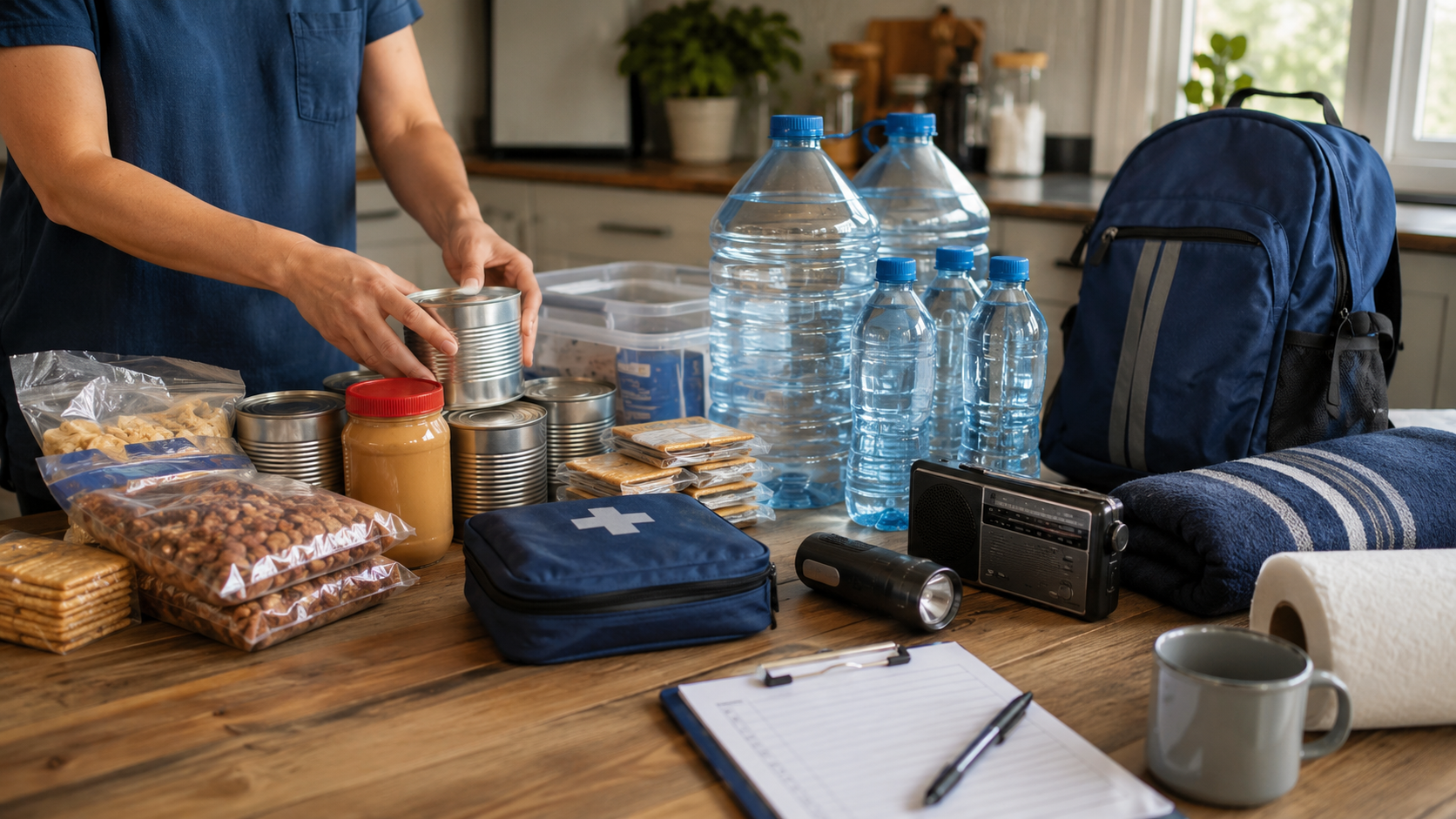
In a preparedness lifestyle, preparing beyond your storage food is essential.
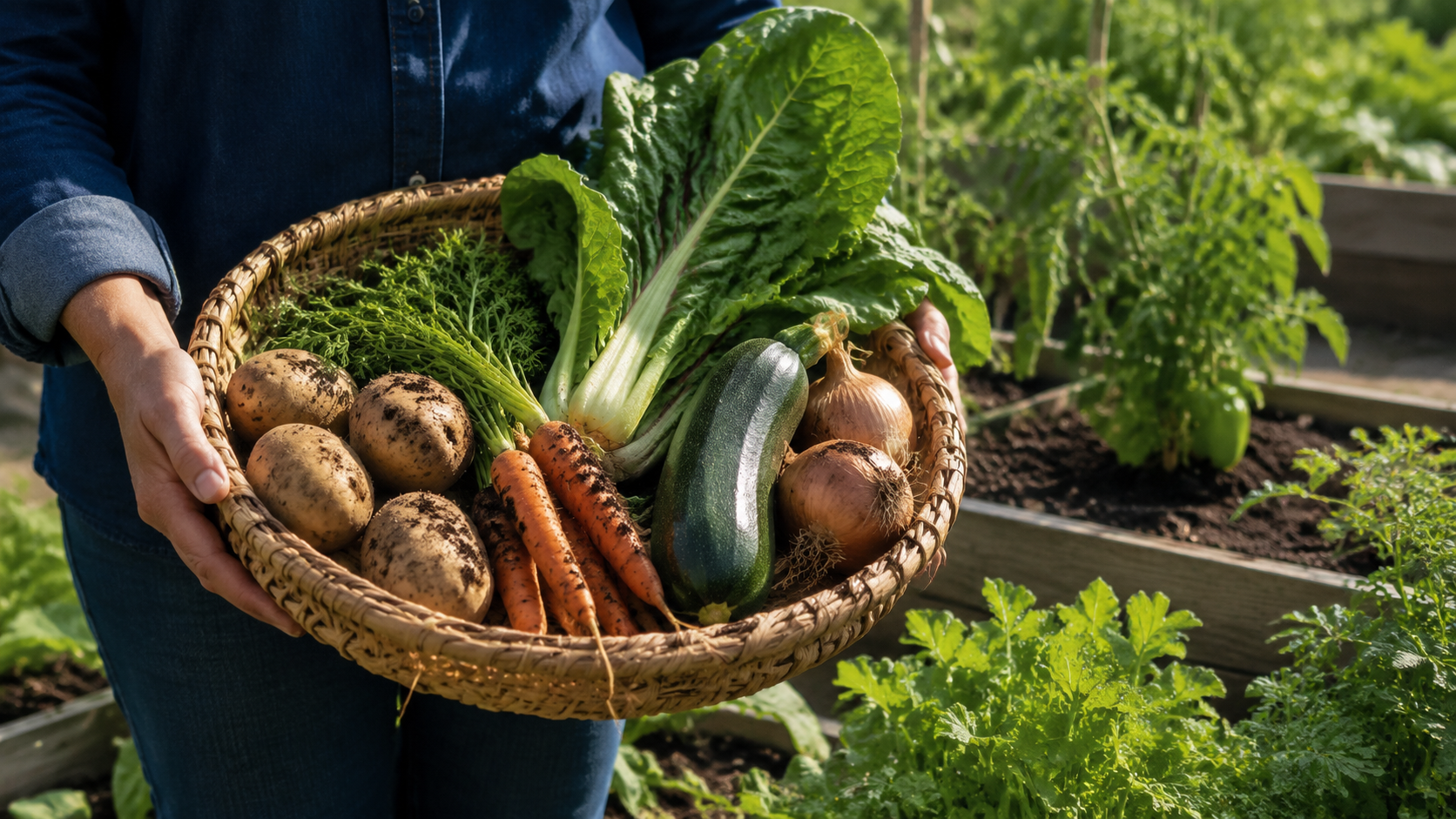
With today’s economy and food borne illnesses a very real possibility, many people are wisely turning to backyard gardening to help with their food supply. For some families it has become a necessity, while for others it is basically a productive hobby. From an economics standpoint, not to mention health perspective, raising your own vegetables just makes excellent sense even at a very small level.
Of course, everyone has a different level of understanding and experience when it comes to growing food. Some people give-up any thoughts of planting crops because they immediately picture a task that is overwhelming and beyond their resources.
The truth is, you do not need acres of land or tons of garden soil to get started. In fact, if planned properly the time and effort required to grow vegetables to feed your family is fairly minimal. For people who are making preparations for potential difficulties ahead, the benefit is certainly worthy of the time investment.
Another key point that needs to be emphasized is the nutritional consumption element. Ready meals that are typically used as emergency food storage, typically do not have the nutritional value that our bodies need to function properly. They are okay for a short-term food supply, but are probably not the best solution for lengthy consumption. Many of the “ready meals” are high in salt and other preservatives that help with the storage, but give no benefit to our bodies health. In reality, our bodies are not getting the live nutrients that we need to stay healthy. Growing live vegetables will help give us nutrients that are required for us to function at peak performance.
With that said, let’s discuss some growing solutions to supplement your food supply!
It is that time of year again, seedlings are being displayed and pallets of potting mix are everywhere you turn when visiting your local home and garden store. So how do you get started? What vegetables grow best and where, and what skills do you need? Virtually any type of vegetable can be grown anywhere and if you can handle a trowel, you have the skills needed. Let nature do all the heavy lifting.
Below is a list of vegetables that can be grown on a patio, in a backward planter, a cultivated section of the backyard, or even grown in random pots.
- Tomatoes Can Be Grown In Pots Or Sow Directly In Well Cultivated Soil
- Bell Peppers
- Herbs Such As Parsley Chives Dill Tarragon And many Others In Planter Boxes Pots Or Sown Directly Into The Garden Plot
- Hot Peppers Of All Types To Include Jalapenos And Cayenne
The list is by no means comprehensive. Use your imagination and you can grow anything practically anywhere. What do you need to get started? First, you need a sunny location. Vegetables, unlike certain flowers thrive in full sunlight; in fact, they need at least six to eight hours of direct sun daily.
Tomato plants in particular suffer low yields and the plants become “leggy” if they do not get enough sun. What happens is the plant in its effort to reach sunlight will grow long stems void of foliage. The plant will grow tall but will have a very limited yield. The plants are weaker and will be more susceptible to pests and disease. Tomatoes need at least six hours of sunlight daily. The plants also need up to two inches of water weekly.
Tomato plants are self-pollinating (do not need bees for pollination) so they are very popular for patios and even sun-rooms. The plant produces both the male and female blossoms. If the plants are grown in an enclosed area, you will need to shake the plants gently once the plant shows blossoms. Shaking allows the pollen to fall from one blossom to another. If planted outside nature handles this by providing a breeze from time to time. Cucumbers squash, and various other plants will need active bees to ensure pollination.
Tomatoes and cucumbers need warm soil and balmy nights. It is not advisable to transplant until the average nighttime temperature is above 50 degrees Fahrenheit or 10 degrees Celsius. Tomato plants if started indoors will need to be slowly introduced to the outdoors. Place the plants outdoors for a few hours daily, until ready to plant in the ground. This hardens the plants by exposing them to varying temperatures and breezes. The tomato plant senses the change. Soon it will begin to grow thicker stems to store and transport water and to support the plant. Plants that are not hardened have less of a chance of surviving.
When transplanting, bury as much of the plant as you can. Some experts say 80 percent of the plant should be buried. This ensures strong stems and heavy foliage. To produce larger tomatoes, some gardeners prune their plants. This allows the plant to direct more nutrients and water into each fruit. This reduces the yield but produces larger tomatoes.
To grow organically you should have a compost pile. Compost is simply the decomposition process of organic material. Household scraps such as overripe fruit, potato peels and so forth. However, do not compost animal waste, bones or meat. You can compost grass clippings, yard waste and so on.
The compost is a fertilizer. Mix it with top soil, peat moss or potting soil. You can also mulch with it around the base of the plants to inhibit weed growth and to retain moisture. Herbs such as dill, garlic and even green onions act as a natural pest repellent. You can plant these herbs in any garden area to ward off plant eating pests.
Do not let any vegetables languish on the vine so to speak. Tomatoes can be picked early and they will ripen after picking. Pick cucumbers before they become too large, because they will produce more seeds and become tough when allowed to get to big. Moreover, harvesting regularly will increase the overall yield.
By: Pierce Jacobson
Pierce Jacobson is a family man who enjoys homesteading, writing, and researching food growing models. He has been studying self-reliance and preparedness systems for many years, and believes that we are heading toward difficulties that will require us to be less-dependent on the existing infrastructures. He practices and teaches his own survival skills and growing models, to help better-prepare for the days ahead.
Popular Questions
Why is preparing beyond just storing food important for my family's health?
Preparing beyond just storing food is crucial because many ready-made meals lack the nutritional value our bodies need for optimal health. These meals often contain high levels of salt and preservatives, which are not beneficial for long-term consumption. By growing your own vegetables, you can ensure a fresh supply of nutrients that support your family's well-being and overall health.
What are some easy vegetables to grow for those preparing beyond their food storage?
For those looking to supplement their food storage, starting with easy-to-grow vegetables like tomatoes, bell peppers, and various herbs is a great choice. These can be grown in pots or small garden spaces, making them accessible for anyone, regardless of their gardening experience. With just a sunny spot and some basic care, you can enjoy fresh produce right from your home.
How can I start preparing beyond my food storage if I have limited space?
If you have limited space, you can still prepare beyond your food storage by utilizing containers or vertical gardening techniques. Many vegetables, such as herbs and tomatoes, thrive in pots and can be grown on patios or balconies. Start small, and gradually expand your garden as you gain confidence and experience in growing your own food.
What skills do I need to grow my own food beyond just storing it?
You don't need extensive gardening skills to grow your own food; basic knowledge of plant care is sufficient. Understanding sunlight requirements, watering needs, and how to harvest your crops will go a long way. With a little research and practice, anyone can learn to grow vegetables and herbs that will enhance their food supply.
How does growing my own food contribute to my preparedness plan?
Growing your own food significantly enhances your preparedness plan by providing a sustainable source of fresh produce. This practice not only reduces reliance on store-bought items but also ensures that you have access to nutritious food during emergencies. Additionally, cultivating your own garden can be a rewarding hobby that contributes to your family's self-sufficiency and resilience.
by PREPARE | Apr 5, 2025 | Blog, Meet Our Contributors
Getting Kids Into the Garden
For my family, getting the 2012 garden going was NOT an easy task! We moved to follow a great opportunity and got a late start on the garden at the new place, All in all getting it ready and everything in the ground about a month later than it should have gone in. We knew it wasn’t ideal, but it’s what we had to work with.
But before getting into that, I would like to introduce my family and garden. In 2012, my wife and I and 6 kids were living in the home. At the time, their ages were 10, 8, 7, 5, 4, 1 and 3 mos. We had moved to a very rich, fertile area where the landowner generously gave us a 15×40 plot for a garden. It turned out to be some of the best soil we’ve ever grown a garden in. We planted corn, yellow/green beans, squash, watermelon, peppers, tomatoes, and other stuff I probably can’t remember. Yes, I know that sounds very “lite” on details about the garden – every avid gardener reading this wants to know the details. But this article really isn’t about gardening per se; it’s about getting kids into the garden! And besides, you are probably vastly better experienced with gardening than I am.
So, how do you get kids into the garden to become a productive asset to the family’s needs to prepare? Well, lots of ways.
Attitude. Parental attitude is really what starts the ball rolling. The parents are the ones who set the tone and atmosphere of the home. Our perspective on our children will be evident in both how we deal with them, and how they respond to us. Like a mirror, they will bounce back to us what they have received. From a Biblical perspective, we need to more fully grasp the concept from Psalm 127:3-5, that “Children are a blessing from the Lord”. As parents, do we truly look at our children as blessings? Do we see them as infinitely valuable, “fearfully and wonderfully made” and as “arrows in the hands of a mighty warrior? Or do we see them as obligations and liabilities? They may be young, but they are extremely perceptive! Our attitudes will rub off into their character as they see it in us. Your attitude towards them is the first building-block; if that is off somehow, they will know.
Praise and Recognition. First, let me say my wife has only really ever made a couple of meals that weren’t grand-slams since we’ve been married. She is a truly great cook. One of our family habits is, each night around the table, I call out those who participated in preparing the meal. So, when they were very young and just my wife was doing the cooking, I would make a point to say, “Hey guys, didn’t Mom do a great job with the dinner tonight?” to which I always got a chorus of “Yeaaaaahhhhh!”. So I would follow it up with, “How about we all thank Mom for the great job she did!” And they would all eagerly and repeatedly thank Mom. As the kids got old enough to help in the kitchen, we expanded on this to include the ones who helped with preparing the meal. Yes, it went to their heads. They loved the recognition. Year-round, we praise them and recognize their efforts for each area of the meal they worked on. It touches something inside them to be recognized for their efforts.
Now, when it came time for working in the 2012 garden, we had a foundation to build on. As the garden was being planned and planted and watered, I would again go around the evening dinner table with the usual recognitions, but then at the same time, I would bring up things like, “Hey, did anybody see any beans come up yet?” “I just can’t wait to see beans come up. Those are going to be so sweet and juicy and good.” “Who here wants to help make sure we have some good beans to eat when they’re ready?” It was unanimous, of course.
Ownership and Responsibility. I am a firm believer that if you “own” an object or a task, you’re going to take a lot more pride in your workmanship. You’re going to “make it yours”. What I found was that my kids naturally tended certain areas of the garden. Ben liked the watermelons. Amy was always in the beans and squash. Matthew was eager to take care of the corn. They all loved the garden, in general, but they took particular interest in specific plants. In our 2012 garden, this happened naturally, and I didn’t even realize it was happening at first. In our 2013 garden, we have already planned out who wants specific plants. Each kid has a “square” or two of a specific plant, and they get to “own” that square. Our extremely generous landlord has agreed to allow us a plot several times the size of our 2012 garden for 2013 and so, Lord willing, it will end up to be about a 3600 sq ft garden, which should be enough for each kid to “own” about 300 sq ft of garden to “make it theirs”. Now, before the pro gardeners reading this turn white and have visions of children leaving unkempt vines and unruly tomato stakes leaning sideways, I will say that we all “own” the garden as a family, and my wife and I will make sure that things are done properly and in order. Our 2012 garden was not exactly Eden, either; there were patches of onions and radishes which, literally, never saw the light of day because of the “enthusiasm” of certain ones who planted and tended it. Yes, we want to produce food for dinner and for storage, and we want the garden to be aesthetically appealing, but more importantly we want to instill in the kids the values that make a garden possible. The size of the tomatoes or the straightness of the rows — well, I’m not sure those will ever be in any record books. But the bedrock I’m hoping to leave in the kids is clear.
Hard Work and Reward. There were times when the kids just didn’t feel like being at the garden. The summer was brutally hot by local standards, and it’s far from the house with little neighboring shade. There were plenty of times I just didn’t feel like it either. But we needed to, and it became our “evening ritual” after dinner for all to take a walk out to the garden and see what was new. The sun was no longer hot, and they were much more open to the idea of going out to the garden. Now, I’ve done some back-breaking, blistering work in the heat of the day to make sure things were going to work, and as needed, I’ve had them work beside me in that. So they appreciated the opportunity to work in the cool of the day and make progress. In the early part of the summer, just seeing what new shoot came up or what new leaf had unfurled since the previous day was all the reward they wanted. And seeing new life like that really is remarkable! But towards the end, it gets even more exciting. Are the stems on the watermelons turning brown yet? How big are the squash getting? My wife and I needed to set some ground rules as well. For example, our 4-year old was not terribly skilled at telling the difference between a pepper that was ready to be picked and one that should still be on the plant. A lot of very tiny peppers were picked as a result. The concept of hard-work and reward is nothing new, and of course makes perfect sense to the kids, so we let the ones who had participated most in particular areas of the garden get the “first taste” of it. There are rewards for the whole family in producing the garden, in general, but there are specific, individual rewards for having been the one to work hard and take the lead in a certain area.
No matter where you are on the parenting or preparation continuum, there’s always plenty of room for improvement. If you’re having trouble motivating your kids to get involved in the garden, look for unique ways that speak to them. Lead them into it using these types of principles which help them praise & recognize the efforts of themselves and others alike, take ownership & responsibility for a particular thing, and experience the triumph of hard work & reward from that. I can’t guarantee that having the kids work in the garden will automatically result in every canning jar you own being full, but I can say for sure it stamps a layer of work-ethic into their hearts and minds, and helps them understand that being prepared, and working towards preparedness, is important.
Tom Kunz has been prepping all his adult life, long before it was popular to do so. He is married to the most wonderful woman on earth, and is a homeschooling father of 8, IT security specialist, software developer, mechanical engineer, firearms instructor, conference speaker, pianist, and composer. He specializes in providing security and communications services & support to Christians and missions agencies that work in countries which censor the internet and are openly hostile to the Gospel. His website is: http://SolidRockTechnologies.com/
Popular Questions
How can I encourage my children to participate in gardening activities?
To encourage your children to participate in gardening, start by creating a positive atmosphere around the activity. Share your excitement about the plants and involve them in the planning process, asking for their input on what to grow. Recognize their efforts during meals by praising their contributions, which can foster a sense of ownership and pride in their work. This approach not only makes gardening fun but also strengthens family bonds.
What are some effective ways to teach kids about responsibility in the garden?
Teaching kids about responsibility in the garden can be achieved by assigning them specific plants or areas to care for. Allow them to take ownership of their designated space, which encourages them to monitor growth and address any issues that arise. This hands-on experience helps them understand the importance of commitment and care in gardening. Celebrate their successes and discuss any challenges they face to reinforce their learning.
What role does parental attitude play in getting kids into gardening?
Parental attitude is crucial in getting kids interested in gardening, as children often mirror their parents’ enthusiasm. By demonstrating a positive and appreciative perspective towards gardening, you can inspire your children to engage with the activity. Share your excitement about the plants and the process, and involve them in discussions about the benefits of gardening. This creates a nurturing environment where children feel valued and motivated to participate.
How can I make gardening more appealing to my kids?
To make gardening more appealing to your kids, incorporate fun and interactive elements into the experience. Use colorful tools, create themed garden plots, or introduce friendly competitions to spark their interest. Additionally, involve them in the cooking process by using the vegetables they grow, which can create a tangible connection between their efforts and the meals enjoyed at the table. This not only makes gardening enjoyable but also teaches them about healthy eating.
by PREPARE | Apr 5, 2025 | Blog, Guest Bloggers
Do you have The Preparedness Mindset?
Maybe you’ve had people say something like this to you:
“You just think everybody is out to get you.”
“You’re all a bunch of camo-wearing kooks.”
“My faith will save me, I don’t need to prepare like that.”
Regardless of where you are on your preparedness journey, you’ve probably heard phrases like these. I’ve had people look at me askance and use phrases like the above, but I don’t hold it against them. Most of the time, their reaction and fear are a product of bad media influences combined with a lack of knowledge about what the “Preparedness Mindset” is.
Just what do I mean by “Preparedness Mindset”? I mean the attitude towards preparation, in its most elemental form, towards any situation that might occur. There are certain ways in which everyone, or nearly everyone, prepares. Fire safety is a great example. I don’t know the last time I was in a building or home which didn’t have a smoke-detector installed. You also see fire extinguishers prominently located and plainly marked in public buildings. By having a fire extinguisher or smoke detector, no one is saying “This building is definitely going to burn down” but they are acknowledging that there is at least the chance that it could, and should it catch fire, that the occupants will have a better chance of survival than they would have without it. In fact, this preparedness mindset towards fire is such that states and municipalities have fire codes for buildings and would charge the owners with negligence if they disobeyed those mandated preparations. There are other good examples: seat belts/airbags in cars, guard rails on curvy roads, and putting down drop-cloths while painting a room; all of these things are merely an acknowledgement that “bad things could happen” and we want to eliminate or mitigate the severity of those bad things when they do happen. We don’t want to put our head in the sand and ignore what might happen just because it sounds unpleasant.
In our family, our view on preparedness as a mindset is just really nothing more than taking that attitude and purposefully applying it to every situation in our lives. When we see a situation where there could be a problem if something unexpected happens, we put safeguards around it by planning and figuring out alternatives. The specific safeguards and the degree to which we institute them for ourselves is up to our own budget, knowledge, and understanding of the problem, but ultimately, the underlying reason we prepare is because we live in a sinful, broken world.
Speaking of this sinful, broken world, where does faith fit into our preparedness? Psalm 20:7 says, “Some trust in chariots, and some in horses: but we will remember the name of the LORD our God.” We believe that our help comes from the Lord, first and foremost. But at the same time, we know that we live in this world, not unlike Esther or Joshua, who called upon God and called upon their people to take action along with them. Likewise, we do not sit idly by, but we take steps forward as we trust God to supply all our needs. The reality is that faith & preparation are not on opposite ends of the spectrum. You would not make it a policy to ride in your car without seat-belts or airbags, and expect your faith to prevent injury in an accident. Faith does not so much stop bad things from happening as it does give us courage, resolve, hope, and answers when those things happen.
The “Preparedness Mindset” is that purposefulness, and overarching principle, which we use in our day-to-day lives to reinforce the knowledge and skills we are preparing with. When I am acting as a firearms and self-defense instructor, I teach and reiterate many times, “Your mind is your primary weapon”. When I train in Krav Maga, it is quite clear that an unarmed man with an unbreakable drive to live is vastly better prepared when pitted against an armed man who is unable or unwilling to use his weapon. That’s where it all has to start from: in the mind. It’s a decision to be made, “I will be prepared!” And just like a professional athlete, the more you exercise that mindset, the more natural it becomes to use it. It is continuously developed, sharpened, and broadened with every repetition.
Exactly how do we gain that mindset, what are these repetitions? One way to develop this mindset is to routinely, regularly cycle through the things you do, and needs you would face under any number of emergency scenarios. When you get up in the morning, you have a certain “ritual” you go through to get yourself ready for the day. Whatever your “ritual” is, as you get yourself together for the day, ask yourself, “How would this change if I had no heat? No running water? No electricity? Or if there was some natural disaster or terrorist event occurring?” and then follow it with “Would what I am doing be necessary or expected?” Run through this exercise for everything you do in a day. Taking a shower, checking email/social media, watering the garden, making dinner, the work you do, how would any of this be affected by these circumstances? Make a list of everything you do each hour, each day, for a week. Run through your list of activities. How many of these would be immediately eliminated by a loss of power (checking email/social media) and how many could just be done differently by using other sources of power besides what you currently use(cooking dinner)? Now apply these questions and scenarios across the board, to every event in life, to everything you do. Come up with more questions of your own and scenarios you could think of.
But also be on guard against falling into the trap of “I’m prepared for X situation.” Fill in the X with whatever you want, be it a home invasion, loss of power, flood, famine, anything. You don’t know what you may encounter or when, so make your preparations applicable across a wide variety of situations. Think it through, plan it, and then (for most people the hardest of all) DO IT. Be a man or woman of action. Buy the item and store it properly, take the survival training class you need, read the preparedness materials to fuel your learning. Whatever it is, DO IT. There are far too many people who are quite comfortable to talk about being prepared, but have no more than tonight’s meal in the pantry.
Preparedness is a journey on a continuum. It is not a list of supplies, or a list of skills, or a destination of its own. Just like exercise, the first time you do it, it may be feeble and awkward. You may end up sore the next day. But the next time you take steps towards preparedness, you build upon your mistakes from before. As you make mistakes, or as you have successes along the way, you will be making your journey with knowledge that you are picking up as you go, and then when you need to put that preparedness into practice, you again will be doing it with the knowledge that you have done it before.
By Tom Kunz
Tom Kunz has been prepping all his adult life, long before it was popular to do so. He is married to the most wonderful woman on earth, and is a homeschooling father of 8, IT security specialist, software developer, mechanical engineer, firearms instructor, conference speaker, pianist, and composer. He specializes in providing security and communications services & support to Christians and missions agencies that work in countries which censor the internet and are openly hostile to the Gospel. His website is: http://SolidRockTechnologies.com/
Popular Questions
How can I develop a preparedness mindset in my daily life?
To cultivate a preparedness mindset, start by assessing your daily routines and identifying potential disruptions. For instance, consider how your morning rituals would change without electricity or running water. By regularly asking yourself these questions, you can create alternative plans and safeguards for various scenarios. This proactive approach not only enhances your readiness but also instills a sense of confidence in facing unexpected challenges.
What role does faith play in the preparedness mindset?
Faith complements the preparedness mindset by providing strength and courage in uncertain situations. While preparation involves practical steps, faith encourages you to trust in a higher power while taking action. Just as you wouldn’t rely solely on faith to protect you in a car accident, combining faith with preparation allows you to face life's uncertainties with both spiritual and practical readiness. This balance helps you navigate challenges with resilience and hope.
Why is it important to recognize the need for a preparedness mindset?
Recognizing the need for a preparedness mindset is crucial because it acknowledges that unexpected events can occur at any time. This mindset encourages you to take proactive measures, such as installing smoke detectors or having emergency plans in place. By understanding that bad things can happen, you empower yourself to mitigate risks and enhance your safety. Ultimately, this awareness fosters a culture of preparedness that benefits not just you, but those around you as well.
What are some practical steps to implement a preparedness mindset?
Implementing a preparedness mindset involves taking specific actions, such as creating an emergency plan and assembling a disaster supply kit. Regularly practicing drills for various scenarios, like fire evacuations or power outages, can also reinforce your readiness. Additionally, engaging in community preparedness activities can provide valuable resources and support. These steps help ensure that you are not only prepared for emergencies but also capable of responding effectively when they arise.
by PREPARE | Apr 5, 2025 | Blog, Guest Bloggers
Before there was refrigeration, meat was cured by various methods to preserve it for future consumption. When supplies were available, meats were soaked in brine consisting of heavily salted water and could also have included other seasonings to add a variety of flavors. Today, if you were out in the field without conventional supplies you can still preserve meat by drying it using smoke and sun. An emergency scenario might go something like this: you’re lost or abandoned in the woods and you have received a windfall of meat, perhaps from trapping, hunting or by natural circumstances. The quantity is more than you can eat now and you need food for a longer stay or for a journey to civilization. It would be prudent to capitalize on this supply for your situation.
There are several benefits to the smoking process:
- It helps to keep away flies and other bugs from the wet meat as it forms an initial thin dry surface.
- Smoke chemically inhibits the growth of molds and yeasts on the meat’s surface, thus contributing
to its preservation.
- It also imparts taste and varies with intensity based on length of exposure. Various hardwoods
such as hickory, apple and maple are preferred for smoking meats. Conifers are not
recommended.
Associated with smoke is heat and the heat is the main element of
preservation because it removes moisture from the meat thus removing the foundation for bacterial growth. The smoke and drying times will vary based on the humidity and temperature of the local climate. Some folks will smoke the meat for 2 to 6 hours and then let the sun dry it out for 2-3 days, but you can keep a low smoldering fire for the whole process. Although moist pliable meat is preferred for consumption, the drier and stiffer piece will last longer. In regard to types of meat, red meat tends to last the longest; fish on the other hand has a very short shelf-life.
A traditional primitive smoking method is to make a 6 foot tripod with horizontal cross-bars tied 4 feet off the ground. Additional sticks can be placed upon these cross-bars in order to hang additional meat. This approach can be expanded to handle a larger volume of meat. Meat strips should be no thicker than 1/4 inch and approximately 1 inch wide although lengths of meat may vary. Just hang the pieces over the horizontal sticks without touching each other to allow for better smoke coverage. A small smoldering fire from dry wood works best, and the cooler and slower the process, the better because you want to dry the meat without cooking it. If you have a tarp, you can wrap the tripod stand like a teepee thus capturing the smoke, but you can also use bark or leafy branches to create an enclosure as well. You don’t need to have an enclosure but it is more difficult to focus the smoke to be effective.
Preserving meat takes time but the rewards can be great. As usual, I always encourage folks to try it now so that you will be prepared when a real emergency happens.
By: Ken Youngquist
Ken Youngquist is the creator of Survivaltek, a website dedicated to teaching the ways and means to survive. From his youth, Ken was captivated by primitive living skills, and in his adulthood was intrigued by the television Series MacGyver. The result has been the study and practice of survival skills and the desire to pass on the mantle of preparedness to others. You can visit and learn more at: Survivaltek.com.
by PREPARE | Apr 5, 2025 | Blog
Many people who are in preparedness look for alternative health remedies and solutions. Often, people consider herbs, supplements, and essential oils for their health care. A great skill you might want to consider is How to Make Your Own Essential Oils for Preparedness.
Essential oils are homeopathic ways to help mental issues, fatigue, stress, or even physical conditions. Essential oils are extracts from certain plants or fruits that are distilled and placed in a container. Packaged essential oils are highly potent and very concentrated. Below are basic instructions on how to extract, distill, and cultivate your own essential oils.
Buy a Distiller
The first important item you will need to make your own essential oils is to purchase a distiller. Distillers cost a few hundred dollars, so make sure the one you choose is durable and will do the job well. Distillers have several components to consider. The heater is important to properly steam and heat the plants so that you can extract the oils. The holding tank will decide how much water you will be able to use. Smaller holding tanks will mean less steam. The condenser collects the steamed mixture. The condenser collects the steam and holds it for cooling. To wrap up, the separator is used to separate the water from the oil.
Decide what plant you would like to use. You can also buy the harvested plants or you can choose to grow them yourself. Some expensive essential oils are only available from other countries such as France. Africa is also a host of several essential oil plants. Make sure to research which essential oil is most useful for the illness that you need to alleviate.
When you receive the plant, you need to dry the plant for the distiller. Drying the plant will dry some of the oil, but it will yield a higher extract product. Drying is a slow process and it should never be done via sunlight. Sunlight can damage the oils and render the plant useless. The distill process should be done immediately after drying is complete.
Add the water to your distiller, and pack the plant material in the container. You don’t need to cut or break the plants since the distiller will extract from whole plant material. You can pack the plant matter thickly to make sure you receive enough extract.
Boil the water so that steam starts to form. Keep an eye on the distiller to make sure it does not overflow. It is also important to make sure that the water does not run out. The heat without the water can break your distiller.
You can optionally filter the solutions. By pouring the solution through a cloth fabric, you can catch some of the small imperfections and contaminates that can cause allergies. It will also remove dirt from the solution making it more pure.
Store the oil in a container. The container for essential oils should be dark glass or stainless steel. Never use clear glass or your product can spoil more quickly. The essential oils should be kept in a cool, dark place away from contaminates. Most essential oils have an approximate shelf life of 2 years.
The remaining part of the distillation process that is not the oil is the hydrosol. It contains some of the oil and fragrance material that also has therapeutic effects. You can use the water for other uses such as bath water or a light scent. For others, they prefer not to keep the hydrosol and it is thrown away.
There are even MORE great resources for Preparedness available to PREPARE Premium Members.
* Disclosure: Link to the distiller is an Amazon Associate Link.
Popular Questions
What are the steps to make essential oils at home for preparedness?
To make essential oils at home, start by purchasing a distiller, which is essential for extracting the oils from plants. Choose the plant you want to use, ensuring it is dried properly before distillation. Once the plant is ready, add water to the distiller, pack the plant material, and heat it to produce steam. After the distillation process, store the extracted oil in a dark glass container to maintain its potency.
How can I choose the right plants for making essential oils for my preparedness kit?
Selecting the right plants is crucial for effective essential oil production. Research which plants are known for their therapeutic benefits related to the health issues you want to address. You can either grow these plants yourself or purchase them from reliable sources. Ensure that the plants are suitable for distillation and have a good yield of essential oil.
What type of distiller should I buy for making essential oils at home?
When choosing a distiller for making essential oils, look for one that is durable and has a good heating element to properly steam the plants. Consider the size of the holding tank, as a larger tank allows for more water and steam, which can enhance the extraction process. Ensure the distiller includes a condenser and separator to effectively collect and separate the oil from the water. Investing in a quality distiller will yield better results in your essential oil production.
How should I store my homemade essential oils for long-term use?
To ensure the longevity of your homemade essential oils, store them in dark glass or stainless steel containers, as clear glass can lead to quicker spoilage. Keep the oils in a cool, dark place away from direct sunlight and contaminants. Most essential oils have a shelf life of about two years, so label your containers with the date of extraction. Proper storage will help maintain the potency and effectiveness of your essential oils.