
By Guest Blogger: James McDonald
This is a compilation of options for improving your odds of having safer water when you do not trust the available water supply. Many of the ideas below were discussed with knowledgeable friends, but they are not FDA-approved instructions. Research these methods carefully and understand the directions before relying on them in an emergency.
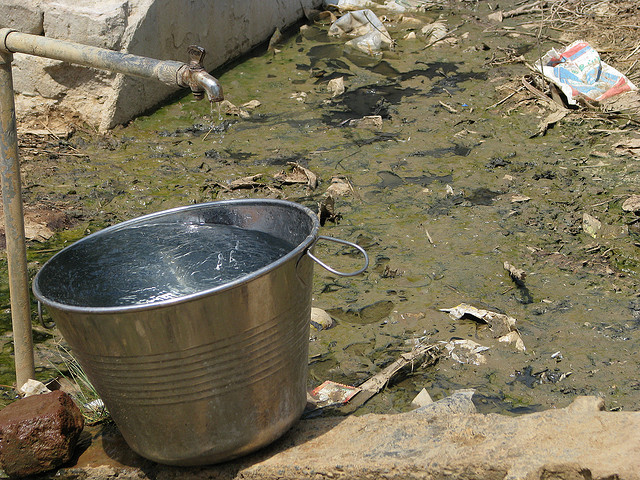
Drinking Water Background
You do not technically need to sterilize water. Sterilization means destroying all microorganisms in, on, and around an object. For drinking water, the practical goal is usually disinfection: reducing or killing pathogenic organisms that can cause disease.
Disinfection can be done through several methods, including filtration, heat, ozonation, and chemical treatment.
Boiling and Pasteurization
Despite many stories to the contrary, boiling water can disinfect it. At most elevations people are likely to encounter, the boiling point of water is high enough to kill or denature disease-causing organisms. A rolling boil is the key point.
Pasteurization kills disease-causing organisms in water by heating it to 65°C / 149°F for a short period of time. This can address microbes including E. coli, rotaviruses, Giardia, and the Hepatitis A virus.
A WAPI, or Water Pasteurization Indicator, uses heat-specific soy wax to help determine when water has reached pasteurization temperature. Some WAPI models include stainless steel cable and brass end caps designed to tolerate high heat, making them useful over an open flame or in solar cooking situations.
Filtration
Filtration can be effective when the filter has an absolute rating of 0.2 microns or smaller. Some people use iodine crystals first and then filter the water afterward.
Chemical Disinfection
Chemical disinfection usually involves adding a chemical such as chlorine or iodine to the water. It is often quick, economical, and effective when the correct chemical, concentration, and contact time are used.
Purifying Water With Bleach
Regular liquid bleach is not stable indefinitely. It gradually breaks down and may become ineffective over time. Bleach that is roughly one year old may require a stronger dose, while bleach near two years old may no longer be reliable.
Purifying Water With Calcium Hypochlorite
Calcium hypochlorite, often sold as pool shock, can store much longer in dry form than liquid bleach. It can be mixed into a fresh chlorine solution as needed.
Use only granular pool shock that lists calcium hypochlorite as the active ingredient and does not include algaecides, fungicides, scents, softeners, or other additives that may be unsafe for drinking water treatment.
Mixing Calcium Hypochlorite
In an extremely well-ventilated area, preferably outside, dissolve one heaping teaspoon of high-test granular calcium hypochlorite, approximately 1/4 ounce, into two gallons of water. This produces a stock chlorine solution.
To disinfect water, add one part of this chlorine solution to 100 parts water. A practical small-batch version is to add about 2.5 tablespoons of the stock solution to one gallon of water. Mix thoroughly, cover, and allow it to stand for 30 minutes.
The treated water should have a slight chlorine odor. If it does not, repeat the dosage and allow it to stand for an additional 15 minutes. If the chlorine taste is too strong, let the water stand exposed to air for a few hours or pour it between clean containers several times.
General Water Treatment Process
Water from open sources should be treated before use. One practical approach is a three-step process.
- Pre-filtering: Remove visible sediment and larger particles by pouring water through tightly woven cloth, towels, or similar material.
- Chlorinating: Disinfect the water using an appropriate chlorine treatment method.
- Filtering: Use a high-quality water filter, such as a Katadyn or British Berkefeld-style filter. Some filter elements can also reduce chlorine.
Notes About Iodine
Iodine is not emphasized here because many references point to limited shelf life, specific storage requirements, and undesirable taste. Chlorine odor can indicate some remaining disinfectant level, and the odor can dissipate with aeration.
James McDonald has enjoyed camping and many aspects of outdoor life. His engineering background has encouraged him to keep digging into practical problems until they make sense.
PREPARE Magazine Disclaimer: These statements are not intended as a fail-proof guide or FDA-approved water sanitation method. They are a compilation of internet-sourced information presented in plain language. Research carefully and use these suggestions at your own risk.
Popular Questions
What is the fastest way to improve Drinking Water Background without making beginner mistakes?
The fastest way to improve Drinking Water Background is to simplify the process and control one variable at a time. Start with the most important baseline: define the goal, identify the main failure point, and test one change before making another. Keep short notes so you can connect the outcome to the adjustment you made. This prevents guesswork and helps you build a repeatable method instead of chasing random fixes.
What should you check first when Drinking Water Background is not working well?
Check the most immediate bottlenecks first: setup errors, missing inputs, bad timing, or inconsistent follow-through. Before buying anything new or changing the whole system, confirm that the basics are being done correctly and consistently. A small diagnostic checklist usually reveals the real problem faster than broad trial and error. Once the weak point is clear, make one correction and watch the result before adjusting anything else.
What common mistakes make Drinking Water Background harder than it needs to be?
The most common mistakes are changing too many variables at once, skipping the basics, and judging results too quickly. Many people also copy generic advice without adapting it to their exact situation, which leads to weak results and confusion. A better approach is to work from a simple baseline, make measured changes, and give each change enough time to show whether it helped. That makes progress easier to track and repeat.