
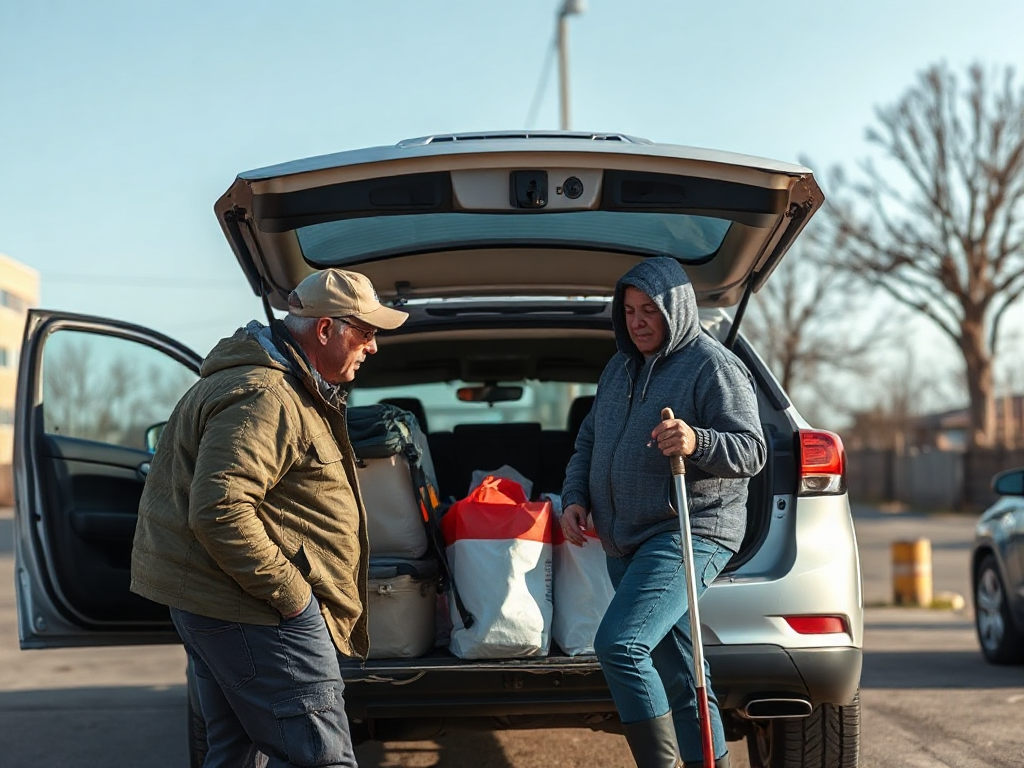
If you run out of fuel, the first action is to safely pull your vehicle to the side of the road, away from traffic. Once parked, assess your options: you can call for roadside assistance or walk to the nearest gas station if it's safe to do so. Be visible to other drivers by using hazard lights or reflective markers, especially in low-light conditions. Remember that running out of fuel can cause engine damage, so it’s wise to monitor your fuel gauge regularly and refuel before it gets too low. Carrying a portable fuel container can also be a practical solution for emergencies.
Immediate Actions to Take
When you realize you are running out of fuel, the first immediate action is to safely pull your vehicle over to the shoulder of the road, away from traffic. This is crucial to avoid accidents and ensure your safety. Once you are safely parked, assess your situation. If you have a mobile phone, consider calling a friend or roadside assistance for help. If assistance is not readily available, you may need to walk to the nearest gas station. Ensure you are visible to other drivers, especially at night, by using hazard lights or reflective triangles.
It’s important to know that running out of fuel can lead to complications such as engine damage or fuel system problems. If your vehicle is equipped with a fuel gauge, keep an eye on it and refuel before it gets too low. In the future, consider carrying a portable fuel container, as this can provide a quick solution in case of emergencies.
Preventive Measures to Avoid Running Out of Fuel
Preventing a fuel shortage begins with regular vehicle maintenance and monitoring your fuel levels. Make it a habit to check your fuel gauge frequently, especially on long trips. Establish a rule of refueling when your tank is at a quarter full to avoid the risk of running out unexpectedly.
Additionally, you can use apps that track fuel levels and provide alerts when you are running low. Some vehicles come equipped with fuel economy features that can help monitor consumption and alert you to potential issues before they arise. Keep an eye on your vehicle’s fuel efficiency; if you notice a sudden drop, it may indicate an underlying problem that needs addressing.
Understanding the Risks of Running Out of Fuel
Running out of fuel is not just an inconvenience; it can pose significant risks to both your vehicle and your safety. When a vehicle runs out of fuel, it can cause sediment and debris from the fuel tank to clog the fuel filter. This can lead to costly repairs and a longer downtime for your vehicle.
Moreover, being stranded on the road can expose you to dangerous situations, especially in high-traffic areas or inclement weather. Always be aware of your surroundings and consider the potential risks involved in running out of fuel. Having a plan in place can mitigate these risks significantly.
Emergency Resources for Fuel Assistance
In the event that you find yourself stranded due to a lack of fuel, several resources can help. Many roadside assistance programs offer fuel delivery services, which can bring you fuel directly to your location. Check if your insurance or vehicle warranty includes roadside assistance; if not, consider signing up for a service that does.
Additionally, some mobile apps can connect you with nearby gas stations and even provide information on fuel prices. Using these resources can save you time and ensure you get back on the road quickly.
While not a formal list, consider looking into local resources for roadside assistance programs and fuel delivery services in your area. Understanding your vehicle’s fuel system and maintenance can also provide valuable insights into preventing fuel-related issues.
Frequently Asked Questions
What should I do if I run out of fuel on a busy road?
Safely pull over to the shoulder, turn on your hazard lights, and call for assistance.
Can running out of fuel damage my vehicle?
Yes, it can cause sediment to clog the fuel filter and potentially damage the fuel pump.
How can I prevent running out of fuel?
Regularly check your fuel gauge and refill when it reaches a quarter tank.
Is there a way to get fuel delivered to my location?
Yes, many roadside assistance services offer fuel delivery options.
What should I carry in my vehicle for emergencies?
Consider carrying a portable fuel container, a flashlight, and a first aid kit.
Conclusion
Knowing what to do if you run out of fuel is essential for ensuring your safety and preventing vehicle damage. Always prioritize pulling over safely and assessing your options promptly. Regular monitoring of your fuel levels and utilizing available resources can significantly reduce the risk of running out of fuel. Stay prepared and informed to keep your travels smooth and worry-free.