How to Prepare for Disaster Without Looking Crazy

How to Prepare for Disaster Without Looking Crazy

How to Prepare for Disaster Without Looking Crazy

Tired of feeling like you’re a crazy prepper? Want to learn how to prepare for disaster or emergencies without people judging you? Read this article on preparing for disaster without looking “crazy.”

If you’ve ever had the urge to start preparing for disasters, chances are you have been labeled as a prepper or crazy. After all, preppers are thought of as individuals that hoard goods, have a crazy amount of supplies, and believe the world is going to end at any given moment. But the truth is, prepping doesn’t have to mean hoarding and worrying; it’s simply a smart way to be prepared for emergencies and potential disasters, so you can stay safe.

In this article, we’ll discuss how to prepare for a disaster without looking “crazy.” We’ll talk about creating a smart, comprehensive disaster plan, putting together a preparedness kit, and making sure you have the right supplies. So keep reading to learn how to plan for the unexpected without inviting judgement or ridicule.

Creating a Disaster Plan

prepare magazineThe first step to preparing for a disaster without looking crazy is to create a comprehensive disaster plan. To do this, consider all the possibilities and plan accordingly. It’s important to think about not just natural disasters, but other emergencies as well. Could your area be hit by a blizzard? Could a severe storm cause flooding and outages? Do you live in an area prone to earthquakes? Once you know the potential disasters you could face, it will be easier to create a plan.

You should also consider the areas where you and your family spend time. Where do you live and work? What about your children’s school and daycare? Make sure you have emergency plans in place for all the places you and your family visit.

When creating your plan, don’t forget to think about where you’ll go in case of an emergency. That could include a neighbor’s house, a shelter, or a place outside of town. You should also create an emergency supply list, so you can make sure to have enough food, water, and other essentials on hand.

Putting Together a Disaster Kit

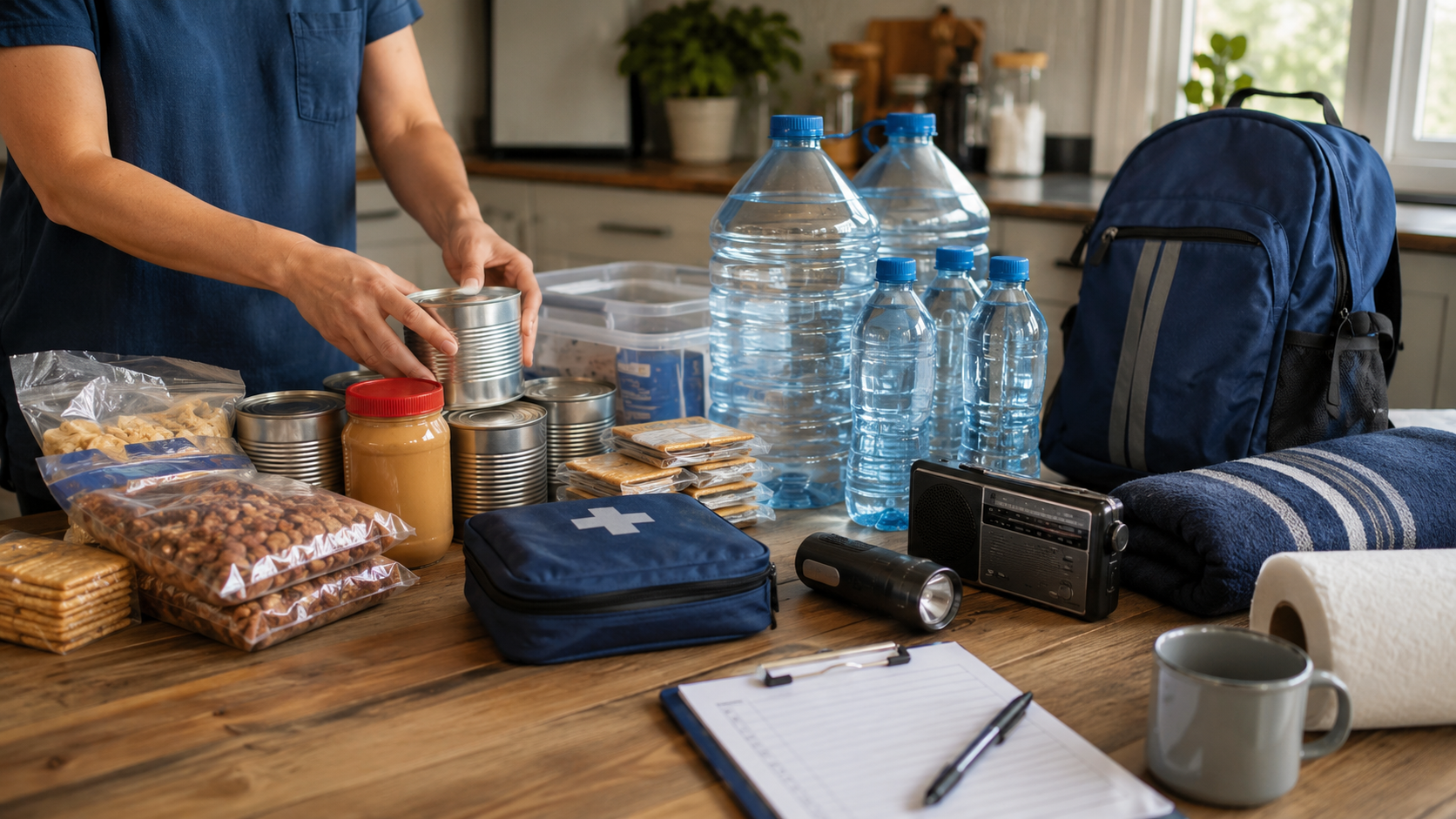
Once you have a plan in place, it’s time to put together a preparedness kit. You can create your own or buy a pre-made kit. When creating your own, make sure to include all the essentials you’ll need in an emergency.

Depending on the type of emergency you’re preparing for, the items you’ll need will vary. However, all kits should include items like a flashlight, extra batteries, first-aid supplies, and a car charger. You should also pack enough food and water for three days, as well as a way to quick cook meals.

Don’t forget to pack clothing and blankets as well, to keep you warm in case of a power outage. It’s also a good idea to pack a map, cash, and medications, just in case.

Getting the Right Supplies

The last step in preparing for disaster without looking crazy is to make sure you have the right supplies. This means stocking up on food, water, and other essentials to get you through an emergency.

To do this, start by stocking up on non-perishable items like canned and boxed foods. These should last for months, so you don’t have to rush to the store if you need something. Make sure to stock up on foods your family likes, so no one is stuck eating food they don’t like.

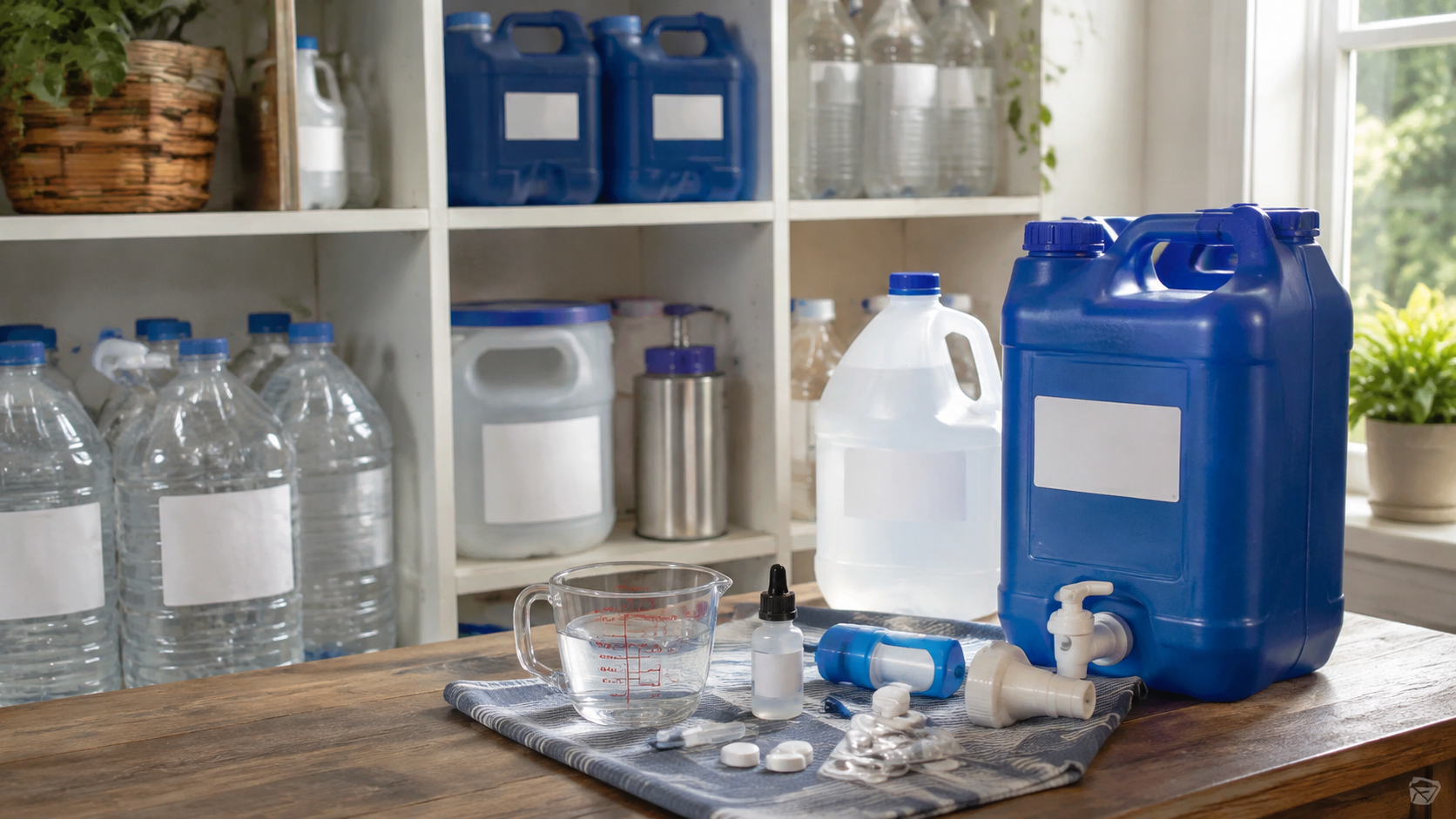
You’ll also want to store plenty of water. You can buy water bottles, but it’s also a good idea to buy some water containers and fill them yourself. You’ll also need to stock up on paper products such as toilet paper and paper towels.

Conclusion

Preparing for a disaster doesn’t have to mean hoarding goods and living in fear. By following the steps outlined in this article, you can prepare for disasters without looking “crazy” or having people judge you. So create a comprehensive disaster plan, put together a preparedness kit, and make sure you have the right supplies on hand. That way, you can be prepared for whatever life throws your way.

What is an EMP and How Do I Prepare?

What is an EMP and How Do I Prepare?

Electromagnetic pulse (EMP) is a form of energy that has been rising in importance in recent years due to its ability to cause widespread destruction to electrical systems, communication systems, and other electronic devices. An Electromagnetic Pulse (EMP) is the result of a sudden burst of electromagnetic radiation that can cause extreme disruption and damage to electrical transmission systems, radio/television reception, and other electronic systems. An EMP is capable of disabling many systems in an area that experience an EMP burst and can even cause physical damage to some materials. Therefore, being prepared for an EMP is crucial, both for businesses and individuals.

What is an EMP?

An EMP is a sudden burst of energy that can generate significant amounts of electromagnetic radiation, with the potential to interfere with and disable electronic systems over an entire region. EMPs are often caused by solar flares, but they can also be created through other methods such as nuclear blasts and certain military technologies. EMPs typically create a powerful wave of radiation that can penetrate many types of materials and even disrupt electrical equipment, machinery, and other digital resources.

In the event of an EMP, many modern devices such as computers, cell phones, and vehicles may stop working permanently or temporarily. It could also lead to a sudden loss of power and communication that could cause panic and chaos.

How does an EMP affect individuals and businesses?

An EMP has the potential to cause extensive damage to any electronic devices within a certain radius of the source. Computers, cell phones, televisions, radios, and other pieces of technology could be rendered useless and even destroyed due to the intense electromagnetic radiation. When electronic systems are disabled, businesses and individuals cannot access vital resources like financial information and communication networks, leading to operational losses and physical damage. In some cases, this could mean complete shut down of a business or significant financial losses.

How can I prepare my family for an EMP?

PREPARE MagazineIndividuals and businesses can protect themselves against an EMP by ensuring all sensitive electronic equipment is properly shielded and by establishing backup plans for dealing with disruptions in case it is disabled. In addition, telecommunications systems should be regularly tested and protected against potential EMP effects.
Here are some steps you can take to prepare for an EMP:

Educate yourself: Knowing what an EMP is and the consequences that come with it is the first step to take. You can research online and read books on the topic to help you understand more about EMPs.

Develop a communication plan: In case of an EMP, communication can become a challenge. It is best to have a communication plan to ensure that you can stay in touch with family and close friends. Consider having a predetermined meeting place or a secondary communication method that does not rely on electronics, such as two-way radios.

Stock up on non-perishable items: An EMP could cause disruptions in the food supply chain, so stocking up on non-perishable food items that require no or minimal preparation can be helpful. Some examples of such food items include canned foods, dried fruits, and nuts. You should also stock up on water and medications.

Have a power generator or backup power source: If you depend on electricity for medical reasons or just daily use, having a backup generator or power source can be crucial. Having solar panels or generators that do not rely on electronics can be a potential option to consider.

Secure your home: An EMP could lead to widespread looting and violence. Therefore, you need to secure your home by reinforcing your doors, windows, and any potential entry points. Consider also having self-defense tools such as pepper spray, a gun, or a knife.


Personal Safety During an EMP Event:

Individuals can also take steps to ensure their own safety during an EMP event. It is important to have an evacuation plan in place in case of an emergency, as an EMP could cause significant power outages and communication failures. It is also advisable to stock up on emergency supplies such as food, water, and first aid kits. To wrap up, it is important to stay informed about potential EMP events and any related safety protocols that may be issued by authorities.

Conclusion:

An EMP is a powerful form of energy that has the potential to cause significant disruption to electronic systems. Though an EMP is a rare occurrence, individuals and businesses should take the necessary steps to prepare for and protect against any potential damage. By understanding what an EMP is, taking effective safety precautions, and implementing proper back-up plans, individuals and businesses can successfully mitigate any potential effects.

Being prepared for an EMP is not just about the physical aspect but also the mental preparation. While some of these steps can seem extreme, it is crucial to have a plan in place to ensure that you can survive during and after an EMP.

Should We Stockpile Toilet Paper to Prepare for the Next Emergency Situation?

Should We Stockpile Toilet Paper to Prepare for the Next Emergency Situation?

When the Global Pandemic hit, many families were devastated.  With the health quarantine that was imposed, there were shortages of food and supplies at the local markets.  Even if you could get out to stores (since there were restrictions in place) – grocery shelves were often empty of items that your family needed.  In our area, there was a massive run on toilet paper.  You couldn’t find it anywhere!

So the question arises…

Should we stockpile toilet paper to prepare for the next emergency situation?

Well, it’s obviously an issue that we’ve experiences so it’s a valid question.  I can share some points to consider if you are thinking about stockpiling toilet paper for any future emergency situation.  Here are some general thoughts to consider:

Analyze the emergency situation:

It is essential to understand the circumstances of an emergency before deciding to stockpile any goods, including toilet paper. For instance, in the case of a hurricane or natural disaster, it is unlikely that toilet paper is a crucial item to stockpile as there could be more pressing needs like food, water, shelter, or medical supplies. In contrast, during a pandemic or similar widespread outbreak, the availability of toilet paper could be limited due to supply chain disruptions and panic buying, making it important to stockpile.

Determine the duration of the emergency:

Another critical factor to consider is the potential length of the emergency. If it is a short-term emergency like a power outage or water supply disruption, it may not be necessary to stockpile large amounts of toilet paper. However, if the emergency is likely to last for several weeks or months, it may be wise to consider stockpiling toilet paper to avoid shortages.

Assess your personal and family needs:

Personal factors like the number of people in your household, the frequency of bowel movements, and the size of your storage space should also be taken into account when deciding to stockpile toilet paper. It is vital to stockpile a reasonable amount that can last for a considerable period but does not take up excessive space in your home.

Keep in mind the cost:

While it is understandable to want to stockpile, it is essential to consider the cost involved in purchasing large amounts of toilet paper. The cost may not be worth it if there is no need for it during the emergency, or if the emergency situation is not long-lasting. Moreover, panic buying can lead to inflated prices and hoarding, making it more difficult for others to access necessary goods.

All in all, the decision to stockpile toilet paper during an emergency situation ultimately depends on various factors. It is important to weigh the benefits and drawbacks carefully and assess the specific emergency’s nature, duration, and personal needs. It is also crucial to avoid panic buying and to stockpile goods responsibly, keeping in mind the cost and the needs of your community.

Some Benefits of Storing and Using Rainwater in Your Emergency Preparedness

Some Benefits of Storing and Using Rainwater in Your Emergency Preparedness

Storing and using rainwater for emergency preparedness is becoming an increasingly popular emergency strategy.  Rainwater is reliable, sustainable, and economical. Plus, it’s an ideal source of water for storing during drought conditions or in the event of natural disasters.  We collect rainwater primarily to use in our gardening, lawn and livestock.  It is an efficient and economical system that was easy to build and maintain.

In this article, we’ll discuss the benefits of using rainwater for emergency preparedness and discuss the various ways to create an inexpensive rainwater collection system. We’ll also cover the key elements of treating rainwater to make it safe for drinking and other uses.

The Benefits of Rainwater for Emergency Preparedness

Storing and using rainwater for emergency preparedness comes with many benefits. Rainwater is an abundant renewable resource and can be harvested and distributed efficiently, making it an ideal source of water in the event of drought or natural disaster. Additionally, because it’s separate from the public water supply, it reduces the strain on public water sources in the event of a crisis. Lastly, rainwater is generally free, making it an economical option for storing large supplies of water.

How to Build an Inexpensive Rainwater Collection System

Building an efficient and inexpensive rainwater collection system is an easy process. Start by finding a suitable location near a downspout and level it off to provide a stable foundation for the rain barrel you’ll be using.

Next, gather the necessary materials for collecting and storing rainwater, such as a metal or plastic barrel, a hose, and a lid. If you don’t already have these supplies, you’ll need to purchase them. Place the tank beneath the downspout and connect the hose to the tank. Your tank should now be ready to collect rainwater.

Do I Need to Treat Rainwater?

Rainwater can be used for a variety of everyday activities, but it should not be used for drinking unless it has been treated. If you’re short on supplies or don’t have access to other water sources, you may be tempted to drink the rainwater, but this can be harmful to your health. To make the rainwater safe for ingesting, it should be treated with chemicals like bleach, iodine, or chlorine to kill any harmful viruses or bacteria.

Conclusion

Using rainwater for emergency preparedness is a smart solution that is reliable, sustainable, and economical. Building an efficient and inexpensive rainwater collection system is relatively simple and requires minimal supplies. When using rainwater, it’s important to remember that it should be treated before drinking, as untreated rainwater can contain harmful viruses and bacteria. By following these guidelines, you can rest assured that you’re taking the right steps toward preparing for an emergency situation.

5 Compelling Reasons to Start Re-stocking your Preparedness Food Supplies

5 Compelling Reasons to Start Re-stocking your Preparedness Food Supplies

The prospect of stockpiling food can sound a bit overwhelming — however, it’s one of the primary steps in emergency and disaster preparedness planning that is often overlooked.  We often take for granted that we can rush out to the grocery store and purchase anything we need.  During the recent pandemic, we experienced the reality that shelves were empty and in many cases the store was closed due to quarantines.

So, it’s important to have supplies on hand for emergencies and unknown disasters.  Being prepared for an emergency means being able to provide food for your family when other resources are not available.  While many people have food storage to get them through a few says, it’s important to rotate older supplies and do regular inventory checks to make sure you have what you need on hand.

Here are five compelling reasons to re-stock your preparedness food supplies.

Reason 1: Food Insecurity

Food insecurity is an increasing problem for many people in both developed and developing countries. In the US, of the 40 million people who rely on food stamps, the majority are families with children and elderly members living alone. In 2019, the US Department of Agriculture (USDA) reported that 1 in 7 people are food insecure, which means they don’t have reliable access to adequate amounts of affordable, nutritious food. When an emergency or disaster strikes, these individuals are at an even greater risk of food insecurity.

Reason 2: Natural Disasters

Natural disasters can create devastating circumstances for families and communities. Often these events result in power and communication outages, store closures, and limited access to food, making it more difficult for families to receive necessary supplies including food. Additionally, unless you live in an area that experiences frequent natural disasters, it is likely you won’t have established emergency plans in place, making it more difficult to cope with the impacts of the event.


Reason 3: Emergencies and Disruptions of Services

The disruption of services due to a pandemic, a hurricane, or an ice storm can be made even worse when grocery stores are closed or running limited services. Furthermore, supply chains can be disrupted making it difficult to receive food or other supplies as quickly as expected. With your food stockpiles in place, you can help to minimize disruptions to your family’s daily routine.

Reason 4: Financial Disruptions

Financial disruptions can severely affect your ability to purchase food and other necessities on a recurring basis. A job loss, reduced hours, or other economic hardships can be especially devastating if you don’t have supplies stored away to help you get through the tough times. Preparing ahead of time can be the difference between running out of food and having enough to get through the difficult period.

Reason 5: Increased Prices

In some areas, the cost of food is already rising as a result of supply chain disruptions. In other areas, local producers and farmers have seen their production abilities decrease, making the cost of locally grown food more expensive. Additionally, food prices can greatly vary from region to region, so it’s important to stock up while prices are low in case they increase later.

Conclusion

These are just a few of the reasons why having a stockpile of preparedness food is important. Planning ahead and taking the necessary steps to ensure your family is prepared can be a huge relief during an emergency or disaster. With the right supplies and preparations in place, you can help to ensure your family’s safety and wellbeing during such events.