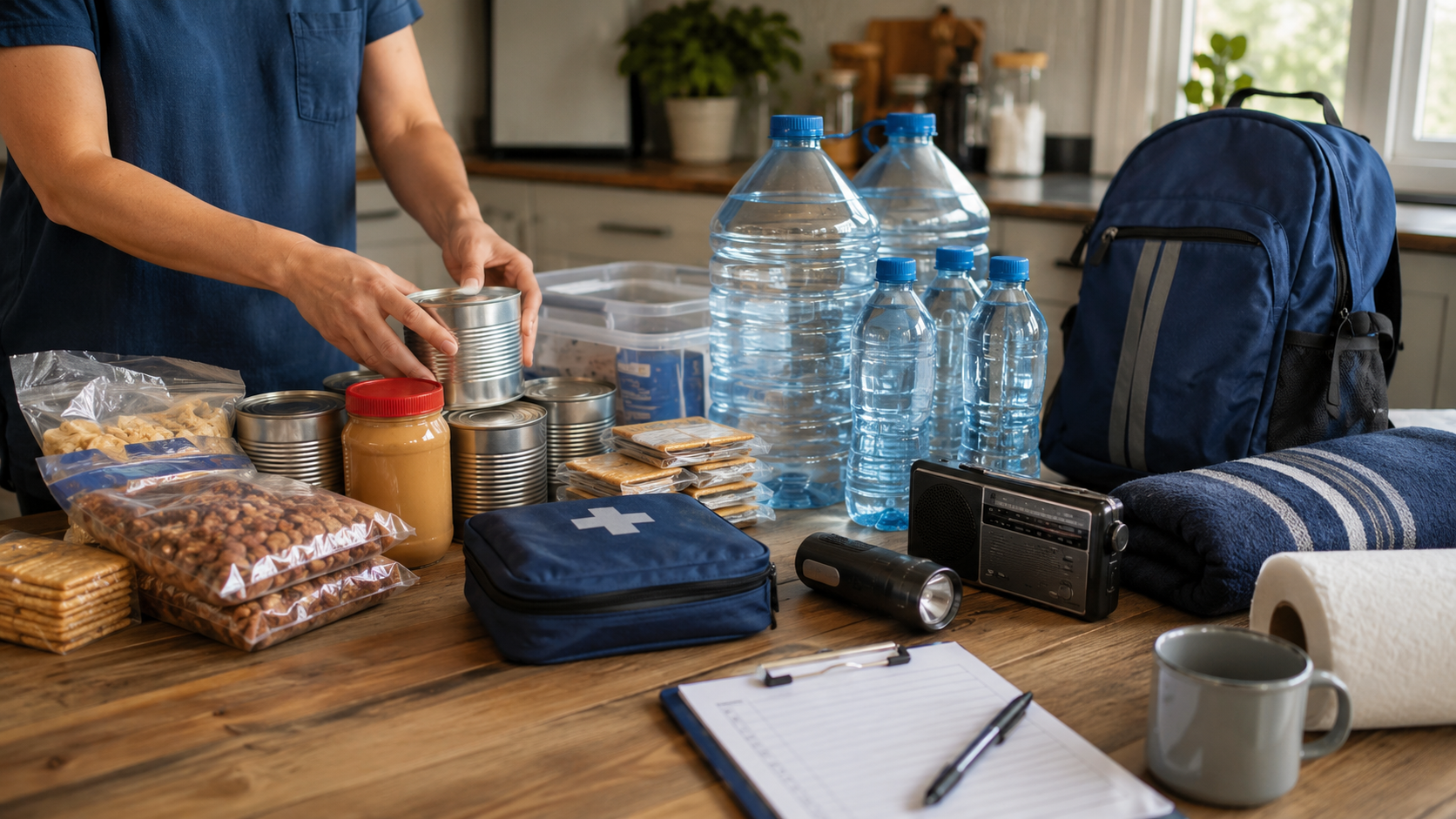
Understanding the importance of these foods is crucial for anyone looking to prepare for emergencies or simply maintain a well-stocked kitchen. Many people overlook the benefits of long-lasting foods, assuming they are limited to processed options. However, a well-balanced selection of shelf-stable foods can support a healthy diet and provide peace of mind during uncertain times. Prioritizing the right items for your pantry can save you both time and money in the long run.
One common mistake when stocking a pantry is neglecting to rotate supplies. Foods can lose their quality over time, even if they are shelf-stable. It’s important to regularly check expiration dates and consume older items first. Additionally, factors such as humidity and light exposure can affect the shelf life of stored foods. Therefore, maintaining a cool, dry environment is essential for maximizing the longevity of your food supplies.
Dry Grains and Legumes
Dry grains and legumes are foundational components of a long-term food storage plan. Items like rice, pasta, quinoa, and various types of beans provide not only carbohydrates but also protein and fiber. These foods can last for years if stored in airtight containers away from moisture and light.
When considering which grains or legumes to stock, it’s beneficial to choose a mix that caters to both variety and nutrition. For instance, brown rice offers more nutrients than white rice, while lentils are a quick-cooking legume that can be used in numerous recipes. Be mindful of the cooking times and preparation methods for each item, as this can influence your meal planning.
Many people assume that all grains are interchangeable, but this is not the case. Some grains have different shelf lives, and understanding these nuances can help you make informed decisions. For example, while white rice can last indefinitely, whole grains like barley may only last about six months to a year. Prioritize stocking grains that fit your dietary needs and cooking preferences.
Canned and Dehydrated Foods
Canned and dehydrated foods are excellent for long-term storage due to their extended shelf life and convenience. Canned vegetables, fruits, and meats can last for years if unopened, while dehydrated options like freeze-dried fruits and vegetables retain much of their nutritional value.
When selecting canned goods, choose items with low sodium content and no added sugars for healthier options. Dehydrated foods often require rehydration before consumption, so understanding the preparation methods is essential. Additionally, consider the taste and texture preferences of your household to ensure these items will be enjoyed.
A common oversight is neglecting to check the integrity of can seals and expiration dates. Cans with rust, dents, or bulging can indicate spoilage. Establish a routine for reviewing your canned goods to ensure they remain safe to eat. This practice helps prevent waste and ensures you have quality items in your emergency supply.
Nuts and Seeds
Nuts and seeds are valuable sources of healthy fats, protein, and fiber, making them a great addition to a long-term food storage plan. Items such as almonds, walnuts, chia seeds, and flaxseeds can be stored for extended periods if kept in airtight containers in a cool environment.
While nuts and seeds are nutritious, they can also be prone to rancidity due to their fat content. It’s advisable to store them in the refrigerator or freezer to prolong their shelf life. When incorporating these foods into your diet, consider their caloric density and adjust portion sizes accordingly to maintain a balanced diet.
Many people mistakenly believe that all nuts and seeds have the same storage requirements. However, different types can have varying shelf lives and storage needs. For instance, while whole nuts can last up to a year in the pantry, ground nuts and seeds may only last a few months. Prioritize whole varieties for longer storage, and only grind them as needed.
Storage Tips for Longevity
Effective storage is key to maximizing the shelf life of foods that store well without refrigeration. Proper packaging, temperature control, and humidity management play crucial roles in maintaining food quality.
Using airtight containers helps protect food from moisture and pests, while keeping items in a cool, dark place prevents degradation from heat and light. Vacuum sealing is another effective method for extending the shelf life of grains, legumes, and nuts.
Many people overlook the impact of humidity on food storage. High humidity can lead to mold growth and spoilage, while low humidity can cause items to dry out. Investing in a hygrometer to monitor humidity levels in your storage area can be beneficial. It’s also wise to regularly inspect your supplies for signs of spoilage and rotate items as needed.
Further Reading
Authoritative Sources
Food Safety Charts foodsafety.gov
Provides essential guidelines on food storage and safety practices
What Foods Can I Store Without Refrigeration? extension.harvard.edu
Offers a comprehensive list of foods that can be stored without refrigeration
CDC Food Safety cdc.gov
Details food safety tips and guidelines for long-term storage
Frequently Asked Questions
How long can dry grains be stored?
Dry grains can typically be stored for 5 to 10 years if kept in airtight containers in a cool, dry place.
Are canned foods safe after the expiration date?
Canned foods can often be safe to eat after the expiration date, but check for signs of spoilage before consumption.
What is the best way to store nuts?
Nuts are best stored in airtight containers in a cool, dark place or in the refrigerator or freezer to prevent rancidity.
Can I freeze dehydrated foods?
Yes, freezing dehydrated foods can extend their shelf life and maintain quality.
What are the signs of spoiled canned food?
Signs of spoiled canned food include bulging lids, leaks, rust, or an off odor when opened.
Conclusion
Ultimately, understanding what foods store well without refrigeration long term can greatly enhance your emergency preparedness and everyday meal planning. Prioritizing items like dry grains, legumes, canned and dehydrated foods, and nuts ensures a diverse and nutritious pantry. Regularly check your supplies, rotate items, and maintain optimal storage conditions to maximize shelf life. By taking these steps, you can build a resilient food storage system that supports your dietary needs and provides peace of mind.
In practical terms, water conservation should become a top priority. Use stored water wisely by designating specific amounts for drinking, cooking, and hygiene. Creating a sanitation station is another effective method; this can include a portable toilet setup and a way to wash hands that conserves as much water as possible. Understanding how to prioritize your hygiene tasks can significantly impact your health during prolonged outages.
Common mistakes to avoid include neglecting sanitation practices due to a perceived lack of resources or time. For instance, underestimating the importance of handwashing can lead to the spread of germs, especially when preparing food. It’s also essential to manage waste properly to avoid attracting pests or creating unsanitary conditions. Planning ahead and having a clear strategy for maintaining hygiene can make all the difference.
Water Conservation Techniques
Effective water conservation is vital during extended power outages, especially when water supply might be limited. Start by storing enough water before the outage occurs, ideally one gallon per person per day for at least three days. Use this water judiciously, prioritizing drinking and cooking. Consider utilizing rainwater collection systems if feasible.
When using your water supply, aim to allocate specific amounts for different tasks. For example, designate a small container for drinking and another for cooking. This approach not only helps to extend your water supply but also ensures that you have enough water for hygiene practices such as handwashing and bathing.
Additionally, many people overlook the potential of using gray water for sanitation purposes. Water from rinsing fruits or vegetables can be repurposed for flushing toilets or watering plants, provided that it is done safely. This dual-use strategy can help conserve resources while maintaining hygiene standards.
Sanitation and Waste Disposal
Proper sanitation and waste disposal are crucial in maintaining hygiene during power outages. Without regular waste collection services, it becomes necessary to establish a home waste management system. Create a designated area for waste disposal, ensuring it is kept away from living spaces to prevent contamination.
Portable toilets or buckets with lids can serve as effective solutions for human waste disposal. Make sure to line these containers with plastic bags for easy cleanup. After use, always seal the bags tightly and store them in a cool, dry place until they can be disposed of safely.
Another critical aspect is to ensure that your sanitation practices do not attract pests. Regularly clean the area around your waste disposal setup and consider using natural repellents to deter insects. Keeping your environment clean will significantly reduce the risk of disease transmission.
Personal Hygiene Practices
Maintaining personal hygiene is essential for preventing illness during extended outages. Handwashing is one of the most effective ways to reduce the spread of germs. Use soap and water whenever possible, but if water is scarce, consider using hand sanitizer with at least 60% alcohol content as an alternative.
In situations where bathing is not feasible, use wet wipes or a damp cloth to clean your body. Focus on areas that are prone to odor or infection, such as armpits and feet. Change into clean clothes regularly, as this can help maintain a sense of normalcy and comfort.
Moreover, many people may overlook dental hygiene during outages. Keep a supply of toothbrushes and toothpaste handy, and rinse your mouth with clean water when brushing isn’t possible. Maintaining these practices will help you feel better and contribute to your overall health.
Food Safety During Outages
Food safety is another crucial aspect of maintaining hygiene during extended power outages. If the power goes out, perishable foods in your refrigerator may spoil quickly. Keep the refrigerator door closed as much as possible to maintain a lower temperature. Food can typically be kept safe for about four hours without power.
Consider using coolers and ice packs to keep food fresh for an extended period. When cooking, ensure that you only use foods that are safe to eat and discard any items that smell or look spoiled. Always wash your hands before handling food to prevent contamination.
Additionally, familiarize yourself with the signs of food spoilage, such as off-odors or changes in texture. Understanding these indicators will help you avoid foodborne illnesses during outages.
Further Reading
For more information on maintaining hygiene during power outages, consider checking resources from local health departments or emergency management agencies. These organizations often provide guidelines and best practices tailored to specific regions and situations.
Further Reading
Authoritative Sources
Ready.gov ready.gov
Official U.S. preparedness guidance, checklists, and planning resources for households and emergencies.
FEMA fema.gov
Federal emergency management resources, disaster planning information, and recovery guidance.
American Red Cross Emergency Preparedness redcross.org
Practical emergency preparation steps, supply lists, and safety guidance for families.
National Weather Service weather.gov
Official forecasts, hazard alerts, and weather safety information.
CDC Emergency Preparedness and Response cdc.gov
Public health guidance for emergencies, disasters, and recovery situations.
Frequently Asked Questions
What should I do if I run out of clean water during a power outage?
If you run out of clean water, consider using rainwater or stored gray water for non-drinking purposes. Always prioritize drinking water and seek alternative sources as needed.
How can I maintain hygiene without electricity?
You can maintain hygiene without electricity by using stored water for handwashing and bathing, utilizing wipes for personal cleanliness, and ensuring proper waste disposal.
What are the risks of poor sanitation during outages?
Poor sanitation can lead to the spread of diseases, such as gastroenteritis and other foodborne illnesses. It’s crucial to maintain cleanliness to avoid these risks.
How long can food stay safe during a power outage?
Food can remain safe in a refrigerator for about four hours without power. After that, perishable items should be discarded if they show signs of spoilage.
What should I include in a hygiene kit for emergencies?
Your hygiene kit should include soap, hand sanitizer, wipes, toothbrushes, toothpaste, and any necessary medications. These items will help you maintain hygiene during outages.
Conclusion
Maintaining hygiene during extended power outages is essential for safeguarding your health. Prioritize water conservation, proper sanitation, and personal cleanliness to minimize the risk of illness. By planning ahead, creating a sanitation station, and being mindful of food safety, you can navigate these challenging situations more effectively. Staying informed and prepared will empower you to maintain hygiene and well-being, even in the face of adversity.
Understanding the real-world stakes involved in blocked evacuation routes is crucial. Such situations can arise from natural disasters, accidents, or unforeseen events like road construction. Prioritize your safety and that of others by avoiding risky shortcuts through unfamiliar areas, which can lead to further dangers. Additionally, maintain communication with family or emergency contacts to keep them informed of your status and location.
Common mistakes in these scenarios include panicking and making hasty decisions without assessing all available information. It’s essential to remain patient and think critically. If the blockage is likely to last for an extended period, consider sheltering in place until conditions improve, especially if you are in a safe location. This decision should factor in the availability of resources, such as food, water, and medical supplies, as well as the potential for further hazards.
Assessing the Situation
When faced with blocked evacuation routes, the first step is a thorough assessment of the situation. Evaluate the extent of the blockage and the potential risks involved. This includes checking if the blockage is temporary, such as a fallen tree, or a more significant issue like flooding or a major accident. Understanding these dynamics can inform your next steps and help you make better decisions.
Real-world stakes are high during emergencies. Assessing the situation accurately can prevent unnecessary risks and ensure your safety. Many people often overlook the importance of situational awareness, which can lead to poor decision-making. Take time to observe your surroundings, listen to others, and gather as much information as possible before acting.
Prioritize your safety and that of others around you. If you are traveling with family or friends, ensure everyone is accounted for and aware of the situation. Discuss potential next steps collectively to avoid panic and confusion, which can exacerbate the situation.
Identifying Alternative Routes
Once you have assessed the situation, the next step is to identify alternative routes. Utilize GPS navigation apps that provide real-time updates on traffic conditions and road closures. Some applications can redirect you based on current obstacles, helping you find the safest and quickest way to your destination.
In addition to technology, consider traditional navigation tools like maps. Familiarizing yourself with the area can reveal lesser-known roads that may not be affected by the blockage. This knowledge can be invaluable, especially in rural or less populated areas where GPS signals may be weak.
Many people forget to plan for the unexpected. Always have a backup route in mind, even when traveling on familiar paths. Consider taking a few minutes before your journey to review potential alternatives, which can save you time and stress during emergencies.
Communication and Information Sources
Effective communication is vital when evacuation routes are blocked. Stay informed by utilizing multiple information sources, such as local news channels, social media updates, and official emergency service announcements. These channels can provide timely information about road conditions and alternative evacuation plans.
Common mistakes include relying solely on one source of information. Diversifying your information sources can provide a comprehensive view of the situation, allowing you to make informed decisions. Additionally, consider sharing your plans and location with family or friends, ensuring they know how to reach you or where to find you in case of emergencies.
People often underestimate the importance of staying connected. In emergencies, communication can be disrupted, so having a backup plan, such as a designated meeting point or using walkie-talkies, can keep everyone informed and safe.
Safety Considerations
Safety should always be your top priority when evacuation routes are blocked. Evaluate your immediate environment for potential hazards, such as downed power lines, flooding, or unstable structures. If you encounter any dangers, prioritize finding a safe location away from these risks.
Many individuals overlook the importance of safety gear. Having a basic emergency kit, including items like a flashlight, first aid supplies, and non-perishable food, can be crucial in unexpected situations. Ensure your vehicle is stocked with necessary supplies, and familiarize yourself with local emergency services before a crisis arises.
Consideration of safety extends beyond physical risks. Mental preparedness is equally important. Stay calm and composed, as panic can lead to poor decision-making. Practice mindfulness techniques to help manage stress during emergencies, allowing for clearer thinking and better responses.
Further Reading
For those seeking additional resources on emergency preparedness and evacuation planning, consider visiting official governmental websites or local emergency management agencies. These sources often provide valuable information on safety protocols and best practices for navigating unexpected situations.
Further Reading
Authoritative Sources
Ready.gov ready.gov
Official U.S. preparedness guidance, checklists, and planning resources for households and emergencies.
FEMA fema.gov
Federal emergency management resources, disaster planning information, and recovery guidance.
American Red Cross Emergency Preparedness redcross.org
Practical emergency preparation steps, supply lists, and safety guidance for families.
National Weather Service weather.gov
Official forecasts, hazard alerts, and weather safety information.
CDC Emergency Preparedness and Response cdc.gov
Public health guidance for emergencies, disasters, and recovery situations.
Frequently Asked Questions
What should I do first if evacuation routes are blocked?
Assess the situation by gathering information about the blockage and identifying alternative routes using maps or navigation apps.
How can I find alternative routes quickly?
Use GPS navigation apps for real-time updates or consult physical maps to identify lesser-known roads that may not be blocked.
What communication methods should I use during an emergency?
Stay informed through local news, social media, and emergency service announcements while keeping family and friends updated on your status.
What safety gear should I have in my vehicle?
Basic emergency kits should include a flashlight, first aid supplies, non-perishable food, and water to ensure preparedness for unexpected situations.
How can I manage stress during emergencies?
Practice mindfulness techniques and stay calm to make clear-headed decisions during stressful situations.
Conclusion
All in all, when faced with blocked evacuation routes, it is essential to remain calm, assess the situation carefully, and identify alternative paths. Stay informed through reliable communication channels and prioritize safety at all times. Prepare for emergencies by having essential supplies and planning ahead. By following these steps, you can navigate unexpected obstacles effectively and ensure your safety and that of others around you.
Inadequate communication strategies can result in misinformation and confusion during emergencies. Many organizations assume that existing communication channels will suffice, but they often overlook the need for redundancy and clarity. For instance, relying solely on social media can alienate individuals without internet access, leading to misinformation and panic. Regularly updating emergency plans is equally critical; outdated information can compromise response efforts and create vulnerabilities. Furthermore, failing to consider the unique needs of vulnerable populations—such as the elderly, disabled, or non-English speakers—can exacerbate risks and hinder effective emergency responses.
A common mistake in emergency planning is the assumption that all individuals have equal access to resources and information. Planners must prioritize inclusivity by engaging with diverse community members to understand their specific needs. This proactive approach can mitigate risks and enhance the overall effectiveness of emergency plans. By addressing these gaps, organizations can create more resilient communities capable of navigating crises effectively.
The Importance of Communication in Emergency Planning
Effective communication is a cornerstone of successful emergency planning. It ensures that all stakeholders, including the public, first responders, and community organizations, are informed and prepared. Poor communication can lead to chaos, misinformation, and ultimately, a higher risk of harm.
One major pitfall is the reliance on a single communication channel. Many organizations use social media, thinking it will reach the majority of their audience. However, this approach neglects those without internet access or those who may not use social media regularly. Implementing multiple communication methods—such as text alerts, community meetings, and printed materials—can enhance outreach and ensure that critical information reaches everyone.
Additionally, it’s essential to establish clear messaging protocols. Messages should be concise, actionable, and tailored to different audiences. Regular training and exercises can help ensure that communication plans are effective and that all team members understand their roles during an emergency.
Updating Emergency Plans: A Necessary Practice
Emergency plans are not static documents; they require regular updates to remain relevant. Failing to review and revise these plans can lead to outdated information that undermines response efforts.
Organizations often make the mistake of assuming that once a plan is in place, it will remain effective indefinitely. However, changes in demographics, technology, and community needs necessitate regular reassessments. Establishing a schedule for reviewing and updating emergency plans—ideally annually—can help organizations stay prepared for evolving risks.
Moreover, incorporating lessons learned from past emergencies can significantly enhance a plan’s effectiveness. After-action reviews provide valuable insights into what worked and what didn’t, allowing planners to refine their strategies and improve future responses. Engaging community stakeholders in this process can also yield diverse perspectives that enhance the plan’s relevance.
Addressing Vulnerable Populations in Emergency Scenarios
Vulnerable populations, including the elderly, disabled, and non-English speakers, are often overlooked in emergency planning. Their unique needs require specific attention to ensure they receive adequate support during crises.
Many planners mistakenly assume that a one-size-fits-all approach will suffice. However, this can lead to significant gaps in support and resources. For example, evacuation plans must consider mobility challenges faced by individuals with disabilities. Ensuring accessible transportation and communication methods is crucial for effective disaster response.
Involving representatives from vulnerable groups in the planning process can help identify specific needs and create tailored strategies. This collaborative approach not only enhances the effectiveness of emergency plans but also fosters trust and community resilience.
Real-World Examples of Overlooked Risks
Several real-world incidents illustrate the consequences of overlooking critical risks in emergency planning. For instance, during Hurricane Katrina, communication failures significantly hampered evacuation efforts, leading to tragic loss of life. Many residents were unaware of evacuation orders due to inadequate messaging.
Similarly, the COVID-19 pandemic revealed vulnerabilities in public health emergency planning. Many communities struggled to address the needs of non-English speakers and those without access to technology. These oversights led to confusion and increased health risks.
Learning from these examples can guide future planning efforts. Comprehensive risk assessments that include diverse community perspectives can help identify potential gaps and enhance overall preparedness.
Further Reading
For more insights on emergency planning and risk management, consider exploring resources from established organizations such as FEMA, the Red Cross, and local public health departments. These organizations provide valuable guidance on effective emergency preparedness strategies.
Further Reading
Authoritative Sources
Ready.gov ready.gov
Official U.S. preparedness guidance, checklists, and planning resources for households and emergencies.
FEMA fema.gov
Federal emergency management resources, disaster planning information, and recovery guidance.
American Red Cross Emergency Preparedness redcross.org
Practical emergency preparation steps, supply lists, and safety guidance for families.
National Weather Service weather.gov
Official forecasts, hazard alerts, and weather safety information.
CDC Emergency Preparedness and Response cdc.gov
Public health guidance for emergencies, disasters, and recovery situations.
Frequently Asked Questions
What are the most common mistakes in emergency planning?
Common mistakes include inadequate communication strategies, failing to update plans regularly, and not addressing the needs of vulnerable populations.
How often should emergency plans be updated?
Emergency plans should be reviewed and updated at least annually to account for changes in demographics, technology, and community needs.
Why is communication important in emergency planning?
Effective communication ensures that all stakeholders are informed and prepared, reducing confusion and improving response efforts during crises.
How can we better support vulnerable populations during emergencies?
Involving representatives from vulnerable groups in the planning process can help identify specific needs and create tailored strategies for support.
What lessons can we learn from past emergencies?
Analyzing past emergencies can reveal critical gaps in planning, allowing organizations to refine their strategies and improve future responses.
Conclusion
Addressing the most overlooked risks in emergency planning is essential for building resilient communities. By prioritizing effective communication, regularly updating plans, and considering the unique needs of vulnerable populations, organizations can enhance their preparedness and response capabilities. Engaging with community stakeholders and learning from past experiences will help create more robust emergency plans that can effectively safeguard lives during crises. Taking these steps is not just beneficial; it is imperative for ensuring the safety and well-being of all community members.
One of the primary causes of generator failure is neglecting regular maintenance. Generators require routine checks, including oil changes, filter replacements, and battery maintenance. Additionally, using poor-quality fuel can lead to engine problems and decreased performance. Users should prioritize following the manufacturer’s maintenance schedule and guidelines to mitigate these risks.
Another common mistake is the improper operation of generators. Many users may not fully understand how to use their generator correctly, leading to overloads or inadequate power supply. Additionally, failing to perform a pre-use inspection can result in overlooking potential issues that could lead to failure during critical times.
Understanding Common Generator Failures
Generators can fail for various reasons, but the most common issues stem from lack of maintenance, fuel problems, and electrical overloads. Understanding these failure points helps users take proactive measures to ensure reliability. Regular checks for wear and tear, along with proper storage practices, can prevent many of these failures.
For instance, many users overlook the importance of checking the battery and connections regularly. A weak or dead battery can render a generator useless when it is needed most. Additionally, understanding the generator’s load capacity is vital; exceeding this limit can lead to overheating and damage.
Users should also be aware of environmental factors that may affect performance. For example, operating a generator in extreme temperatures can strain the engine. Proper ventilation and temperature management are essential to avoid such issues.
Preventive Maintenance Practices
Routine maintenance is the cornerstone of generator reliability. This includes regular oil changes, air filter replacements, and inspection of fuel lines and connections. Following the manufacturer’s maintenance schedule reduces the risk of unexpected failures.
Additionally, users should keep a maintenance log that tracks all service performed. This log can help identify patterns or recurring issues that may need attention. Regularly scheduled maintenance not only ensures that the generator runs smoothly but also extends its lifespan.
Furthermore, it’s important to run the generator periodically, even if it’s not needed for power outages. This practice helps keep the engine lubricated and ensures that all systems function correctly. Neglecting this can lead to stagnation and potential failures.
Fuel Quality and Its Impact
The quality of fuel used in a generator is critical for its performance. Poor-quality or contaminated fuel can lead to engine problems, including clogs and inefficient combustion. It’s essential to use fuel that meets the generator’s specifications and to store it properly.
Using fuel stabilizers can help maintain fuel quality during storage, especially during long periods of inactivity. Additionally, users should regularly check fuel levels and replace old fuel, as stale fuel can lead to starting issues or engine performance problems.
Another consideration is the type of fuel. For instance, using diesel fuel in a generator designed for gasoline can cause significant damage. Always refer to the manufacturer’s guidelines regarding fuel types and specifications.
Proper Usage and Operational Guidelines
Understanding how to operate a generator correctly is just as important as maintenance and fuel quality. Users should familiarize themselves with the generator’s manual and adhere to the recommended operational procedures. This includes proper load management and avoiding overloading the generator.
Moreover, users should conduct pre-use inspections to check for any visible signs of wear or damage. Ensuring that all connections are secure and that the generator is set up in a safe and ventilated area can prevent many common issues that lead to failure.
It’s also beneficial to have a trained individual on hand during operation, especially during emergencies. This person can monitor the generator’s performance and respond quickly if issues arise, further reducing the risk of failure.
Further Reading
Authoritative Sources
Generator Maintenance Best Practices generatorguide.com
This resource provides comprehensive information on maintaining generators effectively to prevent failures
Frequently Asked Questions
What are the common causes of generator failure?
Common causes include lack of maintenance, fuel quality issues, and improper usage.
How often should I perform maintenance on my generator?
It is recommended to perform maintenance at least once a year or according to the manufacturer’s schedule.
Can poor fuel quality affect my generator’s performance?
Yes, using contaminated or low-quality fuel can lead to engine problems and decreased performance.
What should I check before using my generator?
Check the oil level, fuel quality, battery condition, and ensure all connections are secure.
How can I prevent overloading my generator?
Know your generator’s load capacity and avoid connecting devices that exceed this limit.
Conclusion
To wrap up, preventing generator failure requires a proactive approach that includes regular maintenance, using quality fuel, and understanding proper operational practices. By addressing these key areas, users can significantly reduce the likelihood of failures during critical times. Prioritizing these actions ensures that your generator remains reliable and ready to provide power when you need it the most.