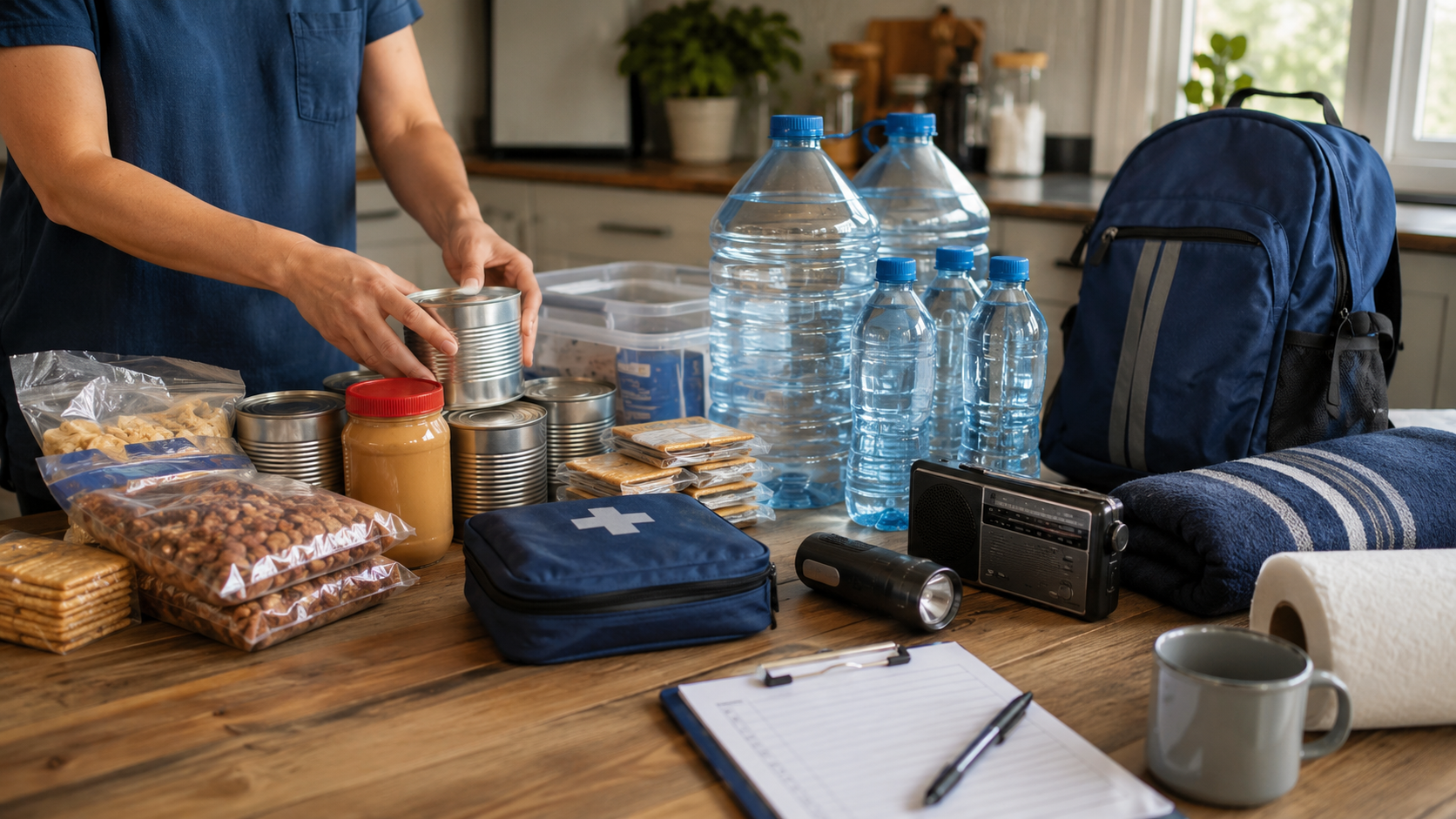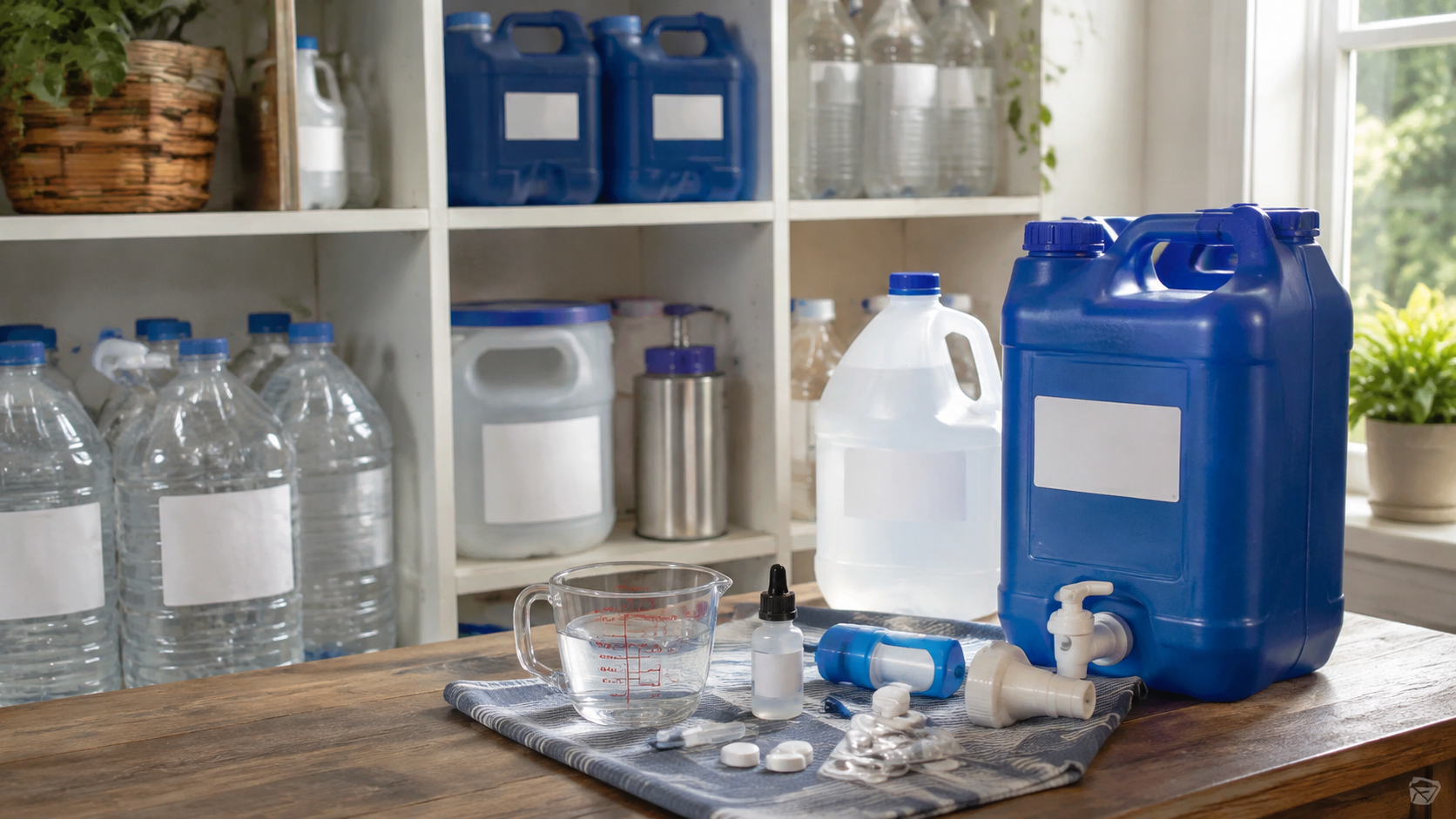
Choosing the right location for your supplies is equally important. A cool, dry environment minimizes the risk of mold and spoilage, while also making it less attractive to pests. Regular inspections are essential; look for any signs of damage or infestation, and take immediate action if necessary. By maintaining a clean and organized storage area, you can significantly reduce the likelihood of pests finding their way to your emergency supplies.
Another common mistake is overcrowding your storage area. When supplies are tightly packed, it can create hidden spaces that attract pests. Instead, allow for some space between containers, enabling easy access and visibility. Rotating your supplies is also critical; use the first-in, first-out method to ensure older items are used before newer ones, which helps maintain freshness and reduces waste.
Choosing the Right Containers
When selecting containers for your emergency supplies, prioritize those that are airtight and made from sturdy materials. Containers that seal tightly help prevent moisture and air from compromising the integrity of your supplies. Look for options such as BPA-free plastic bins or glass jars with rubber gaskets. Avoid cardboard boxes, as they can easily be damaged by pests.
Additionally, consider labeling your containers clearly. This not only helps you keep track of expiration dates but also makes it easier to find specific items in an emergency. Investing in clear containers can be beneficial, allowing you to see the contents without opening them, further reducing the risk of attracting pests.
While selecting containers, remember that size matters. Choose appropriately sized containers for the items you plan to store—too large can lead to wasted space, while too small may not accommodate your supplies effectively. Finding the right balance is essential for optimizing your storage area.
Ideal Storage Locations
The location where you store your emergency supplies can greatly impact their safety from pests. Ideally, choose a space that is cool, dry, and away from direct sunlight. Basements and garages can be suitable, but ensure that these areas are well-sealed from outside elements and pests.
In addition, avoid storing supplies in areas prone to humidity, such as near water heaters or in damp basements. Pests are often attracted to moist environments, so keeping supplies dry is key. If possible, elevate your containers off the ground using shelving to further protect against pests and moisture.
Also, consider the accessibility of your storage location. In an emergency, you’ll want to reach your supplies quickly. Make sure the area is free of clutter and easily navigable, allowing you to grab what you need without delay.
Regular Maintenance and Inspection
To ensure the longevity of your emergency supplies, regular maintenance and inspection are vital. Schedule periodic checks to assess the condition of your supplies, looking for any signs of spoilage, damage, or pest activity. This proactive approach allows you to address issues before they escalate.
During inspections, pay attention to the seals on your containers. If you notice any cracks or damage, replace them immediately to maintain a pest-proof environment. Additionally, rotate your supplies according to expiration dates, ensuring older items are used first to prevent waste.
Consider keeping a log of your inspections and supplies. This can help you track what needs to be replenished or replaced, ensuring you’re always prepared in case of an emergency.
Common Mistakes to Avoid
One of the most common mistakes when storing emergency supplies is failing to seal containers properly. Even small gaps can allow pests to infiltrate and compromise your supplies. Always double-check that lids are securely fastened before putting containers away.
Another mistake is neglecting to clean the storage area. Food particles, spills, and debris can attract pests, making it essential to maintain cleanliness. Regularly sweep and wipe down the storage space to remove any potential attractants.
All in all, avoid overstocking supplies. While it’s important to be prepared, cramming too many items into a small space can lead to damage and make it harder to spot any pest activity. Prioritize organization and accessibility to ensure you can efficiently manage your emergency supplies.
Further Reading
Authoritative Sources
Emergency Supply Kit ready.gov
This resource outlines essential items for an emergency supply kit and provides tips on storage
Food Safety in Emergencies cdc.gov
Guidelines on how to store food safely during emergencies to prevent spoilage and pest issues
Food Safety Regulations fda.gov
Information on food safety regulations that can help you understand how to manage stored supplies effectively
Frequently Asked Questions
What types of containers are best for storing emergency supplies?
Airtight containers made from heavy-duty plastic or glass are ideal for preventing pests and moisture from damaging supplies.
How often should I check my emergency supplies?
Regular inspections should be conducted at least every six months to assess for spoilage or pest activity.
Can I store emergency supplies in my garage?
Yes, but ensure the garage is well-sealed from outside elements and pests, and maintain a cool, dry environment.
What should I do if I find pests in my supplies?
Immediately remove the infested items, clean the area thoroughly, and inspect other supplies to prevent further infestations.
Is it important to rotate my emergency supplies?
Yes, rotating supplies helps ensure that older items are used first, maintaining freshness and reducing waste.
Conclusion
Storing emergency supplies effectively is essential for ensuring their longevity and usability during times of need. By choosing the right containers, maintaining a clean and organized storage environment, and regularly inspecting your supplies, you can significantly reduce the risk of pest infestations. Prioritize proper sealing, accessibility, and rotation of your supplies to ensure that you are always prepared. Implement these strategies to safeguard your emergency supplies against pests and ensure your readiness in any situation.
Understanding these timelines is crucial for rural communities, as they often face unique challenges compared to urban areas. Limited access to resources, fewer personnel, and potential isolation can delay recovery efforts. Furthermore, the community’s preparedness and response plans significantly influence the speed of recovery, highlighting the importance of proactive measures.
A common mistake in disaster recovery is underestimating the time required for infrastructure restoration. Many assume that once immediate needs are met, recovery is complete. However, rebuilding roads, utilities, and services can take months or even years, especially if the local economy and workforce are severely impacted. Prioritizing recovery phases and realistic planning can help mitigate these challenges.
Immediate Response Phase
The immediate response phase following a disaster is critical and typically lasts from a few days to a couple of weeks. During this time, the primary focus is on ensuring safety, providing shelter, and addressing urgent medical needs. Emergency services, local governments, and volunteer organizations often mobilize quickly to assess damage and offer assistance.
In rural areas, the immediate response can be complicated by factors such as limited access to affected locations and fewer available resources. It is essential for communities to have a well-coordinated emergency plan that includes clear communication channels and resource allocation strategies to facilitate a swift response.
A common pitfall during this phase is the lack of preparedness. Communities that do not have established emergency response plans may struggle to mobilize effectively, leading to delays in aid. This highlights the importance of conducting regular drills and community training to enhance readiness.
Short-Term Recovery Phase
The short-term recovery phase usually spans from several weeks to a few months. This phase focuses on restoring basic services such as water, electricity, and healthcare, as well as providing temporary housing solutions for displaced individuals. The speed of recovery during this phase depends on the extent of the damage and the resources available.
In rural settings, rebuilding essential services can be particularly challenging due to limited manpower and equipment. Engaging local volunteers and organizations can be an effective way to speed up recovery efforts. The community’s resilience and ability to adapt to new circumstances play a crucial role in this phase.
One mistake often made is overlooking mental health support for those affected. Addressing psychological trauma is as vital as restoring physical infrastructure. Communities should prioritize mental health services to aid individuals in coping with their experiences.
Long-Term Recovery Phase
The long-term recovery phase can last from several months to years, depending on the disaster’s severity and the community’s resources. This phase involves comprehensive rebuilding efforts, including restoring housing, infrastructure, and local economies. It is crucial to develop a strategic recovery plan that addresses both immediate and long-term needs.
In rural areas, long-term recovery often faces unique obstacles, such as funding limitations and workforce shortages. Collaborating with state and federal agencies can provide additional resources and support. Additionally, fostering partnerships with non-profit organizations can help communities access grants and other funding opportunities.
Many rural communities mistakenly believe recovery will occur organically once immediate needs are met. However, without a structured long-term recovery plan, communities risk prolonged disruption and economic decline. Establishing clear goals and timelines is essential for successful recovery.
Key Challenges in Rural Recovery
Rural areas encounter specific challenges during disaster recovery that can significantly impact timelines. Limited access to resources, fewer trained personnel, and geographical isolation can hinder recovery efforts. Understanding these challenges is essential for effective planning and execution of recovery strategies.
Another critical aspect is the reliance on local economies, which may be vulnerable to disruptions. Rural communities often have fewer financial reserves and may struggle to recover economically after a disaster. It is vital to consider economic recovery strategies as part of the overall disaster recovery plan.
Communities must prioritize establishing partnerships with local businesses and organizations to foster economic recovery. This collaboration can help revitalize the local economy and create a more resilient community in the face of future disasters.
Further Reading
Authoritative Sources
FEMA Disaster Recovery Resources fema.gov
This resource provides comprehensive information on disaster recovery planning and resources available for communities
National Response Framework nrc.gov
A guide outlining the principles of effective disaster response and recovery strategies
American Red Cross Recovery Resources redcross.org
Offers support and resources for disaster recovery, including mental health assistance
Frequently Asked Questions
What is the first step in disaster recovery for rural areas?
The first step in disaster recovery is conducting a damage assessment to understand the extent of the impact and prioritize immediate needs such as safety and shelter.
How long does it typically take for full recovery after a disaster?
Full recovery can take anywhere from several months to several years, depending on the severity of the disaster and the resources available for rebuilding.
What are common challenges faced during disaster recovery in rural areas?
Common challenges include limited access to resources, fewer trained personnel, and geographical isolation, which can hinder recovery efforts.
How can communities enhance their disaster recovery readiness?
Communities can enhance readiness by developing comprehensive emergency response plans, conducting regular training and drills, and fostering partnerships with local organizations.
Why is mental health support important during recovery?
Mental health support is crucial as disasters can cause psychological trauma; addressing these needs helps individuals and communities recover more effectively.
Conclusion
In closing, realistic timelines for disaster recovery in rural areas require careful planning and consideration of unique challenges. The immediate response phase is critical for ensuring safety, while short-term recovery focuses on restoring essential services. Long-term recovery is vital for rebuilding the community and economy. By prioritizing preparedness and understanding the complexities of recovery, rural communities can enhance their resilience and effectively navigate the recovery process.
In addition to physical security measures, developing a communication plan is essential. Ensure all household members know how to reach each other in case of an emergency. Designate a safe room within your home where family members can gather if necessary, stocked with supplies such as food, water, and first aid kits. The goal is to create a secure environment that minimizes risks during unstable situations.
Common mistakes include underestimating the importance of preparation or assuming that unrest will not affect one’s neighborhood. Many people overlook the need for a contingency plan that includes evacuation routes and emergency contacts. Prioritize securing your home and preparing your family by addressing these aspects before any unrest occurs.
Reinforcing Your Home’s Entry Points
To effectively secure your home, start by reinforcing entry points. This means installing high-quality deadbolts, reinforcing door frames, and adding security bars to windows. These measures can deter potential intruders who may take advantage of civil unrest.
Many homeowners neglect to assess the security of their doors and windows, believing that standard locks are sufficient. However, during times of unrest, these weak spots can become targets. Invest in security systems that include alarms and surveillance cameras to monitor your property and provide peace of mind.
Consider also the landscaping around your home; keep shrubs and trees trimmed to eliminate hiding spots for potential intruders. Prioritize the visibility of your property to deter unwanted attention.
Creating a Safe Room and Emergency Supplies
A safe room is a designated area in your home that provides shelter during emergencies. This space should have minimal windows, solid doors, and be stocked with essential supplies. Basic provisions include non-perishable food, water, a flashlight, and a first aid kit.
Many people forget to consider the need for a safe room until a crisis arises. When choosing a location, consider accessibility for all family members, especially children and elderly individuals. Ensure that everyone knows where it is and what supplies are available.
Regularly check and replenish the supplies in your safe room to ensure everything is up-to-date. This proactive approach can make a significant difference in a crisis situation.
Staying Informed and Connected
Staying informed about local unrest is critical for making timely decisions. Utilize reliable news outlets, social media updates, and community alerts to monitor the situation. Consider downloading apps that provide real-time updates on civil unrest in your area.
Many individuals overlook the importance of information during a crisis, relying solely on word of mouth. This can lead to misinformation and poor decision-making. Use multiple sources to verify information before acting.
Set up a group chat or communication channel with family and friends to share updates and check-in regularly. This network can provide additional support and resources during times of uncertainty.
Developing a Communication Plan
A communication plan is essential for ensuring all family members can stay connected during civil unrest. Outline key contacts, meeting points, and methods of communication in case phone lines are down.
Many families fail to prepare a comprehensive plan, which can lead to confusion and panic during emergencies. Designate a family member as the primary communicator and ensure everyone knows how to reach them.
Regularly review and practice your communication plan to ensure everyone is comfortable with it. This preparation can significantly alleviate stress during a crisis.
Further Reading
Authoritative Sources
Ready.gov ready.gov
A comprehensive resource for emergency preparedness, including tips for securing your home during civil unrest
American Red Cross redcross.org
Offers guidance on creating emergency plans and preparing supplies for various situations
National Fire Protection Association nfpa.org
Provides resources on home safety and emergency preparedness
Frequently Asked Questions
What should I secure first in my home during civil unrest?
Focus on securing doors and windows first, as they are the primary entry points for intruders.
How can I create a safe room in my home?
Select an interior room with minimal windows, ensure it has solid doors, and stock it with emergency supplies.
What supplies should I have in my safe room?
Include non-perishable food, water, a flashlight, a first aid kit, and any necessary medications.
How can I stay informed during civil unrest?
Use reliable news outlets, social media, and local alerts to monitor the situation closely.
Why is a communication plan important during emergencies?
A communication plan ensures all family members can stay connected and informed, reducing panic during crises.
Understanding what to expect during this time can help mitigate panic and confusion. Many people underestimate the disruption to infrastructure, including utilities, communication networks, and transportation routes. It’s essential to stay informed and remain adaptable, as circumstances can change rapidly. Being prepared and knowing what actions to take can make a critical difference in personal safety and effective recovery.
Common mistakes during this period include failing to prioritize personal safety and neglecting to communicate with family or neighbors. Establishing communication plans and ensuring access to essential resources are vital steps. individuals may overlook the importance of mental health support, which can be just as crucial as physical resources in the wake of a disaster.
Assessing Immediate Needs
The first step in the aftermath of a disaster is assessing immediate needs. This includes determining the safety of your environment and securing shelter. Emergency services may be overwhelmed, so individuals should be prepared to take initiative. Identify safe locations, whether it be your home or a designated shelter, and ensure it is secure from further hazards.
It’s crucial to have a plan for accessing clean water and food. Contaminated water sources can pose severe health risks. If local water supplies are compromised, consider boiling water or using purification tablets if available. Stocking non-perishable food items can also help manage sustenance during the initial chaos.
For many, the immediate aftermath can be disorienting, leading to poor decision-making. Prioritize safety by avoiding areas with visible damage or potential hazards. Additionally, consider the needs of vulnerable individuals, such as children and the elderly, who may require extra support during this time.
Establishing Communication
Effective communication is vital during the first 72 hours after a disaster. Establishing a reliable way to communicate with family, friends, and emergency services can significantly impact recovery efforts. Utilize mobile phones, social media, or designated community radio channels to stay connected and informed.
Consider designating a family member or friend outside the affected area as a central point of contact. This can help streamline communication efforts and ensure that everyone is accounted for. Regular updates from official sources, such as local authorities and emergency services, can provide guidance and critical information regarding evacuation routes and safety measures.
Many individuals may underestimate the role of reliable communication in disaster recovery. Avoid assuming that traditional communication methods will be available; plan for alternative channels and ensure that all family members are aware of the communication strategy.
Accessing Resources
Accessing resources during the first 72 hours can be challenging due to disruptions in infrastructure. Local emergency services will likely be the primary source of assistance, but community organizations and shelters may also provide essential support. Familiarize yourself with available resources in your area, including food distribution centers and medical assistance locations.
Be proactive in seeking out these resources, as they may not be immediately visible or accessible. Keep an eye on community bulletin boards and social media pages for updates on resource availability. Additionally, consider collaborating with neighbors to share resources and information, which can create a stronger support network.
Prioritizing resource access can significantly affect individual and community recovery rates. Be prepared for long wait times and potential shortages, and maintain flexibility in your plans as conditions evolve. Actively participating in your local community can also enhance access to crucial support.
Mental Health Considerations
While physical needs are often prioritized in disaster response, mental health considerations are equally important during the first 72 hours. The stress and trauma of experiencing a disaster can lead to feelings of anxiety, confusion, and overwhelm. Acknowledging these feelings and seeking support is vital for recovery.
Consider establishing support groups within your community to share experiences and coping strategies. Engaging in activities that promote mental well-being, such as exercise, meditation, or simply talking to loved ones, can help alleviate stress. Many organizations also offer mental health resources and counseling services that can assist individuals during this challenging time.
Neglecting mental health can lead to long-term consequences, such as PTSD or chronic anxiety. Stay attuned to your emotional needs and those of others, and prioritize seeking help when necessary. Building a supportive community can foster resilience and improve overall recovery outcomes.
Further Reading
Authoritative Sources
Ready.gov: Family Emergency Plan ready.gov
This resource provides comprehensive guidance on creating a family emergency plan, essential for preparedness before and after a disaster
American Red Cross: Emergency Preparedness redcross.org
The American Red Cross offers tools and resources for effective emergency preparedness and response
CDC: Emergency Preparedness and Response cdc.gov
This site provides information on disaster preparedness and response strategies to help communities recover effectively
Frequently Asked Questions
What should I do first after a disaster?
First, ensure your safety and assess your immediate needs, such as shelter, food, and water. Stay informed through local authorities.
How can I find resources after a disaster?
Check local emergency services, community organizations, and social media for updates on available resources and support.
What are common mistakes people make in the aftermath of a disaster?
Common mistakes include neglecting personal safety, failing to communicate with loved ones, and underestimating mental health needs.
How can I support my mental health after a disaster?
Engage in supportive activities, connect with others, and seek professional help if needed to manage stress and trauma.
What information sources should I trust during a disaster?
Rely on official channels such as local government announcements, emergency services, and trusted news organizations for accurate information.
Understanding the specific vulnerabilities of elderly individuals is essential. Many may have mobility issues, cognitive impairments, or chronic health conditions that can complicate their response to emergencies. It’s vital to prioritize their specific needs, ensuring that any emergency plan accommodates these challenges. For instance, if they rely on medication, include a method for maintaining access to these supplies during a crisis.
Additionally, common mistakes in emergency preparation often stem from assumptions about mobility and cognitive capabilities. Family members should avoid underestimating the time it takes for elderly individuals to evacuate or respond to instructions. Regular practice and clear, simple communication can help mitigate these risks.
Creating an Emergency Plan
Establishing a comprehensive emergency plan is the first step in preparing elderly family members. This plan should outline how to respond to various emergencies, such as natural disasters, fires, or medical emergencies. It’s essential to involve the elderly family member in this process, ensuring their input and comfort are prioritized.
When creating the plan, identify potential risks based on their location and health status. For example, if they live in an area prone to flooding, include specific evacuation routes and resources for relocation. Furthermore, ensure that they have access to necessary medical information, such as allergies and medication lists, readily available during emergencies.
Prioritize clear communication in the plan. Use straightforward language and avoid jargon, ensuring that the elderly family member fully understands the procedures. Consider creating visual aids or written instructions that they can refer to when needed.
Building a Customized Emergency Kit
A well-stocked emergency kit is vital for elderly family members during a crisis. This kit should be tailored to their unique needs, including essential medications, personal hygiene products, and comfort items. Consider their dietary restrictions and include non-perishable food items that they can easily consume.
Additionally, ensure that the kit contains necessary medical supplies such as a first aid kit, glucose monitors for diabetics, or any other specific items they may require. Water is crucial; aim for at least one gallon per person per day for at least three days.
Regularly check and update the emergency kit to ensure all items are in good condition and within expiration dates. Involve the elderly family member in this process to empower them and ensure they are familiar with the contents of their kit.
Communication Strategies
Effective communication is essential during emergencies. Establish a clear plan for how family members will stay in touch during a crisis. Identify reliable methods of communication, such as designated phone numbers or messaging apps that the elderly family member is comfortable using.
Consider creating a contact list that includes family members, neighbors, and local emergency services. Ensure that this list is easily accessible and stored in multiple locations, such as in their emergency kit and on their phone. Regularly review this list to keep it updated.
It’s also beneficial to establish a system for checking in on elderly family members during emergencies. Designate a trusted family member or neighbor responsible for making contact and ensuring their safety. This proactive approach can significantly reduce anxiety and uncertainty during crises.
Practice and Drills
Practicing emergency plans and conducting drills can significantly enhance preparedness. Schedule regular practice sessions to walk through the emergency plan, ensuring that elderly family members are familiar with the steps they need to take.
During these drills, pay attention to how they respond and identify any areas where they may need additional support or clarification. This practice can help build their confidence and comfort with the plan, making them more likely to respond effectively during an actual emergency.
Encourage feedback after each drill to improve the plan and address any concerns. This collaborative approach can reinforce their sense of control and agency in emergency situations, making them feel more secure.
Further Reading
Authoritative Sources
Ready.gov: Emergency Preparedness for Seniors ready.gov
This resource provides information specifically aimed at helping seniors prepare for emergencies, emphasizing tailored strategies and checklists
American Red Cross: Emergency Preparedness redcross.org
The Red Cross offers comprehensive guidelines on creating emergency plans and kits, with a focus on vulnerable populations
CDC: Emergency Preparedness for Older Adults cdc.gov
This site outlines the unique needs of older adults during emergencies and provides actionable resources for families
Frequently Asked Questions
What should be included in an emergency kit for elderly family members?
Include essential medications, personal hygiene items, non-perishable foods, water, a flashlight, batteries, and any specific medical supplies they may need.
How can I ensure my elderly family member understands the emergency plan?
Use clear, simple language and provide written instructions or visual aids. Involve them in creating the plan to enhance understanding.
What are common mistakes when preparing elderly family members for emergencies?
Common mistakes include underestimating their mobility challenges, neglecting to practice the plan, and not tailoring the emergency kit to their specific needs.
How often should I review and update the emergency plan?
Review the emergency plan at least twice a year or whenever there are significant changes in health, location, or family dynamics.
What resources are available for emergency preparedness for seniors?
Organizations like the American Red Cross and CDC provide valuable resources, checklists, and guidelines tailored for seniors.