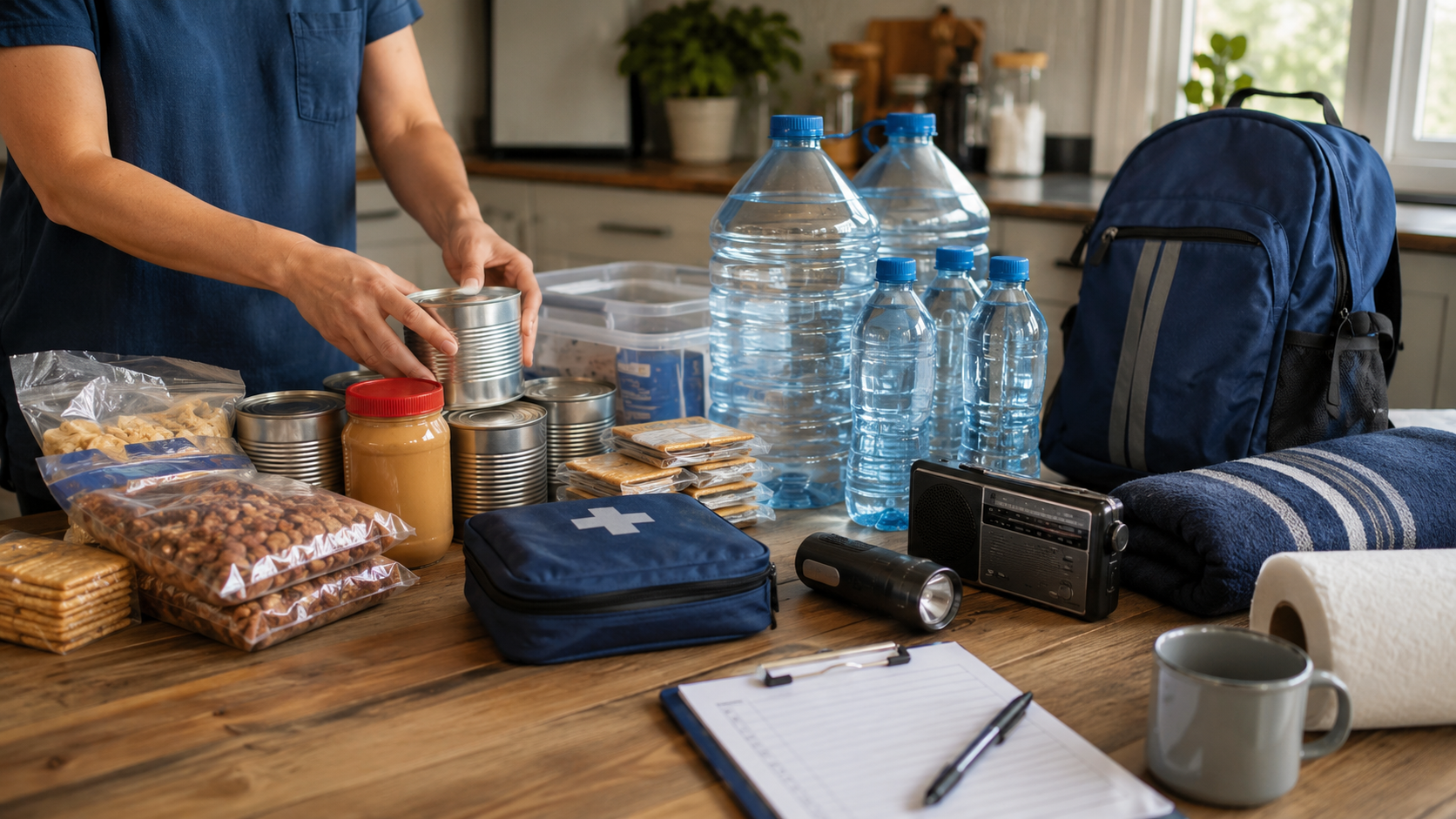
What Happens If Your Neighborhood Becomes Unsafe: Key Actions to Take

In such scenarios, gathering accurate information is critical. Rely on local news, community bulletins, and official announcements to stay updated. Misunderstandings can lead to unnecessary panic or complacency. It’s also important to connect with your neighbors; a united community can share resources, watch out for one another, and formulate collective safety plans. Often, individuals underestimate the power of community solidarity in enhancing safety during uncertain times.

Furthermore, common mistakes include ignoring warning signs or failing to prepare adequately. Many residents may feel a sense of invulnerability, thinking that unsafe conditions will not affect them directly. This mindset can lead to inadequate preparation, making individuals more vulnerable. Prioritizing safety means being proactive—create an emergency plan, establish communication lines with family and friends, and ensure you have essential supplies ready.

Assessing the Risks in Your Area

Understanding the types of risks present in your neighborhood is the first step in ensuring safety. Crime statistics, local news reports, and community feedback can provide insights into potential threats. For example, if there has been an uptick in thefts or assaults, it might be wise to enhance home security measures.

In addition to crime, consider environmental hazards that might pose risks, such as flooding or wildfires. Local authorities often provide data on such risks, helping you to prioritize your safety efforts. A thorough assessment allows you to tailor your response to the specific threats your community faces.

Remember, neglecting to assess these risks can lead to unpreparedness. Many residents assume that their neighborhoods are inherently safe, which can be misleading. By actively engaging with your community and monitoring local news, you can stay informed about changes that may affect your safety.

Practical Safety Measures to Implement

Once you’ve assessed the risks, implementing practical safety measures is essential. Start by securing your home: install quality locks, consider a security system, and ensure your property is well-lit. Additionally, being aware of your surroundings when out and about can help you react quickly if a situation arises.

Consider creating a neighborhood watch program. These initiatives can significantly deter crime as they promote vigilance and community involvement. Residents working together can monitor suspicious activities and report them to authorities, creating a safer environment for everyone.

It is crucial to remember that safety measures should evolve with the changing landscape of your neighborhood. Regularly review and update your safety protocols to ensure they remain effective against current threats. Many people overlook this aspect, assuming that once measures are in place, they are sufficient indefinitely.

Building Community Networks for Safety

Building strong community networks can enhance safety significantly. Engage with your neighbors through community events or online platforms to establish connections. A well-informed community can share valuable information about local threats and responses.

Additionally, forming groups for mutual aid can facilitate resource sharing during emergencies. For instance, if a neighbor has medical expertise, they can assist others during crises. Moreover, these networks often foster a sense of belonging, which can boost collective morale during challenging times.

However, many residents may hesitate to engage with their neighbors due to privacy concerns or a lack of familiarity. Overcoming this barrier is essential, as a connected community can respond more effectively to threats. Prioritize building these relationships, as they can be invaluable in times of need.

Developing an Emergency Plan

An effective emergency plan is critical when facing an unsafe neighborhood. Your plan should include evacuation routes, communication strategies, and a list of essential supplies. Ensure all family members are familiar with the plan and understand their roles during an emergency.

Regularly practicing the plan can also increase readiness. Many individuals create plans but fail to rehearse them, which can lead to confusion during actual emergencies. Conduct drills to identify any weaknesses in the plan and make necessary adjustments.

Remember, the goal of an emergency plan is to minimize chaos during a crisis. Many people neglect to consider potential scenarios, focusing only on immediate threats. By thinking ahead and preparing for various situations, you can significantly improve your safety and responsiveness.

Further Reading

For additional insights on neighborhood safety and preparedness, consider reviewing local government resources or community safety organizations. These resources often provide valuable information tailored to specific areas, enhancing your understanding of local risks and solutions.

Further Reading

Authoritative Sources

  • Ready.gov
    ready.gov

    Official U.S. preparedness guidance, checklists, and planning resources for households and emergencies.

  • FEMA
    fema.gov

    Federal emergency management resources, disaster planning information, and recovery guidance.

  • American Red Cross Emergency Preparedness
    redcross.org

    Practical emergency preparation steps, supply lists, and safety guidance for families.

  • National Weather Service
    weather.gov

    Official forecasts, hazard alerts, and weather safety information.

  • CDC Emergency Preparedness and Response
    cdc.gov

    Public health guidance for emergencies, disasters, and recovery situations.

Frequently Asked Questions

What should I do first if my neighborhood becomes unsafe?

First, assess the specific threats and gather reliable information from local news or authorities. Then, prioritize securing your home and forming a plan with your neighbors.

How can I improve my home security?

Enhance home security by installing quality locks, using security cameras, and ensuring your property is well-lit. Additionally, consider joining a neighborhood watch program.

What resources are available for community safety?

Local government websites, community organizations, and neighborhood associations often provide resources and support for enhancing community safety.

How can I connect with my neighbors?

Engage with your neighbors through community events, social media groups, or neighborhood meetings to build strong connections that enhance safety.

What should be included in an emergency plan?

Your emergency plan should include evacuation routes, communication strategies, and a list of essential supplies, ensuring all family members understand their roles.

Conclusion

In closing, if your neighborhood becomes unsafe, taking proactive steps is crucial. Assess risks, implement safety measures, and build community networks to enhance security. Developing a comprehensive emergency plan can prepare you for various situations, ensuring your safety and that of your loved ones. Stay informed, engaged, and prepared to navigate the challenges of an unsafe neighborhood effectively.

How to Avoid Panic Decisions During High Stress Emergencies: Effective Methods for Clear Thinking

In high-stress situations, the human brain often defaults to instinctual reactions, which can lead to hasty choices that may worsen the situation. Acknowledging this tendency is the first step in mitigating panic. Preparation plays a vital role; developing a robust emergency plan, involving drills, and familiarizing oneself with potential scenarios can create a sense of control, making it easier to think clearly when faced with real crises.

Moreover, understanding common pitfalls is essential. Many individuals underestimate the impact of stress on their cognitive functions, leading to overconfidence in their ability to react effectively. Prioritizing mental conditioning and practicing emergency responses can counteract this. Additionally, fostering a supportive environment where team members feel safe to communicate can enhance collective decision-making.

The Importance of Preparedness

Preparedness is the cornerstone of effective decision-making during emergencies. Having a well-thought-out plan reduces uncertainty and anxiety, allowing individuals to focus on execution rather than panic. Training and drills simulate real-life scenarios, providing context and familiarity that can save lives. These preparations should include not only personal safety protocols but also communication strategies with others involved.

When individuals know what to expect, they can execute their roles with confidence. This is especially crucial in team environments where coordination is key. For instance, in a fire evacuation, knowing the escape routes and roles can prevent chaos and promote a swift, organized response. Regularly revisiting and practicing these plans helps reinforce their effectiveness.

Moreover, preparedness extends beyond physical plans; it includes mental readiness. When stress levels rise, the brain’s fight-or-flight response can hinder rational thinking. Incorporating mental exercises, such as visualization techniques, can enhance preparedness by training the mind to respond effectively under pressure.

Techniques to Maintain Calm

Maintaining calm during emergencies is essential for effective decision-making. Techniques such as controlled breathing, mindfulness, and grounding exercises can help regulate emotional responses. Practicing deep, slow breaths can activate the parasympathetic nervous system, counteracting the body’s stress response and promoting clarity of thought.

Mindfulness involves staying present and aware of one’s surroundings, which can help individuals process information without becoming overwhelmed. Grounding techniques, such as focusing on physical sensations or counting objects in the environment, can redirect attention from anxiety-inducing thoughts to the immediate situation.

In addition to personal techniques, establishing a supportive network can enhance calmness. Having a buddy system or a crisis team can provide reassurance and practical support, allowing individuals to share responsibilities and reduce the burden of decision-making during critical moments.

Building a Decision-Making Framework

A structured decision-making framework is vital for navigating emergencies effectively. This framework should include clear criteria for evaluating options and prioritizing actions based on urgency and impact. For example, using a simple matrix that categorizes tasks by urgency and importance can help streamline decision processes.

Moreover, involving team members in the decision-making process can enhance the quality of choices made. Collaborative discussions can bring diverse perspectives and insights, leading to more informed decisions. Regularly reviewing this framework and adapting it based on past experiences can further refine the decision-making process.

It’s also essential to recognize the limitations of any framework. During emergencies, conditions can change rapidly, requiring flexibility and adaptability. Therefore, a balance between structure and agility is necessary for effective decision-making.

Common Mistakes to Avoid

One of the most significant mistakes made during high-stress emergencies is the tendency to rush decisions without adequate information. This impulse can lead to choices that are not well-considered and may exacerbate the situation. It’s crucial to pause and assess the available information, even briefly, before acting.

Another common pitfall is failing to communicate effectively with others involved in the emergency. Miscommunication can lead to confusion and chaos, undermining the effectiveness of any response. Establishing clear communication channels and protocols beforehand can mitigate this risk.

All in all, underestimating the psychological impact of emergencies can lead to poor decision-making. Acknowledging that stress affects judgment and being proactive in managing stress levels can significantly improve outcomes. Regular training that includes psychological preparedness can help individuals recognize and navigate their emotional responses during crises.

Further Reading

Authoritative Sources

  • Ready.gov
    ready.gov

    A comprehensive resource for emergency preparedness, offering guidance on creating plans and staying informed

  • American Red Cross Emergency Preparedness
    redcross.org

    This site provides practical advice on preparing for various emergencies and maintaining safety during crises

  • NIMH Coping with Disasters
    nimh.nih.gov

    Insights on managing stress and anxiety during disasters from a mental health perspective

Frequently Asked Questions

What should I do first during a high-stress emergency?

First, assess your surroundings for safety and identify immediate threats. Prioritize actions based on urgency and impact.

How can I train for emergency situations?

Participate in drills, create emergency plans, and practice decision-making scenarios to improve your response skills.

What are effective ways to calm down in an emergency?

Use deep breathing techniques, mindfulness practices, and grounding exercises to manage anxiety and maintain focus.

How can I improve my decision-making under stress?

Establish a decision-making framework, practice scenarios, and involve others in the process to enhance clarity and effectiveness.

What mistakes should I avoid during an emergency?

Avoid rushing decisions, miscommunicating with others, and underestimating the psychological impact of stress on your judgment.

Conclusion

To wrap up, avoiding panic decisions during high-stress emergencies hinges on thorough preparation, effective calming techniques, and a structured decision-making framework. Recognizing potential mistakes and understanding the psychological impacts of stress can further enhance your response. By prioritizing these strategies, individuals can improve their capacity to think clearly and act decisively when it matters most, ultimately leading to better outcomes in critical situations.

What Are the Most Important Survival Skills to Learn First: Essential Techniques for Real-World Situations

Understanding the real-world applications of these skills is crucial. For instance, the ability to start a fire can provide warmth, cooking, and signaling for help, while navigation skills can help you find your way in unfamiliar terrains. Water procurement is vital for hydration and survival, especially in extended emergencies. First aid knowledge can be life-saving, and building a shelter protects against the elements. Recognizing the significance of these skills can make a substantial difference in survival scenarios.

Common mistakes include neglecting these foundational skills in favor of more advanced techniques. Many people may overlook the importance of practice and real-world application, assuming they can learn on the fly. Prioritize hands-on practice and simulations in controlled environments to build confidence and competence in these essential survival skills.

Fire-Making Techniques

Fire-making is a critical survival skill that provides warmth, cooking options, and a means of signaling for help. Knowing how to start a fire in various conditions is essential. Techniques range from using matches and lighters to friction methods like the bow drill or hand drill.

When learning fire-making, prioritize understanding the types of tinder, kindling, and fuel to use. Common mistakes include using wet materials or not preparing adequate tinder. Practice different methods in various weather conditions to ensure you can start a fire when needed.

Always consider the environment and fire safety. In some areas, fire restrictions may apply, and knowing how to extinguish a fire properly is vital to prevent wildfires. Focus on mastering this skill in safe settings before relying on it in emergencies.

Navigation Skills

Navigation skills are essential for finding your way in unfamiliar territories, especially when technology fails. Basic navigation includes understanding maps, using a compass, and recognizing natural landmarks.

Developing these skills requires practice in reading topographic maps and using a compass without relying on GPS. A common pitfall is assuming that technology will always be available, leading to a lack of preparedness. Familiarize yourself with both traditional navigation methods and modern technology.

In emergency situations, knowing how to orient yourself quickly can be lifesaving. Always carry a map and compass, and practice navigating in various environments to ensure you can find your way back to safety.

Water Procurement Methods

Access to clean water is vital for survival. Knowing how to locate, purify, and store water can significantly enhance your chances of enduring an emergency situation.

Water procurement methods include finding natural sources, such as streams or lakes, and using techniques like collecting rainwater or dew. Always prioritize purification methods, such as boiling or using water purification tablets, to ensure safety. A common mistake is drinking untreated water, which can lead to illness.

Understanding local water sources and practicing these methods can prepare you for unexpected situations. Always have a backup plan, such as portable water filters or purification tablets, in your emergency kit.

First Aid Essentials

First aid knowledge is critical in survival situations, as injuries can occur unexpectedly. Essential first aid skills include treating wounds, performing CPR, and managing shock.

Many people overlook the importance of keeping a well-stocked first aid kit and knowing how to use its contents. Regularly practicing first aid techniques ensures you can respond effectively in emergencies. A common mistake is hesitating to act due to fear or uncertainty; practicing skills can build confidence.

Enroll in first aid courses to deepen your understanding and keep your skills current. Familiarize yourself with your first aid kit’s contents and ensure it’s easily accessible in emergencies.

Shelter Building Strategies

Building a shelter is essential for protection against the elements in survival situations. Knowing how to construct various types of shelters can make a significant difference in comfort and safety.

Prioritize learning different shelter types, including natural shelters like caves and constructed shelters using materials such as branches and leaves. A common mistake is underestimating the importance of insulation and windbreaks, which can make a shelter more effective.

Practice building shelters in various environments to understand the materials available and the best techniques for different situations. Always consider the weather and terrain when planning your shelter.

Further Reading

Authoritative Sources

  • American Red Cross First Aid
    redcross.org

    A comprehensive resource for first aid training and emergency preparedness information

  • National Park Service Wilderness Survival
    nps.gov

    Guidelines and tips for wilderness survival, focusing on essential skills and safety

  • Survival Sullivan
    survivalsullivan.com

    A wealth of survival resources, including practical tips and techniques for various scenarios

Frequently Asked Questions

What is the most crucial survival skill?

Fire-making is often considered the most crucial survival skill as it provides warmth, cooking, and signaling capabilities.

How can I practice survival skills effectively?

Participate in survival courses, practice in controlled environments, and simulate emergencies to build confidence and competence.

What should I include in my emergency kit?

Your emergency kit should include first aid supplies, water purification methods, a fire-starting tool, and navigation aids.

How do I purify water in the wild?

Boiling water for at least one minute or using purification tablets are effective methods to ensure water safety.

What is the best type of shelter for emergencies?

The best type of shelter depends on the environment; natural shelters like caves or constructed shelters using branches are effective options.

Conclusion

In summary, mastering fundamental survival skills like fire-making, navigation, water procurement, first aid, and shelter building is essential for preparedness. Prioritize hands-on practice and real-world application to build confidence and ensure you can effectively respond to emergencies. Stay informed about local resources and continually refine your skills to enhance your survival capabilities.

What Happens If You Lose Access to Transportation: Consequences and Alternative Solutions

Understanding the practical implications of losing transportation is essential. Individuals may face challenges such as increased travel times, reliance on public transport schedules, or the need to seek alternative methods of travel, such as carpooling or biking. This situation can particularly affect those living in rural areas, where public transport options are limited, or for those with disabilities who require specialized transport. The trade-offs involved in finding alternative solutions can also lead to increased costs and time commitments, making it vital to plan ahead.

Common mistakes include underestimating the impact of losing transportation and failing to have contingency plans in place. Many people assume they will always have access to their usual modes of transport, which can lead to crises when those options become unavailable. Prioritizing alternatives, such as establishing strong community networks for shared rides or investing in a reliable backup vehicle, can mitigate the risks associated with losing access to transportation.

Consequences of Losing Transportation Access

The consequences of losing access to transportation can be far-reaching. Individuals may find it challenging to attend work or school, leading to potential job loss or academic setbacks. Furthermore, access to healthcare becomes critical; missing appointments can exacerbate existing health issues. The financial implications can also be significant, as individuals may incur additional costs through alternative transport methods or face loss of income.

Moreover, the psychological impact of transportation loss often goes unaddressed. Isolation can lead to feelings of helplessness and anxiety, particularly for those who depend on public transport or family members for mobility. The inability to connect with others can create a cycle of dependency and further limit opportunities for social engagement or assistance.

To navigate these challenges, understanding the local transportation landscape is crucial. Residents should familiarize themselves with available public transport options, local rideshare programs, or community shuttles that may serve their area. Awareness of these options can empower individuals to make informed decisions during transportation crises.

Alternative Transportation Solutions

When traditional transportation methods are unavailable, exploring alternative solutions becomes essential. Options may include carpooling, using rideshare services, or utilizing bicycles for short distances. Each alternative has its own set of benefits and drawbacks, and the choice often depends on individual circumstances, such as distance, cost, and personal safety.

Carpooling can provide a cost-effective solution while fostering community connections. However, it requires coordination and trust among participants. Rideshare services offer flexibility but can become expensive, especially for frequent users. Bicycling is an environmentally friendly option that promotes physical health, but it may not be feasible for everyone due to distance or safety concerns.

Prioritizing the most suitable alternative is essential. Evaluating factors such as convenience, cost, and safety can guide individuals in making the best choice for their circumstances. Additionally, considering multiple alternatives can provide a backup plan in case the primary option becomes unavailable.

Community Resources and Support

Communities often have resources to assist individuals who lose access to transportation. Local organizations may offer transport services for seniors, individuals with disabilities, or low-income families. These services can bridge gaps in accessibility and provide essential support for maintaining mobility.

Engaging with local community centers or non-profits can help individuals discover available resources. Many communities have volunteer programs that offer rides for essential services, such as medical appointments or grocery shopping. Building a network within the community can also lead to informal ride-sharing arrangements, enhancing overall mobility.

Understanding how to access these resources is critical. Individuals should research local offerings, ask for recommendations, and consider participating in community meetings to stay informed about available support systems. This proactive approach can significantly improve mobility and reduce the stress associated with transportation loss.

Planning for Transportation Loss

Planning for potential transportation loss is vital for minimizing disruption. Individuals should create a contingency plan that outlines alternative transportation methods, local resources, and community contacts. This plan should be flexible and adaptable to changing circumstances.

Consideration should also be given to budgeting for transportation expenses. Setting aside funds for rideshare services or public transport fares can alleviate financial stress when traditional methods fail. Additionally, maintaining a list of reliable contacts for carpooling or rides can provide quick solutions in emergencies.

Regularly reviewing and updating the transportation plan ensures its effectiveness. Engaging with community members to share insights or resources can strengthen the network of support, making it easier to navigate transportation challenges when they arise.

Further Reading

Authoritative Sources

  • National Highway Traffic Safety Administration
    nhtsa.gov

    This resource provides information on transportation safety and alternative transport options

  • U.S. Department of Transportation
    transit.dot.gov

    Find transportation resources and programs to assist those in need of mobility solutions

  • AARP Transportation Resources
    aarp.org

    AARP offers valuable insights and resources aimed at assisting older adults with transportation challenges

Frequently Asked Questions

What should I do first if I lose access to transportation?

Immediately assess your transportation needs and explore alternative options, such as public transport or ridesharing services.

How can I find community resources for transportation?

Contact local community centers, non-profits, or government agencies to inquire about available transportation assistance programs.

What are the costs associated with alternative transportation solutions?

Costs can vary widely depending on the option chosen; public transport tends to be cheaper than ridesharing services, which can accumulate quickly.

How can I prepare for potential transportation loss?

Create a contingency plan outlining alternative transportation methods and establish a budget for unexpected expenses.

What are the long-term effects of losing access to transportation?

Long-term effects can include job loss, reduced access to healthcare, increased isolation, and overall decline in quality of life.

Conclusion

Losing access to transportation can disrupt lives significantly, impacting work, education, and health. It is crucial to understand the consequences and actively seek alternative solutions. Building a network of community resources and planning ahead can mitigate risks and ensure continued mobility. Prioritizing flexibility and adaptability in transportation plans will empower individuals to navigate challenges effectively. By staying informed and prepared, individuals can minimize the negative impacts of transportation loss and maintain their quality of life.

What Are the Risks of Relying on One Water Source: Potential Failures and Mitigation Strategies

Understanding the practical implications of this reliance is crucial. For instance, a contaminated water source can lead to widespread health issues, while depletion can occur due to over-extraction or changing environmental conditions. Communities that do not diversify their water sources may find themselves unprepared for sudden changes or emergencies, leading to increased vulnerability and potential crises.

Moreover, many individuals overlook the long-term sustainability of their water sources. They might assume that their current supply is sufficient without considering factors like population growth, climate variability, and environmental degradation. Prioritizing a multi-source strategy not only enhances resilience but also ensures a more consistent and safe water supply.

Contamination Risks of Sole Water Sources

One of the most pressing risks of relying on a single water source is contamination. This can occur from various sources, including agricultural runoff, industrial discharges, and natural pollutants. When a community’s water supply is compromised, the health implications can be severe, leading to outbreaks of waterborne diseases.

To mitigate these risks, regular monitoring and testing of the water source are essential. Communities should establish protocols to identify contamination early and respond promptly. Additionally, implementing protective measures, such as buffer zones around water sources, can significantly reduce the likelihood of contamination.

Commonly, individuals and organizations may underestimate the frequency and sources of contamination. They often assume that water treatment processes are foolproof. However, proactive measures and community involvement in monitoring can enhance safety and reliability.

Depletion and Over-Reliance on Water Sources

Depletion of a water source is another critical risk associated with relying on a single supply. Over-extraction, particularly in areas experiencing drought or increased demand, can lead to severe shortages. This is especially relevant in agricultural settings where irrigation demands can outpace natural replenishment.

To address depletion, communities should adopt sustainable water management practices. This includes encouraging water conservation, implementing efficient irrigation techniques, and exploring alternative sources such as rainwater harvesting. By diversifying water supply strategies, the risk of depletion can be significantly reduced.

Many communities fail to plan for potential shortages, often focusing solely on immediate needs rather than long-term sustainability. By prioritizing conservation and alternative sources, communities can ensure a more resilient water supply.

Climate Change Impacts on Water Supply

Climate change presents an additional layer of risk for those reliant on a single water source. Altered precipitation patterns, increased evaporation rates, and extreme weather events can drastically affect water availability. Regions that experience these changes may find their primary water sources diminishing or becoming unreliable.

To combat the effects of climate change, it is vital for communities to incorporate adaptive management strategies. This could involve investing in infrastructure that enhances resilience, such as building reservoirs or improving water recycling systems. These strategies not only safeguard against climate impacts but also promote sustainable practices.

Often, communities overlook the potential long-term changes that climate change can bring, focusing instead on short-term solutions. A proactive approach that considers future climate scenarios is essential for ensuring a reliable water supply.

Mitigation Strategies for Water Source Dependence

Mitigating the risks associated with reliance on one water source requires a multifaceted approach. Communities should aim to diversify their water sources, integrating methods such as rainwater harvesting, groundwater recharge, and desalination where feasible. This not only spreads the risk but also enhances overall water security.

Moreover, public education on water conservation practices can empower individuals to reduce their water usage, further alleviating pressure on existing sources. This community involvement is crucial for fostering a culture of sustainability and resilience.

People often underestimate the importance of community engagement in water management. By involving residents in decision-making processes and educating them on conservation methods, communities can build a more robust and adaptive approach to water resource management.

Further Reading

Authoritative Sources

  • Environmental Protection Agency (EPA)
    epa.gov

    This site provides extensive resources on water quality standards and monitoring practices

  • World Health Organization (WHO)
    who.int

    WHO offers guidelines on water safety and health implications of water contamination

  • Natural Resources Defense Council (NRDC)
    nrdc.org

    NRDC focuses on sustainable water management practices and environmental protection

Frequently Asked Questions

What are the main risks of relying on one water source?

The main risks include contamination, depletion, and vulnerability to climate change, leading to potential water scarcity and health issues.

How can contamination of a water source be prevented?

Regular monitoring, protective buffer zones, and community involvement in testing can help prevent contamination of water sources.

What strategies can mitigate water depletion?

Implementing water conservation practices, efficient irrigation methods, and exploring alternative sources like rainwater harvesting can mitigate depletion risks.

How does climate change affect water supply?

Climate change can alter precipitation patterns, increase evaporation, and lead to extreme weather, affecting the availability and reliability of water sources.

Why is community involvement important in water management?

Community involvement fosters a culture of sustainability and empowers individuals to actively participate in conservation and management efforts.