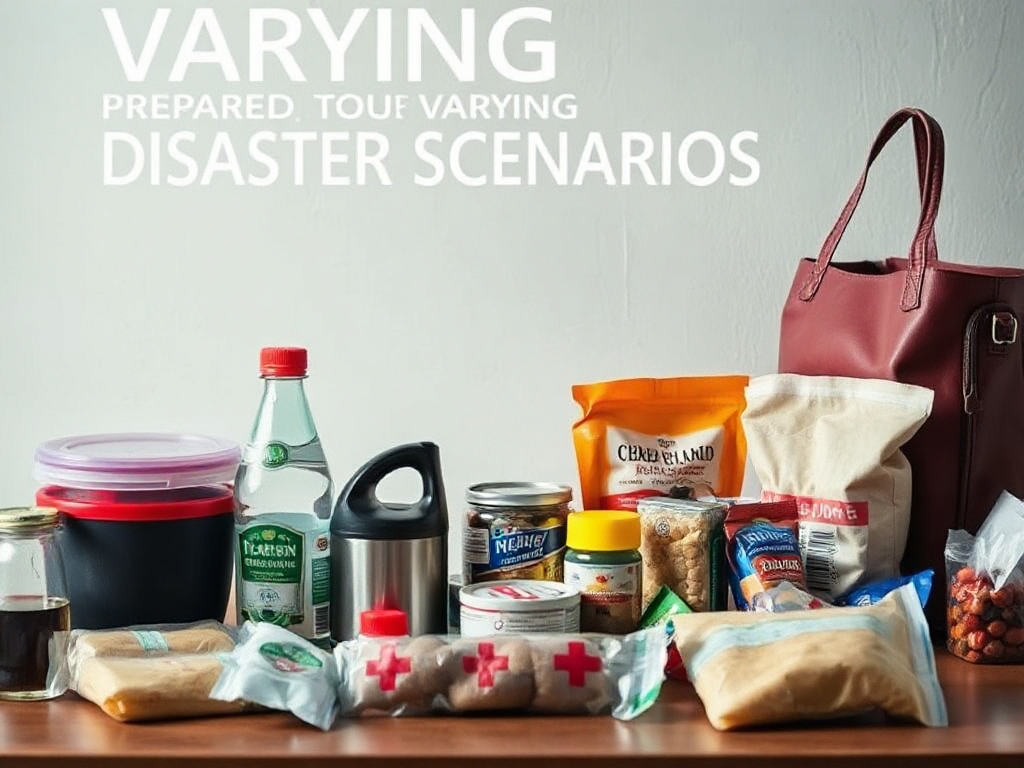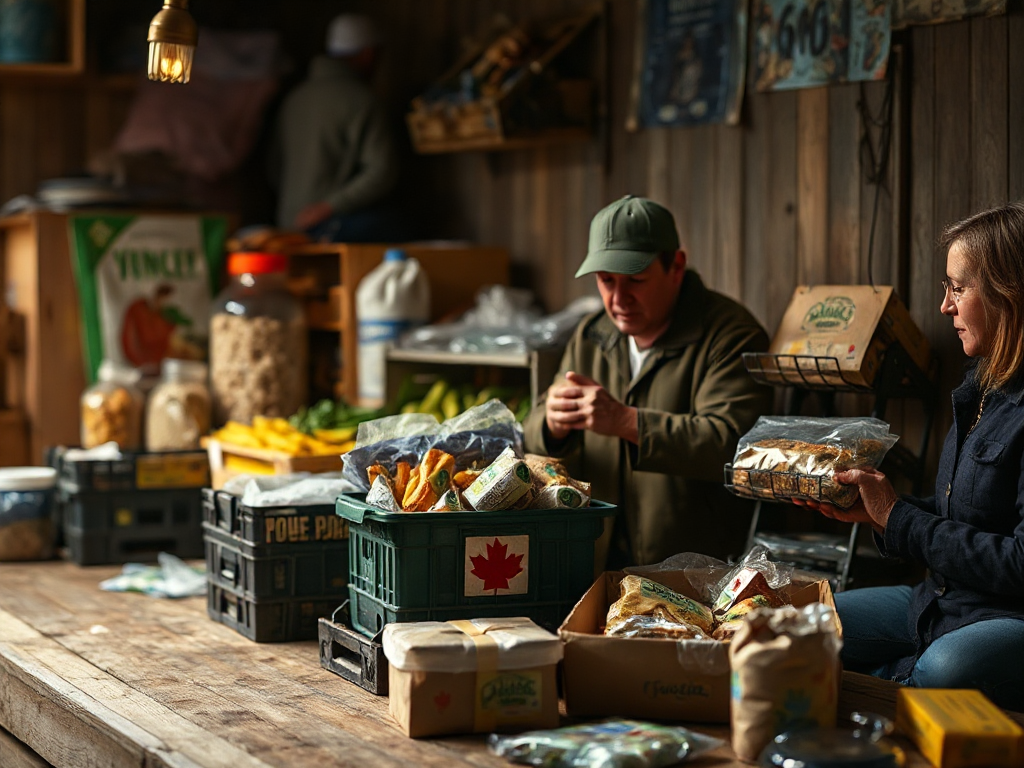
Practical responses to economic instability should include diversifying income sources, maintaining an emergency fund, and staying updated on economic indicators. Many people overlook the importance of proactive financial planning during uncertain times, often waiting until a crisis hits before taking action. This can lead to missed opportunities and increased vulnerability.
Additionally, it’s vital to recognize how economic instability can affect different sectors uniquely. For instance, while some industries may contract, others might see growth due to shifting consumer demands. Understanding these nuances can help individuals and businesses adapt their strategies effectively.
Understanding Economic Indicators
Key economic indicators such as GDP growth rate, unemployment rate, and inflation provide insight into the health of the economy. During periods of prolonged instability, these indicators can signal potential downturns or recovery phases. For instance, a rising unemployment rate often precedes decreased consumer spending, which can exacerbate economic challenges.
It’s essential to monitor these indicators closely and understand their implications. For example, inflation can erode purchasing power, affecting both consumers and businesses. By staying informed, individuals can make better financial decisions, such as adjusting budgets or investing in inflation-protected assets.
Moreover, recognizing the lag between economic indicators and actual outcomes is crucial. Many people may react slowly to economic changes, leading to missed opportunities for proactive measures. Keeping an eye on trends can help individuals stay ahead of potential issues.
Preparing for Economic Disruptions
Preparation is key to navigating economic instability. Building an emergency fund that covers at least three to six months of living expenses is a recommended strategy. This buffer can provide essential support during job loss or unexpected expenses.
In addition to financial preparedness, diversifying income sources can help mitigate risk. Relying solely on one job or business can be precarious in unstable economic conditions. Exploring freelance work, side businesses, or passive income streams can enhance financial security.
Many individuals underestimate the importance of these preparations until faced with a downturn. By taking proactive steps now, one can reduce stress and uncertainty in the future. This forward-thinking approach fosters resilience and adaptability.
Identifying Opportunities Amidst Instability
While economic instability presents challenges, it also creates opportunities. Certain sectors, such as technology and healthcare, may thrive during downturns, driven by increased demand for innovative solutions. Identifying these sectors can provide strategic investment opportunities.
Additionally, economic instability often leads to lower asset prices, presenting buying opportunities for savvy investors. For instance, real estate may become more affordable, allowing individuals to invest at lower entry points. Understanding market cycles can help individuals capitalize on these moments.
However, it’s essential to conduct thorough research and avoid impulsive decisions based on fear or speculation. A well-thought-out strategy can help individuals navigate through uncertain times while taking advantage of potential growth areas.
Common Mistakes to Avoid
One of the most significant mistakes during economic instability is panic selling. Many individuals react emotionally to market fluctuations, leading to poor investment decisions. Staying calm and sticking to a well-defined strategy is crucial.
Another common pitfall is neglecting to adapt financial plans to changing circumstances. Economic conditions can shift rapidly, and failing to adjust budgets or investment portfolios accordingly can lead to missed opportunities or increased risk.
Lastly, relying solely on traditional sources of information can be limiting. Engaging with diverse perspectives and staying informed through various channels can provide a more comprehensive understanding of economic conditions. This awareness can guide better decision-making.
Further Reading
Authoritative Sources
The Economist economist.com
Provides in-depth analysis and insights on global economic trends, helping readers understand the broader context of economic instability
International Monetary Fund (IMF) Publications imf.org
Offers research and policy analysis on global economic stability and growth, valuable for understanding economic indicators
Bureau of Labor Statistics (BLS) bls.gov
Provides essential data on employment, unemployment, and inflation, critical for monitoring economic health
World Bank Publications worldbank.org
Offers insights and reports on global economic conditions and development, useful for understanding the impact of economic instability worldwide
Frequently Asked Questions
What are the signs of prolonged economic instability?
Signs include rising unemployment rates, persistent inflation, declining GDP, and disruptions in supply chains.
How can I financially prepare for economic instability?
Build an emergency fund, diversify your income sources, and adjust your budget to account for potential economic changes.
What sectors tend to perform well during economic downturns?
Typically, sectors like healthcare, technology, and essential consumer goods often perform better during economic downturns.
Should I invest during economic instability?
Yes, but with caution. Look for undervalued assets and sectors that may benefit from changing consumer needs.
What common mistakes should I avoid during economic instability?
Avoid panic selling, neglecting to adjust financial plans, and relying solely on traditional sources of information.
Conclusion
Prolonged economic instability can pose significant challenges, but understanding the underlying indicators and preparing accordingly can empower individuals and businesses to navigate these turbulent times. By building financial resilience, identifying opportunities, and avoiding common pitfalls, one can emerge stronger from economic uncertainty. Prioritize proactive planning and informed decision-making to enhance your stability and adaptability in an ever-changing economic landscape.
One of the most critical aspects of an off grid water system is the source of water. Depending on your location, you may choose to rely on rainwater harvesting, groundwater wells, or surface water sources like rivers or lakes. Each option has its own set of advantages and challenges. For instance, rainwater harvesting can provide a sustainable and reliable source but may require significant initial investment and proper maintenance.
Additionally, it’s essential to consider the filtration and purification process to ensure the water is safe for consumption. Many off grid systems utilize multiple filtration methods, including sediment filters, activated carbon, and UV purification. Neglecting this aspect can lead to serious health risks, making it vital to prioritize water quality.
Selecting the Right Water Source
Choosing the right water source is foundational to building a resilient off grid water system. Common sources include rainwater, wells, and surface water. Each type has unique considerations. For example, rainwater harvesting systems are often easier to set up and can be reliable in areas with sufficient rainfall. In contrast, wells may provide a more consistent supply but require drilling and can incur higher costs.
When evaluating your options, consider the long-term sustainability of each source. Groundwater levels can fluctuate based on local climate conditions, while rainwater collection is directly tied to seasonal patterns. A mixed approach, combining multiple sources, can enhance resilience against drought or other supply disruptions.
Be aware of local regulations regarding water rights and harvesting. Understanding these legalities can prevent potential conflicts and ensure your system remains compliant and sustainable.
Filtration and Purification Methods
Once you have established a water source, the next step is ensuring the water is safe for use. This involves selecting appropriate filtration and purification methods. Common techniques include sediment filters, activated carbon filters, and UV light systems. Each method addresses different contaminants, making it essential to choose a combination that suits your specific water quality needs.
For instance, sediment filters can remove larger particles, while activated carbon filters effectively reduce chlorine and other chemicals. UV purification is excellent for eliminating bacteria and viruses but requires electricity, which may be a consideration for off grid systems. Combining these methods can provide comprehensive protection against various contaminants.
One common mistake is underestimating the importance of regular maintenance and replacement of filtration systems. Failing to do so can compromise water quality, leading to health risks. Establish a schedule for maintenance to ensure your water remains safe.
Storage Solutions for Off Grid Water
Effective storage solutions are crucial for maintaining a resilient off grid water system. Water tanks should be chosen based on your usage needs and available space. Common materials include polyethylene, fiberglass, and metal, each with its own advantages and disadvantages.
Consider factors such as capacity, insulation, and water quality when selecting a storage tank. For example, insulated tanks can help maintain water temperature, reducing the risk of algae growth in warmer climates. Additionally, ensuring your storage tank is properly sealed will prevent contamination from external sources.
Regularly inspect your storage system for signs of leaks or contamination. A proactive approach to maintenance can save you significant costs and ensure your water supply remains reliable.
Maintenance and Monitoring
Maintenance and monitoring are essential to the longevity and reliability of your off grid water system. Regular checks on your water source, filtration systems, and storage tanks can prevent minor issues from becoming major problems. Establish a routine that includes checking water quality and inspecting for leaks or signs of wear.
Consider investing in water testing kits to monitor the quality of your water regularly. This will help you catch any contamination issues early and ensure that your water remains safe to drink. Additionally, keep detailed records of maintenance activities, which can help identify patterns or recurring issues over time.
Ignoring maintenance can lead to system failures, costly repairs, or health risks from contaminated water. Prioritizing these tasks will ensure your off grid water system remains resilient and dependable.
Further Reading
Authoritative Sources
U.S. Environmental Protection Agency epa.gov
Provides guidelines on safe drinking water and water quality standards
California State Water Resources Control Board waterboards.ca.gov
Offers resources on water rights and regulations for various water sources
Natural Resources Conservation Service nrcs.usda.gov
Information on sustainable water management practices and conservation efforts
WaterSense watersense.usda.gov
A program by the EPA that provides information on water-efficient products and practices
Frequently Asked Questions
What is the best water source for off grid living?
The best water source depends on your location but typically includes rainwater harvesting, wells, or nearby rivers/lakes. A combination of sources can enhance reliability.
How can I ensure my off grid water is safe to drink?
Use a combination of filtration and purification methods, such as sediment filters, activated carbon, and UV purification, to ensure water safety.
What size storage tank do I need for my water system?
The size of the storage tank depends on your water usage and the number of people in your household. Calculate your daily water needs to determine the appropriate capacity.
How often should I maintain my water system?
Regular maintenance should be performed at least quarterly, including checking filtration systems, inspecting tanks for leaks, and testing water quality.
What are common mistakes to avoid when setting up an off grid water system?
Common mistakes include neglecting water quality testing, underestimating storage needs, and failing to consider local regulations regarding water rights.
Conclusion
Building a resilient off grid water system requires careful planning and execution. By selecting the right water sources, implementing effective filtration and purification methods, and maintaining your system regularly, you can ensure a reliable water supply. Always prioritize water quality and sustainability to avoid potential health risks and system failures. Take the time to research local regulations and best practices, and consider combining multiple water sources for added resilience. Your off grid living experience will greatly benefit from a well-designed water system.
Understanding why freeze dried food is costly can clarify its usefulness. The freeze drying process requires significant energy and sophisticated equipment, which contributes to higher production costs. Additionally, quality ingredients are often used to ensure the food retains its nutritional value and flavor. This investment results in a product that is not only portable but also has a shelf life that can extend up to 25 years, making it ideal for various situations, from outdoor adventures to emergency supplies.
Many consumers mistakenly believe that freeze dried food is merely a luxury item, but its benefits can outweigh the initial investment. For instance, the convenience of having lightweight, easy-to-prepare meals can be a game changer during emergencies or when traveling. Furthermore, the long shelf life means less food waste and the ability to stock up without frequent replacements. Recognizing these advantages can help consumers appreciate the value of freeze dried food beyond its price tag.
Understanding Freeze Drying Technology
Freeze drying is a complex process that involves freezing food and then reducing the surrounding pressure to allow the frozen water in the food to sublimate directly from ice to vapor. This method preserves the food’s structure, flavor, and nutrients much better than traditional drying methods, making it particularly effective for fruits, vegetables, and meals.
The technology behind freeze drying is what makes it both effective and expensive. The equipment required is specialized and requires significant investment, which is passed on to consumers. Additionally, the process is time-consuming, often taking days to complete for a single batch. However, the result is food that retains its original color, taste, and nutritional value, which is crucial for those who require high-quality meals.
Many consumers overlook the importance of this technology when considering the price. It’s essential to recognize that the investment in freeze dried food pays off in terms of quality and longevity, especially in situations where nutrition and convenience are paramount.
Cost Breakdown of Freeze Dried Food
The cost of freeze dried food can range significantly depending on the brand, type of food, and packaging. On average, freeze dried meals can cost 2-5 times more than their non-freeze dried counterparts. The primary factors influencing these costs include ingredient quality, production techniques, and packaging.
High-quality ingredients are essential for creating freeze dried food that is both nutritious and palatable. Many manufacturers source organic or non-GMO ingredients, which can increase costs. Additionally, the production process itself is energy-intensive, requiring advanced machinery and skilled labor, further driving up the price.
In the long term, however, the investment in freeze dried food can be justified. Its long shelf life means that consumers can save money by purchasing in bulk and reducing food waste. Understanding the cost breakdown can help consumers make informed choices about their purchases.
Benefits of Freeze Dried Food
One of the most significant advantages of freeze dried food is its long shelf life. When stored properly, freeze dried meals can last 20-30 years, which is far superior to other food preservation methods. This longevity makes it an excellent choice for emergency preparedness, allowing families to stock up on essential supplies without the worry of spoilage.
Additionally, freeze dried food is lightweight and compact, making it ideal for camping, hiking, and travel. Its ease of preparation—often requiring just hot water—adds to its appeal, especially for those on the go. Nutritionally, it retains most of the vitamins and minerals found in fresh food, which is a critical factor for maintaining health during long-term storage situations.
Despite the higher upfront cost, the practical benefits of freeze dried food make it a worthwhile investment for many consumers. Prioritizing these advantages, especially for those who value convenience and nutrition, can significantly enhance their food storage strategy.
Common Misconceptions
A prevalent misconception is that freeze dried food is only for survivalists or extreme outdoor enthusiasts. While it is a staple for these groups, it can also serve everyday consumers looking for convenient meal options. Many families use freeze dried meals for road trips, busy weeknights, or even as part of their regular diet.
Another common misunderstanding is that freeze dried food lacks flavor or nutritional value. On the contrary, many brands focus on providing delicious, gourmet meals that are as satisfying as fresh options. Consumers should be aware that not all freeze dried foods are created equal; reading reviews and ingredient labels can help ensure a quality product.
By addressing these misconceptions, consumers can make more informed decisions about incorporating freeze dried food into their diets, recognizing its value beyond just an emergency supply.
Further Reading
Authoritative Sources
USDA Food Preservation Guidelines nal.usda.gov
A reliable resource for understanding food preservation methods, including freeze drying
FoodSafety.gov foodsafety.gov
Offers comprehensive information on food safety and preservation techniques
Nutrition Value Database nutritionvalue.org
A resource for comparing nutritional values of freeze dried foods versus fresh options
Frequently Asked Questions
Why is freeze dried food so expensive?
Freeze dried food is expensive due to the advanced technology and energy-intensive processes required for production, as well as the quality of ingredients used.
How long does freeze dried food last?
When stored properly, freeze dried food can last 20-30 years, making it ideal for long-term storage and emergency preparedness.
Is freeze dried food healthy?
Yes, freeze dried food retains most of the nutrients found in fresh food, making it a healthy option for meals and snacks.
Can freeze dried food be used for everyday meals?
Absolutely! Many families use freeze dried meals for everyday cooking, especially for quick and convenient options during busy times.
Are all freeze dried foods the same quality?
No, the quality of freeze dried foods can vary significantly between brands. It’s essential to read labels and reviews to ensure you choose a quality product.
Conclusion
Ultimately, while freeze dried food may come with a higher price tag, its benefits—such as long shelf life, nutritional retention, and convenience—make it a valuable investment. Understanding the cost factors and practical applications can help consumers appreciate its worth, particularly for emergency preparedness and outdoor activities. Prioritizing quality and recognizing the advantages can lead to better choices in food storage and meal planning.
Understanding the behavior of rodents is key to successful food storage. Rodents are often attracted to food sources that are easily accessible and left exposed. Therefore, it’s essential to prioritize the use of rodent-proof containers and maintain a clutter-free storage area. Common mistakes include using cardboard boxes or flimsy plastic bags, which can easily be compromised. Instead, opt for durable containers that are specifically designed for food storage.
Additionally, many people overlook the importance of sealing entry points in their homes. Rodents can squeeze through surprisingly small openings, so it’s vital to inspect your storage area and seal any cracks or holes. Using traps or natural deterrents can also enhance your efforts in keeping these pests at bay. By combining these strategies, you can significantly reduce the likelihood of rodent infestations while ensuring your food remains safe and secure.
Understanding Rodent Behavior
Rodents are opportunistic feeders, often drawn to food sources that are easy to access. They have a keen sense of smell and are capable of detecting food from a distance. Understanding their behavior is essential for effective food storage. They tend to seek out warm, dark places to nest and are particularly attracted to areas where food is stored.
To minimize the risk of attracting rodents, it’s important to recognize their habits. They are most active during dusk and dawn and prefer to stay close to walls and structures. This knowledge can help you identify potential problem areas in your storage setup. Additionally, keeping food in sealed containers and maintaining cleanliness can significantly reduce their appeal.
Many people mistakenly believe that simply cleaning up food spills is enough. However, even small crumbs can attract rodents, so thorough cleaning is essential. Regularly vacuuming and wiping down surfaces can make a big difference in keeping your storage area rodent-free.
Best Practices for Food Storage
Implementing best practices when storing food is vital in preventing rodent infestations. Use airtight containers made from glass or heavy-duty plastic that rodents cannot chew through. These containers should be clearly labeled and organized to ensure easy access while maintaining cleanliness.
In addition to using the right containers, consider the placement of your food storage. Elevating food off the ground by using shelving can deter rodents, as they prefer to stay close to the floor. Make sure that food items are stored in a cool, dry place, as moisture can also attract pests.
Furthermore, consider using natural repellents, such as peppermint oil or ultrasonic pest repellents, as additional deterrents. These methods can complement your food storage practices and help keep rodents at bay.
Common Mistakes to Avoid
One of the most significant mistakes people make is using cardboard boxes for food storage. Rodents can easily chew through cardboard, making it an ineffective barrier. Instead, opt for robust containers that provide a reliable seal.
Another common error is neglecting to regularly check for signs of pests. Many people assume that once they have set up their storage, they don’t need to revisit it. However, routine inspections can help catch problems early. Look for droppings, gnaw marks, or even nests, and take immediate action if you find any evidence of rodent activity.
Additionally, failing to maintain a clean storage area can lead to attracting rodents. Ensure that food spills are cleaned up promptly and that the area is free of clutter, which can provide hiding spots for these pests.
Sealing Entry Points
Sealing entry points is a crucial step in preventing rodent infestations. Rodents can enter through surprisingly small openings, so it’s essential to inspect your home thoroughly. Look for cracks in walls, gaps around doors and windows, and holes in the foundation.
Use materials such as steel wool or caulk to seal these entry points effectively. Additionally, installing door sweeps can help prevent rodents from entering through gaps beneath doors. Regularly checking these barriers can ensure that your home remains rodent-free.
Many homeowners overlook the importance of exterior maintenance. Ensuring that your yard is well-maintained can reduce the chances of rodents finding a way into your home. Trim back shrubs and keep firewood stored away from the house.
Further Reading
Authoritative Sources
Rodent Control epa.gov
This resource provides guidelines for effective rodent control and prevention methods
Rodent Prevention cdc.gov
A comprehensive guide from the CDC on preventing rodent infestations and associated health risks
Natural Rodent Control nrdc.org
Explore natural methods for controlling rodent populations while minimizing environmental impact
Frequently Asked Questions
What types of containers are best for food storage?
Airtight containers made of heavy-duty plastic or glass are ideal, as they prevent rodents from accessing the food.
How can I tell if I have a rodent problem?
Look for signs such as droppings, gnaw marks, or nests in your food storage area.
What should I do if I find a rodent?
Immediately remove any food sources, seal entry points, and consider using traps or contacting pest control.
Can natural repellents effectively deter rodents?
Yes, natural repellents like peppermint oil can help deter rodents, especially when combined with proper storage practices.
How often should I check my food storage for pests?
Regular checks every few weeks are recommended to catch any signs of infestation early.
Conclusion
Ultimately, effectively storing food without attracting rodents requires a combination of proper container use, cleanliness, and proactive pest management. By understanding rodent behavior, implementing best practices, avoiding common mistakes, and sealing potential entry points, you can significantly reduce the risk of infestations. Regularly inspecting your storage area and maintaining a clutter-free environment will further enhance your efforts. Prioritize these strategies to ensure your food remains safe and secure.
Understanding the practical implications of a bank shutdown is crucial. Individuals and businesses alike would need to adapt quickly to a cash-based economy, as digital transactions could become unavailable. This scenario highlights the importance of having an emergency financial plan in place, which includes keeping a certain amount of cash on hand and knowing alternative payment methods that do not rely on banking institutions.
Moreover, common mistakes in such situations often stem from underestimating the duration and scale of the shutdown. Many people might assume that banks will reopen shortly, leading to inadequate preparation. Prioritizing financial readiness by diversifying assets and having emergency supplies can mitigate risks associated with sudden bank closures.
Immediate Consequences of a Bank Shutdown
The immediate consequences of a bank shutdown can be severe. Access to personal funds becomes restricted, leading to widespread uncertainty. Individuals may find themselves unable to pay for essential services, affecting everything from grocery shopping to rent payments. Businesses, especially small ones, would face immediate cash flow problems, resulting in layoffs and potential closures.
During such a crisis, psychological factors also play a significant role. Panic can spread quickly, leading to bank runs where customers flock to withdraw their funds in cash, further exacerbating the situation. Understanding these dynamics is crucial for individuals looking to navigate the chaos effectively.
It’s essential to recognize that the impact of a bank shutdown is not limited to personal finances. The broader economy may experience significant disruptions, affecting markets and potentially leading to a recession. Therefore, being informed about the interconnectedness of financial systems can help individuals make more strategic decisions during such crises.
Preparing for Financial Emergencies
Preparation for potential bank shutdowns should be a proactive measure for anyone concerned about their financial security. Keeping a portion of savings in cash is advisable, as it allows for immediate access to funds when traditional banking avenues are blocked. Additionally, diversifying assets, such as investing in precious metals or cryptocurrencies, can provide alternative means of preserving wealth.
Moreover, creating a budget that accounts for emergencies can help manage expenses during uncertain times. Knowing how to prioritize spending on essentials can make a significant difference in maintaining stability when cash flow is disrupted.
Another critical aspect of preparation is having a clear understanding of local resources and community support systems. Identifying local co-ops, barter systems, or mutual aid networks can provide alternative means of securing goods and services during banking crises.
Common Misconceptions and Mistakes
One of the most significant misconceptions surrounding bank shutdowns is the belief that they will be temporary and that normalcy will return quickly. This can lead to inadequate preparation and a false sense of security. Individuals might delay taking action, assuming they can wait for the banking system to recover.
Another common mistake is failing to consider the broader implications of a bank shutdown, such as the potential for economic recession. Many people focus solely on personal financial impacts without recognizing how interconnected our economies are. This narrow focus can limit strategic thinking and preparedness.
To counter these misconceptions, it’s essential to have a well-thought-out emergency plan that considers both immediate and long-term strategies for financial stability. This includes regularly reviewing and updating preparedness measures to adapt to changing circumstances.
Further Reading
Authoritative Sources
Federal Deposit Insurance Corporation (FDIC) fdic.gov
This resource provides essential information on how bank insurance works and what consumers can do in case of bank failures
Office of the Comptroller of the Currency (OCC) occ.treas.gov
The OCC offers insights into banking regulations and what to expect during financial crises
Federal Reserve federalreserve.gov
Information on monetary policy and how it impacts the banking system and economy
Frequently Asked Questions
What should I do first if banks shut down suddenly?
First, assess your immediate financial situation, secure available cash, and monitor news updates to stay informed about the situation.
How long can a bank shutdown last?
The duration of a bank shutdown can vary significantly, from a few days to several weeks or longer, depending on the underlying issues.
What alternative payment methods can I use?
Consider using cash, barter systems, or digital currencies as alternatives if banks are closed and traditional payment methods are unavailable.
How can I prepare for a potential bank shutdown?
Maintain a cash reserve, diversify your assets, and create an emergency budget to manage expenses effectively during a crisis.
What are the long-term effects of a bank shutdown?
Long-term effects may include economic recession, loss of consumer confidence, and changes in regulatory policies in response to the crisis.
Conclusion
In closing, a sudden bank shutdown can have immediate and far-reaching consequences on both personal finances and the broader economy. It’s crucial to prioritize financial preparedness by maintaining cash reserves, diversifying assets, and developing a strategic emergency plan. Understanding the potential risks and common misconceptions surrounding such events can help individuals make informed decisions and navigate financial uncertainty more effectively. Being proactive in these measures not only safeguards personal finances but also contributes to overall community stability during turbulent times.