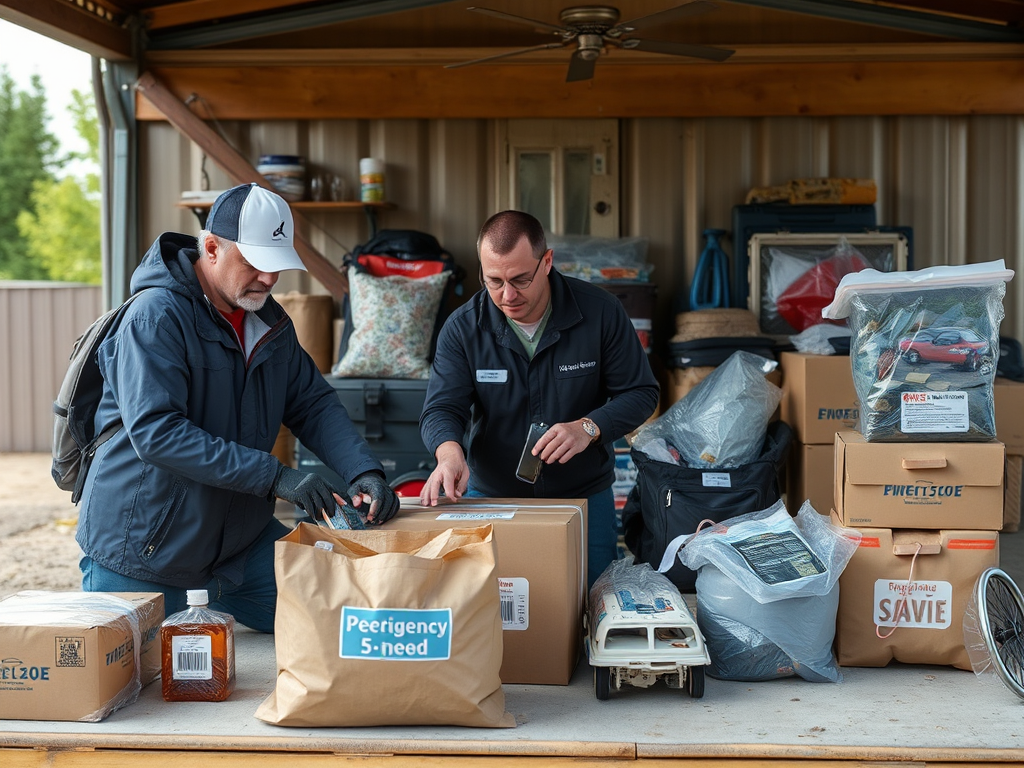
Why Most Emergency Kits Are Poorly Designed: Common Mistakes and Essential Improvements

Why Most Emergency Kits Are Poorly Designed: Common Mistakes and Essential Improvements

The design flaws in emergency kits often stem from a misunderstanding of what individuals truly need during a crisis. For instance, many pre-packaged kits include items such as glow sticks and whistles, which might seem useful but often do not address the more pressing needs for food, water, and medical supplies. Additionally, the quality of the items included is frequently subpar, leading to a false sense of security for users. Prioritizing the right items and ensuring their reliability can significantly enhance the effectiveness of a kit.

Another common mistake is the one-size-fits-all approach to emergency preparedness. Each individual’s situation is unique, and their emergency kits should reflect their specific needs, whether it’s due to geographic location, family size, or health conditions. For example, families with young children might require items like baby formula or specific medications, while those living in areas prone to natural disasters might need additional supplies like sturdy flashlights or portable water filters.

Understanding Common Flaws in Emergency Kits

Emergency kits often fail because they do not adequately reflect the real needs during a crisis. Many kits include items that are less relevant, such as novelty tools or overly basic first-aid supplies. This oversight can result in a lack of essential resources when they are most needed. A critical evaluation of what constitutes a ‘necessary’ item is vital for effective preparedness.

Moreover, manufacturers sometimes prioritize profit over practicality, leading to kits that look appealing but lack functional value. For example, a kit might include a multi-tool that is not properly equipped for emergency tasks. Instead, the focus should be on including high-quality items that can withstand the rigors of real-life scenarios.

Addressing these flaws requires a thoughtful approach to kit design, emphasizing user needs and realistic scenarios. By understanding what truly matters during emergencies, manufacturers and consumers can work together to create kits that genuinely serve their intended purpose.

Essential Items Often Overlooked

One of the most significant issues with emergency kits is the omission of critical items. Many kits lack sufficient water supplies, which are crucial for survival. A general rule is to have at least one gallon of water per person per day for at least three days. Yet, many kits include only small pouches or single-use bottles, which are inadequate for real emergencies.

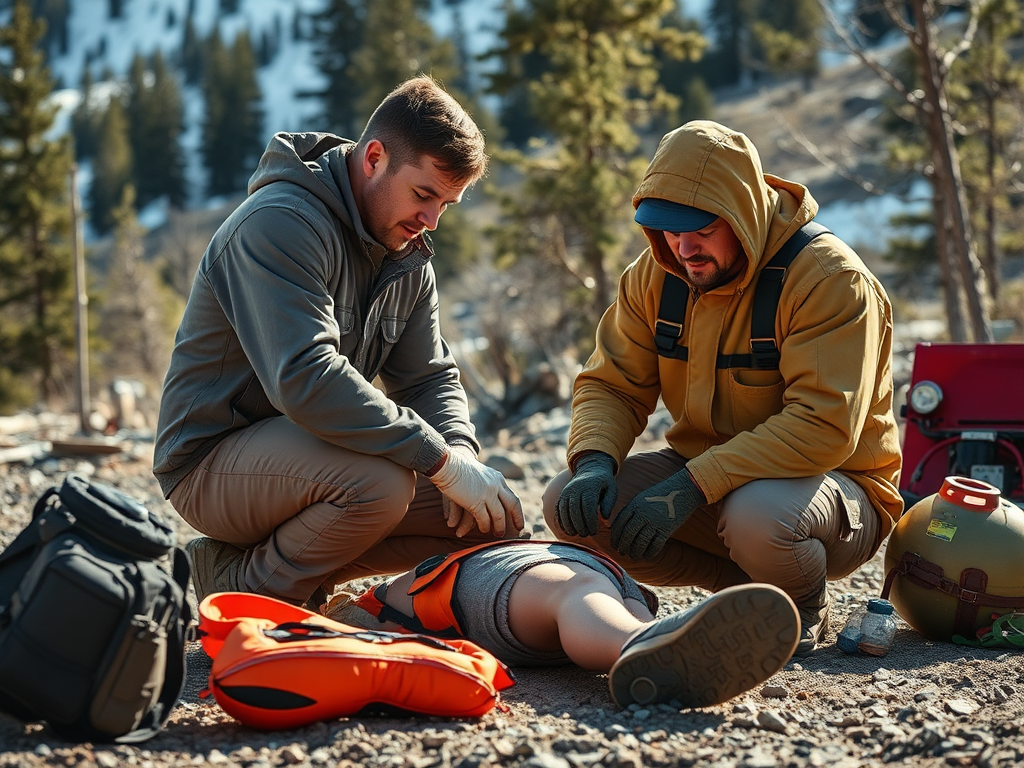
First-aid supplies are another area where many kits fall short. Commonly overlooked items include antiseptic wipes, larger bandages, and specific medications for allergies or chronic conditions. Furthermore, communication tools such as portable chargers or hand-crank radios can be invaluable during power outages, yet they are frequently absent from standard kits.

To enhance the effectiveness of emergency kits, individuals should conduct a personal inventory of their needs and ensure that essential items are included. This tailored approach not only prepares one for various scenarios but also instills confidence in the kit’s reliability.

Tailoring Kits to Specific Needs

Every household has unique requirements that should influence the contents of an emergency kit. For families with children, for example, it’s essential to include age-appropriate items such as baby food or diapers. Similarly, individuals with pets should consider including pet food and supplies, which are often neglected in standard kits.

Geographical factors also play a significant role in what should be included. Those living in hurricane-prone areas may prioritize waterproof materials and sturdy flashlights, while individuals in colder climates might need thermal blankets and hand warmers. Recognizing these factors can lead to a more effective kit that genuinely meets the user’s needs.

Ultimately, the goal is to create a kit that is not only comprehensive but also practical. By assessing personal circumstances and local risks, individuals can build a customized emergency kit that addresses their specific vulnerabilities.

Improving Quality and Reliability

Quality matters when it comes to emergency kits. Many pre-packaged options include low-quality items that can fail when needed most. Investing in high-quality supplies can mean the difference between safety and disaster. For instance, a sturdy multi-tool can serve multiple functions effectively, while a flimsy one might break under pressure.

Moreover, regularly checking and updating the kit is crucial. Items like medications, food, and batteries have expiration dates and should be replaced regularly to ensure they remain effective. This routine maintenance not only keeps the kit functional but also ensures that users are familiar with its contents, which can save precious time during an emergency.

In summary, focusing on quality and reliability can significantly enhance the performance of emergency kits. By prioritizing durable, high-quality items and maintaining the kit regularly, users can ensure they are truly prepared for any situation.

Further Reading

Authoritative Sources

  • Ready.gov
    ready.gov

    This official government site provides comprehensive guidelines for emergency preparedness, including what to include in your emergency kit

  • American Red Cross
    redcross.org

    The Red Cross offers detailed advice on emergency preparedness and first aid, which can enhance the effectiveness of personal emergency kits

  • Centers for Disease Control and Prevention
    cdc.gov

    CDC provides insights on health and safety during emergencies, aiding in the selection of appropriate items for health-related emergencies

Frequently Asked Questions

What should I include in my emergency kit?

Your emergency kit should include at least one gallon of water per person per day, non-perishable food, a first-aid kit, flashlight, batteries, and essential medications.

How often should I check my emergency kit?

You should check your emergency kit at least twice a year to replace expired items and ensure everything is functional.

Are pre-packaged emergency kits reliable?

Many pre-packaged kits are not reliable as they often include low-quality items or fail to address specific needs; customizing your kit is recommended.

How can I tailor my emergency kit?

To tailor your emergency kit, consider your family size, health conditions, and local risks, then include items that specifically meet those needs.

What are the most common mistakes made with emergency kits?

Common mistakes include neglecting to include enough water, not updating supplies regularly, and using a one-size-fits-all approach instead of personalizing the kit.

Conclusion

Ultimately, the design of emergency kits often falls short due to common mistakes such as including unnecessary items and neglecting essential supplies. By prioritizing practical needs, tailoring kits to individual circumstances, and focusing on quality, users can create effective emergency kits that truly serve their purpose. Regular maintenance and updates are also crucial to ensure that the kit remains reliable when it’s needed most. Taking these steps can significantly enhance preparedness and peace of mind in times of crisis.

What to Do When Neighbors Become Desperate: Recognizing Signs and Effective Responses

What to Do When Neighbors Become Desperate: Recognizing Signs and Effective Responses

Desperation among neighbors can stem from various factors, including job loss, health emergencies, or social isolation. It’s essential to approach the situation with empathy while also setting clear boundaries. Offering help can strengthen community ties, but it’s important to assess the risks involved. For instance, if a neighbor is exhibiting erratic behavior, it may be safer to seek support from community organizations or local authorities rather than intervening directly.

One common mistake is assuming that all desperate neighbors will respond positively to offers of help. Some may react defensively or aggressively, especially if they feel their dignity is at stake. Prioritizing safety is crucial; gauge the situation carefully before taking any action. Additionally, consider discussing the situation with other neighbors, as a collective approach can often yield better results and foster a supportive community environment.

Recognizing Signs of Desperation

Desperation can manifest in various behaviors, including increased agitation, withdrawal from social interactions, or erratic activities. Awareness of these signs is the first step in addressing the situation effectively. For instance, a neighbor who becomes uncharacteristically aggressive may be struggling with significant stressors.

Understanding the context is key. If a neighbor typically engages with the community but suddenly isolates themselves, this could indicate a crisis. Observing changes in their daily routines, such as neglecting property upkeep or unusual behavior patterns, can provide insights into their state of mind. It’s important to approach these situations with compassion while being prepared to set boundaries if necessary.

Moreover, recognizing the broader community context is essential. Economic downturns or health crises can affect multiple households, leading to widespread feelings of desperation. Being vigilant and supportive can foster an environment where neighbors feel safe to express their concerns.

Effective Communication Strategies

Open communication is vital when dealing with desperate neighbors. Initiating a conversation can help clarify their needs and establish trust. Approach the discussion with sensitivity, ensuring that your tone is non-confrontational and empathetic.

When engaging, ask open-ended questions to encourage dialogue, such as, “How have you been feeling lately?” This allows neighbors to express their feelings without feeling pressured. Listening actively is crucial; it can help you gauge their emotional state and determine how best to assist them.

However, it’s essential to maintain your boundaries. Ensure that your willingness to listen does not lead to personal risk. If the conversation escalates or becomes uncomfortable, it may be necessary to step back and reassess the situation. Remember, your safety must always come first.

When to Seek External Help

In some cases, the situation may escalate beyond what you can handle alone. Recognizing when to involve external authorities or organizations is crucial. If a neighbor exhibits threatening behavior or seems to be in immediate danger, contacting local services may be necessary.

Community resources such as mental health services, social workers, or local charities can provide essential support. They often have the training and resources to address complex issues that you might not be equipped to handle. Additionally, local law enforcement can step in if there are safety concerns.

It’s important to understand that seeking help does not mean abandoning your neighbor. Instead, it’s about connecting them with the right resources that can provide the assistance they need. This approach can ultimately lead to better outcomes for both you and the neighbor in crisis.

Building Community Resilience

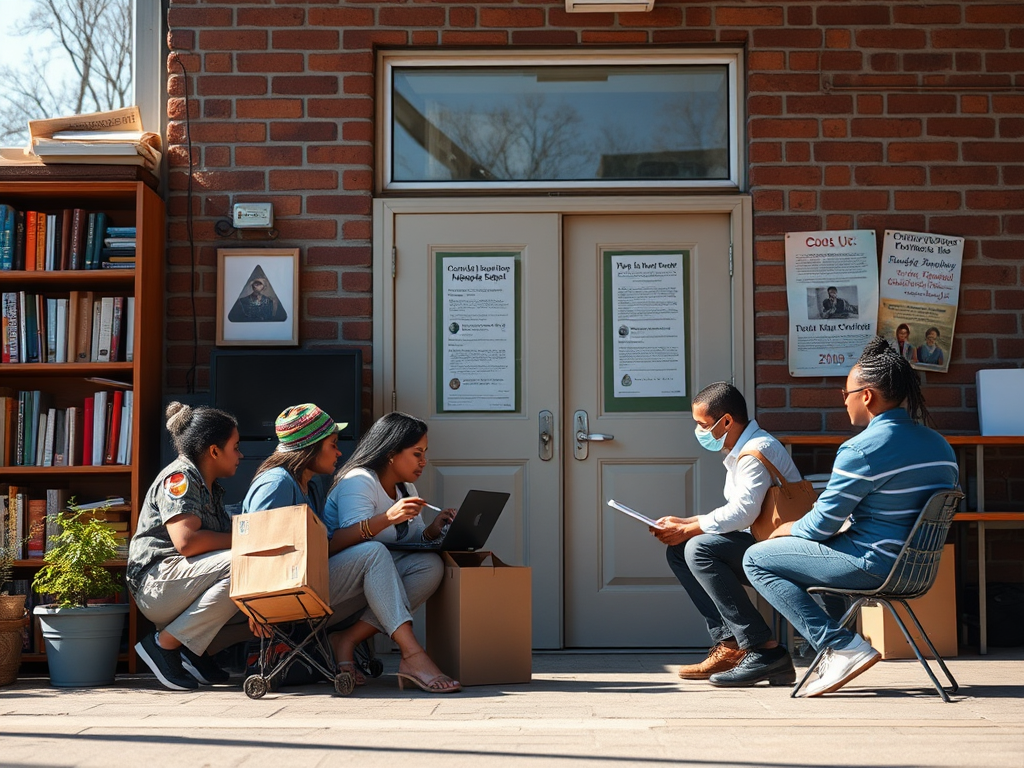
Fostering a resilient community is crucial in preventing desperation among neighbors. Engaging in community-building activities can create a supportive environment where individuals feel connected and less isolated. Organizing neighborhood events or support groups can facilitate stronger bonds between residents.

Additionally, sharing resources and information about local services can empower residents to seek help before reaching a state of desperation. Creating a neighborhood watch or support network can provide a safety net for those in need, encouraging open discussions about challenges without fear of judgment.

Lastly, developing a culture of mutual aid can significantly enhance community resilience. Encourage neighbors to share skills, resources, and support each other during difficult times. This proactive approach can mitigate the feelings of desperation and strengthen community ties.

Further Reading

For those looking to deepen their understanding of community dynamics and how to support neighbors in distress, consider exploring resources provided by local community organizations, mental health services, and neighborhood associations. These can offer practical guidance and support options tailored to your specific locality.

Further Reading

Authoritative Sources

  • Ready.gov
    ready.gov

    Official U.S. preparedness guidance, checklists, and planning resources for households and emergencies.

  • FEMA
    fema.gov

    Federal emergency management resources, disaster planning information, and recovery guidance.

  • American Red Cross Emergency Preparedness
    redcross.org

    Practical emergency preparation steps, supply lists, and safety guidance for families.

  • National Weather Service
    weather.gov

    Official forecasts, hazard alerts, and weather safety information.

  • CDC Emergency Preparedness and Response
    cdc.gov

    Public health guidance for emergencies, disasters, and recovery situations.

Frequently Asked Questions

What should I do if a neighbor is acting aggressively?

If a neighbor is acting aggressively, prioritize your safety by maintaining distance and avoiding confrontation. If necessary, contact local authorities for assistance.

How can I help a neighbor without overstepping boundaries?

Offer to listen and provide support, but be clear about your limits. Encourage them to seek professional help if needed.

What are some signs that a neighbor may be in distress?

Signs may include withdrawal from social activities, neglecting property, or exhibiting erratic behavior. Pay attention to changes in their usual patterns.

When is it appropriate to involve authorities?

If a neighbor poses a threat to themselves or others, or if their behavior is dangerous, it’s crucial to involve local authorities for safety.

How can community activities reduce feelings of desperation?

Community activities can foster connections, reduce isolation, and create support networks, helping neighbors feel more secure and less desperate.

Conclusion

Understanding what to do when neighbors become desperate is crucial for maintaining community stability and safety. Recognizing signs of distress, communicating effectively, and knowing when to seek help can make a significant difference. Building a resilient community through proactive engagement and support can prevent many issues before they escalate. Prioritize empathy while ensuring personal safety, and encourage a culture of mutual aid to foster a supportive neighborhood environment.

How to Prepare Children for Emergency Situations: Essential Steps and Safety Plans

How to Prepare Children for Emergency Situations: Essential Steps and Safety Plans

Understanding the types of emergencies that could occur in your area is the first step in preparation. This includes natural disasters like earthquakes, floods, and hurricanes, as well as man-made emergencies such as fires or intruder situations. Each type of emergency requires a specific response, and children should be taught the basic steps they need to take based on the scenario. Failure to educate them can lead to panic and confusion, which can hinder their ability to react effectively.

It’s also essential to create a comprehensive family emergency plan that outlines what to do during an emergency. This plan should include escape routes, meeting points, and contact information for family members. Regularly practicing this plan through drills can help reinforce the information and ensure children feel more comfortable executing it during an actual emergency. Many families overlook the importance of rehearsal, but it is a key component that can significantly improve a child’s response in a crisis.

Understanding Different Types of Emergencies

Recognizing the various types of emergencies is fundamental to effective preparation. Each emergency scenario demands a different response, and understanding these can empower children to act appropriately. For instance, during a fire, children should know to stop, drop, and roll, while during an earthquake, they should seek shelter under sturdy furniture.

Additionally, age-appropriate education plays a vital role. Younger children might benefit from simple, clear instructions, while older children can handle more complex information about emergency protocols. This tailored approach ensures that children grasp the necessary actions without feeling overwhelmed.

A common mistake parents make is assuming that children will instinctively know what to do. This assumption can lead to confusion and fear during actual emergencies. It’s essential to provide clear guidance and engage in discussions about potential risks in a calm, reassuring manner.

Creating a Family Emergency Plan

Developing a family emergency plan is a critical step in preparing children for emergencies. This plan should detail specific actions to take in various scenarios, including fire, natural disasters, or medical emergencies. Involve children in the planning process to foster a sense of ownership and responsibility.

The plan should include essential elements such as emergency contact numbers, designated meeting spots, and escape routes from the home. Ensure children understand the importance of memorizing this information. Regularly updating the plan to reflect changes in family dynamics or living situations is also crucial.

Many families neglect to review their emergency plans regularly. This oversight can lead to outdated information, which may hinder effective action during a crisis. Schedule periodic family meetings to discuss the plan and make any necessary adjustments.

Conducting Regular Drills and Rehearsals

Practicing the family emergency plan through regular drills is essential for reinforcing knowledge and building confidence. Children are more likely to remember what to do in an emergency if they have practiced it beforehand. Schedule drills at least twice a year for various scenarios.

During these drills, simulate real-life situations as closely as possible. For instance, if practicing a fire drill, set off a smoke alarm and time how quickly the family can exit the house. Discuss what went well and what could be improved afterward to enhance learning.

Failing to conduct drills can leave children unprepared and unsure of how to react during a real emergency. Consistent practice ensures that they are familiar with the procedures and can execute them without hesitation, reducing panic in high-stress situations.

Teaching Children Basic Safety Skills

In addition to understanding emergency plans and procedures, children should be taught basic safety skills that can be invaluable during a crisis. This includes how to call 911, identify safe spaces, and recognize emergency personnel. Role-playing these scenarios can help embed these skills in their memory.

Incorporating discussions about personal safety into everyday conversations can also reinforce these lessons. Teach children how to assess their surroundings and recognize potentially dangerous situations. Empowering them with knowledge fosters independence and confidence.

Many parents underestimate the importance of teaching these skills early on. Delaying instruction can leave children vulnerable in emergencies. Start teaching safety skills as soon as they are developmentally ready, and build upon that knowledge as they grow.

Further Reading

For more information on emergency preparedness for children, consider exploring resources from local emergency management agencies or organizations like the American Red Cross. These sources offer valuable insights and guidelines tailored to various emergency scenarios.

Further Reading

Authoritative Sources

  • Ready.gov
    ready.gov

    Official U.S. preparedness guidance, checklists, and planning resources for households and emergencies.

  • FEMA
    fema.gov

    Federal emergency management resources, disaster planning information, and recovery guidance.

  • American Red Cross Emergency Preparedness
    redcross.org

    Practical emergency preparation steps, supply lists, and safety guidance for families.

  • National Weather Service
    weather.gov

    Official forecasts, hazard alerts, and weather safety information.

  • CDC Emergency Preparedness and Response
    cdc.gov

    Public health guidance for emergencies, disasters, and recovery situations.

Frequently Asked Questions

What should I include in a family emergency plan?

Your family emergency plan should include emergency contact numbers, meeting places, escape routes, and specific actions for various emergencies.

How often should we practice emergency drills?

Conduct emergency drills at least twice a year to ensure everyone remembers the procedures and feels confident acting during a real emergency.

What age should I start teaching my children about emergencies?

Begin teaching children about emergencies as soon as they can understand basic concepts. Tailor the depth of information to their age and maturity level.

How can I make safety discussions less intimidating for my children?

Use calm, straightforward language and engage them in role-playing scenarios to make discussions about safety feel more approachable and less scary.

What are common mistakes parents make in emergency preparedness?

Common mistakes include not involving children in the planning process, failing to conduct regular drills, and assuming children will know what to do without guidance.

Conclusion

Preparing children for emergency situations is a vital responsibility that can significantly impact their safety and well-being. By educating them about different emergencies, creating a family emergency plan, conducting regular drills, and teaching basic safety skills, you can empower your children to respond effectively in crises. Prioritize these steps to ensure they feel confident and informed, ultimately fostering a sense of security in their ability to navigate emergencies.

What Happens When Fuel Shortages Become Widespread: Impacts on Transportation, Economy, and Daily Life

What Happens When Fuel Shortages Become Widespread: Impacts on Transportation, Economy, and Daily Life

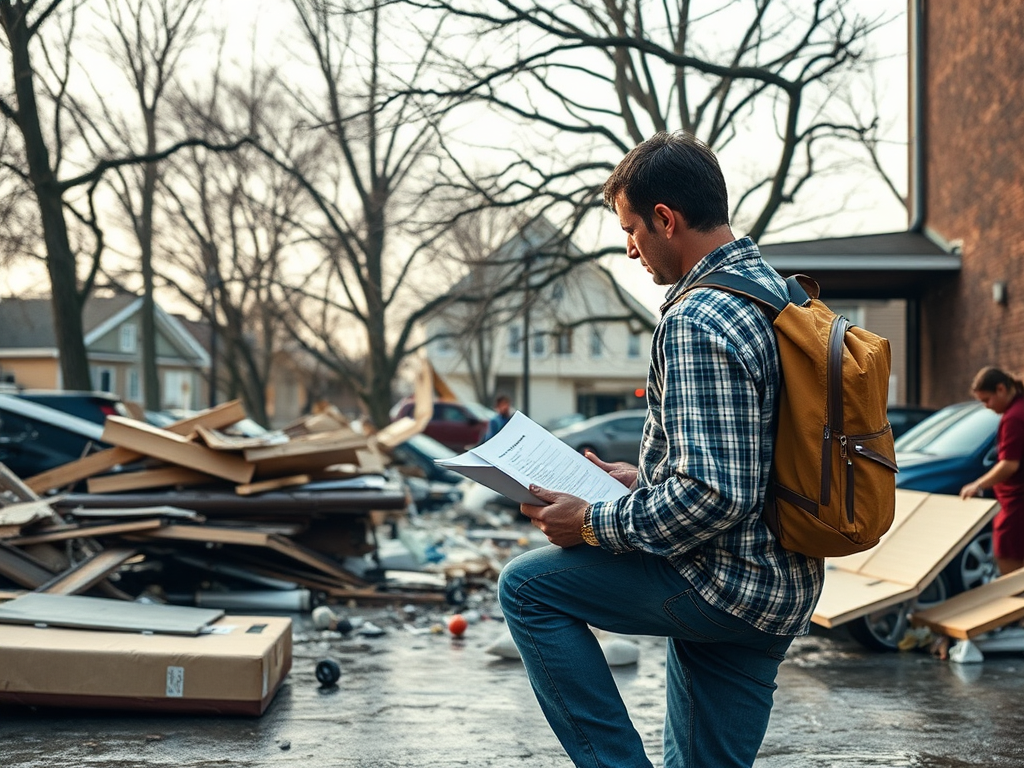
The implications of widespread fuel shortages extend beyond just transportation. As fuel prices rise, the costs of goods and services also increase, contributing to inflation and economic instability. Households may struggle with higher energy bills, leading to reduced disposable income for other necessities. Businesses that rely heavily on fuel for operations may also face challenges, potentially resulting in layoffs or closures, which can further exacerbate economic strain.

Additionally, a common mistake during fuel shortages is the panic buying or hoarding of fuel. This behavior can worsen the situation, leading to even greater shortages and inefficiencies in fuel distribution. Understanding the dynamics of fuel supply and demand can help individuals and communities better prepare and respond to these crises.

Economic Consequences of Fuel Shortages

The economic repercussions of fuel shortages can be profound, as rising fuel costs lead to inflation across various sectors. When fuel becomes scarce, businesses incur higher transportation costs, which are often passed on to consumers. This inflation can erode purchasing power, leading to a decrease in consumer spending and overall economic activity.

Furthermore, industries that rely heavily on fuel, such as agriculture and manufacturing, may see significant disruptions. For instance, farmers may struggle to transport their products to market, resulting in spoilage and loss of income. In a broader context, fuel shortages can slow down economic growth, leading to increased unemployment rates and a potential recession.

It is essential for individuals and businesses to prepare for such economic shifts by diversifying energy sources where possible and considering alternative transportation methods. By understanding these dynamics, communities can better navigate the challenges posed by fuel shortages.

Impact on Transportation Systems

Fuel shortages directly affect transportation systems, leading to delays and increased costs. Public transportation may operate on reduced schedules, while freight services could face significant disruptions as fuel becomes scarce. This not only impacts the movement of goods but also affects the daily commutes of individuals relying on public transport.

Moreover, the logistics industry may struggle to maintain efficiency, leading to longer delivery times and increased prices for consumers. Companies might need to reevaluate their supply chains, potentially shifting to alternative fuel sources or more localized suppliers to mitigate the impact of fuel shortages.

Smart planning and investment in infrastructure that supports alternative transportation methods, such as electric vehicles or public transit, can help communities reduce their dependence on traditional fuels and improve resilience against future shortages.

Daily Life Adjustments During Shortages

As fuel shortages become widespread, individuals often need to adjust their daily routines and habits. Commuters may find themselves carpooling, using public transport, or even working from home to conserve fuel. These adjustments can lead to a shift in lifestyle, affecting everything from work schedules to social activities.

Additionally, families may need to prioritize essential travel and limit discretionary trips, which can impact local economies. Understanding these shifts can help individuals make informed decisions about their fuel consumption and travel needs during shortages.

Communities can support each other by sharing resources and information about fuel availability and alternative transportation options. Building a culture of collaboration can help mitigate the effects of fuel shortages on daily life.

Mitigation Strategies for Communities

Communities can adopt several strategies to mitigate the impact of fuel shortages. One effective approach is to promote the use of public transportation and carpooling to reduce overall fuel demand. Additionally, investing in infrastructure for alternative energy sources, such as electric vehicle charging stations, can help communities transition away from fossil fuels.

Public awareness campaigns about fuel conservation and efficient usage can also play a significant role in community preparedness. By educating residents about the importance of reducing fuel consumption, communities can foster a more resilient environment that can better withstand fuel shortages.

Ultimately, proactive planning and community engagement are crucial for reducing the negative impacts of fuel shortages. Communities that work together to develop sustainable practices will be better equipped to handle future energy crises.

Further Reading

Authoritative Sources

  • Ready.gov
    ready.gov

    Official U.S. preparedness guidance, checklists, and planning resources for households and emergencies.

  • FEMA
    fema.gov

    Federal emergency management resources, disaster planning information, and recovery guidance.

  • American Red Cross Emergency Preparedness
    redcross.org

    Practical emergency preparation steps, supply lists, and safety guidance for families.

  • National Weather Service
    weather.gov

    Official forecasts, hazard alerts, and weather safety information.

  • CDC Emergency Preparedness and Response
    cdc.gov

    Public health guidance for emergencies, disasters, and recovery situations.

Frequently Asked Questions

What are the primary causes of fuel shortages?

Fuel shortages can be caused by various factors, including geopolitical tensions, natural disasters, supply chain disruptions, and increased demand. Understanding these causes can help individuals and communities prepare better.

How can individuals prepare for fuel shortages?

Individuals can prepare by maintaining a fuel reserve, using public transportation, carpooling, and investing in fuel-efficient vehicles. Awareness of local fuel availability and conservation practices is also essential.

What should businesses do during fuel shortages?

Businesses should assess their supply chains, explore alternative transportation methods, and communicate with customers about potential delays. Implementing energy-efficient practices can also help mitigate costs.

What role do government policies play in fuel shortages?

Government policies can influence fuel availability through regulations, subsidies for alternative energy, and emergency response strategies. Active government involvement can help stabilize markets during crises.

How do fuel shortages affect the economy?

Fuel shortages can lead to inflation, reduced economic growth, and increased unemployment. They disrupt supply chains and increase operational costs for businesses, ultimately affecting consumers.

Conclusion

To wrap up, widespread fuel shortages can have significant impacts on transportation, the economy, and daily life. To navigate these challenges effectively, individuals and communities should prioritize fuel conservation, explore alternative energy sources, and remain informed about the dynamics of fuel supply and demand. By taking proactive steps, we can better prepare for future fuel shortages and mitigate their effects on our lives and the economy.

How to Preserve Meat Without Refrigeration Methods: Techniques, Benefits, and Common Mistakes

How to Preserve Meat Without Refrigeration Methods: Techniques, Benefits, and Common Mistakes

The choice of preservation method often depends on the type of meat, the resources available, and the intended use. For instance, while drying is excellent for creating jerky, salting is favored for long-term storage. Mistakes in these processes can lead to spoilage or foodborne illnesses, so prioritizing safety and proper techniques is crucial.

A common mistake is underestimating the importance of sanitation and proper handling. Before starting any preservation technique, ensure that all equipment is clean, and the meat is sourced from healthy animals. Additionally, understanding the specific requirements for each method—like the ideal salt concentration for curing—can significantly impact the quality and safety of the preserved meat.

Salting Meat: A Time-Tested Method

Salting is one of the oldest methods of meat preservation, utilizing salt’s natural ability to draw moisture out of the meat, which inhibits bacterial growth. This method can be performed through dry curing or wet brining, each with its benefits. Dry curing involves rubbing salt directly onto the meat, while wet brining entails soaking the meat in a saltwater solution.

When salting meat, it’s crucial to use the right amount of salt. Under-salting can lead to spoilage, while over-salting may result in an unpalatable final product. Additionally, the type of salt used—table salt versus kosher salt—can affect the curing process. A common mistake is not allowing enough time for the salt to penetrate the meat properly, which can lead to uneven curing.

Prioritize using high-quality, non-iodized salt for curing, as additives in table salt can interfere with the preservation process. Also, ensure that the meat is kept in a cool, dry place during the curing process to maximize effectiveness and safety.

Drying Meat: Techniques and Considerations

Drying meat effectively removes moisture, which is essential for preventing bacterial growth. This method can be achieved through air drying, dehydrating, or using an oven. Each technique requires careful attention to temperature and humidity levels to ensure the meat dries thoroughly without spoiling.

Air drying is particularly effective in arid environments, while dehydrators and ovens offer more controlled conditions. A common pitfall is not slicing the meat thinly enough, which can lead to uneven drying and spoilage. It’s also important to monitor the drying process closely, as over-drying can result in a tough texture.

For best results, consider marinating the meat before drying to enhance flavor and add an extra layer of preservation through acidity. Always ensure that the drying environment is clean and free from contaminants to maintain the meat’s safety and quality.

Smoking Meat: Flavor and Preservation

Smoking not only adds flavor to meat but also acts as a preservation method by creating a barrier against bacteria. The smoke contains natural preservatives, and the heat from the smoking process helps to cook the meat while drying it out.

There are two primary smoking methods: hot smoking and cold smoking. Hot smoking cooks the meat while smoking, while cold smoking imparts flavor without cooking it. A common mistake is not maintaining the proper temperature during smoking, which can lead to undercooked meat and potential food safety issues.

For effective smoking, use hardwoods like hickory or applewood, which infuse rich flavors. Monitor the internal temperature of the meat closely and ensure it reaches the safe cooking temperature for the type of meat being smoked.

Canning Meat: A Practical Approach

Canning meat is a practical method for long-term preservation, especially for those looking to store large quantities. This process involves sealing meat in jars and heating them to a temperature that kills bacteria and enzymes that cause spoilage.

Pressure canning is essential for meat, as it reaches higher temperatures than boiling water canning, ensuring the meat is preserved safely. A common error is not using the correct pressure and time, which can lead to under-processed meat and safety risks. Always follow reliable canning guidelines to ensure safety.

Before canning, prepare the meat by cutting it into uniform pieces, which helps with even cooking. Additionally, consider adding broth or seasoning to enhance flavor in the final product. Properly canned meat can last for years, making it a valuable addition to any pantry.

Further Reading

Authoritative Sources

  • USDA Guide to Canning Meat
    nchfp.uga.edu

    This guide provides detailed information on safe canning practices for meat, ensuring proper preservation and safety

  • USDA Food Safety Fact Sheets
    fsis.usda.gov

    Offers a wealth of resources on food safety, including guidelines for preserving meat without refrigeration

  • University of Minnesota Extension on Meat Preservation
    extension.umn.edu

    This resource discusses various methods of meat preservation, including salting, drying, and smoking

Frequently Asked Questions

What is the best method for preserving meat without refrigeration?

The best method depends on the type of meat and personal preference. Salting, drying, smoking, and canning are all effective techniques.

How long can preserved meat last without refrigeration?

When properly preserved, meat can last several months to years without refrigeration, depending on the method used.

Is it safe to eat canned meat after the expiration date?

While canned meat may be safe to eat after the expiration date, it’s crucial to inspect the can for any signs of spoilage before consumption.

What common mistakes should I avoid when preserving meat?

Common mistakes include improper sanitation, incorrect salting or drying times, and not monitoring temperature during smoking or canning.

Can I preserve meat using just salt?

Yes, salting is a traditional method for preserving meat and can effectively inhibit bacterial growth when done correctly.

Conclusion

All in all, preserving meat without refrigeration is a valuable skill that can ensure food safety and longevity. By utilizing methods such as salting, drying, smoking, and canning, you can effectively extend the shelf life of meat. Prioritize proper techniques, sanitation, and monitoring to avoid common pitfalls and ensure the safety and quality of your preserved meat. Each method has its unique advantages and considerations, so understanding these will help you choose the right approach for your needs. Start experimenting with these techniques to enhance your food preservation skills and enjoy the benefits of long-lasting meat storage.