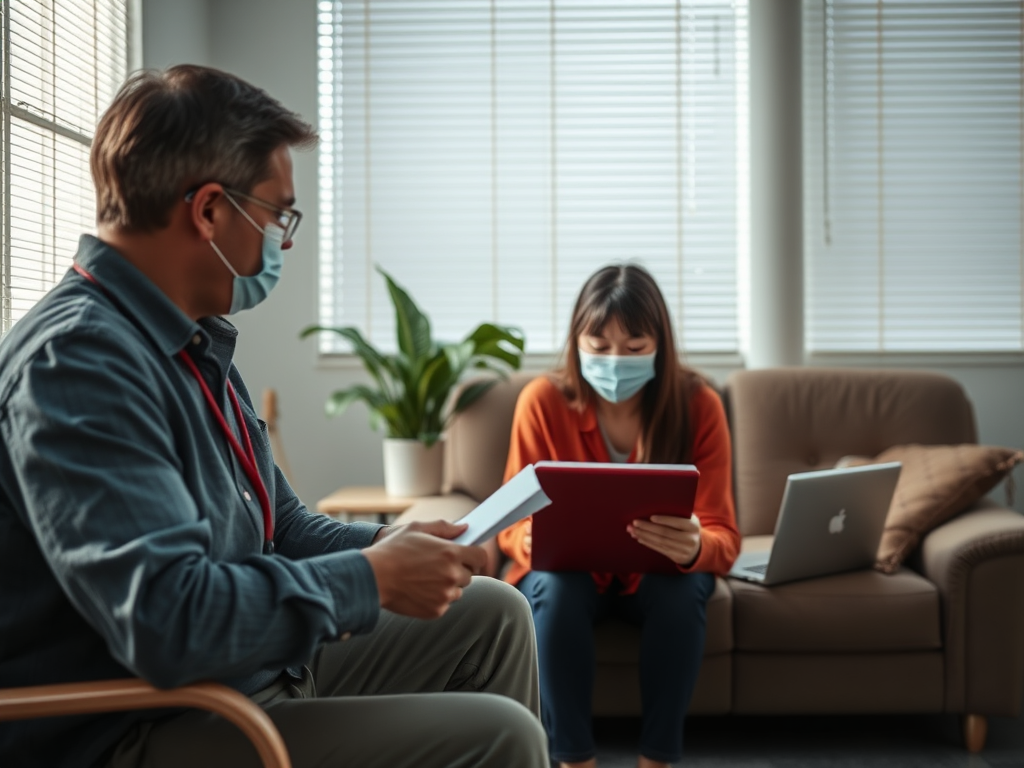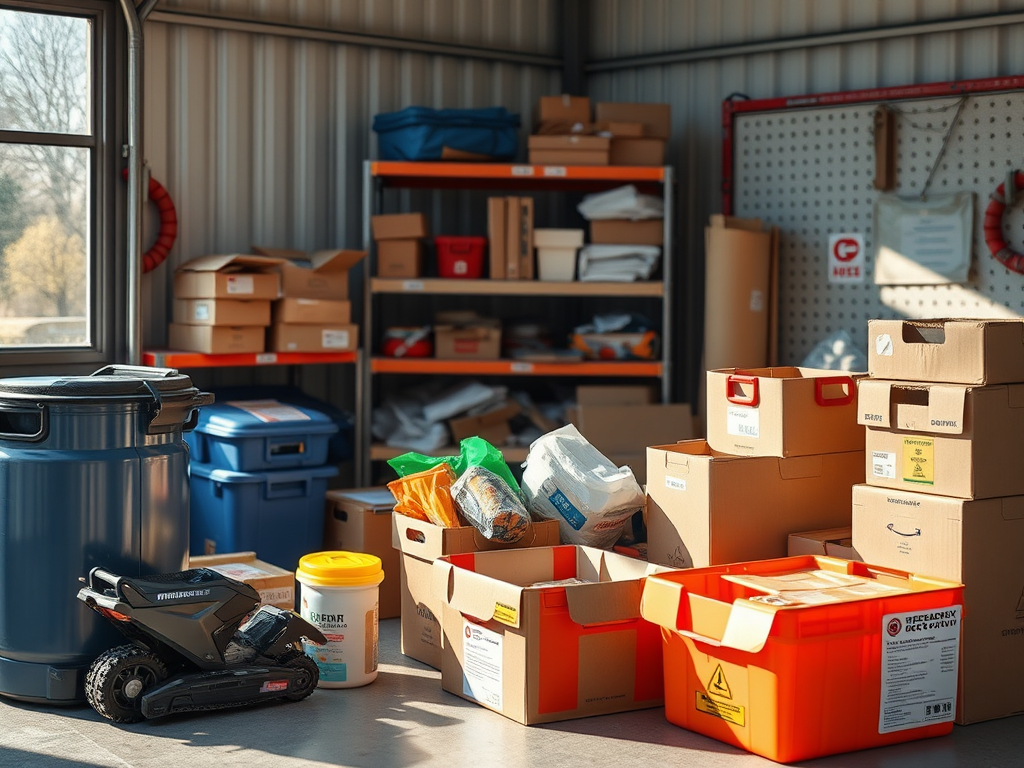
Understanding the reasons behind medication shortages can also inform your next steps. Factors such as supply chain disruptions, manufacturing issues, or increased demand can lead to temporary unavailability. In these scenarios, it’s important to remain proactive. Contact your pharmacy to inquire about expected restock dates or potential substitutes. Additionally, consider reaching out to your healthcare provider to discuss your current treatment plan and any adjustments that may be necessary.
One common mistake people make during medication shortages is waiting too long to seek alternatives or support. It’s crucial to act quickly to avoid health deterioration. Additionally, relying solely on over-the-counter medications without consulting a healthcare professional can lead to ineffective treatment or adverse reactions. Always prioritize professional guidance when considering alternatives.
Understanding Medication Shortages
Medication shortages can arise from various factors, including production delays, raw material shortages, or sudden spikes in demand. It is essential to stay informed about the specific medications you rely on and the potential reasons for their unavailability. Awareness of these factors can help you anticipate shortages and prepare accordingly.
Many patients often overlook the importance of staying updated on their medications. Regularly checking in with pharmacies and healthcare providers can help you understand the current landscape of available treatments. Additionally, being proactive about your health allows you to make informed decisions regarding your care.
In some cases, medications that are temporarily unavailable may have alternatives that are equally effective. Understanding your medication’s purpose and therapeutic class can guide you in discussions with your healthcare provider about potential substitutes.
Exploring Alternative Treatments
When facing medication unavailability, exploring alternative treatments is a viable option. Depending on your condition, alternative therapies may include lifestyle changes, dietary adjustments, or complementary therapies such as acupuncture or herbal remedies. Always consult with a healthcare professional before making any changes to your treatment plan.
Many patients may hesitate to explore alternative options due to fear of ineffectiveness or potential interactions with existing medications. However, with proper guidance, alternative treatments can provide relief and maintain health when traditional medications are not accessible. It’s essential to weigh the benefits and risks of these alternatives.
Additionally, consider keeping an open line of communication with your healthcare provider about any alternative treatments you are considering. This collaboration ensures that your choices align with your overall health strategy and avoids any potential complications.
Communicating with Healthcare Providers
Effective communication with your healthcare provider is crucial when medications are unavailable. Clearly express your concerns, the specific medications you cannot access, and any symptoms you are experiencing. This information will help your provider offer tailored solutions and alternatives.
Many patients underestimate the value of a candid discussion with their healthcare providers. Being open about your situation allows them to provide the best possible care and explore different avenues for treatment. They may suggest alternative medications, adjust dosages, or even recommend lifestyle changes that can help manage your condition.
Remember that your healthcare provider is your partner in health. Their insights can be invaluable in navigating the challenges of medication unavailability, ensuring you receive the best possible care during these times.
Utilizing Community Resources
Community resources can play a significant role in managing medication shortages. Local health clinics, non-profit organizations, and patient assistance programs often provide support for individuals facing difficulties accessing their medications. Researching these options can lead to alternative solutions.
Patients frequently overlook local resources that could assist them during medication shortages. Engaging with community health services can provide access to necessary medications at reduced costs or even for free. Additionally, these organizations may offer programs that connect patients with healthcare providers who can help manage their conditions effectively.
In some cases, reaching out to local pharmacies for recommendations on community resources can yield helpful leads. Building a network of support can significantly ease the burden of medication unavailability.
Further Reading
For readers looking to delve deeper into the topic of medication management during shortages, consider exploring official health organization websites or reputable medical journals for the most current information. Resources such as the FDA and CDC provide valuable insights into medication availability and alternative treatments.
Further Reading
Authoritative Sources
MedlinePlus medlineplus.gov
Consumer-friendly medical and health information from the U.S. National Library of Medicine.
National Institutes of Health nih.gov
Research-based health information and links to authoritative medical resources.
Centers for Disease Control and Prevention cdc.gov
Official public health guidance, prevention resources, and topic-specific recommendations.
Mayo Clinic mayoclinic.org
Trusted clinical guidance, symptom explainers, and treatment overviews.
World Health Organization who.int
Global health guidance, fact sheets, and evidence-based public health information.
Frequently Asked Questions
What should I do if my medication is unavailable?
Contact your pharmacy and healthcare provider immediately to discuss alternatives or substitutes.
Are there safe alternatives to my prescription medications?
Yes, but always consult your healthcare provider before trying any alternative treatments to ensure safety and effectiveness.
How can I stay informed about medication shortages?
Regularly check with your pharmacy, follow health organization updates, and consult your healthcare provider for the latest information on medications.
What resources are available if I can’t afford my medication?
Look for community health clinics, non-profit organizations, or patient assistance programs that offer medications at reduced costs or for free.
Can I rely on over-the-counter medications when my prescription is unavailable?
Over-the-counter medications can be helpful, but consult your healthcare provider to ensure they are appropriate for your condition.
Conclusion
In closing, when medications are unavailable, it is crucial to act promptly. Assess the situation, explore alternatives, and communicate effectively with your healthcare provider. Utilizing community resources can also provide valuable support. Ultimately, staying proactive and informed will empower you to manage your health effectively, even in challenging circumstances.
When developing such a plan, it is crucial to evaluate the specific risks your home may face. Factors like location, crime rates, and personal lifestyle significantly influence the types of security measures you should prioritize. For instance, a home in a high-crime area may require more advanced systems compared to one in a safer neighborhood. Understanding these dynamics can help you allocate resources effectively and identify potential gaps in your current security setup.
Common mistakes include underestimating the importance of community engagement and neglecting to regularly update security systems. Engaging with neighbors and local law enforcement can enhance awareness and provide valuable insights into local threats. Additionally, regularly assessing and updating your security measures ensures they remain effective against evolving risks.
Understanding the Layers of Home Defense
A layered home defense plan consists of multiple components that work together to create a secure environment. The foundational layer often includes physical barriers such as fences and gates that deter unauthorized access. Following this, electronic systems like alarms and cameras serve as both deterrents and monitoring tools. To wrap up, engaging with your community adds an additional layer of vigilance, enhancing your overall security.
Each layer serves a specific purpose, and their effectiveness is amplified when combined. For instance, while a fence can deter casual intruders, an alarm system can alert you and law enforcement to any breaches. Understanding how these layers interact can help you prioritize investments based on your unique circumstances.
It’s important to assess which layers are most relevant to your situation. For example, if you live in a suburban area with low crime rates, investing heavily in advanced surveillance may not be as critical as establishing strong physical barriers. Customizing your approach based on your environment is key to an effective home defense strategy.
Physical Security Measures
Physical security measures are the first line of defense in any layered home defense plan. These include locks, doors, windows, and fences designed to deter intruders. High-quality deadbolts, reinforced doors, and window locks can significantly reduce the likelihood of a break-in.
Investing in a security door with a peephole or a smart lock can enhance physical security without being overly complex. Additionally, maintaining clear visibility around your property through landscaping can help deter potential threats by eliminating hiding spots for intruders.
Regularly reviewing and upgrading these physical barriers is essential. Many homeowners overlook the importance of routine checks on locks and hinges, which can wear over time. Ensuring that all entry points are secure and functional can prevent vulnerabilities that intruders might exploit.
Surveillance and Monitoring
Surveillance and monitoring technologies play a critical role in a layered home defense plan. Security cameras, motion detectors, and alarm systems not only act as deterrents but also provide crucial evidence in the event of an incident. Modern systems can be integrated with smart home technology, allowing for remote monitoring via smartphones.
When selecting surveillance equipment, consider the coverage area and the quality of video footage. High-definition cameras are essential for identifying faces or license plates, while motion sensors can alert you to unexpected movements around your property. Many systems also offer cloud storage, ensuring that footage is preserved even if the physical device is damaged.
It’s important to regularly test your surveillance equipment to ensure it functions properly. Additionally, consider the placement of cameras to cover blind spots and maximize visibility. Neglecting these aspects can lead to gaps in your security that intruders might exploit.
Community Involvement
Community involvement is a vital yet often underestimated aspect of a layered home defense plan. Being part of a neighborhood watch or engaging with local law enforcement can enhance security through collective vigilance. Neighbors can share information about suspicious activities and provide assistance during emergencies.
Establishing communication with your neighbors fosters a sense of community and shared responsibility for safety. Organizing regular meetings or utilizing social media groups can keep everyone informed about potential threats and encourage proactive measures.
However, it’s essential to balance community involvement with personal privacy. While sharing information is beneficial, avoid disclosing sensitive details that could compromise your security. Establishing clear boundaries can help maintain a safe environment while still fostering collaboration.
Further Reading
For more in-depth information on creating a layered home defense plan, consider exploring these resources:
Authoritative Sources
Security.org security.org
A comprehensive resource on various home security solutions and strategies for enhancing safety
National Crime Prevention Council ncpc.org
Offers guidance on crime prevention strategies and community safety initiatives
Consumer Reports consumerreports.org
Provides reviews and comparisons of home security systems and products
Frequently Asked Questions
What is a layered home defense plan?
A layered home defense plan combines multiple security measures, including physical barriers, surveillance systems, and community involvement, to enhance home safety.
How can I improve my physical security?
Improve physical security by installing high-quality locks, reinforcing doors, and maintaining clear visibility around your property.
What role does surveillance technology play?
Surveillance technology deters intruders and provides crucial evidence through cameras and alarm systems, enhancing overall security.
Why is community involvement important?
Community involvement enhances security through shared vigilance, allowing neighbors to alert each other about suspicious activities.
How often should I update my security measures?
Regularly review and update your security measures, ideally every six months, to ensure they remain effective against evolving threats.
Conclusion
A layered home defense plan is essential for ensuring your safety and security. By integrating physical barriers, surveillance systems, and community engagement, you create a robust defense against potential threats. Prioritize regular assessments to identify vulnerabilities and adapt your strategies as needed. Engaging with neighbors can further enhance your security, creating a proactive community focused on safety. Start implementing these measures today to protect your home effectively.
This panic response is not just an individual phenomenon; it can also spread through groups. When one person panics, it can trigger a chain reaction, causing others to follow suit. This social contagion is particularly prevalent in high-stress environments where individuals feel threatened or overwhelmed. Understanding these dynamics is crucial for developing effective emergency response strategies.
Moreover, the perception of danger plays a significant role in how quickly someone panics. Individuals who perceive a situation as life-threatening may react more intensely than those who don’t. This perception can be influenced by prior experiences, training, or the presence of perceived authority figures. Recognizing the factors that lead to panic can help individuals prepare better for emergencies, ultimately reducing the likelihood of panic.
Psychological Factors Behind Panic
Psychological factors play a critical role in the way individuals respond to emergencies. The brain’s limbic system, which governs emotions, can override rational thought during high-stress situations. When faced with perceived danger, individuals often experience heightened emotions such as fear and anxiety, which can lead to panic. Understanding these triggers is essential for both individuals and emergency responders.
Common psychological triggers include a lack of preparedness and unfamiliarity with the emergency context. Panic can escalate quickly when individuals feel they have no control over the situation. For example, during natural disasters, those who are unprepared may feel more vulnerable, leading to a rapid onset of panic. Training and familiarity with emergency protocols can significantly reduce these emotional responses.
Another important aspect is the influence of previous experiences. Individuals who have faced traumatic events may react more strongly to emergencies due to conditioned responses. This can lead to a cycle of panic and poor decision-making, as individuals may not assess the situation accurately. Identifying these psychological factors can help in crafting interventions that aim to reduce panic levels during emergencies.
Physiological Responses to Emergencies
The body’s physiological response to emergencies is a crucial component of why people panic. When faced with a threat, the body releases adrenaline, which triggers the fight-or-flight response. This response prepares individuals to either confront the danger or flee from it, but it can also lead to overwhelming feelings of anxiety and confusion.
During this physiological reaction, heart rate increases, muscles tense, and breathing becomes rapid. These bodily changes can cloud judgment and lead to impulsive actions, often exacerbating the situation. For instance, individuals may run without a clear plan, further endangering themselves and others. Understanding these reactions can help in developing strategies to remain calm and focused during emergencies.
Moreover, certain physical conditions, such as pre-existing anxiety disorders, can amplify these responses. Individuals with such conditions may find it harder to manage their panic during emergencies, leading to a greater likelihood of irrational behavior. Recognizing the physiological aspects of panic can aid in creating supportive environments that help individuals cope more effectively.
Social Dynamics in Panic Situations
Social dynamics significantly influence how panic spreads during emergencies. The presence of others can either mitigate or exacerbate panic responses. In group settings, individuals often look to others for cues on how to react. If one person panics, it can trigger a collective response, leading to widespread chaos.
Furthermore, the role of leadership and authority figures is crucial in managing panic. Clear communication and decisive action from leaders can help to calm a group. Conversely, a lack of direction can lead to confusion and increased panic. Understanding these social dynamics is essential for emergency planners and responders to implement effective crowd control measures.
Additionally, social norms and expectations can dictate behavior during emergencies. Individuals may feel pressured to conform to the actions of those around them, whether that means panicking or remaining calm. Creating a culture of preparedness and resilience can help individuals make better choices in crisis situations, reducing the likelihood of panic.
Strategies to Mitigate Panic
Mitigating panic during emergencies involves preparation, training, and effective communication. One of the most effective strategies is to establish clear emergency protocols. Individuals should be familiar with these procedures, as knowing what to do can significantly reduce anxiety and panic levels.
Training exercises, such as drills, can help reinforce these protocols and build confidence. When individuals practice responding to emergencies, they are less likely to panic when a real situation arises. Furthermore, incorporating stress-management techniques, such as deep breathing or mindfulness, can help individuals maintain their composure during high-stress situations.
Another key strategy is to foster a supportive community that emphasizes preparedness. Encouraging open discussions about fears and experiences can help individuals feel more equipped to handle emergencies. By building resilience and promoting a proactive mindset, communities can better manage panic and enhance overall safety.
Further Reading
Authoritative Sources
American Psychological Association apa.org
This resource provides insights into psychological responses to stress and emergencies, offering valuable information for understanding panic behaviors
American Red Cross redcross.org
The Red Cross offers comprehensive training and resources on emergency preparedness, focusing on strategies to mitigate panic
Centers for Disease Control and Prevention cdc.gov
The CDC provides guidance on emergency preparedness and response, including psychological first aid resources
Frequently Asked Questions
What triggers panic during emergencies?
Panic can be triggered by perceived threats, lack of preparedness, and overwhelming stress, leading to irrational behavior.
How can I prepare to avoid panic?
Preparation involves familiarizing yourself with emergency protocols, practicing drills, and employing stress-management techniques.
What role does social influence play in panic?
Social influence can spread panic quickly; individuals often look to others for cues on how to react in emergencies.
Can past experiences affect panic responses?
Yes, past traumatic experiences can condition individuals to react more intensely, leading to heightened panic during emergencies.
What are effective strategies to manage panic?
Effective strategies include clear communication, training exercises, and fostering a culture of preparedness within communities.
Conclusion
Understanding why people panic during emergencies quickly is vital for improving responses and outcomes in critical situations. By recognizing the psychological, physiological, and social factors at play, individuals and communities can implement effective strategies to mitigate panic. Preparation, training, and fostering supportive environments are key to reducing panic levels and enhancing overall safety. As we develop better emergency response protocols, we can equip ourselves to face crises with greater resilience and composure.
Choosing calorie-dense foods is not just about maximizing energy; it’s also about making smart decisions under constraints like limited storage space or budget. While high-calorie foods can be beneficial, they may also come with trade-offs, such as higher costs or specific storage requirements. Understanding these factors is crucial when planning for long-term food storage.
Common mistakes include over-relying on processed foods that may seem calorie-dense but lack nutritional value. Prioritizing whole foods like nuts, seeds, and oils ensures that you are not only getting calories but also essential nutrients that support overall health.
Understanding Caloric Density
Caloric density refers to the number of calories in a given weight of food. Foods that are high in caloric density provide more energy than those that are lower in density, making them valuable for situations where energy needs to be maximized. For example, fats contain about 9 calories per gram, while carbohydrates and proteins provide only 4 calories per gram. This difference makes high-fat foods particularly effective for energy storage.
In practical terms, understanding caloric density helps individuals make informed choices about their diets, especially when considering long-term food supplies. Prioritizing high-calorie foods can ensure that energy needs are met without requiring excessive volume or weight, which is crucial in emergency preparedness or survival scenarios.
A common misconception is that all calorie-dense foods are unhealthy. While many junk foods are high in calories, nutrient-dense options like avocados or nuts also provide essential vitamins and minerals, making them a healthier choice for energy storage.
Top Calorie-Dense Foods
Some of the best foods for high calorie density storage include:
Nuts: Almonds, walnuts, and macadamia nuts are great sources of healthy fats and calories.
Seeds: Chia, flax, and pumpkin seeds offer not only calories but also fiber and protein.
Oils: Olive oil, coconut oil, and avocado oil are pure fats, providing high caloric density.
Nut Butters: Peanut and almond butter are convenient, calorie-rich options.
Dried Fruits: Raisins, dates, and apricots are calorie-dense due to their concentrated sugars.
Incorporating these foods into your diet can significantly increase your caloric intake without needing to consume large volumes of food. This is particularly useful in situations where food availability may be limited.
However, it’s important to balance these calorie-dense foods with other nutrients. Over-reliance on high-calorie foods without sufficient balance can lead to deficiencies in vitamins and minerals.
Storage Considerations for High-Calorie Foods
When storing high-calorie foods, consider factors such as shelf life, storage conditions, and packaging. Many calorie-dense foods, like nuts and seeds, can spoil if not stored properly. Keeping them in airtight containers in a cool, dark place can extend their shelf life significantly.
Additionally, understanding the best practices for food storage can prevent waste. For example, vacuum sealing can help preserve the freshness of high-fat foods, which are prone to rancidity. Being mindful of expiration dates and rotation of stored items ensures that your food supply remains viable.
Many people overlook the importance of regularly checking stored food items. Even calorie-dense foods can go bad if not monitored, leading to waste and financial loss.
Common Mistakes in Food Storage
One of the most common mistakes people make is failing to diversify their high-calorie food options. Relying heavily on one type of food can lead to nutritional imbalances and increase the risk of spoilage. It’s vital to have a variety of calorie-dense foods to ensure a balanced intake of nutrients.
Another mistake is not considering the impact of temperature and light on food storage. High-calorie foods can degrade faster when exposed to heat and light, leading to a loss of quality and nutritional value. Storing foods in dark, cool environments can mitigate these risks.
Prioritizing food safety is crucial. Not all calorie-dense foods can be stored indefinitely, and understanding the shelf life of each type can prevent health risks associated with spoiled food.
Further Reading
Authoritative Sources
Nutrition.gov nutrition.gov
A reliable source for nutritional information and dietary guidelines
Frequently Asked Questions
What are the benefits of calorie-dense foods?
Calorie-dense foods provide more energy per gram, making them efficient for energy storage, especially in limited food supply situations.
How should I store high-calorie foods?
Store high-calorie foods in airtight containers in a cool, dark place to extend shelf life and prevent spoilage.
Are all calorie-dense foods unhealthy?
No, many calorie-dense foods like nuts and avocados are nutritious and provide essential vitamins and minerals.
What common mistakes should I avoid when storing food?
Avoid over-relying on one type of food, neglecting storage conditions, and not checking expiration dates regularly.
How can I ensure a balanced diet with calorie-dense foods?
Incorporate a variety of calorie-dense foods and pair them with other nutrient-rich options for a balanced diet.
Effective preparation begins with an inventory of necessary supplies, which should include food, water, medical equipment, and other essentials. Many people underestimate the amount of resources required for prolonged isolation, leading to potential shortages. Additionally, skills such as gardening, basic first aid, and alternative energy generation can significantly enhance one’s ability to cope. Prioritizing these aspects can make a substantial difference in outcomes during isolation.
Common mistakes in planning include over-reliance on technology and underestimating the need for physical supplies. It’s vital to have backup systems in place, such as non-digital methods of communication and alternative energy sources, to mitigate potential failures. Furthermore, fostering relationships with neighbors or local support groups can provide a safety net that enhances resilience.
Assessing Your Needs for Isolation
The first step in planning for long-term isolation is to assess your specific needs based on the anticipated duration and nature of the isolation. Consider factors such as your location, potential threats, and personal health requirements. This assessment helps prioritize what supplies and skills are most critical to your situation.
During this evaluation, it’s essential to think about the environment in which you live. Urban areas may require different strategies compared to rural settings, especially concerning resource availability and community dynamics. Understanding local risks, such as natural disasters or civil unrest, can also inform your planning process.
Another aspect often overlooked is mental health. Long periods of isolation can lead to feelings of loneliness or anxiety. It’s crucial to plan activities that engage your mind and maintain social connections, even if they are virtual. This holistic approach ensures you are well-prepared for various challenges.
Essential Supplies for Long Term Isolation
Stockpiling essential supplies is a fundamental component of preparing for long-term isolation. Key items include non-perishable food, clean drinking water, first aid kits, and sanitation products. A common pitfall is not having enough supplies for the entire duration, so calculating your needs based on the number of people and the length of isolation is critical.
When selecting food, prioritize items with a long shelf life, such as canned goods, dried fruits, and grains. Additionally, consider dietary restrictions and preferences to ensure nutritional needs are met. Water storage is equally important; aim for at least one gallon per person per day, and include purification methods in case of contamination.
In addition to food and water, don’t forget about personal hygiene and medical supplies. Having adequate sanitation products can prevent illness, which is particularly crucial during isolation. Prepare a comprehensive first aid kit, including any necessary prescription medications, and familiarize yourself with basic medical procedures.
Building Skills for Self-Sufficiency
Developing self-sufficiency skills is vital for thriving during long-term isolation. Skills such as gardening, food preservation, and basic repair work can reduce dependence on external resources and enhance your overall resilience. Many individuals underestimate the importance of these skills, leading to challenges when supplies run low.
Gardening, for instance, allows you to grow fresh produce even in isolation. Learning about seasonal planting and sustainable gardening practices can significantly increase your food security. Similarly, understanding food preservation techniques, such as canning or dehydrating, can help extend the life of your supplies.
Additionally, basic repair skills can prevent minor issues from escalating into bigger problems. Familiarizing yourself with essential household repairs or basic plumbing can save time and resources, ensuring that your living environment remains safe and functional.
Creating a Support Network
Establishing a support network is crucial for navigating long-term isolation effectively. This network can include family, friends, neighbors, or community groups that offer resources, emotional support, and practical assistance. Many people underestimate the power of community, often relying solely on their preparations.
Engaging with your community before isolation occurs can build strong relationships and trust, making it easier to seek help when needed. Consider organizing preparedness workshops or group discussions to share knowledge and resources. This proactive approach fosters a sense of belonging and mutual support.
Regular communication with your network is also essential during isolation. Utilize technology to stay connected, but also have backup plans in case of technological failures. Establishing check-in routines can provide reassurance and maintain connections, reducing feelings of loneliness and isolation.
Further Reading
Authoritative Sources
Ready.gov ready.gov
Official U.S. preparedness guidance, checklists, and planning resources for households and emergencies.
FEMA fema.gov
Federal emergency management resources, disaster planning information, and recovery guidance.
American Red Cross Emergency Preparedness redcross.org
Practical emergency preparation steps, supply lists, and safety guidance for families.
National Weather Service weather.gov
Official forecasts, hazard alerts, and weather safety information.
CDC Emergency Preparedness and Response cdc.gov
Public health guidance for emergencies, disasters, and recovery situations.
Frequently Asked Questions
What are the first steps to take for planning long-term isolation?
Begin by assessing your specific needs based on potential risks and duration of isolation. Inventory essential supplies, evaluate your skills, and consider mental health strategies.
How much food and water should I store for isolation?
Aim for at least one gallon of water per person per day and sufficient non-perishable food to last at least several weeks, depending on the anticipated duration.
What skills should I develop for self-sufficiency?
Focus on gardening, food preservation, basic first aid, and essential home repair skills to enhance your ability to sustain yourself during isolation.
How can I create a support network?
Engage with family, friends, and neighbors before isolation occurs. Organize community preparedness activities to build trust and share resources.
What common mistakes should I avoid in planning?
Avoid over-reliance on technology and ensure you have adequate physical supplies and backup systems in place for communication and power.
Conclusion
To wrap up, planning for long-term isolation scenarios requires a multifaceted approach involving thorough preparation, essential supplies, skill development, and community engagement. Prioritize your needs based on the specific challenges you may face, and ensure you have a robust support network to lean on during difficult times. By taking proactive steps today, you can enhance your resilience and ability to thrive in any isolation situation.