Understanding the potential challenges of extreme weather events is vital. These situations can lead to disruptions in electricity, water supply, and transportation, creating a need for self-sufficiency. A well-thought-out plan that incorporates local knowledge and resources can significantly mitigate risks. For instance, knowing where to find emergency shelters or local aid organizations can be lifesaving.
Moreover, common mistakes during such events often stem from underestimating the severity of the situation or over-reliance on emergency services. It’s crucial to prepare for at least 72 hours without utilities. This includes having backup power options, such as solar chargers or generators, and understanding how to conserve energy effectively.
Essential Supplies for Extreme Weather
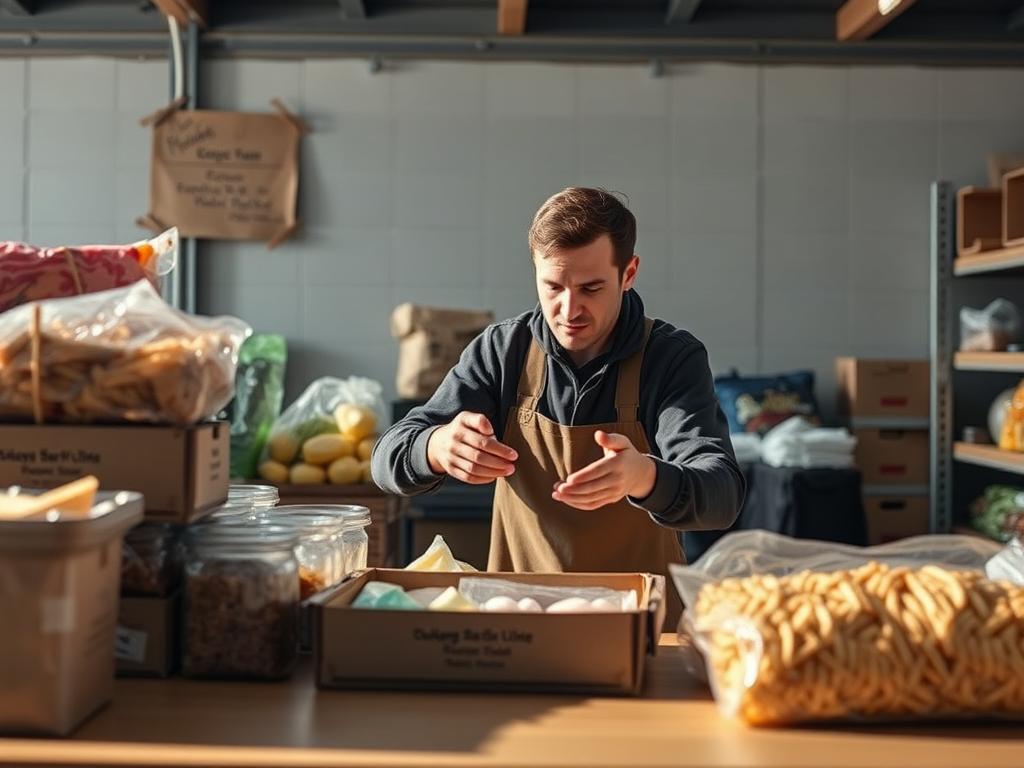
Having the right supplies is the foundation of effective preparation for extreme weather without utilities. Stocking up on non-perishable food items, water, and medical supplies is critical. Aim for a minimum of three days’ worth of food and water per person. Consider items like canned goods, dried fruits, and energy bars that require no cooking and have a long shelf life.
Beyond food and water, personal hygiene items, first aid kits, and prescription medications should not be overlooked. Additionally, a multi-tool or pocket knife can prove invaluable in various situations. The key is to regularly check and refresh your supplies to ensure everything remains usable and within expiration dates.
Many people underestimate the importance of having a reliable power source. Portable solar chargers and battery packs for phones and essential devices are critical for maintaining communication. Ensure your supplies account for the specific needs of all household members, including pets.
Creating a Communication Plan
During extreme weather events, communication can become challenging. Establishing a robust communication plan before an emergency strikes is vital. This plan should include designated contact persons, meeting places, and methods of communication, such as text messages or social media, which may work better than traditional phone calls.
Make sure all family members are aware of the plan and understand their roles. For instance, assign tasks such as gathering supplies or checking in on neighbors. Having a battery-operated or hand-crank radio can also help you stay informed about local updates and weather alerts.
Consider using apps that provide emergency alerts and updates, as they can be more reliable than traditional news sources during outages. Review and rehearse the plan regularly to ensure everyone is prepared and understands what to do in a crisis.
Alternative Heating and Cooling Methods
Without utilities, maintaining a comfortable temperature can be challenging. It’s essential to know alternative heating and cooling methods. For heating, consider options like wood stoves, propane heaters, or even blankets and sleeping bags to retain body heat.
In hot weather, shade and ventilation are your best friends. Use reflective materials to cover windows and create cross-ventilation by opening windows on opposite sides of your home. Portable fans powered by battery or solar energy can also assist in keeping air circulating.
Always be cautious with alternative heating sources to avoid carbon monoxide poisoning. Ensure proper ventilation and never use outdoor heating sources indoors. Understanding these methods can significantly affect your comfort and safety during extreme weather events.
Local Resources and Support
Knowing where to turn for help during extreme weather can make a significant difference. Local resources, including shelters, food banks, and emergency services, should be identified ahead of time. Familiarize yourself with community centers or organizations that provide aid during disasters.
Building relationships with neighbors can also create a support network. Sharing resources, such as generators or tools, can enhance safety and preparedness within your community. It’s essential to stay informed about local emergency management plans and participate in community drills when offered.
In addition to local resources, consider reaching out to local governments or non-profits that specialize in disaster preparedness. They often provide valuable information and resources tailored to your community’s specific needs.
Further Reading
Authoritative Sources
Ready.gov ready.gov
This resource offers comprehensive information on disaster preparedness, including how to handle extreme weather without utilities
American Red Cross redcross.org
The Red Cross provides valuable resources and guides for emergency preparedness and response
FEMA fema.gov
FEMA's website contains information on how to prepare for disasters, including extreme weather events
Frequently Asked Questions
What should I include in my emergency supply kit?
Your emergency supply kit should include non-perishable food, water, first aid supplies, medications, a flashlight, batteries, and a multi-tool.
How can I prepare my home for extreme weather?
Ensure your home is equipped with proper insulation, secure windows and doors, and consider installing storm shutters to protect against severe weather.
What are some alternative cooking methods during a power outage?
Consider using a camp stove, grill, or even solar ovens as alternative cooking methods during a power outage.
How can I stay informed during extreme weather?
Use a battery-operated radio, weather apps, or social media platforms to stay updated on weather conditions and emergency alerts.
What should I do if I need help during extreme weather?
Reach out to local emergency services, community centers, or neighbors for assistance during extreme weather events.
Conclusion
Handling extreme weather without utilities requires careful planning and preparation. Prioritize securing essential supplies, establishing a communication plan, and understanding the resources available in your community. By being proactive and informed, you can enhance your resilience and safety during emergencies. Make sure to regularly review and update your emergency plans and supplies to ensure you are always ready.
Understanding the specific needs of off grid living is essential for making informed decisions about which tools to invest in. For instance, solar panels are vital for generating electricity, particularly in remote areas where grid access is limited. However, the effectiveness of solar power can vary based on location, weather conditions, and seasonal changes, so it’s important to select high-quality panels and a reliable battery system to store excess energy. Water filtration systems are equally important, as access to clean water can be a challenge in off grid scenarios; investing in a robust filtration system can prevent health risks associated with contaminated water.
Another common oversight in off grid living is underestimating the importance of versatile hand tools. Many people assume that modern technology will solve all problems, but basic tools such as shovels, axes, and hand saws are critical for maintenance and construction tasks. Additionally, portable cooking equipment, such as camp stoves or solar ovens, can greatly enhance your ability to prepare meals in a self-sufficient manner. Prioritizing these tools will help you avoid common pitfalls and ensure a smoother transition to off grid living.
Solar Power Systems
Solar power systems are the backbone of off grid living, providing renewable energy to power essential appliances and tools. The initial investment in solar panels and associated equipment can be substantial, but it pays off in the long run by eliminating monthly utility bills. When selecting solar panels, consider factors like efficiency ratings, warranty, and compatibility with battery storage systems.
One common mistake is underestimating the amount of power needed for daily activities. Take inventory of all devices you plan to use and calculate their energy requirements to ensure your system can handle the load. Additionally, it’s wise to invest in high-quality batteries to store energy for cloudy days or nighttime use, further enhancing your energy independence.
Prioritize purchasing solar panels that come with a solid warranty and a good reputation for durability. This ensures that your investment is protected and that you have reliable energy sources for years to come. Also, consider local regulations regarding solar installations, as these can affect your setup.
Water Filtration Solutions
Access to clean water is critical for survival, making water filtration systems one of the most essential tools for off grid living. Depending on your location, you may have access to natural water sources, but these often require filtration to ensure safety. Investing in a high-quality water filtration system can remove contaminants and provide you with safe drinking water.
Many people overlook the different types of filtration systems available, such as reverse osmosis, UV light filters, or gravity-fed systems. Each has its own advantages and limitations, often influenced by the specific water quality in your area. Understanding these nuances can help you select a system that meets your needs effectively.
Additionally, consider the maintenance requirements of your filtration system. Some systems require regular filter changes or cleaning, which can be challenging in remote settings. Choose a system that balances efficiency with ease of maintenance to ensure you remain hydrated without excessive effort.
Gardening and Hand Tools
Gardening tools are essential for those looking to grow their own food while living off grid. Hand tools such as shovels, hoes, and pruning shears enable you to cultivate a productive garden that can provide a significant portion of your nutritional needs. Additionally, tools like compost bins and seed storage containers can help you manage your gardening efforts effectively.
Many off grid dwellers mistakenly believe they can solely rely on store-bought food or foraging. However, establishing a garden can drastically reduce your reliance on external sources and increase food security. It is also important to plan for seasonal changes and select crops that thrive in your climate.
To maximize your gardening efforts, prioritize soil health and consider companion planting to improve yields. Understanding the local ecosystem and crop rotation can also contribute to a sustainable garden that provides year-round food supply.
Portable Cooking Equipment
Cooking equipment designed for off grid living should be versatile, efficient, and easy to use. Options include camp stoves, solar ovens, and portable grills, each providing unique benefits for meal preparation without the need for traditional electricity or gas connections. Depending on your cooking style and the available resources, you may choose one or a combination of these tools.
One common error is neglecting to consider fuel sources when selecting cooking equipment. For instance, a propane stove requires a fuel supply, while a solar oven relies on sunlight, which may not be available in all conditions. Ensure that your cooking solution aligns with your lifestyle and the resources at your disposal.
When choosing portable cooking equipment, also consider the ease of cleaning and storage. Compact, multi-functional tools can save space and make meal prep more manageable, especially in smaller off grid setups.
Further Reading
For those interested in deepening their understanding of off grid living, a few authoritative sources can provide valuable insights:
Authoritative Sources
Off Grid World offgridworld.com
This resource offers a wealth of information on tools and techniques essential for living off the grid
Mother Earth News motherearthnews.com
A trusted publication that covers a broad range of topics related to sustainable living and off grid solutions
Survivopedia survivopedia.com
This site provides practical advice and gear reviews for those interested in self-sufficient living
Frequently Asked Questions
What are the most important tools for off grid living?
The most important tools include solar panels, battery systems, water filtration units, gardening hand tools, and portable cooking equipment.
How do I choose the right solar panel system?
Consider factors like energy needs, efficiency ratings, warranty, and compatibility with battery storage when choosing solar panels.
What types of water filtration systems are available?
Common types include reverse osmosis systems, UV light filters, and gravity-fed filters, each suited for different water quality needs.
How can I maximize food production in my garden?
Focus on soil health, companion planting, and selecting crops that are well-suited to your local climate for better yields.
What cooking equipment is best for off grid living?
Portable camp stoves, solar ovens, and compact grills are excellent choices for off grid cooking, depending on available resources.
Conclusion
To wrap up, the right tools are essential for successful off grid living. Prioritize investing in solar power systems, reliable water filtration, hand tools for gardening, and portable cooking gear to enhance your self-sufficiency. By understanding your specific needs and making informed choices about these tools, you can create a sustainable lifestyle that allows you to thrive independently. Remember to continuously assess and adapt your toolset as your off grid experience evolves.
Understanding the right conditions for seed storage is essential. Seeds can remain viable for several years if properly stored, but factors such as temperature, humidity, and light exposure play critical roles. High temperatures and humidity can accelerate seed deterioration, while light can degrade seed quality. Therefore, it is advisable to keep seeds in a dark, cool place to ensure they remain viable for planting in the future.
A common mistake when storing seeds is neglecting to label containers accurately. Always include the seed type and the date of storage. This practice helps in tracking viability and ensures you use the oldest seeds first, minimizing waste. Furthermore, consider employing desiccants like silica gel packets or rice in your containers to absorb any excess moisture, enhancing the longevity of your seeds.
Optimal Storage Conditions
For seeds to maintain their viability over the long term, they must be stored under optimal conditions. The ideal temperature range for seed storage is between 32°F and 41°F (0°C to 5°C). Keeping seeds in a refrigerator can help maintain this temperature. Additionally, humidity levels should be kept low, ideally below 20%. Using a hygrometer can help monitor humidity levels within the storage area.
It’s important to note that different seed types have varying viability periods. For instance, some seeds, like tomatoes, can last for several years, while others, like onions, may only remain viable for a year or two. Regularly checking the condition of stored seeds will help ensure they are still viable when it’s time to plant.
Prioritize temperature and humidity control over other factors. Even minor fluctuations can impact seed quality. If you are storing a large quantity of seeds, consider investing in a temperature and humidity-controlled storage system to ensure long-term viability.
Choosing the Right Containers
The choice of containers plays a significant role in preserving seed viability. Airtight containers are essential to prevent moisture ingress. Glass jars, vacuum-sealed bags, and heavy-duty plastic containers are excellent options. Avoid using paper bags or cardboard boxes, as these materials do not protect seeds from moisture effectively.
When selecting containers, consider the size relative to the amount of seed you have. Overly large containers may allow for air circulation, leading to moisture accumulation. It’s more effective to use smaller containers for different seed types to limit air exposure. Remember to label each container with the seed type and date of storage.
Investing in high-quality containers is a small price to pay for the enhanced longevity of your seeds. Additionally, when using glass jars, consider wrapping them in dark cloth to limit light exposure, which can degrade seed quality over time.
Common Mistakes to Avoid
One of the most prevalent mistakes in seed storage is failing to control humidity. Even a small amount of moisture can lead to mold growth and seed decay. Always use desiccants in your containers to absorb any excess moisture. Additionally, avoid storing seeds in locations that experience temperature fluctuations, such as attics or garages.
Another common error is neglecting to test seed viability before planting. Conducting a germination test before planting can save time and resources. To perform this test, place a few seeds on a damp paper towel, roll it up, and keep it in a warm location. After a week, check for germination. This simple test can help you determine whether your stored seeds are still viable.
All in all, always use older seeds first. Following a first-in, first-out (FIFO) approach will help minimize waste and ensure that you are planting the most viable seeds available.
Further Reading
Authoritative Sources
Seed Alliance seedalliance.org
This resource offers insights into seed preservation techniques and best practices for storing seeds effectively
Frequently Asked Questions
What temperature is best for seed storage?
The ideal temperature for seed storage is between 32°F and 41°F (0°C to 5°C), preferably in a refrigerator.
How long can seeds last if stored properly?
Seeds can last anywhere from 1 to 10 years or more, depending on the type and storage conditions.
Can I use regular plastic bags for seed storage?
No, regular plastic bags are not airtight and can allow moisture to enter. Use airtight containers instead.
Should I label my seed containers?
Yes, always label your seed containers with the seed type and date to track viability effectively.
How can I tell if my seeds are still viable?
Conduct a germination test by placing a few seeds on a damp paper towel and checking for sprouting after a week.
Conclusion
Storing seeds for long term viability requires careful attention to temperature, humidity, and container choice. By keeping seeds in airtight containers in a cool, dry place, you can significantly extend their lifespan and ensure successful germination when it’s time to plant. Remember to label your containers, avoid common mistakes, and perform viability tests before planting to maximize your gardening success. By prioritizing proper storage techniques, you can cultivate a thriving garden year after year.
Understanding the practical implications of transportation breakdowns is vital for urban planning and crisis management. Transportation systems are the backbone of urban economies, facilitating the movement of people and goods. When these systems fail, the ripple effects can lead to significant economic downturns, especially in densely populated areas. For instance, a breakdown can cause businesses to lose revenue due to delayed deliveries, while commuters face longer travel times, resulting in lost productivity. Prioritizing the maintenance and upgrading of transportation infrastructure is essential to mitigate these risks.
Moreover, common mistakes in crisis management often exacerbate the situation. For example, failing to have contingency plans can worsen the chaos during a breakdown. Cities that lack redundancies in their transportation networks may find themselves particularly vulnerable, as they have fewer options to reroute traffic or provide alternative transportation. Recognizing these pitfalls can aid in developing more resilient transportation systems.
Understanding the Causes of Transportation System Failures
Transportation system failures can arise from various sources, including aging infrastructure, natural disasters, and human error. For example, a bridge collapse due to poor maintenance can halt traffic flow in an urban area, while severe weather events like hurricanes can completely disrupt transportation networks.
It’s critical to assess the underlying causes of these failures to implement effective solutions. Infrastructure investments are often delayed due to budget constraints or lack of political will, leaving systems vulnerable. Additionally, human factors such as operator error or inadequate training can lead to accidents that disrupt services. Recognizing these causes enables cities to prioritize necessary improvements and enhance resilience.
Furthermore, many cities overlook the importance of regular maintenance schedules, assuming that existing infrastructure will remain functional indefinitely. This misconception can lead to catastrophic failures that could have been prevented with timely inspections and repairs. Thus, establishing a proactive maintenance culture is essential for safeguarding transportation systems.
Economic Impacts of Transportation Disruptions
The economic ramifications of transportation breakdowns are profound, affecting everything from local businesses to national supply chains. Delays in transportation can lead to increased operational costs for companies, which may be passed on to consumers in the form of higher prices.
Moreover, in urban environments, transportation disruptions can hinder access to jobs and services, exacerbating socioeconomic disparities. Businesses that rely on just-in-time delivery systems are particularly vulnerable, as any delay can lead to production halts and lost revenue. A study of metropolitan areas has shown that significant transportation disruptions can lead to millions in economic losses within a short period.
In addition, the long-term economic impact can deter investment in affected areas. Investors are less likely to commit resources to regions with unreliable transportation systems, further stunting economic growth. Thus, addressing transportation issues not only mitigates immediate losses but also fosters a more attractive business environment.
Social Consequences of Transportation Breakdowns
Beyond economic impacts, transportation failures can have serious social consequences. Delayed public transport means that individuals may struggle to reach work, school, or essential services, leading to increased frustration and reduced quality of life.
For vulnerable populations, such as the elderly or low-income families, the inability to access reliable transportation can exacerbate existing inequalities. These groups often rely on public transport systems to access jobs and healthcare, and disruptions can significantly hinder their mobility and independence.
Additionally, transportation breakdowns can lead to increased traffic congestion as commuters seek alternative routes, resulting in heightened stress levels and road rage incidents. Understanding these social implications is crucial for urban planners to create more inclusive and resilient transportation systems that cater to the needs of all community members.
Strategies for Mitigation and Recovery
To effectively mitigate the impacts of transportation system failures, cities must adopt comprehensive strategies that focus on resilience and recovery. This includes investing in infrastructure upgrades and ensuring regular maintenance to prevent breakdowns.
Additionally, implementing smart transportation technologies can improve efficiency and provide real-time data to manage disruptions. For example, traffic management systems can reroute vehicles during congestion, while public transport apps can inform commuters of delays and alternative routes.
Furthermore, fostering community engagement is essential in creating contingency plans. Residents should be involved in discussions about transportation needs and potential solutions, ensuring that plans are tailored to the specific challenges faced by each community. Developing robust emergency response strategies can also ensure quick recovery from disruptions, minimizing the impact on daily life.
Further Reading
Authoritative Sources
Transportation Research Board trb.org
This resource provides comprehensive research and insights into transportation systems and their challenges
National Highway Traffic Safety Administration nhtsa.gov
Offers valuable information on transportation safety and infrastructure policies
Institute of Transportation Engineers ite.org
A leading organization focusing on transportation engineering and planning resources
Federal Highway Administration fhwa.dot.gov
Provides guidance on highway transportation and infrastructure development
Frequently Asked Questions
What are the main causes of transportation system breakdowns?
The main causes include aging infrastructure, natural disasters, human error, and lack of maintenance.
How do transportation disruptions affect the economy?
They lead to increased operational costs for businesses, loss of productivity, and reduced economic growth.
What social issues arise from transportation system failures?
Disruptions can exacerbate inequalities, hinder access to essential services, and increase stress levels among commuters.
What strategies can mitigate transportation disruptions?
Investing in infrastructure, implementing smart technologies, and engaging communities in planning can help improve resilience.
How can cities prepare for transportation system failures?
Cities can develop contingency plans, ensure regular maintenance, and foster public engagement to address potential issues.
Conclusion
Transportation system breakdowns have significant consequences that extend beyond immediate inconveniences. They affect economic stability, social equity, and overall quality of life. Therefore, it is crucial for urban planners and policymakers to prioritize the maintenance and upgrading of transportation infrastructure while engaging the community in developing effective contingency strategies. By addressing the root causes and implementing innovative solutions, cities can create resilient transportation systems that better serve their populations and minimize the impact of future disruptions.
One significant reason for the failure of communication plans is the assumption that all stakeholders will have the same understanding of emergency protocols. In reality, different audiences may interpret messages differently based on their backgrounds and experiences. This assumption can lead to confusion and ineffective responses during critical moments. Additionally, insufficient training for personnel responsible for disseminating information can result in inconsistent messaging, further compounding the problem.
Another common mistake is the reliance on technology without considering its limitations. For instance, during a widespread power outage or network failure, traditional communication methods like radio or community bulletin boards may be more effective. Therefore, emergency planners must evaluate their communication strategies to ensure they are adaptable to various scenarios and audiences.
Understanding Communication Failures in Emergencies
At the heart of many communication failures in emergencies lies a lack of clarity and preparation. Emergency communication plans must be designed with the understanding that people react differently in crises. Misinterpretations can arise from technical jargon or overly complex instructions, leading to chaos when clear, actionable steps are needed.
Moreover, many organizations fail to engage in regular drills and training sessions, leaving personnel unprepared for real situations. These gaps can result in critical information not reaching those who need it most, ultimately jeopardizing safety and response efforts. To counteract this, emergency planners should prioritize frequent training and simulation exercises.
Another factor often overlooked is the importance of feedback mechanisms. Emergency communication should not be a one-way street; communities must have channels to provide feedback and ask questions. This not only improves clarity but can also help identify potential issues before they escalate.
Key Factors Leading to Communication Breakdowns
Several factors contribute to communication breakdowns during emergencies. One primary issue is the absence of a unified command structure, which can lead to conflicting messages from different agencies or organizations. This lack of coordination can confuse the public and delay critical responses.
Additionally, the failure to consider the audience’s needs can exacerbate the situation. For instance, non-English speakers or those with disabilities may not receive vital information in a timely manner. Ensuring that communication is accessible to all community members is essential for effective emergency management.
Furthermore, over-reliance on social media can create challenges. While social media can be a powerful tool for spreading information quickly, it can also amplify misinformation. Emergency communication plans should include strategies for verifying information and countering false narratives.
Best Practices for Effective Emergency Communication
To enhance the effectiveness of communication plans during emergencies, several best practices should be adopted. First, developing clear, concise messaging is crucial. Information should be straightforward and actionable, allowing individuals to understand what they need to do quickly.
Second, establishing a multi-channel communication strategy can help ensure that messages reach diverse audiences. This might include using traditional media, social media, text alerts, and community meetings to disseminate information effectively.
Training personnel on these communication strategies is equally important. Regular drills and workshops can prepare staff to respond effectively and adapt their messaging as needed. Additionally, incorporating community input into communication plans can improve their relevance and effectiveness, as local stakeholders often have valuable insights into the specific needs and preferences of their communities.
Further Reading
Authoritative Sources
FEMA: Emergency Management fema.gov
This resource provides comprehensive guidelines on effective emergency management communication strategies
American Red Cross: Preparedness redcross.org
The Red Cross offers resources and tips for communicating during emergencies, emphasizing community preparedness
Ready.gov: Communication ready.gov
This site includes actionable advice on creating effective communication plans for emergencies
Frequently Asked Questions
What common mistakes lead to communication plan failures?
Common mistakes include unclear messaging, lack of training, and over-reliance on technology without considering its limitations.
How can we improve communication during emergencies?
Improving communication can be achieved by developing clear messaging, using multiple channels, and engaging in regular training exercises.
Why is audience consideration important in communication plans?
Understanding the audience ensures that messages are accessible and relevant, which is crucial for prompt and effective responses.
What role does feedback play in emergency communication?
Feedback mechanisms allow communities to ask questions and provide input, improving the clarity and effectiveness of communication efforts.
How can technology be effectively integrated into communication plans?
Technology should be used as a supplement, ensuring that traditional methods are also in place to reach all community members during emergencies.
Conclusion
All in all, effective communication during emergencies is vital for ensuring public safety and efficient response efforts. By addressing common pitfalls such as unclear messaging and lack of audience consideration, organizations can significantly improve their communication plans. Prioritizing training, utilizing multiple communication channels, and incorporating community feedback are key strategies for enhancing the effectiveness of emergency communication. As we prepare for future emergencies, these best practices can serve as a foundation for building resilient and responsive communication frameworks.