
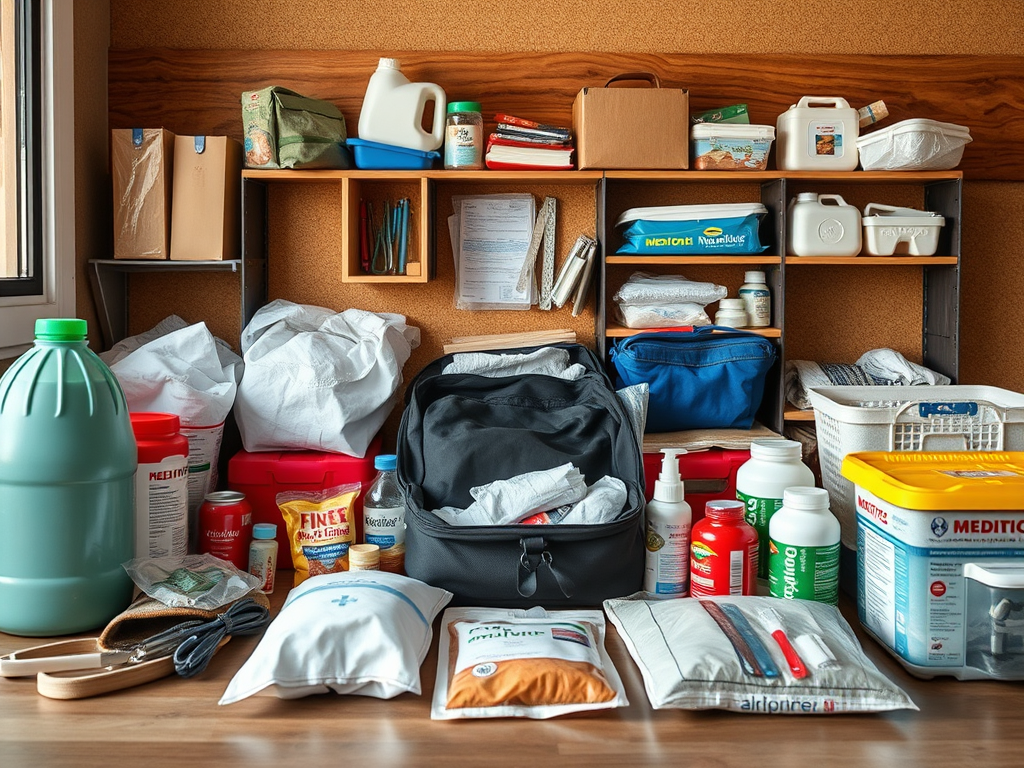
Preparing for unexpected medical needs during a crisis involves creating a comprehensive first aid kit, maintaining a list of emergency contacts, and ensuring easy access to medications and medical records. Prioritize stocking essential supplies like bandages, antiseptics, and any necessary prescription medications. Additionally, educate yourself on basic first aid techniques to effectively manage injuries or health issues that may arise. Being proactive can significantly enhance your ability to respond to medical emergencies.
Understanding the Importance of Medical Preparedness
In a world where crises can strike at any moment, being prepared for unexpected medical needs is not just beneficial; it is essential for protecting your health and the well-being of your loved ones. Crises such as natural disasters, pandemics, or sudden health emergencies can disrupt daily life and access to healthcare services, making it critical to have a well-structured plan in place. The impact of being unprepared can be severe, often leading to complications that could have been avoided with prior planning.
One of the key reasons to prioritize medical preparedness is the unpredictable nature of emergencies. Events like earthquakes, floods, or personal accidents can happen suddenly, often leaving individuals with little time to react. A comprehensive preparedness plan allows you to respond swiftly and effectively, significantly reducing stress and uncertainty during a crisis. For instance, consider a family that experiences a sudden health emergency during a natural disaster; without a clear plan, they may struggle to access needed medical care.
Moreover, being aware of common medical needs that arise during emergencies can help you prioritize what resources to include in your preparedness efforts. Conditions such as allergies, chronic illnesses, and the risk of injuries can escalate quickly in a crisis. For example, individuals with asthma may find their condition exacerbated by stress or environmental factors during a disaster, making it vital to have appropriate medications and inhalers readily available. By understanding these aspects, you can develop a tailored approach that addresses specific risks and needs.
Ultimately, the implications of being medically prepared extend beyond individual safety. A well-prepared community can lead to quicker recovery and resilience in the face of adversity. When everyone takes steps to ensure their medical readiness, it fosters a collective strength that benefits all. As such, investing time and resources into medical preparedness is a crucial step for everyone, regardless of their current health status.
Creating a Comprehensive First Aid Kit
A well-stocked first aid kit is the cornerstone of effective medical preparedness. This kit should be easily accessible and regularly updated to reflect any changes in your family’s medical needs or regulations. Start with a durable container that can withstand various environmental conditions; this ensures your supplies remain intact and usable when you need them most.
Key items to include in your first aid kit are:
- Bandages and Dressings: Include various sizes and types to cover different wounds, from small cuts to larger injuries.
- Antiseptics: Alcohol wipes, hydrogen peroxide, and antiseptic ointments are essential for cleaning wounds and preventing infections.
- Pain Relievers: Over-the-counter medications such as ibuprofen or acetaminophen can help manage pain and discomfort.
- Prescription Medications: Ensure an adequate supply of any necessary medications for chronic conditions, such as insulin or heart medications.
- Emergency Contact Information: Keep a list of contacts, including family members, doctors, and local emergency services, readily available.
Regularly reviewing and replenishing your kit is crucial, especially after any use. An organized and clearly labeled kit saves time during emergencies when every second counts. Additionally, consider including items specific to your family’s unique medical needs, such as allergy medications or specialized equipment.
When comparing the effectiveness of a well-stocked first aid kit to being unprepared, the advantages become clear. In an emergency scenario, having the right supplies at hand can mean the difference between a minor issue and a serious health crisis. Moreover, understanding how to use each item in your kit is just as important as having them available. Familiarize yourself and your family members with the contents and their applications to ensure everyone knows how to respond appropriately.
Ultimately, assembling a comprehensive first aid kit tailored to your family’s needs is a vital step in preparing for unexpected medical requirements during a crisis. Ensure it is regularly updated and accessible, and empower your family with the knowledge to utilize it effectively.
Maintaining Medication and Health Records
In the event of a crisis, having easy access to your medical history and medication information can be lifesaving. Keeping detailed records of all medications, including dosages and prescribing doctors, as well as important health conditions and allergies, is crucial for effective medical management during emergencies. This information can assist healthcare providers in making informed decisions quickly, which is vital in high-pressure situations.
Consider creating a digital copy of your medical records, which can be securely stored on your smartphone or a cloud service. This ensures that your information is not only accessible but also protected from potential loss during a crisis. Make sure this information is easy to retrieve but secured with strong passwords or encryption to maintain privacy. Additionally, keep a list of any medical devices you or your family members use, such as inhalers or blood sugar monitors, along with instructions on their operation.
In contrast, being unprepared and lacking organized health records can lead to delays in treatment and increased risks during emergencies. For example, if an individual with a chronic condition is unable to provide their medication details to healthcare providers, it may result in inappropriate treatment or complications. Therefore, having comprehensive health records readily available is a proactive measure that can significantly influence health outcomes during a crisis.
In practical terms, consider scheduling periodic reviews of your medication and health records to ensure they remain current. This can be particularly important when there are changes in health status or new prescriptions. By maintaining up-to-date records, you not only protect your health but also ease the burden on medical professionals during emergencies.
Ultimately, maintaining accurate medication and health records is a critical component of preparing for unexpected medical needs during a crisis. It streamlines communication with healthcare providers and enhances the effectiveness of emergency care, ensuring you receive the best possible treatment when you need it most.
Basic First Aid Skills and Knowledge
Understanding basic first aid can empower you to act decisively during a medical emergency. Enrolling in a first aid and CPR course offered by reputable organizations, such as the Red Cross or local community health centers, equips you with essential skills. These courses teach critical techniques such as how to perform CPR, bandage wounds, and recognize signs of serious conditions like strokes or heart attacks.
Moreover, practicing scenarios with family members ensures that everyone knows their roles in case of an emergency. This practice can include how to use the first aid kit effectively, when to seek professional help, and how to communicate during a crisis. For example, conducting drills on CPR or wound care can build confidence and preparedness among family members, making them more likely to respond effectively under stress.
When comparing the benefits of having first aid knowledge versus being untrained, the advantages become evident. Individuals who understand basic first aid are more likely to remain calm and take appropriate action in emergencies, potentially saving lives. Conversely, those without this knowledge may hesitate or respond ineffectively, leading to worse outcomes.
Regular practice and review of first aid techniques can significantly impact emergency response effectiveness. Consider setting aside time each month to refresh your skills and ensure you are up-to-date on the latest recommendations. Additionally, encourage family members to participate, fostering a culture of preparedness and confidence.
To wrap up, acquiring basic first aid skills and knowledge is an indispensable part of preparing for unexpected medical needs during a crisis. It not only enhances your ability to respond effectively but also promotes a sense of security and empowerment within your family.
Additional Resources
Authoritative Sources
- Survival Kit Supplies
redcross.orgKeep your supplies in an easy-to-carry emergency preparedness kit that you can use at home or take with you in case you must evacuate. Shop for Survival Kits ...