
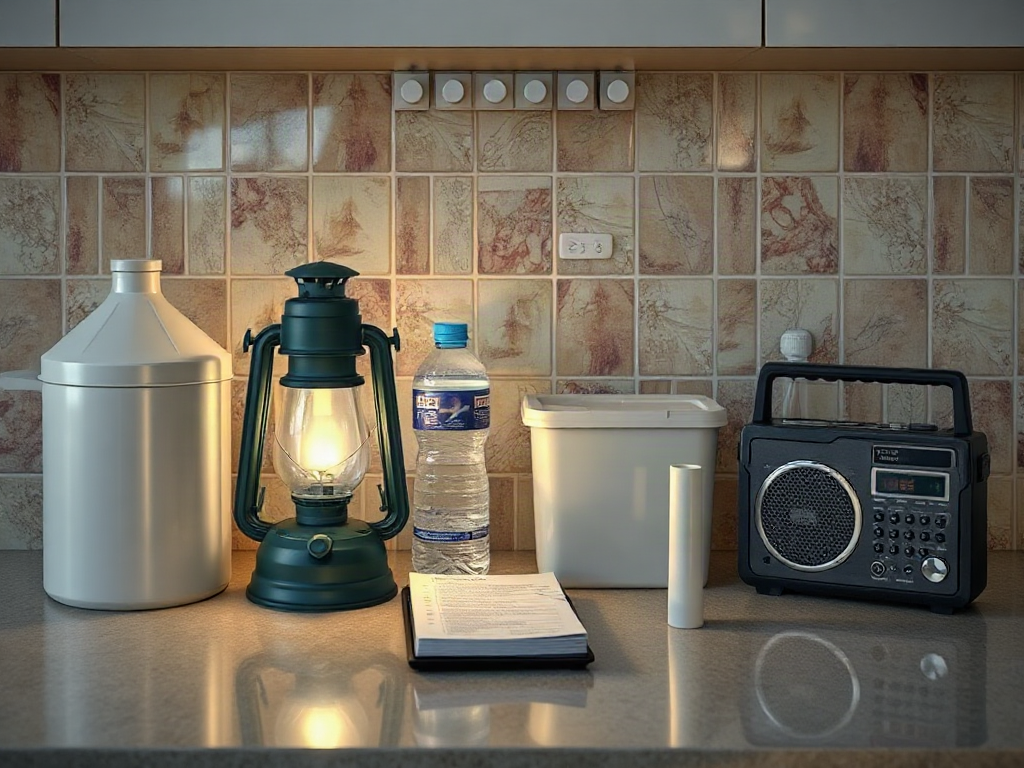
Home preparedness after a prolonged outage centers on restoring the house safely rather than switching everything back on at once. Check for electrical damage, gas odors, water contamination, carbon monoxide hazards, and spoiled refrigerated food before resuming normal routines. Reconnect appliances gradually after utility power stabilizes, and keep generators outdoors until they are shut down and cool. Document damage before cleanup, replace depleted supplies, and record which plans failed under actual conditions. A careful recovery checklist reduces secondary harm from overloaded circuits, unsafe food, hidden leaks, and rushed decisions while making the household better prepared for the next disruption.
What you’ll learn
This guide covers the following practical points:
- Make the Home Safe Before Resetting It — A restored utility connection does not automatically mean every part of the house is ready to use.
- Evaluate Food, Water, and Sanitation — Food and water decisions should rely on known conditions, not appearance alone.
- Restore Appliances and Household Systems — Large electrical loads should be brought back in stages.
- Document Losses and Replenish Supplies — Recovery records preserve details that are easy to lose once cleanup begins.
Make the Home Safe Before Resetting It
A restored utility connection does not automatically mean every part of the house is ready to use. A long interruption may leave extension cords overheated, plumbing frozen or depressurized, sump pumps idle, alarms depleted, and fuel-burning equipment positioned for temporary use. Walk through the property before turning on major loads. Look and listen for sparking, buzzing panels, scorched outlets, standing water near electrical equipment, damaged service lines, and unusual gas odors.
If you smell gas, hear escaping gas, see a downed service line, or find water in contact with electrical equipment, leave the affected area and contact the utility or emergency services from a safe location. Do not operate switches or create a flame where gas may be present. A wet panel, damaged service entrance, or repeatedly tripping main breaker warrants evaluation by a qualified electrician rather than repeated reset attempts.
Portable generators require the same caution during the transition back to grid power. Keep a running generator outdoors and well away from doors, windows, and vents; a garage is not a safe operating location, even with the door open. Shut the unit down according to its instructions before disconnecting loads or refueling it. A generator connected to household wiring should use properly installed transfer equipment so it cannot energize utility lines.
Complete an initial safety pass in a fixed order so that urgency does not hide a hazard:
- Check occupants for medical or temperature-related needs.
- Inspect the exterior, utility entrances, basement, and mechanical areas.
- Confirm smoke and carbon monoxide alarms operate.
- Isolate damaged equipment instead of testing it repeatedly.
- Photograph visible damage before moving or discarding items.
A common mistake is treating the return of lights as the end of the emergency. The safer signal is stable service combined with a home inspection that finds no evidence of fire, gas, water, or structural hazards.
Evaluate Food, Water, and Sanitation
Food and water decisions should rely on known conditions, not appearance alone. Refrigerated food can become unsafe without developing a noticeable odor, while a closed freezer may preserve food longer than a frequently opened one. If appliance temperature records are unavailable, follow current USDA guidance rather than tasting questionable food. Discard items exposed to floodwater, leaking raw foods, or uncertain refrigeration conditions.
Separate food into three groups: clearly safe, clearly disposable, and uncertain. Keep packaging or photographs of discarded food when an insurer requests documentation. Clean refrigerator and freezer interiors after disposal, especially where thawed meat or leaking containers contaminated shelves. Avoid mixing cleaning chemicals, and ventilate the work area.
Tap water also needs a condition-based decision. Follow notices from the local water utility or health department if pressure was lost, pipes were repaired, or a boil-water advisory was issued. Cloudiness caused by trapped air may clear in a glass, but odor, sediment, discoloration, or an active advisory calls for official instructions. Household filters do not necessarily make microbiologically unsafe water safe, and cartridges may require replacement after contaminated water passes through them.
Sanitation can remain limited after electricity returns if a well pump, sewage lift pump, or septic component is still offline. Test these systems gradually. Watch for slow drains, sewage odors, pump alarms, or wastewater backing up. Heavy water use immediately after restoration can worsen a marginal drainage problem. The weak assumption here is that every utility recovers simultaneously; electricity, municipal water, communications, and wastewater service often return on different schedules.
Restore Appliances and Household Systems
Large electrical loads should be brought back in stages. During restoration, voltage may fluctuate and multiple appliances may attempt to restart together. Confirm that sensitive electronics and unnecessary loads are switched off, then restore essential systems before discretionary ones. Refrigeration, heating controls, a well pump, and necessary medical equipment generally take priority over laundry equipment, ovens, or workshop tools.
An illustrative restart sequence for a home with a private well would be: verify the electrical panel is dry and normal, power the well pump, check pressure and plumbing for leaks, start one refrigerator, then add heating or cooling equipment. Allow time between major loads and observe for dimming lights, hot plugs, unusual sounds, or breaker trips. Repeated tripping indicates a fault or overload; it is not a reason to substitute a larger breaker.
| System | Check Before Use | Stop If You Notice |
|---|---|---|
| Refrigerator or freezer | Dry cord, intact plug, clean interior | Burning odor, hot receptacle, repeated cycling |
| Well pump | No visible pipe damage or dry-running risk | No pressure, rapid cycling, leaking pipes |
| Heating equipment | Clear vents and normal fuel supply | Fuel odor, soot, alarm activation |
| Sump pump | Clear intake and safe discharge path | Humming without pumping or rising water |
Reset clocks, thermostats, security systems, routers, irrigation controls, and appliance schedules only after critical equipment is stable. Replace alarm batteries that were consumed during the outage. If the home was left cold, inspect plumbing and hidden spaces for delayed leaks as pipes warm. If it became hot and humid, check enclosed areas for condensation and damp materials rather than assuming visible rooms tell the whole story.
Document Losses and Replenish Supplies
Recovery records preserve details that are easy to lose once cleanup begins. Photograph damaged appliances, spoiled food, water intrusion, fuel purchases, temporary lodging costs, and professional service work. Retain receipts and note when power failed and returned. Insurance coverage and documentation requirements vary, so contact the insurer before major disposal or permanent repairs when delay does not create a safety risk.
Restocking should follow actual consumption, not a generic shopping list. Count what remains and record what ran out first. Replace drinking water, shelf-stable meals, medications where permitted, batteries, lighting supplies, hygiene items, pet provisions, and generator fuel stored in suitable containers. Rotate older stock forward and label replacement dates. Do not keep damaged batteries, swollen power banks, contaminated containers, or fuel that cannot be stored safely.
A useful replenishment order is immediate health needs first, then water and sanitation, food preparation, lighting and communication, and Ultimately comfort items. This prevents a large purchase of low-priority gear from crowding out essentials. Budget constraints may require staged replacement; in that case, restore the supplies that addressed a real failure before buying equipment that went unused.
Consumables are only part of the reset. Recharge power stations, radios, lanterns, and removable batteries, then test them under load. Refill fire extinguishers through an appropriate service if they were discharged. Clean and dry coolers, water containers, tarps, and cords before storage. Packing damp equipment immediately is a common failure mode because it turns an outage tool into a mold, corrosion, or reliability problem.
Turn Outage Lessons Into a Better Plan
The most valuable post-outage review identifies where the household lost capability over time. Write down the timeline while memories are fresh: when lighting became difficult, when refrigeration became uncertain, which communications worked, how much fuel was consumed, and whether anyone lacked medication, mobility support, sleep, or safe temperature control. Distinguish supply shortages from process failures. Owning water does not help if containers cannot be lifted, and having a generator does not solve a fuel-storage or safe-placement problem.
Consider a hypothetical household that had enough food but lost access to its electric stove, could not open the garage door easily, and discovered that one phone carrier had no service. Its next purchases should not automatically be more food. A safe alternative cooking method, a practiced manual garage release, printed contact information, and communication redundancy address the observed failures more directly.
Revise the plan around specific triggers. Define when refrigerated food will be moved to a cooler, when a medically vulnerable person will relocate, who checks an absent neighbor, and when generator fuel must be conserved. Assign tasks by name rather than assuming someone will handle them. Include a no-power test of doors, alarms, well access, sanitation arrangements, and cooking methods.
Signs that the revised approach is working include faster hazard checks, fewer improvised cords, reliable access to water, known food temperatures, and clear relocation thresholds. Signs of failure include undocumented fuel use, inaccessible supplies, untested equipment, and dependence on a single device or person. The goal is not to predict the next outage perfectly; it is to remove the bottlenecks the last one exposed.
Conclusion
A sound recovery begins with hazards, not convenience. Inspect the property, follow utility notices, make conservative food and water decisions, and restart major systems one at a time. Once the home is stable, document losses and rebuild supplies according to actual use. Finish by converting each failure into a named task, trigger, equipment change, or practice session. That written review is what turns one difficult outage into a more reliable response next time.
Frequently Asked Questions
Should I turn all appliances back on when power returns?
No. Restore essential appliances in stages and watch for dimming lights, hot outlets, unusual sounds, or breaker trips. Leave damaged or wet equipment disconnected pending professional evaluation.
How can I decide whether refrigerated food is safe?
Use recorded appliance temperatures and current USDA guidance when available. Do not taste food to test safety, and discard items with uncertain temperature control or contamination.
Can I use tap water immediately after a long outage?
Check notices from the water utility or health department first, particularly after pressure loss or repairs. Follow any flushing, boiling, or filter-replacement instructions they issue.
What should I document before cleaning up?
Photograph property damage, spoiled food, failed equipment, and affected rooms. Save receipts, service reports, and outage times, and ask the insurer about requirements before disposal when safe to do so.
What supplies should be replaced first?
Prioritize medications and health needs, drinking water, sanitation supplies, shelf-stable food, lighting, batteries, and communication power. Replace items that ran out before adding untested gear.