
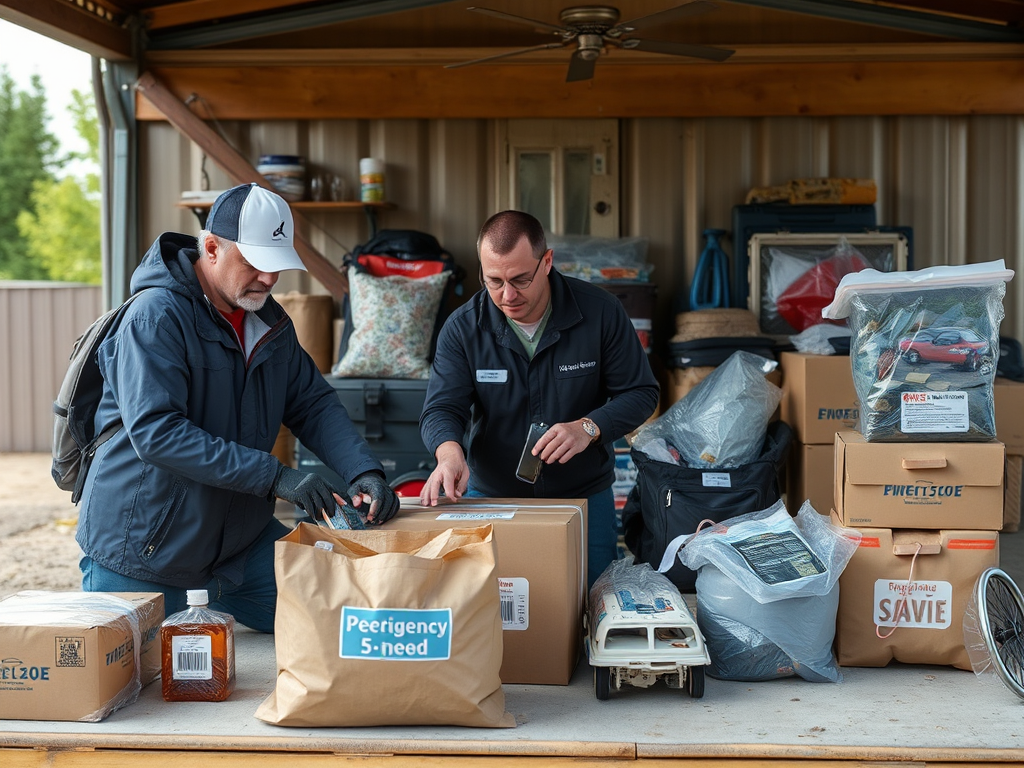
To evaluate the quality of emergency supplies, focus on their durability, functionality, and expiration dates. Ensure that materials used are robust and suitable for harsh conditions, such as BPA-free water containers. Verify that items serve their intended purpose effectively, like a well-equipped first aid kit. Regularly check expiration dates on food and medical supplies to avoid safety risks. Additionally, prioritize products with recognized safety certifications, which can provide assurance of their reliability and effectiveness in emergencies.
Understanding Emergency Supplies
Emergency supplies are essential items that individuals or families prepare to use in crisis situations, such as natural disasters or other emergencies. These supplies can include food, water, medical kits, tools, and personal hygiene items. Understanding the role of these supplies is crucial for ensuring safety and preparedness during unforeseen events. Quality evaluation ensures that the supplies will function effectively when needed, reducing risks and enhancing survival chances.
Key Criteria for Quality Evaluation
When evaluating the quality of emergency supplies, certain criteria stand out as essential:
- Durability: Supplies should be made from high-quality materials that can withstand harsh conditions. For instance, water containers should be BPA-free and resistant to cracking.
- Functionality: Each item must serve its intended purpose effectively. A multi-tool should have reliable mechanisms for various functions, while a first aid kit should include necessary medical items.
- Expiration Dates: Check expiration dates on food and medical supplies. Regularly updating these items is crucial as expired supplies can compromise safety and effectiveness.
- Certifications: Look for products with safety certifications, such as FDA approval for medical supplies or USDA organic labels for food items, which indicate that they meet specific safety and quality standards.
By focusing on these criteria, individuals can make informed decisions about which supplies to include in their emergency kits, ensuring reliability and safety in critical situations.
Common Pitfalls in Supply Evaluation
Even with a clear understanding of what to look for, there are common pitfalls that can lead to poor evaluations of emergency supplies:
- Overlooking User Reviews: Many consumers fail to check user reviews or ratings, which can provide insight into the real-world performance of a product. A high rating does not guarantee quality, but consistent feedback can highlight potential issues.
- Ignoring Storage Conditions: Some supplies may degrade if not stored properly. For instance, batteries can lose their charge or become hazardous if exposed to extreme temperatures.
- Assuming All Brands Are Equal: Brand reputation can play a significant role in quality. Lesser-known brands may not adhere to the same quality standards as established manufacturers.
Avoiding these pitfalls requires diligence and thorough research to ensure that the supplies chosen are genuinely suitable for emergency situations.
Practical Steps for Evaluation
To effectively evaluate emergency supplies, follow these practical steps:
- Conduct Research: Start by researching products online, focusing on reputable sites that provide detailed information, including specifications and user experiences.
- Inspect Products Physically: If possible, inspect items in person. Check for build quality, packaging integrity, and any visible damage.
- Compare Alternatives: Don’t settle for the first product you find. Compare multiple brands and models to assess which offers the best quality for your needs.
- Consult Expert Resources: Utilize resources from emergency management agencies or survival experts that provide guidelines on quality supplies.
By implementing these steps, individuals can systematically evaluate the quality of their emergency supplies, ensuring they are prepared for any situation.
Frequently Asked Questions
What should I include in my emergency supply kit?
Your emergency supply kit should include water, non-perishable food, a first aid kit, flashlights, batteries, a multi-tool, and any necessary medications.
How often should I check my emergency supplies?
It's advisable to check your emergency supplies every six months to ensure items are still usable and not expired.
Are there specific brands I should look for?
Look for reputable brands known for their quality in emergency supplies, such as Coleman for camping gear or Adventure Medical Kits for first aid supplies.
What are some common mistakes when preparing emergency supplies?
Common mistakes include not considering dietary restrictions, failing to update supplies regularly, and underestimating the quantity needed for each person.
How can I ensure my supplies are safe from damage?
Store supplies in a cool, dry place away from direct sunlight, and use waterproof containers to protect them from moisture and pests.
Conclusion
Evaluating the quality of emergency supplies is crucial to ensure readiness during crises. Focus on critical criteria such as durability, functionality, and expiration dates to make informed choices. Regularly updating and inspecting your supplies can help avoid common pitfalls and ensure that you are truly prepared when emergencies arise. Taking these steps will enhance your safety and confidence in your emergency preparedness efforts.
Additional Resources
Authoritative Sources
- American Red Cross Emergency Preparedness
redcross.orgPractical emergency preparation, safety, and supply guidance for households.