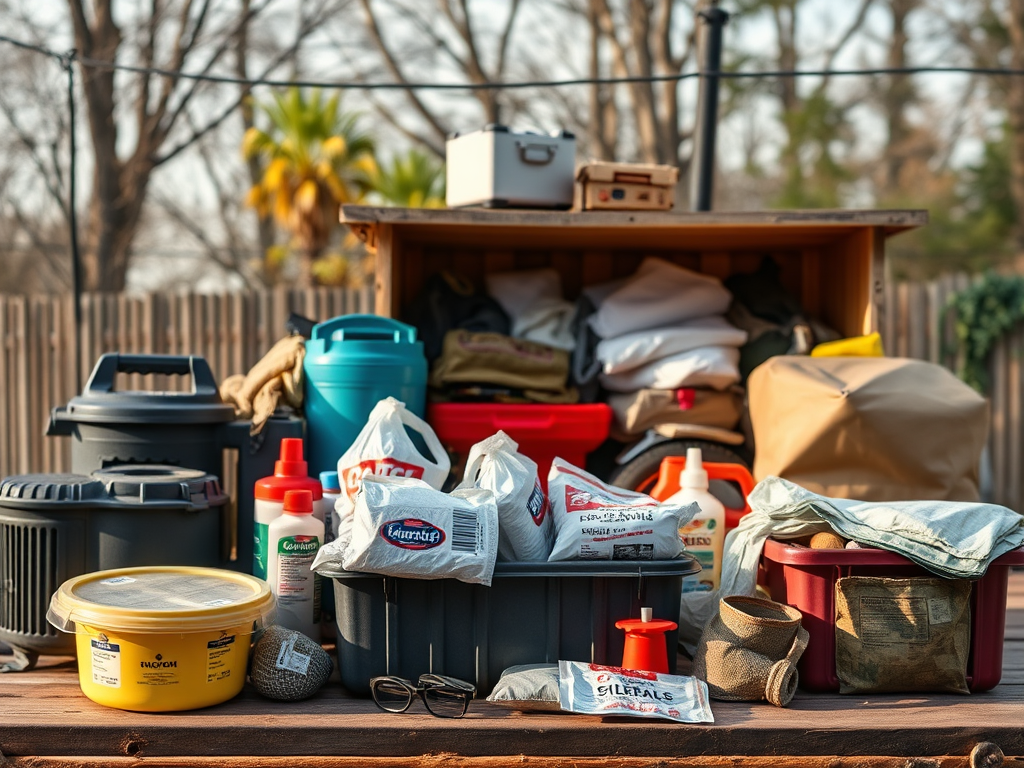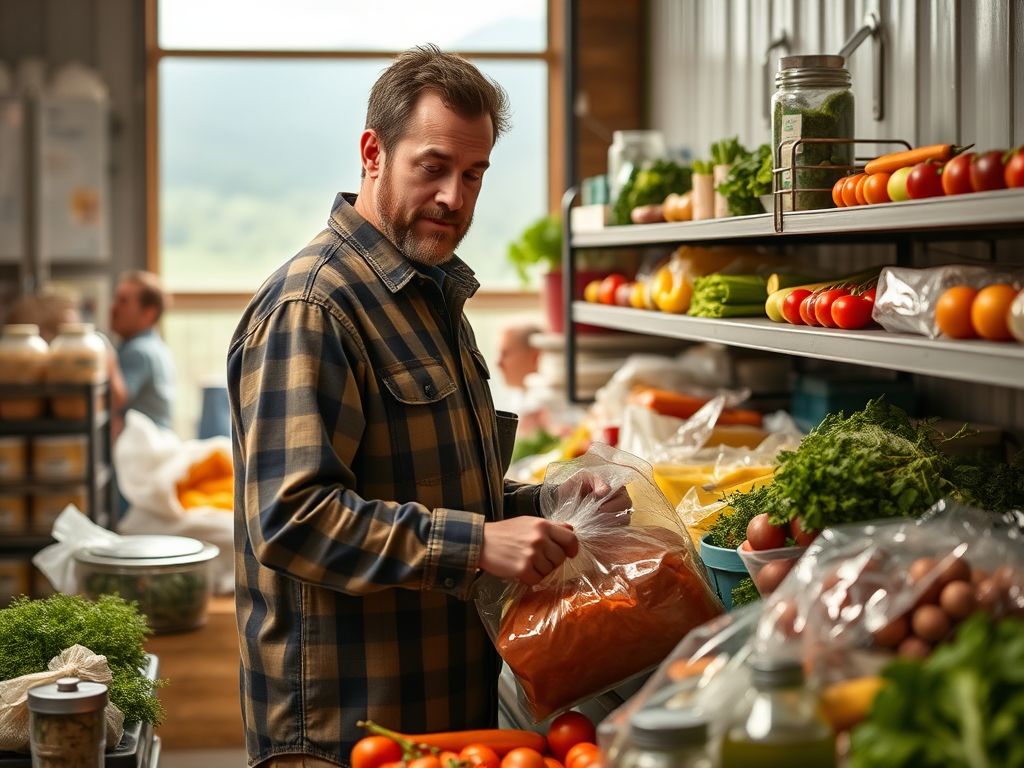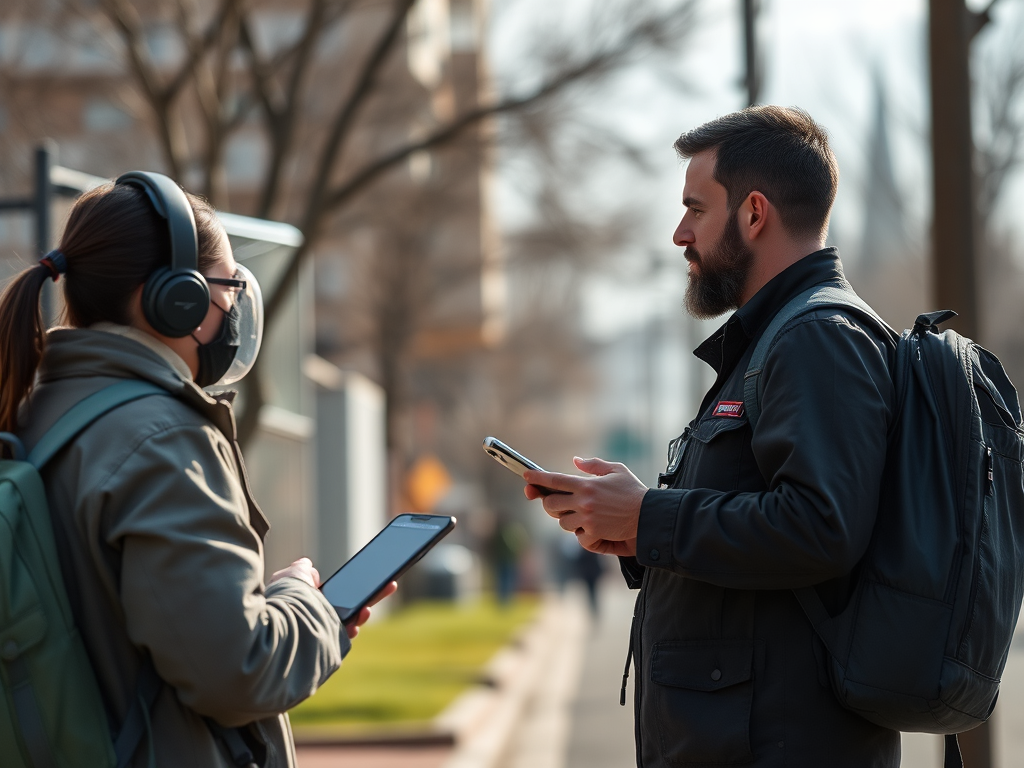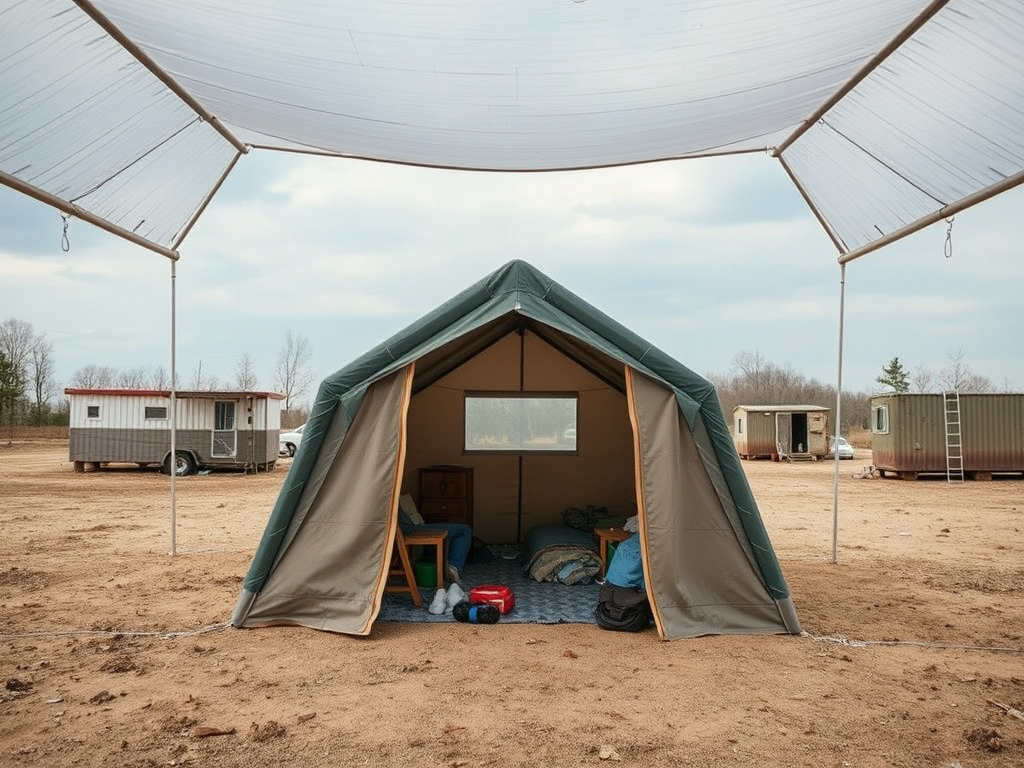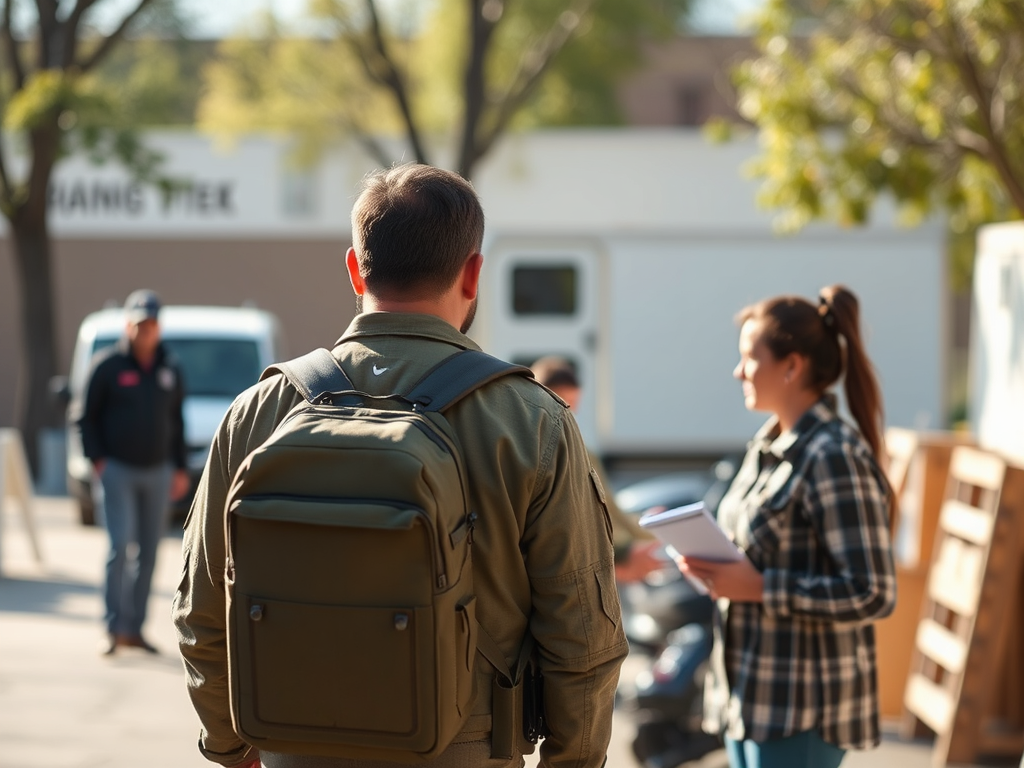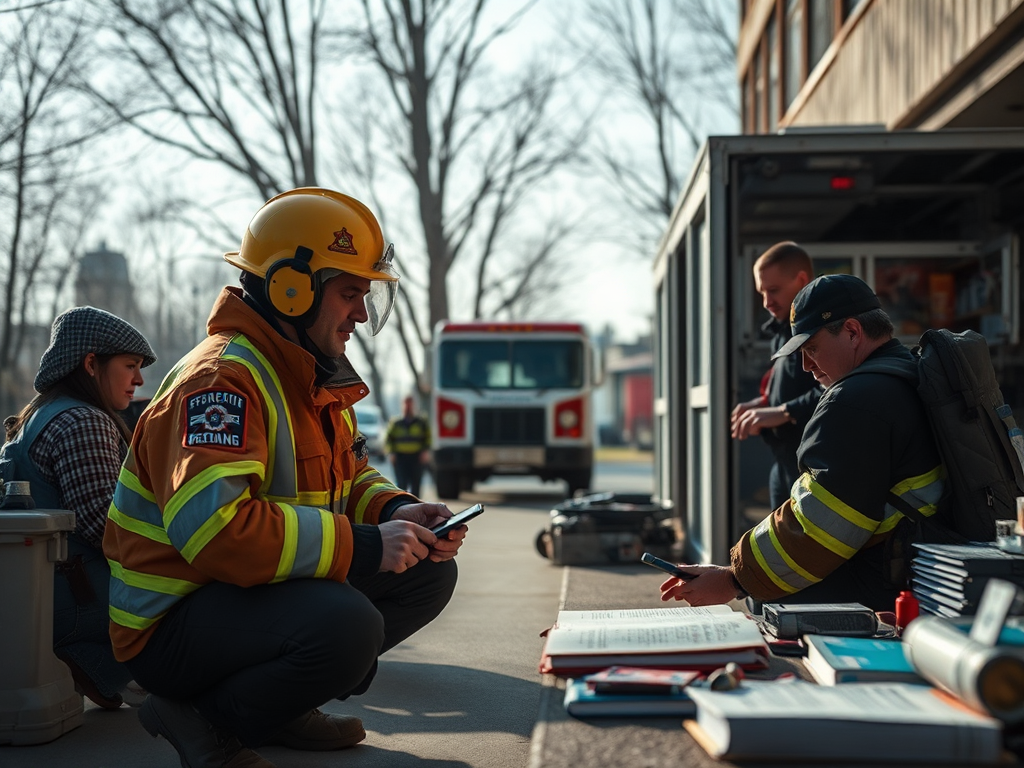
Understanding the implications of a supply chain failure is crucial. The immediate aftermath may see businesses struggling to obtain raw materials or products, leading to production halts and inventory shortages. Consumers may experience empty shelves in stores, particularly for essential items like food and medical supplies. Organizations must recognize the importance of developing robust contingency plans to mitigate these risks and ensure continuity.
Moreover, a common mistake during such crises is underestimating the ripple effects of supply chain disruptions. Many businesses focus solely on their immediate supply needs without considering how their suppliers and logistics partners are affected. This oversight can lead to prolonged recovery times and exacerbated shortages. Prioritizing a comprehensive risk assessment and establishing diversified supply sources can help organizations better navigate potential collapses.
Understanding Supply Chain Vulnerabilities
Supply chains are complex networks that rely on numerous interdependent factors, making them susceptible to various vulnerabilities. A collapse can occur due to a single point of failure, such as a factory shutdown or transportation disruption. Understanding these vulnerabilities is essential for businesses to identify potential risks and develop mitigation strategies.
For instance, reliance on a limited number of suppliers or geographical regions can greatly increase the risk of collapse. If a natural disaster strikes a region that supplies critical components, companies may find themselves unable to fulfill orders. By diversifying suppliers and investing in local production, businesses can create more resilient supply chains capable of withstanding shocks.
Another critical aspect is the need for real-time data and analytics. Companies that lack visibility into their supply chains may fail to anticipate disruptions until it’s too late. Investing in technology that provides insights into inventory levels, supplier performance, and market trends can help organizations react swiftly to emerging threats.
Immediate Effects of Supply Chain Collapse
The immediate effects of a supply chain collapse manifest in various ways, significantly impacting consumers and businesses alike. The most apparent consequence is the shortage of goods, particularly essentials like food, medicine, and hygiene products. This scarcity can lead to panic buying, further exacerbating the situation.
Additionally, companies may face increased operational costs as they scramble to source alternative suppliers or expedite shipping. This reaction can strain financial resources and lead to price hikes that affect consumers. Businesses must prioritize communication during these times, keeping stakeholders informed about shortages and expected recovery timelines.
Moreover, the psychological impact on consumers cannot be overlooked. Fear of scarcity can lead to irrational purchasing behavior, creating a cycle of shortages and increased demand. Companies should consider implementing measures to manage consumer expectations and promote calm during crises.
Long-term Economic Implications
The long-term economic implications of a supply chain collapse can be profound and far-reaching. Industries reliant on just-in-time inventory systems may find their business models unsustainable in the face of persistent disruptions. This reality can lead to significant restructuring within sectors, as businesses adapt to new operational challenges.
Furthermore, regions heavily dependent on specific industries may suffer economically, leading to job losses and declining local economies. Companies may also face reputational damage if they are unable to meet customer expectations during crises, resulting in a loss of consumer trust.
To mitigate these risks, businesses should prioritize building flexibility into their supply chains. This approach may involve investing in alternative logistics solutions, exploring local sourcing options, and fostering partnerships with multiple suppliers to enhance resilience.
Strategies for Recovery and Resilience
Recovery from a supply chain collapse requires strategic planning and execution. Organizations must assess their operations, identify vulnerabilities, and develop comprehensive recovery plans. Establishing a crisis management team can facilitate a coordinated response to disruptions, ensuring that all stakeholders are aligned in their recovery efforts.
Moreover, businesses should consider investing in technology that enhances supply chain visibility and agility. Tools such as predictive analytics can help organizations anticipate disruptions and make informed decisions about sourcing and production. Additionally, fostering relationships with suppliers and logistics partners can create a collaborative environment for addressing challenges.
All in all, companies should prioritize employee training and engagement during recovery. Ensuring that staff are equipped with the knowledge and skills to navigate supply chain disruptions can enhance overall organizational resilience. By fostering a culture of preparedness, businesses can better position themselves to withstand future shocks.
Further Reading
Authoritative Sources
Global Logistics and Supply Chain Report worldbank.org
This report provides insights into global supply chain dynamics and their impact on economies
The Need for a New Supply Chain Approach mckinsey.com
McKinsey discusses innovative strategies for building resilient supply chains in the face of disruption
Securing Supply Chain Resilience nist.gov
This article outlines key steps organizations can take to enhance supply chain resilience
Understanding the Impacts of Supply Chain Disruptions brookings.edu
Brookings provides an analysis of the economic impacts caused by supply chain disruptions
Frequently Asked Questions
What are the main causes of supply chain collapse?
Main causes include natural disasters, geopolitical tensions, economic downturns, and systemic vulnerabilities within the supply chain.
How does a supply chain collapse affect consumers?
Consumers face shortages of essential goods, increased prices, and potential panic buying behaviors during a collapse.
What strategies can businesses implement to prevent supply chain disruptions?
Businesses can diversify suppliers, invest in technology for better visibility, and establish contingency plans to enhance resilience.
How long does it take for a supply chain to recover after a collapse?
The recovery duration varies depending on the severity of the collapse, the industry involved, and the effectiveness of the recovery strategies implemented.
What role does technology play in supply chain resilience?
Technology enhances supply chain resilience by providing real-time data, predictive analytics, and improved communication among stakeholders.
Conclusion
Ultimately, a complete collapse of supply chains can have severe implications for economies and individuals alike. Understanding the causes and immediate effects is crucial for businesses to navigate such crises effectively. By prioritizing resilience through diversification, technology investment, and strategic planning, organizations can better position themselves to withstand future disruptions. Taking proactive measures now will not only mitigate risks but also foster a more sustainable and stable supply chain environment moving forward.
One of the most significant distinctions lies in resource management. Urban preppers must navigate a landscape where resources are often limited and competition for them can be fierce. This means that urban preppers need to prioritize their resource allocation and develop strategies to secure supplies that may become scarce during emergencies. In contrast, rural preppers typically have access to land for growing food and raising livestock, which can provide a more stable resource base.
Moreover, the environmental risks differ greatly between urban and rural settings. Urban areas are more prone to issues such as civil unrest, infrastructure failure, and higher crime rates in disaster scenarios. Rural areas, on the other hand, may face challenges like isolation during natural disasters or agricultural failures. These context-specific risks necessitate tailored strategies that align with the unique characteristics of each environment.
Resource Management Strategies
Effective resource management is critical for urban preppers. With limited space and resources, urban dwellers must focus on efficient storage solutions and sourcing supplies from multiple vendors. Techniques such as vertical gardening, using community gardens, and investing in multi-purpose tools can help maximize available resources. It’s essential to establish a network of reliable suppliers and alternative sources for food, water, and medical supplies.
Urban preppers often face the challenge of competing for resources with a larger population. This competition can lead to panic buying and hoarding behavior during emergencies, which can further deplete available supplies. Therefore, having a proactive approach to stockpiling essential items over time, as well as building relationships with local suppliers, can create a buffer against scarcity.
Additionally, urban preppers should consider the logistics of transport and accessibility when planning their resource management. In a crisis, mobility can be compromised, so it’s important to have a clear plan for acquiring resources and moving them safely. This may involve securing transportation methods or identifying local community hubs where supplies can be accessed.
Environmental Risks and Preparedness
Urban environments are susceptible to different environmental risks compared to rural areas. Issues like flooding, power outages, and civil unrest can escalate quickly in densely populated areas. Urban preppers must be aware of these risks and develop contingency plans that address potential emergencies specific to their location.
For example, understanding local flood zones, earthquake risks, or potential for civil disturbances can inform the preparation process. Urban preppers should invest in emergency kits that include items specific to these risks, such as portable water filters, first aid supplies, and communication devices. Having a well-defined emergency plan that includes escape routes and safe locations can also mitigate risks associated with urban life.
Furthermore, urban areas often have limited access to natural resources, which means preppers must rely more on community resources and public infrastructure. This reliance creates a need for urban preppers to stay informed about local government emergency plans, available shelters, and community support networks that could assist during a crisis.
Security Considerations in Urban Areas
Security is a significant concern for urban preppers, particularly during times of crisis when societal norms may break down. High population density can lead to increased crime rates, making personal safety and property security paramount. Urban preppers should consider investing in home security systems, situational awareness training, and self-defense skills.
Establishing a neighborhood watch or community preparedness group can also enhance security. By working together, urban preppers can share resources, information, and support during emergencies, creating a stronger defense against potential threats. It’s essential to foster relationships with neighbors to build a community that can rely on each other in times of need.
Moreover, urban preppers should evaluate their personal security plans, including how to secure their homes and belongings against theft or vandalism. This might involve reinforcing doors and windows, securing outdoor equipment, and developing a plan for safe transportation during emergencies.
Community Support Networks
Community plays a vital role in urban prepping. Building a network of like-minded individuals can provide emotional support, resource sharing, and practical assistance during emergencies. Urban preppers should actively seek out local groups focused on preparedness, survival skills, or self-sufficiency.
Community gardens, skill-sharing workshops, and local meetups can foster connections among urban preppers. These networks can facilitate the sharing of knowledge and resources, which is particularly important in urban settings where isolation can be common. By engaging with the community, preppers can also stay informed about local risks and emergency plans.
Additionally, urban preppers should consider how they can contribute to their communities. Volunteering time or resources can not only help others but also strengthen community ties, making it easier to rely on one another during a crisis. Building these relationships before an emergency occurs can be crucial for effective response and recovery.
Further Reading
Authoritative Sources
Ready.gov ready.gov
A comprehensive resource for emergency preparedness information and guidelines
American Red Cross redcross.org
Offers training, resources, and support for disaster preparedness and response
Frequently Asked Questions
What are the main challenges of urban prepping?
Main challenges include limited storage space, resource competition, and security risks.
How can urban preppers secure resources effectively?
By developing relationships with local suppliers and utilizing community resources.
What environmental risks should urban preppers consider?
Flooding, power outages, and civil unrest are significant risks in urban areas.
What role does community play in urban prepping?
Community networks provide support, resource sharing, and collective security during emergencies.
How can urban preppers enhance their personal security?
Investing in home security systems and participating in neighborhood watch programs can help.
Understanding the limitations and advantages of each technique is crucial. For instance, solar ovens are best used on sunny days and require time to cook food, while camp stoves provide more control but need fuel. Open flames can be effective but pose safety risks if not managed properly. It’s essential to prioritize safety and efficiency, especially when cooking outdoors or in emergency situations.
Common mistakes include underestimating cooking times and not having adequate safety measures in place. For example, using flammable materials too close to a flame can lead to accidents. It’s important to have a clear plan for what you will cook and the resources required, ensuring you can prepare nutritious meals without reliance on electrical or gas-powered devices.
Using Solar Ovens
Solar ovens harness sunlight to cook food, making them an eco-friendly option for cooking without power or gas. These devices can reach temperatures sufficient for baking, boiling, and steaming. The effectiveness of solar ovens largely depends on weather conditions and the angle of sunlight exposure.
When using a solar oven, it’s important to prepare meals that require longer cooking times, as solar cooking is generally slower than conventional methods. Foods like stews, casseroles, and baked goods work well, as they can be left to cook for extended periods without constant monitoring. Ensure your solar oven is positioned to capture maximum sunlight throughout the day for optimal cooking.
A common pitfall is failing to account for the time required to cook food. Cooking times can vary significantly based on the intensity of sunlight and the type of food being prepared. It’s advisable to plan meals that can be started early in the day, allowing them to cook slowly and thoroughly.
Cooking with Camp Stoves
Camp stoves are portable devices that use propane or butane fuel to ignite a flame for cooking. They are versatile and can boil water, fry, and simmer foods. Camp stoves are particularly useful during short power outages or while camping.
When using a camp stove, it’s vital to have sufficient fuel on hand and to follow safety instructions to prevent gas leaks or explosions. Cooking with a camp stove allows for more control over heat levels compared to open flames, making it easier to cook a variety of meals.
One mistake to avoid is cooking in enclosed spaces, as this can lead to dangerous carbon monoxide buildup. Always use camp stoves outdoors or in well-ventilated areas. Also, consider the fuel types available; some fuels burn cleaner than others, impacting both safety and flavor.
Open Flame Cooking Techniques
Open flame cooking can be done using wood, charcoal, or other combustible materials. This method is often associated with grilling or campfire cooking and can create a unique flavor profile for meals. Open flames can be used for roasting, grilling, or even baking in a Dutch oven.
When cooking over an open flame, it’s essential to control the fire size and ensure that food is cooked evenly. Using a grill grate or a skewering technique can help manage cooking times and prevent food from falling into the fire. Additionally, be mindful of the wind and weather conditions, which can affect cooking times and safety.
A frequent oversight is the lack of preparedness for handling the fire itself. Always have water or a fire extinguisher nearby to manage flare-ups or accidents. Understanding how to build a fire properly and what materials burn best can significantly impact the cooking process and safety.
Safety Considerations
Safety is paramount when cooking without power or gas. Each method presents unique risks, from burns to carbon monoxide poisoning. Always prioritize proper ventilation when using any cooking method that produces smoke or fumes.
Ensure that you have adequate fire safety equipment, such as extinguishers and first aid kits, readily available. Familiarize yourself with safe cooking practices, including how to extinguish flames and the importance of keeping flammable materials away from heat sources.
It’s also wise to have a plan for food storage and preparation. Spoiled food can lead to illness, so understanding how to keep food safe during power outages is essential. Use coolers with ice packs, and avoid opening them frequently to maintain a safe temperature.
Further Reading
Authoritative Sources
Food Safety During Emergencies ready.gov
This resource provides essential food safety tips during power outages and emergencies
Food Safety Modernization Act fda.gov
Learn about regulations and guidelines to ensure food safety during emergencies
Cooking Without Power nbcnews.com
Insights and tips on cooking during power outages from a reliable news source
Frequently Asked Questions
What are the best foods to cook without power?
Foods that are easy to prepare without power include canned goods, dried beans, rice, and root vegetables. They can be cooked using alternative methods like solar ovens or camp stoves.
How can I ensure food safety during power outages?
Keep perishable foods below 40°F, use coolers with ice, and avoid opening refrigerator doors frequently. Discard any food that has been above 40°F for more than two hours.
What equipment do I need for cooking without power?
Essential equipment includes a solar oven, camp stove, portable grill, or a Dutch oven for open flame cooking. Always have fuel and safety tools on hand.
Is it safe to cook indoors without power?
Cooking indoors is generally unsafe without proper ventilation, especially with camp stoves or open flames, which can produce harmful gases.
What common mistakes should I avoid when cooking without power?
Avoid underestimating cooking times, using flammable materials too close to heat sources, and neglecting food safety guidelines. Always plan and prepare accordingly.
Conclusion
Cooking meals without power or gas requires adaptability and knowledge of various methods. By utilizing solar ovens, camp stoves, or open flames, you can prepare nutritious meals in emergencies. Prioritize safety, proper food handling, and preparation techniques to ensure success. Always plan ahead, keep necessary equipment handy, and understand the risks involved. With the right approach, you can effectively manage meal preparation even in challenging situations, ensuring you and your loved ones stay nourished.
When considering food storage without refrigeration, it’s important to prioritize shelf stability, nutrient retention, and safety. Canned goods, for instance, can last for years if stored in a cool, dark place, while dry grains and legumes must be kept in airtight containers to prevent pest infestations. Root vegetables like potatoes and carrots can last for weeks or even months in a cool, dark area. Proper storage methods can help you avoid common mistakes that lead to spoilage and waste.
Many people overlook the importance of understanding the specific storage needs of each food type. For example, while nuts are generally shelf-stable, they can go rancid if exposed to heat or light. Similarly, dried fruits can attract pests if not stored properly. By knowing which foods store best without refrigeration and how to manage their storage conditions, you can ensure a reliable food supply during emergencies.
Canned Goods: Long-lasting and Versatile
Canned goods are among the most reliable foods that can be stored without refrigeration. They are sealed in airtight containers, which prevents spoilage and allows for a long shelf life, often exceeding two years if stored properly. Items like vegetables, fruits, beans, and meats provide essential nutrients and can be prepared in various meals.
When storing canned goods, keep them in a cool, dark place away from direct sunlight. It’s crucial to check for any signs of rust or damage to the can, as these can compromise safety. Additionally, rotating your stock by using older cans first helps maintain freshness and ensures you consume items before their expiration dates.
Many people mistakenly believe that any canned food is safe indefinitely. However, while the food may not spoil immediately after the expiration date, its quality and nutrient content may diminish over time. Regularly checking and rotating your canned goods will help you maintain a nutritious pantry.
Grains and Legumes: Nutrient-rich Staples
Grains and legumes, such as rice, quinoa, lentils, and beans, are excellent choices for long-term storage without refrigeration. These foods are nutrient-dense, providing essential carbohydrates and proteins. They can be stored in airtight containers to protect them from moisture and pests, allowing them to last for years.
To maximize their shelf life, store grains and legumes in a cool, dry environment. It’s also beneficial to use food-grade oxygen absorbers in your storage containers to minimize oxidation, which can lead to rancidity and spoilage. Understanding the appropriate cooking methods for these foods is essential, as some may require soaking or longer cooking times.
A common mistake is to overlook the importance of proper sealing. Many people store grains in their original packaging, which can lead to exposure to moisture and pests. Investing in high-quality containers will help preserve the quality of your food and ensure it’s safe to consume.
Root Vegetables: Nature’s Refrigerators
Root vegetables like potatoes, carrots, and onions are naturally resilient and can last for weeks or months without refrigeration. These vegetables thrive in cooler, dark environments, making them ideal for storage in basements or root cellars. They are versatile ingredients that can be used in a variety of dishes.
When storing root vegetables, ensure they are clean and dry to prevent rot. Keeping them in breathable bags or containers allows for air circulation, reducing the risk of spoilage. Regularly check for any signs of decay or sprouting, as these can spread to other vegetables if not addressed promptly.
Many people do not realize that some root vegetables, like sweet potatoes, prefer slightly warmer storage conditions compared to others. Understanding the specific needs of each type can help you maintain their quality and extend their shelf life.
Nuts and Dried Fruits: Healthy Snacks
Nuts and dried fruits are not only delicious but also packed with nutrients. They can be stored without refrigeration for extended periods, making them great options for snacking or adding to meals. However, their shelf life can be affected by exposure to heat and light, so proper storage is key.
Store nuts and dried fruits in airtight containers in a cool, dark place to maintain their freshness. Some nuts, like walnuts and pecans, have higher fat content and are more susceptible to rancidity, so it’s wise to consume these sooner rather than later. Keeping them in the freezer can also significantly extend their shelf life.
A common pitfall is assuming that all nuts and dried fruits are equally durable. Some varieties, like macadamia nuts, have a shorter shelf life than others. Being aware of these differences can help you make better choices for your pantry.
Best Practices for Storage
To ensure your food supplies remain safe and nutritious without refrigeration, implement best practices for storage. Always keep foods in airtight containers to prevent moisture and pests from spoiling them. Label containers with purchase dates to track freshness and use the oldest items first.
Additionally, consider the temperature and humidity of your storage area. Foods like grains and nuts thrive in cooler, drier conditions, while root vegetables prefer slightly warmer temperatures. Regularly check on your food supplies to identify any signs of spoilage early.
Many people underestimate the importance of maintaining an organized storage system. By categorizing foods and keeping track of expiration dates, you can ensure that your pantry remains functional and stocked with nutritious options.
Further Reading
For more information on food storage without refrigeration, consider visiting reputable sources that specialize in food preservation and emergency preparedness. These resources can provide in-depth insights and additional tips to enhance your storage strategies.
Further Reading
Authoritative Sources
Ready.gov ready.gov
Official U.S. preparedness guidance, checklists, and planning resources for households and emergencies.
FEMA fema.gov
Federal emergency management resources, disaster planning information, and recovery guidance.
American Red Cross Emergency Preparedness redcross.org
Practical emergency preparation steps, supply lists, and safety guidance for families.
National Weather Service weather.gov
Official forecasts, hazard alerts, and weather safety information.
CDC Emergency Preparedness and Response cdc.gov
Public health guidance for emergencies, disasters, and recovery situations.
Frequently Asked Questions
How long do canned goods last?
Canned goods can last for several years if stored properly in a cool, dark place. Always check for signs of damage or rust and rotate your stock regularly.
What is the best way to store grains?
Store grains in airtight containers in a cool, dry environment. Using food-grade oxygen absorbers can also help prolong their shelf life.
Can root vegetables be stored together?
It’s best to store root vegetables separately, as some produce gases that can cause others to spoil. For example, onions can affect potatoes.
How can I tell if nuts have gone bad?
Nuts that have gone bad may have a rancid smell or taste. Check for any signs of mold or discoloration as well.
What should I prioritize when stocking up on non-refrigerated foods?
Focus on a balance of canned goods, grains, legumes, and nutrient-dense snacks like nuts and dried fruits to ensure a well-rounded supply.
Conclusion
Understanding what foods store well without refrigeration systems is crucial for maintaining a reliable food supply in emergencies or off-grid living. By prioritizing canned goods, grains, legumes, root vegetables, and nuts, you can create a diverse and nutritious pantry. Remember to implement best storage practices to extend the shelf life of your foods and minimize waste. Regularly check your supplies, rotate items, and be aware of individual food storage needs to ensure you are prepared for any situation.
Understanding the nature of medical emergencies is crucial. Common scenarios include severe injuries, allergic reactions, or sudden illnesses. Each situation demands a specific response, and knowing how to act can make a life-saving difference. Mistakes often arise from panic or lack of information, so having a clear action plan is vital. Prioritize staying calm and assessing the situation before taking action.
Preparation is your first line of defense. Familiarize yourself with basic first aid techniques and consider taking a certified course. Stock a first aid kit with necessary supplies, including bandages, antiseptics, and any personal medications. Furthermore, having a list of emergency contacts and local resources can expedite help when needed. Many people overlook the importance of regular training and practice, leading to unpreparedness in real situations.
Recognizing Medical Emergencies
Recognizing a medical emergency is the first step towards effective management. Symptoms such as difficulty breathing, severe bleeding, or loss of consciousness are clear indicators that immediate action is required. Understanding these signs can prevent worsening conditions and facilitate timely intervention.
Common emergencies include heart attacks, strokes, and allergic reactions. Each condition has unique symptoms, and misdiagnosis can lead to critical delays in care. For instance, recognizing the signs of a stroke, such as facial drooping or speech difficulties, can prompt immediate action that may save a life. Individuals should familiarize themselves with these symptoms and prioritize learning about conditions prevalent in their area.
Many overlook the importance of situational awareness. Being aware of the environment and potential hazards can prevent emergencies from occurring in the first place. For example, knowing the locations of emergency exits and first aid kits in public places can be beneficial during a crisis.
Basic First Aid Techniques
Basic first aid techniques are essential for managing medical emergencies effectively. Skills such as CPR, wound care, and the Heimlich maneuver can significantly impact outcomes. These techniques can stabilize a patient until professional help arrives.
Performing CPR can double or triple a cardiac arrest victim’s chance of survival. It’s vital to learn the correct compression techniques and breath-to-compression ratios through certified training. Additionally, knowing how to clean and dress wounds can prevent infections and promote healing. Many people fail to act quickly due to uncertainty about how to perform these techniques, highlighting the importance of education and practice.
Regular refreshers on first aid techniques can help maintain confidence and preparedness. Individuals should practice these skills in realistic scenarios to reinforce their knowledge and ensure they can act decisively in real emergencies.
Utilizing Resources Effectively
Utilizing available resources effectively can make a significant difference during medical emergencies. This includes having a well-stocked first aid kit, knowing how to use it, and identifying local resources such as pharmacies or urgent care centers.
When faced with an emergency, assess what resources are at your disposal. This could mean using items in your home or car to address immediate needs. For instance, a clean cloth can serve as a makeshift bandage, while ice packs can help reduce swelling. Many individuals hesitate to improvise, but creativity in utilizing available materials can be crucial.
Additionally, technology can play a vital role. Apps that provide first aid instructions or help locate nearby medical facilities can be invaluable during emergencies. However, reliance on technology should not replace foundational knowledge and skills.
When to Seek Professional Help
Knowing when to seek professional help is crucial in emergency situations. Even if you can manage certain conditions at home, some scenarios require immediate medical attention. Symptoms such as chest pain, severe bleeding, or signs of a stroke should prompt a call for emergency services.
Assessing the severity of the situation is key. For example, if a person’s condition worsens despite your efforts, do not hesitate to seek help. Many individuals mistakenly believe they can manage everything themselves, which can lead to dire consequences. Understanding the limits of your skills is essential for ensuring safety.
In addition to recognizing symptoms, knowing how to communicate effectively with medical professionals can expedite care. Be prepared to share critical information, including the nature of the emergency, symptoms, and any actions taken.
Further Reading
Authoritative Sources
American Red Cross First Aid redcross.org
This resource offers comprehensive information on first aid techniques and emergency response
CDC Emergency Preparedness cdc.gov
The CDC provides guidelines and resources for emergency preparedness and response
World Health Organization who.int
The WHO offers global health guidelines, including emergency response strategies
Frequently Asked Questions
What should I include in a first aid kit?
A well-stocked first aid kit should include adhesive bandages, antiseptic wipes, gauze pads, adhesive tape, scissors, tweezers, and any personal medications.
How can I learn CPR?
CPR can be learned through certified courses offered by organizations like the American Heart Association or American Red Cross.
What are the signs of a heart attack?
Common signs include chest pain, shortness of breath, nausea, or discomfort in the arms, back, neck, or jaw.
When should I call for emergency help?
Call for help if someone is unresponsive, has severe bleeding, or shows signs of a heart attack or stroke.
Can I treat minor injuries at home?
Yes, minor injuries like small cuts or bruises can often be treated at home with proper first aid techniques.
Conclusion
Handling medical emergencies without hospitals is a crucial skill that can save lives. Being prepared with knowledge, skills, and resources is essential. Regularly refreshing your first aid skills, knowing when to seek help, and understanding how to utilize available resources can make a significant difference in emergency situations. Prioritize learning and preparation to ensure you can act confidently and effectively when it matters most.