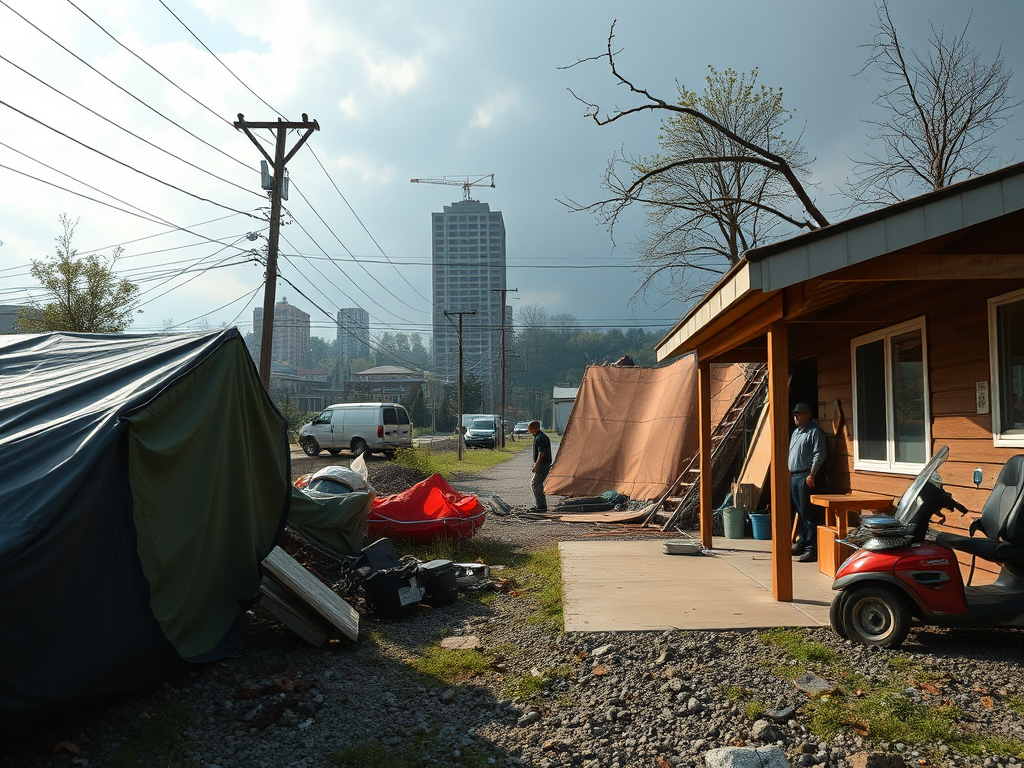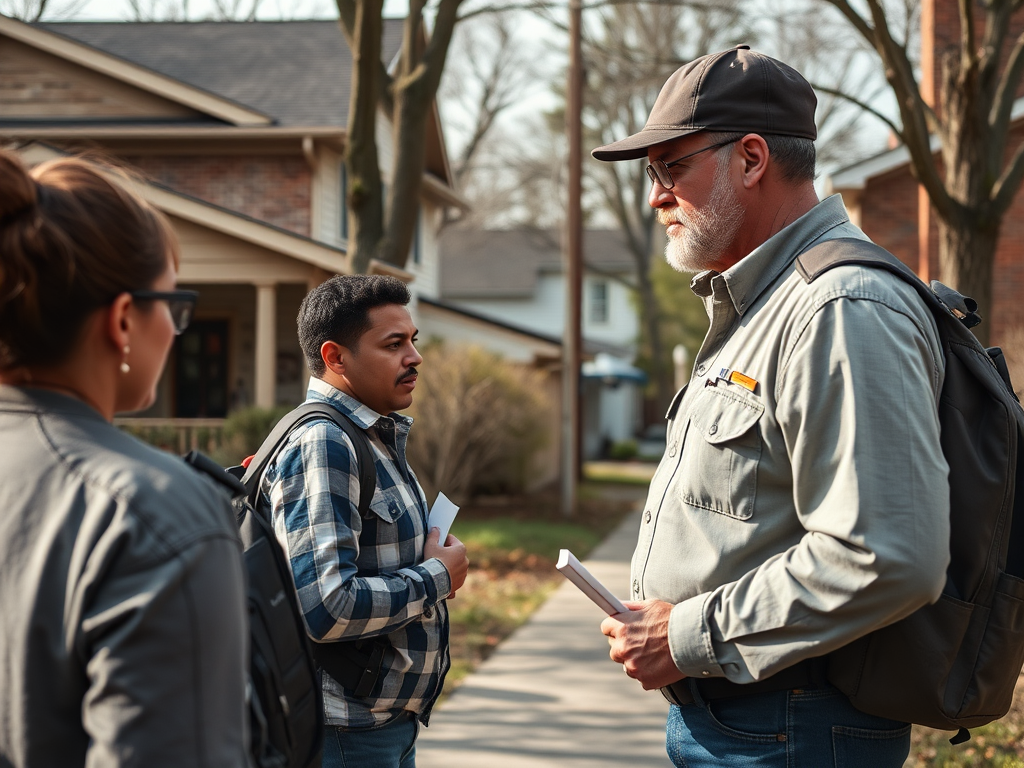
Understanding the importance of skills over currency is crucial. As economies falter, the ability to produce food can directly impact survival. Additionally, skills in healthcare, carpentry, and other trades provide means to trade for necessary resources and services. Those who can offer valuable skills will find themselves in a better position to navigate the challenges of an economic downturn.
Many people underestimate the value of practical skills during a crisis. While financial resources may diminish, knowledge in areas like gardening, first aid, or mechanical repair can become invaluable. Prioritizing the development of these skills can provide a safety net in uncertain times, ensuring individuals can sustain themselves and support their communities.
Food Production Skills: Growing Your Own Resources
Food production skills are vital during an economic collapse, as they enable individuals to grow their own food and reduce dependency on external sources. Knowing how to cultivate vegetables, fruits, and herbs can provide essential nutrition and enhance self-reliance.
In a crisis, community gardens and personal plots become crucial. Learning about soil health, crop rotation, and organic gardening techniques can drastically improve yields. Those with the ability to produce food can trade surplus crops for other goods, creating a barter economy that thrives on mutual support.
Many overlook the time and effort required to establish a sustainable garden. Start small, with easy-to-grow plants, and gradually expand as skills improve. Networking with local gardening groups can provide additional resources and knowledge, enhancing overall food security.
Healthcare Knowledge: Basic First Aid and Medical Skills
Basic healthcare knowledge is indispensable in times of economic instability. Skills in first aid, wound care, and understanding common illnesses can save lives when access to professional medical assistance is limited.
Having the ability to treat minor injuries, manage chronic conditions, and identify symptoms of illness can empower individuals to care for themselves and their families. In a collapse, the healthcare system may be overwhelmed or inaccessible, making personal medical knowledge a critical asset.
Many people underestimate the importance of continuous learning in healthcare. Consider taking first aid courses or obtaining certifications in CPR. Additionally, building a small medical supply kit can prepare you for emergencies, ensuring you have the necessary tools and supplies on hand.
Trade Skills: Bartering and Repair Abilities
Trade skills, such as carpentry, plumbing, and electrical work, become highly valuable during economic downturns. These abilities allow individuals to repair and maintain their homes and equipment, reducing reliance on commercial services.
Being able to fix things rather than replace them can save resources and create opportunities for bartering. For example, someone with carpentry skills can trade furniture repairs for food or medical supplies. This exchange fosters community resilience and encourages collaboration among neighbors.
Consider honing your trade skills through workshops or online courses. The more versatile your abilities, the better equipped you’ll be to navigate challenges and support others in your community.
Community Building: The Importance of Networking
Building a strong community network is essential during an economic collapse. Skills are more valuable when shared among groups, and collaborative efforts can enhance resource availability and security.
<pParticipating in local groups, such as cooperatives or community gardens, can create a support system that fosters resilience. Sharing skills and resources helps individuals weather the storm together, making each person’s abilities more impactful.
Many people hesitate to engage with their community due to fear or uncertainty. However, establishing connections can lead to unexpected support and opportunities. Start by attending local meetings or volunteering for community projects to build relationships and share resources effectively.
Further Reading
Authoritative Sources
Food and Agriculture Organization fao.org
This resource offers valuable information on sustainable food production methods and practices
American Red Cross First Aid Training redcross.org
Provides essential training resources for basic first aid and emergency response skills
HGTV Home Repair Tips hgtv.com
Offers practical advice and tutorials on various home repair skills and techniques
Frequently Asked Questions
What skills are most important during an economic collapse?
Key skills include food production, basic medical knowledge, and trade skills such as carpentry and plumbing, which enable self-sufficiency and bartering.
How can I learn food production skills?
Consider joining local gardening groups, taking online courses, or reading books on sustainable agriculture to enhance your food production knowledge.
What first aid skills should I focus on?
Start with basic first aid techniques, CPR, and how to treat common injuries and illnesses to prepare for emergencies.
How can trade skills benefit me during a crisis?
Trade skills allow you to repair and maintain your home, reducing reliance on external services and creating barter opportunities with neighbors.
Why is community building important during tough times?
A strong community network fosters resilience, resource sharing, and support, making it easier to navigate challenges collectively.
Understanding the importance of hygiene in preventing illness is vital, especially when traditional washing methods are unavailable. Maintaining personal cleanliness can minimize the risk of infections and illnesses that can arise from poor hygiene practices. It’s essential to adapt and prioritize hygiene strategies, focusing on areas that are most susceptible to germs, such as hands and face.
A common mistake people make is underestimating the effectiveness of alternative hygiene methods. While running water is ideal, knowing how to creatively use available resources can make a significant difference. For instance, using alcohol-based hand sanitizers can be a practical substitute when soap and water are not accessible.
Using Hand Sanitizers Effectively
Hand sanitizers are a convenient way to maintain hygiene when running water is unavailable. They can effectively kill most germs and bacteria when used correctly. Ensure that the hand sanitizer contains at least 60% alcohol for optimal effectiveness. Apply a sufficient amount to cover all surfaces of your hands and rub them together until dry.
It’s important to note that while hand sanitizers are a good substitute, they do not eliminate all types of germs, especially when hands are visibly dirty or greasy. In such cases, using soap and water is preferable. However, if soap is not available, hand sanitizers are a practical option.
Many people overlook the importance of proper application. Rushing through the process can lead to ineffective cleaning. Take your time to ensure thorough coverage and drying. This small adjustment can significantly improve hygiene outcomes.
Alternative Cleaning Methods
In addition to hand sanitizers, other methods can help maintain hygiene without running water. Wet wipes are an excellent option for cleaning hands and face, while dry shampoo can keep hair looking fresh. Additionally, using a damp cloth to wipe down the body can help remove dirt and sweat.
When using wet wipes, choose those that are alcohol-free and suitable for sensitive skin to avoid irritation. Dry shampoo can be applied directly to the scalp and massaged in, absorbing oils and freshening hair without the need for water.
One common pitfall is relying solely on one method. Diversifying your cleaning techniques can enhance overall hygiene. For instance, combining wet wipes for the body with dry shampoo for hair can provide a comprehensive approach to cleanliness.
Prioritizing Personal Hygiene
Prioritizing personal hygiene is essential, especially in situations where water is scarce. Focus on key areas such as hands, face, and underarms, as these are prone to bacteria buildup. Regularly clean these areas with available resources to prevent odor and infection.
Setting a schedule for hygiene practices can help ensure consistency. For example, plan to clean your hands before meals and after using the restroom. This routine can significantly reduce the risk of illness.
People often overlook the importance of maintaining hygiene in social situations. Even in water-scarce environments, being mindful of personal cleanliness can positively impact social interactions and overall health. Always carry essential hygiene products to ensure you are prepared.
Further Reading
Authoritative Sources
Ready.gov ready.gov
Official U.S. preparedness guidance, checklists, and planning resources for households and emergencies.
FEMA fema.gov
Federal emergency management resources, disaster planning information, and recovery guidance.
American Red Cross Emergency Preparedness redcross.org
Practical emergency preparation steps, supply lists, and safety guidance for families.
National Weather Service weather.gov
Official forecasts, hazard alerts, and weather safety information.
CDC Emergency Preparedness and Response cdc.gov
Public health guidance for emergencies, disasters, and recovery situations.
Frequently Asked Questions
What are the best alternatives to handwashing?
Using alcohol-based hand sanitizers, wet wipes, and dry shampoo are effective alternatives to handwashing when running water is unavailable.
How can I keep my hair clean without water?
Dry shampoo is an excellent option for absorbing excess oil and refreshing hair without the need for water.
Are wet wipes safe for skin?
Yes, but choose wipes that are alcohol-free and suitable for sensitive skin to prevent irritation.
How often should I clean my hands without running water?
Clean your hands before meals and after using the restroom to minimize the risk of illness.
Can I maintain hygiene while camping?
Yes, by using hand sanitizers, wet wipes, and dry shampoo, you can effectively maintain hygiene while camping or in other water-scarce situations.
Conclusion
Maintaining hygiene without running water is achievable through a variety of effective methods. By utilizing hand sanitizers, wet wipes, and dry shampoo, you can ensure cleanliness even in challenging situations. It’s essential to prioritize hygiene practices, focusing on key areas that are most susceptible to germs. Being prepared with the right products and knowing how to use them effectively can significantly impact your health and well-being. Stay proactive about your hygiene, and adapt your methods to the resources available to you.
Moreover, the decision often hinges on the resources at your disposal. If you have a well-stocked emergency kit and a solid plan for sheltering, staying put may be the safest option. Conversely, if you are in an area with imminent threats such as civil unrest or hazardous materials, evacuating might be the only viable path to safety. Understanding the stakes is crucial, as misjudging the situation can lead to dire consequences.
Common mistakes arise from underestimating the urgency of threats or overestimating personal safety in familiar environments. Many individuals assume they can ride out minor emergencies without a plan, which can lead to panic and poor decision-making. Prioritizing a clear assessment of your situation—whether it’s gathering information from reliable sources or consulting local authorities—will help you navigate these challenges more effectively.
Recognizing When to Bug Out
Bugging out should be considered when immediate danger threatens your safety, such as during a natural disaster, violent unrest, or a hazardous materials incident. In these scenarios, the need for swift action is crucial to ensure your survival. An effective bug-out plan includes knowing your exit routes, having a reliable vehicle, and maintaining a go-bag with essential supplies.
In practice, assessing the situation before deciding to evacuate is essential. For example, if a wildfire is approaching, the time to leave is before evacuation orders are issued, as traffic congestion can hinder your escape. Additionally, consider the distance to safe locations and the potential for obstacles along the way, such as blocked roads or ongoing threats.
Notably, many people wait too long to bug out, believing they can endure a situation that becomes untenable. Establishing a clear set of criteria for when to leave—such as specific warning signals or credible reports—can help mitigate this risk and ensure timely action.
Evaluating Shelter in Place Options
Sheltering in place can be an effective strategy when the threat is manageable or when evacuation poses greater risks. For instance, during a severe weather event, finding a secure location within your home that can withstand the conditions may be safer than venturing outside.
When planning to shelter in place, ensure you have provisions such as food, water, medical supplies, and communication devices. Additionally, create a secure area in your home that can protect you from hazards, whether they are environmental or human-made. having a designated safe room with limited access points can enhance security.
However, relying solely on sheltering without a backup plan is a common mistake. While it may seem safe at first, circumstances can change rapidly, making it vital to remain informed through reliable news sources and local authorities. Regularly reassess your situation and be prepared to adapt your strategy as needed.
Preparing for Both Scenarios
Being prepared for both bugging out and sheltering in place requires a comprehensive emergency plan. This includes maintaining a well-stocked emergency kit, having a communication plan with family members, and regularly practicing drills for both scenarios. Ensuring that everyone in your household understands the plan can reduce chaos during an actual emergency.
Consider conducting regular assessments of your supplies and updating them according to seasonal needs. For instance, include weather-specific items such as extra blankets in winter or hydration packs in summer. Understanding your local risks can also inform your preparations; for example, if you live in an area prone to flooding, consider purchasing waterproof bags for your documents and supplies.
Many people overlook the importance of mental preparedness. Familiarizing yourself with potential threats and discussing how to handle them as a family can enhance confidence and decision-making during emergencies. Regularly reviewing your plan and practicing it can make a significant difference when the time comes to act.
Common Pitfalls in Emergency Planning
Emergency planning often falls short due to a variety of common pitfalls. One major issue is assuming that you will have ample time to prepare when a crisis arises. Many emergencies evolve quickly, leaving little room for reaction. Another frequent mistake is failing to account for the unique needs of all family members, including pets, children, or elderly individuals.
Additionally, overconfidence in one’s ability to assess a situation can lead to poor decisions. Many people underestimate the severity of threats or overestimate their ability to manage risks. Staying informed and recognizing the limitations of personal knowledge is crucial in making sound decisions under pressure.
Ultimately, neglecting to conduct regular drills can lead to confusion and panic during real emergencies. Practice makes perfect; getting accustomed to your emergency plan can ensure smoother execution when it matters most.
Further Reading
Authoritative Sources
Ready.gov ready.gov
This official government site provides resources and information on emergency preparedness, including plans for both bugging out and sheltering in place
American Red Cross redcross.org
Offers guidance on disaster preparedness and response strategies, helping individuals and families create effective emergency plans
FEMA fema.gov
Provides comprehensive information on disaster response and recovery, including strategies for both evacuation and sheltering
Frequently Asked Questions
What should I include in a bug-out bag?
A bug-out bag should include essentials like water, non-perishable food, a first aid kit, a flashlight, multi-tool, important documents, and personal hygiene items.
How can I determine if I should shelter in place?
Evaluate the nature of the threat, available resources, and your environment. If you have adequate supplies and the threat is manageable, sheltering in place may be safer.
What are the signs that I need to bug out?
Signs to bug out include evacuation orders from authorities, immediate danger from natural disasters, or escalating civil unrest in your area.
How can I prepare my family for emergencies?
Involve your family in emergency planning by discussing potential threats, establishing communication plans, and conducting regular drills for both bugging out and sheltering.
What common mistakes should I avoid in emergency planning?
Avoid underestimating threats, neglecting to practice your plan, and failing to account for the diverse needs of all family members, including pets.
Conclusion
In closing, choosing between bugging out and sheltering in place requires careful consideration of the situation at hand. Assess the immediate threats, your resources, and the safety of your environment. Establish clear criteria for when to evacuate and ensure you have a well-thought-out emergency plan in place. Regularly review and practice your strategies to stay prepared for any situation that may arise, enhancing your ability to respond effectively when faced with real emergencies.
One of the most pressing concerns during extended power outages is the preservation of food and water. Without electricity, refrigeration becomes ineffective, and access to clean water may diminish if pumps fail. It’s vital to have a well-thought-out plan that includes adequate supplies of non-perishable food items, bottled water, and a reliable method for cooking food, such as a camping stove. Additionally, understanding the specific needs of your household, including dietary restrictions and medical requirements, will help prioritize what to stock up on.
Many people underestimate the psychological and emotional toll that long term blackouts can take. The absence of routine comforts, such as entertainment and social interaction, can lead to feelings of isolation and anxiety. It’s important to prepare mentally as well, creating activities and plans that can help maintain morale. This includes engaging in hobbies, reading, and fostering communication with neighbors to build a support network.
Food and Water Storage
Proper food and water storage is critical during long term blackouts. Non-perishable food items such as canned goods, dried fruits, and grains should be prioritized. Ensure you have a sufficient supply of water, ideally at least one gallon per person per day for at least three days.
Consider investing in a water filtration system or purification tablets to ensure access to clean drinking water. Additionally, familiarize yourself with food expiration dates and storage methods to minimize waste. Many people overlook the importance of keeping a manual can opener on hand, as electric can openers will not function without power.
Plan your meals around the food you have stored, using the items that will expire first. Regularly rotate your supplies to keep them fresh and ensure you are consuming the oldest items first. This not only reduces waste but also helps maintain a balanced diet.
Alternative Power Sources
Having alternative power sources can significantly ease the challenges posed by long term blackouts. Generators, solar panels, and battery packs can provide essential power for lights, communication devices, and small appliances.
When considering a generator, evaluate the power requirements of your essential devices and choose one that can support them. Always follow safety guidelines when operating generators to prevent carbon monoxide poisoning. Solar panels can be a sustainable option, providing power without fuel dependency, but they require an initial investment and knowledge for setup.
Additionally, have a plan for charging devices. Portable battery packs and solar chargers can be invaluable for keeping communication lines open during outages. Consider joining community groups focused on preparedness; they often share resources and knowledge about local energy solutions.
Communication Strategies
Maintaining communication during long term blackouts is essential for safety and coordination. Without power, traditional communication methods may fail, so it’s crucial to have alternative strategies in place.
Invest in battery-operated radios to stay informed about emergency updates and local news. Establish a communication plan with family and friends, including designated meeting points and check-in times. This ensures everyone knows how to reach each other during outages.
Don’t rely solely on mobile devices; consider walkie-talkies or ham radios for reliable communication. These can be especially useful if cell towers are down. Practicing these communication methods ahead of time can reduce confusion when an emergency arises.
Mental and Emotional Preparedness
Long term blackouts can create stress and anxiety. Preparing mentally is as important as physical preparations. Acknowledge that challenges will arise and develop coping strategies to deal with stress.
Engage in activities that can distract from the situation, such as board games, reading, or crafting. Fostering a sense of community with neighbors can provide emotional support and a shared sense of resilience. Consider forming a group to share resources and strategies, which can help alleviate feelings of isolation.
Being prepared mentally can also involve developing a positive mindset. Focus on what you can control and take proactive steps to prepare. This will help you feel more empowered during uncertain times.
Further Reading
Authoritative Sources
Ready.gov ready.gov
A comprehensive resource for emergency preparedness, including food, water, and communication strategies during blackouts
American Red Cross redcross.org
Offers guidelines on emergency preparedness and response, covering various scenarios including long term power outages
Frequently Asked Questions
What should I include in my blackout emergency kit?
Your kit should include non-perishable food, water, medical supplies, flashlights, batteries, a radio, and essential documents.
How long can food last without power?
Typically, food in a refrigerator can last about 4 hours without power, while a full freezer can keep food safe for 48 hours.
What are the best foods to store for a blackout?
Focus on canned goods, dried fruits, nuts, and grains, which have a long shelf life and require no refrigeration.
How can I stay informed during a blackout?
Battery-operated radios or solar-powered devices can help you receive news updates and emergency information.
What should I do if I feel anxious during a blackout?
Engage in activities that distract you, such as reading or games, and connect with neighbors for support and companionship.
Conclusion
Preparing for long term blackouts requires a multifaceted approach that prioritizes food and water security, alternative power sources, effective communication, and mental resilience. By proactively addressing these areas, you can significantly reduce the risks associated with extended outages. Start by assessing your current supplies and making a comprehensive plan that includes both physical and emotional preparedness. This proactive strategy will enable you to navigate the challenges of a blackout with greater confidence and security.
Understanding the real-world stakes involved in bug out scenarios is crucial. Many people imagine a perfect escape plan without considering potential roadblocks or complications. One common mistake is the assumption that evacuation routes will be clear and accessible during a crisis. In reality, roads can become congested or blocked, and alternative routes may not be familiar. Prioritizing flexibility in your plan can help mitigate these risks and improve your chances of successfully bugging out.
Another prevalent issue is the inadequate preparation of emergency supplies. Individuals often underestimate the importance of having a well-stocked bug out bag that includes food, water, first aid supplies, and other essentials. Additionally, many fail to conduct regular drills to practice their bug out plans, which can lead to panic and confusion during an actual emergency. Prioritizing thorough preparation and regular practice can significantly enhance the effectiveness of a bug out plan.
Understanding Common Mistakes in Bug Out Plans
Many bug out plans fail because individuals overlook crucial elements that can lead to disastrous outcomes. One of the most significant mistakes is the assumption that they will have sufficient time to evacuate when a crisis arises. In reality, emergencies can develop rapidly, leaving little time for preparation. Skipping the analysis of potential risks and threats can also leave individuals vulnerable.
Furthermore, many people tend to focus on the immediate aspects of their bug out plans, such as location and transportation, while neglecting other essential factors like mental preparedness and situational awareness. A well-rounded plan must account for both physical and psychological readiness to navigate challenging situations effectively.
To avoid these pitfalls, it’s essential to conduct a thorough risk assessment and consider various scenarios that may affect the evacuation process. Evaluating potential threats, understanding community resources, and identifying safe havens can improve the overall effectiveness of a bug out plan.
The Importance of Flexibility and Adaptation
Flexibility is a critical component of any successful bug out plan. Situations can change rapidly during a disaster, and the ability to adapt to new circumstances is vital. Many individuals create rigid plans that rely on specific routes and timelines, which can lead to failure if conditions change unexpectedly.
For instance, if a primary evacuation route becomes blocked, individuals must be prepared to select alternative paths quickly. This necessitates familiarity with the surrounding area and an understanding of multiple evacuation options. Moreover, staying informed about local conditions through reliable news sources can help individuals make timely decisions.
Incorporating flexibility into a bug out plan also involves considering various modes of transportation. Relying solely on a personal vehicle may not always be feasible, especially in congested urban environments. Exploring alternative transportation methods, such as bicycles or public transit, can provide additional options when needed.
Essential Supplies for Successful Evacuations
Having the right supplies is crucial for a successful bug out. A well-prepared bug out bag should include non-perishable food, water, first aid supplies, and essential tools. However, many individuals underestimate the importance of including specific items tailored to their unique needs.
For example, families with young children or pets should consider the dietary needs and comfort items essential for their dependents. Additionally, incorporating personal documents, cash, and maps can be invaluable during an evacuation. When assembling supplies, prioritize lightweight, compact items that are easy to carry.
Regularly reviewing and updating the contents of your bug out bag is also essential. As seasons change, so do needs, and keeping supplies fresh ensures readiness when emergencies arise. Consider setting a schedule for inventory checks to maintain preparedness.
Practicing Your Bug Out Plan
Regular practice of your bug out plan can significantly enhance your readiness for an actual emergency. Conducting drills helps familiarize all family members with the steps they need to take during a crisis. This practice can also identify weaknesses in the plan that may need addressing.
During practice sessions, simulate various scenarios to test the effectiveness of your plan. For instance, consider how different weather conditions might impact your evacuation or how you would respond if a primary route is unavailable. These exercises can help improve problem-solving skills and build confidence in executing the plan.
Moreover, involving all family members in these drills encourages teamwork and ensures everyone understands their roles. This preparation can alleviate panic during an emergency and facilitate smoother execution of the bug out plan.
Further Reading
For those looking to deepen their understanding of effective bug out strategies, consider reviewing resources from recognized emergency preparedness organizations. These resources can provide valuable insights into planning and executing successful evacuations.
Authoritative Sources
Ready.gov ready.gov
This official government site offers comprehensive resources for emergency preparedness, including bug out planning
American Red Cross redcross.org
The Red Cross provides insights into emergency preparedness and response strategies
Frequently Asked Questions
What should be included in a bug out bag?
A bug out bag should include non-perishable food, water, first aid supplies, essential tools, personal documents, and comfort items tailored to individual needs.
How often should I practice my bug out plan?
It’s advisable to practice your bug out plan at least twice a year to ensure all family members are familiar with the steps and can execute them smoothly.
What are some common mistakes in bug out planning?
Common mistakes include overestimating evacuation time, neglecting essential supplies, and failing to adapt plans for changing circumstances.
How can I stay informed during an emergency?
Staying informed can be achieved through reliable news sources, emergency alerts, and local community updates during a crisis.
Why is flexibility important in a bug out plan?
Flexibility allows individuals to adapt to changing circumstances during an emergency, such as blocked evacuation routes or unexpected hazards.
Conclusion
In closing, understanding why most bug out plans fail is essential for effective emergency preparedness. Common mistakes include unrealistic assumptions, lack of flexibility, inadequate supplies, and insufficient practice. To improve your chances of success, prioritize thorough planning, adapt your strategies to potential challenges, and regularly practice your evacuation routes. By doing so, you can enhance your readiness for any crisis and ensure a safer and more effective response when it matters most.