Understanding the implications of an electricity outage during winter is crucial. Your heating, cooking, and lighting will all be affected, which can lead to discomfort or even danger in extreme conditions. Prioritize gathering supplies that can sustain you without reliance on electrical power, and be prepared for the unexpected by having a comprehensive plan in place.
A common mistake is underestimating the amount of food and water needed for a prolonged outage. Additionally, many people overlook the importance of alternative heating sources or fail to properly insulate their homes, which can lead to rapid heat loss. Assess your living situation and identify what resources you may need to secure.
Essential Supplies for Winter Preparedness
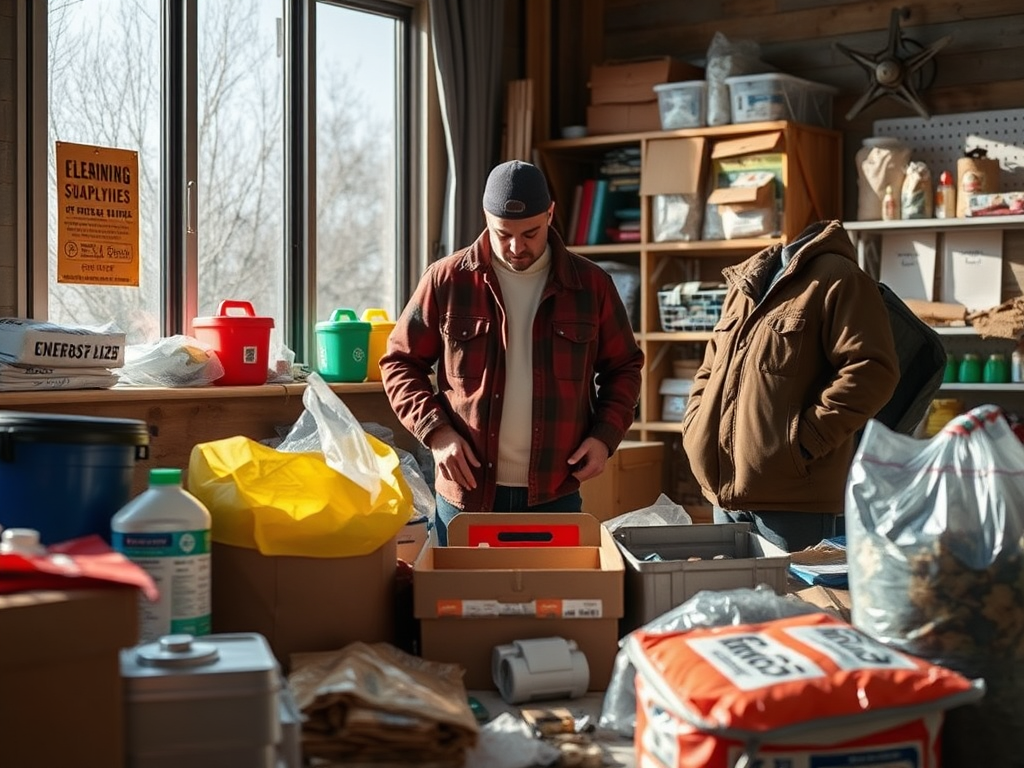
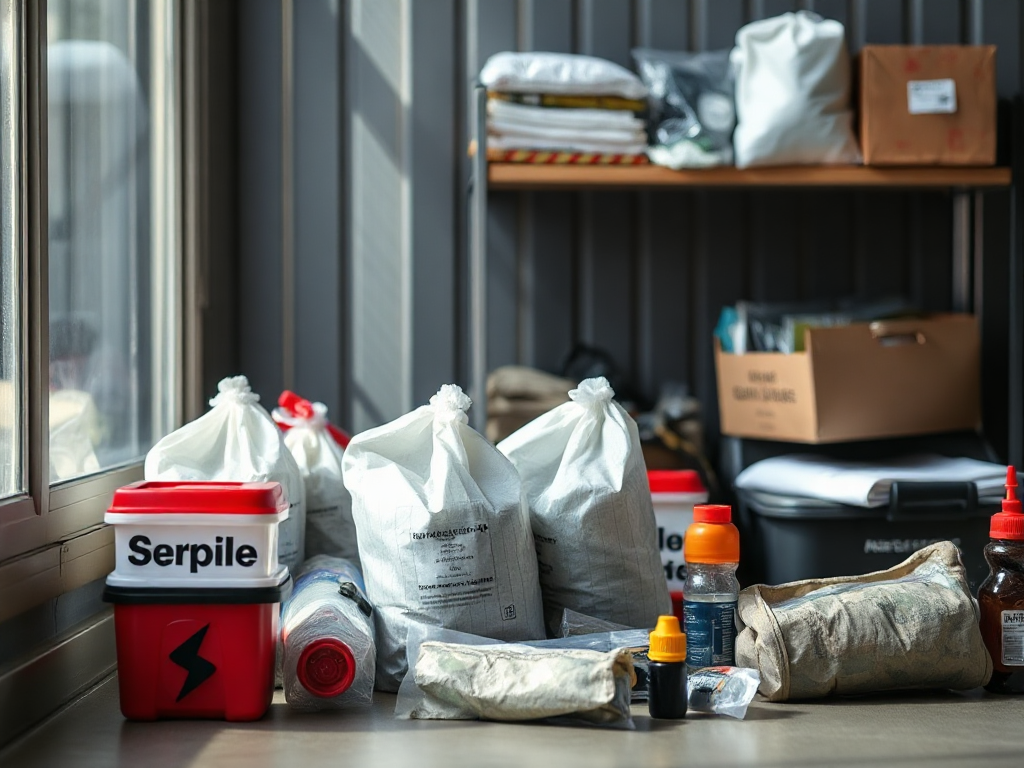
Gathering essential supplies is the first step in preparing for winter without electricity. Focus on stocking up on non-perishable food items, water, and other necessities that can sustain you for an extended period. Items such as canned goods, dried beans, rice, and pasta are ideal choices.
Moreover, ensure you have adequate supplies of warm clothing, blankets, and sleeping bags to stay comfortable. Flashlights, batteries, and a battery-operated radio can also be critical for maintaining communication and receiving updates about weather conditions.
It’s advisable to create a checklist of all the items you need. This helps in preventing last-minute rushes and ensures you won’t overlook any crucial supplies. Remember, having more than enough food and warm clothing is better than facing shortages during severe winter conditions.
Alternative Heating Solutions
Without electricity, finding alternative heating solutions is essential for maintaining a livable environment during winter. Wood stoves, propane heaters, and kerosene heaters can provide necessary warmth, but they must be used safely to prevent carbon monoxide poisoning.
When using alternative heating sources, ensure proper ventilation in your home. If using a fireplace, keep the chimney clean and ensure it’s functioning correctly. Additionally, stock up on fuel for your heating devices ahead of time, as shortages can occur during winter storms.
Consider also the layout of your home; closing off unused rooms can help concentrate heat in the areas you occupy most. Layering clothing and using blankets can further help retain body heat without relying solely on heating devices.
Insulation and Weatherproofing Techniques
Insulating your home effectively is key to retaining heat during winter outages. Weatherproofing windows and doors can significantly reduce drafts and heat loss. Use weather stripping and heavy curtains to insulate against cold air infiltration.
Additionally, consider using thermal blankets or reflective insulation materials in your windows to keep warmth inside. Covering windows at night can help trap heat, and using rugs on floors can provide additional insulation.
Prioritize areas of your home that are most susceptible to heat loss, such as attics and basements. If possible, seal any cracks or gaps in your home’s foundation or walls to prevent cold air from entering.
Staying Informed and Connected
Staying informed about winter weather conditions is critical when preparing for outages. Keep a battery-powered radio on hand to receive weather updates and emergency information.
Establish a communication plan with family and friends. Ensure that everyone knows how to reach each other in case of an emergency. Consider using text messaging or social media for communication, as they may work even when traditional phone lines are down.
Having a backup plan for emergencies can make a significant difference. Discuss potential scenarios with your family, including what to do if you run out of supplies or if a severe storm hits unexpectedly.
Further Reading
Authoritative Sources
Winter Weather Preparedness ready.gov
This resource provides comprehensive information on how to prepare for winter weather emergencies, including tips on food and heating
American Red Cross: Winter Storm Preparedness redcross.org
Offers guidelines on preparing for winter storms, including safety and emergency tips
Frequently Asked Questions
What food should I stock up on for winter outages?
Focus on non-perishable items such as canned goods, dried fruits, nuts, and grains. Ensure you have sufficient water and any necessary cooking supplies.
How can I stay warm without electricity?
Utilize alternative heating sources like wood stoves or propane heaters, and insulate your home to minimize heat loss.
What should I do if I lose power during a storm?
Stay indoors, conserve heat, and ensure you have a supply of food and water. Follow emergency protocols and stay informed about weather updates.
How can I ensure my home is insulated properly?
Check for drafts around windows and doors, use weather stripping, and consider adding insulation to attics and basements.
What are the dangers of using alternative heating sources?
Improper use can lead to carbon monoxide poisoning or fire hazards. Always ensure proper ventilation and follow safety guidelines.
Conclusion
Preparing for winter without electricity is a critical task that requires careful planning and consideration. Focus on gathering essential supplies, implementing alternative heating solutions, and ensuring your home is well-insulated. Staying informed about weather conditions and establishing a communication plan will further enhance your preparedness. By taking these steps, you can ensure your safety and comfort during winter outages, allowing you to navigate challenges more effectively.
Understanding the implications of network failures is crucial. For businesses, the loss of communication can halt operations, leading to financial losses and damage to reputation. In emergency situations, the inability to communicate can hinder response efforts, putting lives at risk. Therefore, prioritizing network resilience and having contingency plans is essential for minimizing disruption.
Many organizations underestimate the risks associated with communication outages. A common mistake is relying solely on primary communication channels without considering alternatives, such as satellite phones or radio systems. Identifying potential failure points and planning for redundancy can significantly enhance resilience.
Common Causes of Network Outages
Network outages can occur due to various reasons, including hardware failures, software bugs, power outages, and cyberattacks. Hardware failures might involve malfunctioning routers or switches, while software issues could stem from bugs in the operating system.
Additionally, external factors like natural disasters (e.g., hurricanes, earthquakes) can damage infrastructure, leading to widespread outages. Cyberattacks, particularly distributed denial-of-service (DDoS) attacks, can overwhelm networks, rendering them unusable. Organizations must assess these risks and implement measures to mitigate potential impacts.
A critical oversight is failing to update hardware and software regularly. Many organizations continue using outdated systems, which are more susceptible to failures and attacks. Implementing regular maintenance schedules and updates is vital for reducing vulnerability.
Impact on Businesses and Services
The impact of communication network failures on businesses can be severe. Operations may come to a standstill, leading to lost revenue and decreased customer satisfaction. For instance, online retailers may face significant financial losses due to order processing delays.
Moreover, the inability to communicate with clients and suppliers can disrupt supply chains, causing further complications. Businesses that rely heavily on technology must prioritize network reliability to avoid these pitfalls.
Additionally, companies should conduct risk assessments to understand their vulnerability to outages and develop strategies to mitigate these risks. Investing in backup systems and alternative communication channels can enhance overall resilience.
Emergency Response and Communication
During emergencies, communication is critical for effective response efforts. Network outages can severely impede coordination among emergency services, hindering their ability to respond swiftly to crises.
Establishing alternative communication methods, such as two-way radios or satellite phones, can ensure continuity during outages. Training personnel on using these systems can further enhance readiness.
Organizations often overlook the importance of communication drills. Regularly testing emergency communication plans can help identify weaknesses and ensure that all personnel are familiar with protocols. This proactive approach can save lives during actual emergencies.
Creating a Recovery Plan
Developing a comprehensive recovery plan is essential for minimizing the impact of network outages. A well-structured plan outlines steps to restore communication quickly and effectively.
Key components of a recovery plan should include identifying critical communication channels, establishing backup systems, and assigning roles and responsibilities to team members. Regularly reviewing and updating the plan ensures that it remains relevant and effective.
Organizations should also consider the potential costs associated with outages. Investing in redundancy and backup systems may seem expensive upfront, but the long-term savings and risk mitigation can justify the investment. Prioritizing recovery planning can significantly improve an organization’s resilience.
Further Reading
Authoritative Sources
National Institute of Standards and Technology (NIST) nist.gov
Provides guidelines on managing communication networks and ensuring resilience against outages
Ready.gov ready.gov
Offers resources for emergency preparedness and response, including communication strategies
Focuses on protecting critical infrastructure and provides information on cyber threats to communication networks
Frequently Asked Questions
What are the most common causes of communication network outages?
Common causes include hardware failures, cyberattacks, software bugs, and natural disasters that damage infrastructure.
How can businesses prepare for communication network failures?
Businesses can prepare by investing in backup systems, establishing alternative communication methods, and conducting regular risk assessments.
What should emergency services do during a network outage?
Emergency services should have alternative communication methods, such as two-way radios, and regularly test their emergency communication plans.
How often should recovery plans be updated?
Recovery plans should be reviewed and updated regularly, ideally at least once a year or after significant changes in operations.
What are the potential costs of communication outages?
Costs can include lost revenue, decreased customer satisfaction, and potential damage to reputation, making investment in redundancy worthwhile.
Conclusion
Ultimately, understanding what happens when communication networks go down is crucial for both individuals and organizations. The impact of such outages can be significant, affecting operations, emergency responses, and overall resilience. To mitigate risks, it is essential to have a comprehensive recovery plan, invest in backup systems, and regularly train personnel on emergency protocols. By prioritizing communication resilience, organizations can minimize the consequences of outages and ensure a swift recovery.
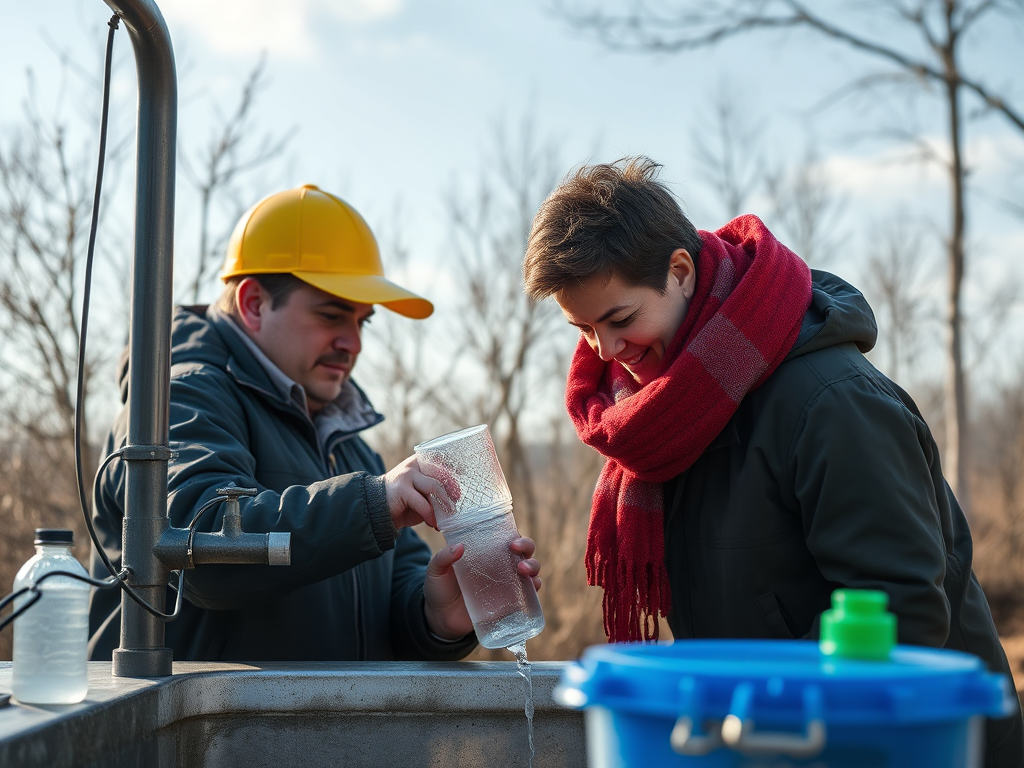
To determine whether rainwater is safe for consumption, it’s crucial to evaluate several aspects. First, consider how the rainwater is collected. Roofs and gutters can harbor debris, bird droppings, and other contaminants that pose health risks. Additionally, surrounding environmental factors such as industrial pollution or agricultural runoff can introduce harmful chemicals into the water. Therefore, proper collection and storage practices are vital.
A common mistake is assuming rainwater is clean simply because it’s natural. Many people overlook the importance of testing rainwater for contaminants before consumption. Always prioritize thorough testing and consider treatment options if contamination is detected. Understanding these factors will help you make informed decisions about using rainwater safely.
Understanding Rainwater Contamination
Rainwater can pick up various contaminants during its fall and when collected. Common sources of contamination include airborne pollutants, bird droppings, and debris from roofs and gutters. These contaminants can pose significant health risks if the water is consumed untreated. Testing for bacteria, viruses, and chemical pollutants is essential to determine safety.
Many individuals underestimate the risks associated with drinking untreated rainwater. For instance, a single storm can wash away pollutants from roofs, leading to high levels of contamination. Therefore, regular testing of rainwater is recommended, particularly in urban areas where air pollution is prevalent. Neglecting these assessments can lead to serious health issues.
In areas with heavy rainfall, the risk of contamination may be higher due to runoff. Therefore, understanding local environmental conditions and potential pollutants is crucial for safe rainwater consumption. Always consider the collection area and surrounding activities that may impact water quality.
Methods to Ensure Safe Drinking Water
To safely drink rainwater, several treatment methods can be employed. Filtration systems can remove physical contaminants, while UV treatment can eliminate pathogens. Boiling rainwater is another effective method to kill bacteria and viruses, making it safe for consumption.
When selecting a treatment method, consider your specific needs and local conditions. For instance, if you live in an area with high levels of industrial pollution, a multi-stage filtration system may be required to ensure water safety. Additionally, regular maintenance and cleaning of collection systems are essential to prevent contamination.
It’s also wise to keep a contingency plan for treatment failures. Having backup purification methods, such as chemical disinfectants, can provide extra safety. Prioritizing these methods will help ensure that rainwater is safe for drinking.
Common Misconceptions About Rainwater
One prevalent misconception is that all rainwater is pure and safe to drink. While rain is naturally distilled, it can easily become contaminated during collection. Many people believe that simply filtering rainwater makes it safe, but this is not always the case, as some pathogens can bypass standard filtration systems.
Understanding the limitations of filtration is crucial. For example, some filters may not remove all viruses or chemical pollutants. Therefore, relying solely on filtration without additional treatment can lead to health risks. Regular testing and a combination of treatment methods are necessary for ensuring safety.
Another misconception is that rainwater collection is illegal. While regulations vary by location, many areas permit rainwater harvesting with specific guidelines. Familiarizing yourself with local laws can prevent unnecessary legal issues.
Legal Considerations and Best Practices
Legal regulations surrounding rainwater harvesting can vary significantly by region. In some areas, it is encouraged, while others may have restrictions. Always check local laws to ensure compliance. Following best practices in collection and storage will also enhance safety.
Best practices include using food-grade storage tanks, regularly cleaning collection surfaces, and ensuring proper drainage to avoid stagnation. These steps help minimize contamination risks and maintain water quality. Additionally, consider implementing a first-flush system, which diverts the initial flow of rainwater away from storage to reduce contaminants.
Staying informed about local regulations and best practices will not only ensure compliance but also enhance the safety of collected rainwater. Engaging in community discussions about rainwater harvesting can also provide valuable insights and support.
Further Reading
Authoritative Sources
EPA: Rainwater Harvesting epa.gov
The EPA provides guidelines and resources for safe rainwater harvesting practices
CDC: Water Safety cdc.gov
The CDC offers information on water safety and treatment methods to ensure safe drinking water
WHO: Drinking Water Quality who.int
The WHO outlines global standards for drinking water quality and safety measures
Frequently Asked Questions
Can rainwater be consumed without treatment?
It is not advisable to drink rainwater without treatment due to potential contaminants that can pose health risks.
What contaminants are commonly found in rainwater?
Common contaminants include bacteria, viruses, chemicals, and debris from collection surfaces.
How can I test rainwater for safety?
Testing kits are available to check for bacteria, pH levels, and chemical pollutants in rainwater.
Is rainwater harvesting legal everywhere?
Legal regulations vary by location; some areas allow it, while others have restrictions. Always check local laws.
What is the best way to treat rainwater for drinking?
The best methods include filtration, UV treatment, and boiling, often used in combination for best results.
Many people overlook the importance of using appropriate containers. Not all plastics are safe for long-term water storage; food-grade plastic is recommended as it prevents leaching harmful chemicals. Additionally, proper sealing is crucial. Containers should be tightly closed to avoid contamination from dust and insects. Regularly checking your water supply for leaks or signs of contamination can prevent issues down the line.
One common mistake is failing to consider the storage environment. Water should be kept in a cool, dark place to reduce bacterial growth and algae formation. If stored in direct sunlight or fluctuating temperatures, the water quality can deteriorate. Prioritizing the right storage conditions and container types can make a significant difference in the usability of your water supply.
Choosing the Right Containers for Water Storage
Selecting the right containers is vital for long-term water storage. Food-grade plastic containers are preferred, as they are designed to hold consumables without leaching harmful substances. Glass containers are also suitable but can be heavier and more prone to breakage.
When choosing containers, consider their size and shape. Larger containers, such as 55-gallon drums, are efficient for bulk storage but may require specific handling equipment. Smaller containers, like 5-gallon jugs, are easier to manage and transport. Ensure that all containers are cleaned thoroughly before use to eliminate any residues that could contaminate the water.
Many people overlook the importance of checking for BPA-free labels. BPA can leach into stored water, posing health risks. Additionally, using opaque containers can protect water from light exposure, which helps prevent algae growth. Prioritizing these factors can significantly enhance the safety and longevity of stored water.
Methods for Preparing Water for Long-Term Storage
Preparing water for long-term storage involves more than just filling a container. If you’re using tap water, it’s advisable to treat it with a water purification method to eliminate any microorganisms. Boiling water for one minute can effectively kill bacteria, viruses, and parasites.
For those who prefer chemical treatment, adding unscented household bleach is an option. Use 1/8 teaspoon of bleach per gallon of water, mix well, and let it sit for 30 minutes before sealing the container. Always ensure that the bleach is not expired and has no added fragrances.
Another common oversight is neglecting to label containers with the date of storage and the source of water. This practice helps track when to rotate supplies. Regularly refreshing your stored water maintains its quality and safety for consumption. Understanding these preparation methods ensures you have reliable water when needed.
Best Practices for Water Storage Location
The location where water is stored affects its quality and longevity. Ideally, water should be kept in a cool, dark place away from direct sunlight and heat sources. Basements or climate-controlled areas are optimal for preventing temperature fluctuations.
It’s crucial to avoid storing water in areas prone to flooding or contamination from chemicals. Keeping containers off the ground, such as on shelves or pallets, helps prevent contamination from soil or moisture. Regularly inspecting the storage area for leaks or pests can also help maintain water quality.
Many individuals fail to consider the potential for cross-contamination with other stored items. Keeping water containers separate from chemicals, fertilizers, or other hazardous materials is essential. This practice minimizes the risk of harmful substances leaching into the water supply, ensuring safety and usability over time.
Maintaining Water Quality Over Time
Maintaining water quality is crucial for long-term storage. Regularly inspect your stored water for signs of contamination, such as cloudiness or unusual odors. If you notice any changes, it may be necessary to replace the water or treat it before use.
Rotating your water supply every six months is a best practice that many overlook. This not only ensures freshness but also helps identify any potential issues early. During the rotation, check the containers for integrity and cleanliness, and replace any that show signs of wear.
Another often-missed aspect is the importance of keeping a water quality testing kit on hand. Testing for pH, bacteria, and contaminants can provide peace of mind and ensure that your stored water remains safe for consumption. By prioritizing maintenance, you can ensure your water is ready when you need it.
Further Reading
Authoritative Sources
Water Storage Recommendations cdc.gov
This resource provides guidelines on safe water storage practices and recommendations from health experts
Drinking Water Safety epa.gov
Find comprehensive information on ensuring the safety of your drinking water supply
Frequently Asked Questions
How often should I rotate my stored water?
You should rotate your stored water supply every six months to ensure freshness and prevent contamination.
Can I use regular plastic containers for water storage?
No, it’s best to use food-grade plastic containers to avoid leaching harmful chemicals into the water.
What should I do if my stored water smells bad?
If your stored water smells bad, it’s advisable to replace it immediately, as this indicates contamination.
Is it safe to store water in direct sunlight?
No, storing water in direct sunlight can promote algae growth and degrade the container, affecting water quality.
How can I tell if my water is contaminated?
Signs of contamination include cloudiness, unusual odors, or a strange taste. Regular testing can help identify issues.
Conclusion
Effectively storing water long term requires careful consideration of containers, preparation methods, and storage conditions. By using food-grade containers, treating water appropriately, and maintaining an optimal storage environment, you can ensure your water supply remains safe and usable. Regular rotation and inspection are essential practices that cannot be overlooked. Prioritizing these strategies will equip you to face emergencies or shortages confidently.
One of the primary reasons emergency plans falter is the insufficient identification of potential risks and hazards. Many organizations assume that they are prepared for every scenario without thoroughly analyzing their specific vulnerabilities. This oversight can result in unpreparedness when faced with actual emergencies, leading to chaos and confusion. Additionally, plans that are not regularly practiced or communicated to all involved parties further exacerbate the issue, as team members may not know their roles or the procedures to follow.
Moreover, many emergency plans fail because they are not updated to reflect changes in the environment or organizational structure. As new risks emerge and personnel changes occur, it is crucial to revise plans accordingly. Neglecting to do so can leave teams ill-prepared for current challenges. Furthermore, stakeholders often overlook the importance of involving all relevant parties in the planning process, which can lead to gaps in response strategies and coordination.
Inadequate Risk Assessment
Inadequate risk assessment is a leading cause of emergency plan failures. Many organizations do not take the time to identify and analyze potential risks specific to their operations, leading to unpreparedness during actual emergencies. A thorough risk assessment involves evaluating various scenarios, including natural disasters, technological failures, and human-made threats, to develop a comprehensive response strategy.
When organizations fail to assess their unique vulnerabilities, they may overlook critical components that could exacerbate an emergency situation. For instance, a business located in a flood-prone area should have specific plans in place for water-related emergencies. Without such foresight, the organization may struggle to respond effectively when a crisis strikes.
Additionally, organizations often misjudge the likelihood and impact of certain risks, leading to a misallocation of resources and attention. Prioritizing risk assessment can help organizations focus on the most pressing threats and develop tailored strategies to address them, ultimately enhancing overall preparedness.
Lack of Training and Drills
A lack of training and regular drills is another significant factor contributing to emergency plan failures. Even the best-prepared plans can falter if personnel are not adequately trained to execute them. Regular training sessions and drills help ensure that team members understand their roles and responsibilities during a crisis, which can significantly improve response times and effectiveness.
Moreover, training fosters familiarity with the emergency plan, allowing personnel to identify potential weaknesses or areas for improvement. Organizations that prioritize continuous training and simulation exercises are better equipped to handle real-life emergencies, as their teams are more confident and knowledgeable about the procedures in place.
It is essential to create a culture of preparedness within an organization, where team members feel empowered to ask questions and provide feedback on emergency plans. This collaborative approach can lead to more effective training and a stronger overall response capability.
Poor Communication Strategies
Poor communication strategies can impede the effectiveness of an emergency plan. During a crisis, clear and timely communication is crucial for coordinating efforts and ensuring that everyone is aware of their roles and responsibilities. Organizations often struggle with communication breakdowns, especially if they do not have established protocols in place.
Effective communication involves not only relaying information quickly but also ensuring that messages are understood by all parties involved. This may require using various communication channels, such as emails, text messages, or even social media, to reach different audiences. Additionally, organizations should consider language barriers and accessibility issues to ensure that everyone receives the necessary information.
To enhance communication strategies, organizations should regularly review and practice their protocols, ensuring that all personnel are familiar with the communication tools and methods available to them. This proactive approach can significantly improve response times and reduce confusion during emergencies.
Failure to Update Plans
Failure to update emergency plans can lead to significant gaps in preparedness. As organizations evolve, so do the risks they face. Changes in personnel, technology, and operational processes can all impact the effectiveness of an emergency plan. Organizations must routinely review and revise their plans to reflect these changes and ensure that they remain relevant and effective.
Neglecting to update plans can result in outdated information, leading to confusion and inefficiencies during a crisis. For example, if a key contact person is no longer in the organization, failing to update the plan may hinder communication during an emergency. Regularly scheduled reviews and updates can help organizations stay ahead of potential challenges and adapt to new risks.
Involving key stakeholders in the review process can also provide valuable insights and perspectives that contribute to a more comprehensive and effective emergency plan. This collaborative approach can help ensure that the plan is well-rounded and addresses the specific needs of the organization.
Involvement of Key Stakeholders
Involving key stakeholders in the emergency planning process is essential for developing effective strategies. Stakeholders often possess unique insights and expertise that can enhance the overall preparedness of an organization. By fostering collaboration among various departments and teams, organizations can create more robust and comprehensive emergency plans.
Additionally, involving stakeholders in the planning process encourages buy-in and accountability, as team members are more likely to take ownership of a plan they helped create. This sense of ownership can lead to increased commitment to training and adherence to procedures during a crisis.
Organizations should prioritize engaging stakeholders from various backgrounds, including operations, human resources, and communications, to ensure that all perspectives are considered in the planning process. This inclusive approach can lead to a more effective and well-rounded emergency plan.
Further Reading
If you are looking for more information on emergency planning, consider exploring resources from recognized organizations such as FEMA or the American Red Cross. They offer comprehensive guidelines and best practices for creating effective emergency plans tailored to various scenarios.
Further Reading
Authoritative Sources
Ready.gov ready.gov
Official U.S. preparedness guidance, checklists, and planning resources for households and emergencies.
FEMA fema.gov
Federal emergency management resources, disaster planning information, and recovery guidance.
American Red Cross Emergency Preparedness redcross.org
Practical emergency preparation steps, supply lists, and safety guidance for families.
National Weather Service weather.gov
Official forecasts, hazard alerts, and weather safety information.
CDC Emergency Preparedness and Response cdc.gov
Public health guidance for emergencies, disasters, and recovery situations.
Frequently Asked Questions
What are the main reasons emergency plans fail?
The main reasons include inadequate risk assessment, lack of training, poor communication, failure to update plans, and not involving key stakeholders.
How often should emergency plans be updated?
Emergency plans should be reviewed and updated at least annually or whenever significant changes occur within the organization.
What role does training play in emergency preparedness?
Training ensures that personnel understand their roles and responsibilities, leading to more effective responses during emergencies.
How can communication be improved during emergencies?
Establish clear communication protocols, utilize various channels, and conduct regular practice drills to enhance communication during crises.
Why is stakeholder involvement important in emergency planning?
Involving stakeholders brings diverse perspectives and insights, which can lead to more comprehensive and effective emergency plans.
Conclusion
Ultimately, addressing the common causes of emergency plan failures is crucial for effective preparedness. Organizations must prioritize risk assessment, training, communication, regular updates, and stakeholder involvement to enhance their response capabilities. By focusing on these areas, organizations can build resilience and ensure they are better equipped to handle emergencies when they arise. Taking proactive steps now can lead to a more secure and prepared future.