
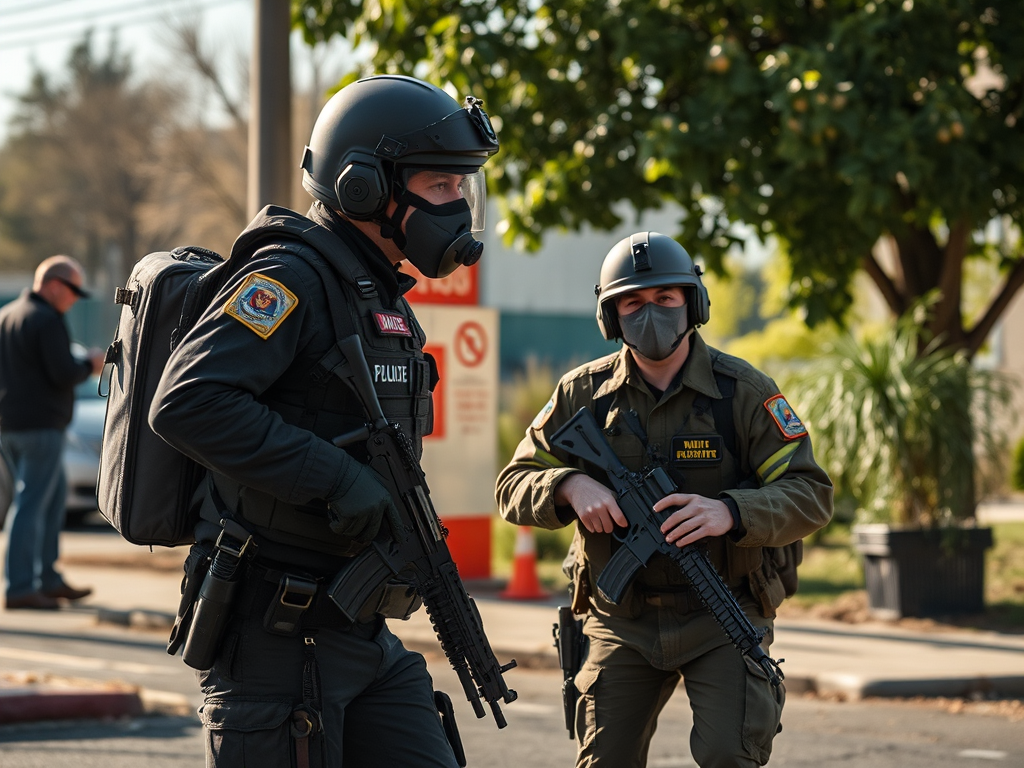
In hostile situations during emergencies, prioritize your safety by quickly assessing your surroundings and identifying escape routes. Stay calm and avoid escalating tensions; aggressive behavior can provoke further hostility. If possible, communicate with others to coordinate a safe exit or establish a plan. Always err on the side of caution, as recognizing potential threats early can significantly improve your chances of a safe outcome. Remember, understanding the nature of the threat—whether it's targeted or random—can help you respond effectively.
Understanding Hostile Situations
Hostile situations can arise unexpectedly during emergencies, whether due to natural disasters, civil unrest, or personal threats. Recognizing the nature of hostility is crucial for effective response. It often manifests as aggressive behavior, threats, or violence, which can escalate quickly. Understanding the context—such as whether the hostility is targeted or random—helps in formulating an appropriate response. Situational awareness is key; being mindful of your surroundings and the behavior of others can provide critical insights into potential dangers.
For instance, during a natural disaster like a hurricane, there may be reports of looting or violence in the aftermath. In such cases, it’s essential to assess the level of threat before deciding on your next steps. One common misconception is underestimating the danger; always err on the side of caution and prioritize your safety.
Immediate Response Protocols
When faced with a hostile situation, the first response should be to ensure your immediate safety. This involves a quick assessment of the surroundings and identifying potential escape routes. If you are in a public space, look for exits and determine if it’s safer to stay put or leave. In some cases, hiding may be the best option, especially if the threat is nearby.
Stay calm and avoid escalating the situation. Aggressive responses can provoke further hostility. Instead, maintain a composed demeanor and communicate clearly with others who may be involved. If you are with a group, establish a plan for action. For example, if a threat is imminent, a pre-arranged signal can alert everyone to move to safety.
It’s also important to have a means of communication ready. If the situation allows, contact local authorities or emergency services to report the incident. When doing so, provide clear and concise information about the location, nature of the threat, and any other pertinent details that may assist responders.
Long-Term Safety Strategies
Preparing for hostile situations involves more than just immediate response; it requires long-term strategies to enhance personal safety. One effective approach is to develop an emergency plan that includes protocols for various scenarios. This plan should cover communication methods, designated meeting points, and safety supplies to have on hand.
Training in self-defense or conflict de-escalation can also empower individuals to handle hostile situations more effectively. Understanding body language and verbal cues can help in assessing whether a situation is likely to escalate. For instance, recognizing signs of aggression early can allow individuals to remove themselves from potentially dangerous encounters.
Additionally, staying informed about local safety issues and community resources can enhance preparedness. Engaging with local law enforcement or community safety programs can provide valuable insights into the types of threats prevalent in your area and how to mitigate them.
Communication During Emergencies
Effective communication is vital during emergencies, especially in hostile situations. Establishing clear lines of communication with family, friends, and authorities can significantly improve safety. Use group messaging apps or social media platforms to keep in touch during crises, ensuring that everyone knows where to find help or how to evacuate safely.
When communicating with authorities, be direct and informative. Provide your location, the nature of the emergency, and any specific threats you are facing. If possible, remain on the line until help arrives, as they may need further information to assist you effectively.
Moreover, practice active listening and remain aware of announcements or alerts from local emergency services. These communications often contain critical information about safety measures, evacuation routes, or shelter locations that can help you navigate hostile situations more effectively.
Frequently Asked Questions
What should I do first in a hostile situation?
Assess your surroundings for safety, identify escape routes, and remain calm to avoid escalating the situation.
How can I prepare for potential hostile situations?
Develop an emergency plan, engage in self-defense training, and stay informed about local safety issues to enhance your preparedness.
What role does communication play in emergencies?
Clear communication helps coordinate actions, report incidents to authorities, and keep loved ones informed about safety measures.
How can I stay calm during a crisis?
Focus on controlled breathing, assess the situation logically, and prioritize your immediate safety to maintain composure.
What are common mistakes to avoid in hostile situations?
Common mistakes include underestimating threats, escalating confrontations, and failing to have a clear escape plan.
Conclusion
Encountering hostile situations during emergencies demands quick thinking and a clear strategy. By prioritizing personal safety, maintaining calm, and preparing in advance, you can navigate these challenges more effectively. Remember to communicate clearly with others and stay informed about your environment to enhance your safety during crises. Developing a proactive mindset and preparedness plan can significantly improve your ability to respond to threats and protect yourself and those around you.