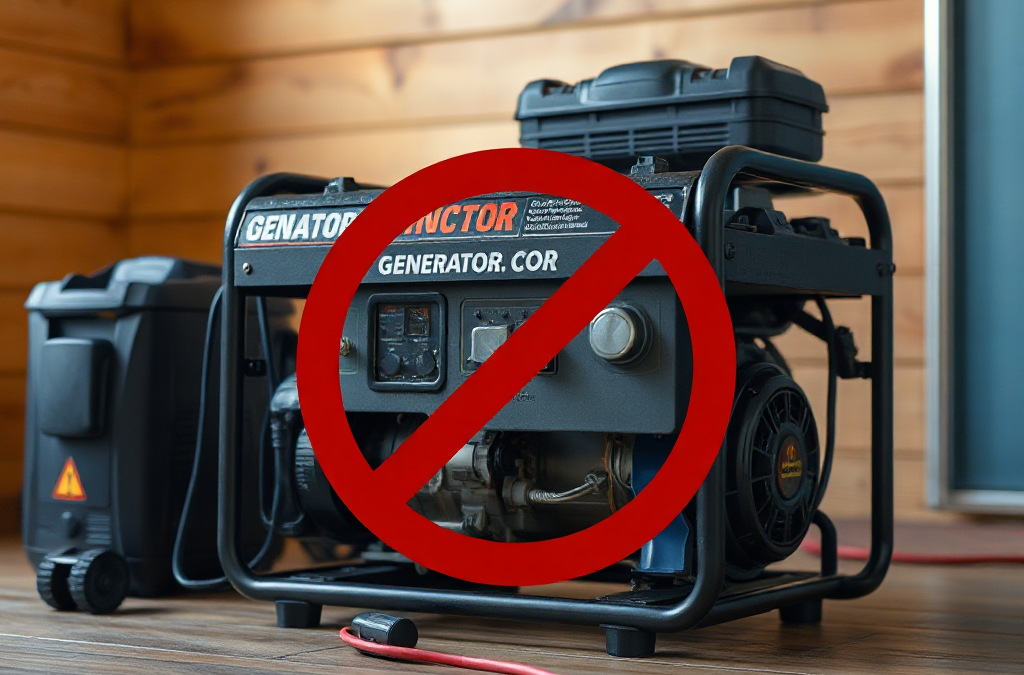
Generator failures can disrupt your plans, especially during power outages. To address the issue effectively, begin by identifying the underlying cause, as it can vary widely—from fuel supply issues to mechanical failures. Start by checking the fuel level to ensure there’s enough gas or diesel, as running out is a common oversight. Next, inspect the oil level, as low oil can trigger automatic shut-off mechanisms. If both fuel and oil are adequate, examine the electrical connections for corrosion or loose wires that may hinder operation.
Understanding how your generator operates will aid in troubleshooting. Familiarize yourself with the user manual, which often includes specific troubleshooting steps for common issues. Consider the generator’s age and maintenance history as well; older models may require more frequent servicing or parts replacement. If basic checks don’t resolve the problem, it may signal a more serious mechanical issue requiring professional assistance.
Common Generator Issues and Their Causes
Generators can fail for a variety of reasons, with some issues being more prevalent than others. Fuel supply problems are among the most common causes, often arising from stale fuel or clogged filters. Additionally, electrical issues such as blown fuses or faulty wiring can prevent proper operation. Mechanical problems, including worn-out components or overheating, are also significant factors that can lead to generator failure.
Being aware of these potential issues allows for quicker diagnostics. For instance, if the generator runs but fails to generate power, it may indicate a problem with the alternator or voltage regulator. Regularly monitoring your generator’s performance can help you catch these issues early, ensuring that you address them before they result in a complete breakdown.
Initial Troubleshooting Steps
When faced with generator failure, the first step is to conduct a systematic check. Begin by turning off the generator and inspecting the fuel system. Ensure that the fuel is fresh and that there are no blockages in the fuel lines. Next, check the oil level and quality, as dirty or insufficient oil can lead to engine damage. If the generator has a battery, verify its charge and connections, as electrical issues can often stem from battery problems.
If these initial checks do not resolve the issue, assess the generator’s electrical components. Look for any blown fuses or tripped breakers that may have caused the generator to shut down. A multimeter can be a useful tool to measure voltage and continuity in electrical circuits. Understanding these basics can empower you to troubleshoot effectively before seeking professional help.
When to Call a Professional
If your troubleshooting efforts do not yield results, it may be time to consult a professional. Issues such as persistent mechanical failure, complex electrical problems, or significant wear and tear require expert attention. Additionally, if your generator is still under warranty, attempting repairs yourself could void it. A technician can provide a thorough diagnosis and recommend necessary repairs or replacements.
Recognizing when to seek professional help is crucial. If you notice unusual noises, smells, or smoke, do not attempt to operate the generator further. These signs can indicate serious issues that may pose safety risks. Always prioritize safety and consider professional intervention when in doubt.
Preventative Maintenance Tips
To minimize the chances of generator failure, regular maintenance is essential. Schedule routine checks to change the oil, replace filters, and inspect electrical connections. Keeping the generator clean and free of debris can also enhance its performance and longevity. Additionally, running the generator periodically, even when not in use, helps keep the engine lubricated and prevents fuel stagnation.
Establishing a maintenance log can help track service intervals and identify patterns in performance. This proactive approach not only extends the life of your generator but also ensures that it’s ready when you need it most. Investing time in maintenance can save you from costly repairs and unexpected failures.
Further Reading
Authoritative Sources
Library of Congress Research Guides guides.loc.gov
Research guides that help readers locate reliable background sources on a wide range of subjects
USA.gov Official Information and Services usa.gov
Official U.S. government information and public resources for practical reference
Google Scholar scholar.google.com
Academic search resource for finding research literature and source material
Conclusion
Generator failures can disrupt your plans, but understanding the common issues and troubleshooting steps can help you quickly address the problem. Prioritize regular maintenance to prevent failures and ensure your generator is ready when you need it. If troubleshooting does not resolve the issue, don’t hesitate to call a professional to avoid further complications. By staying informed and prepared, you can keep your generator running smoothly for years to come.
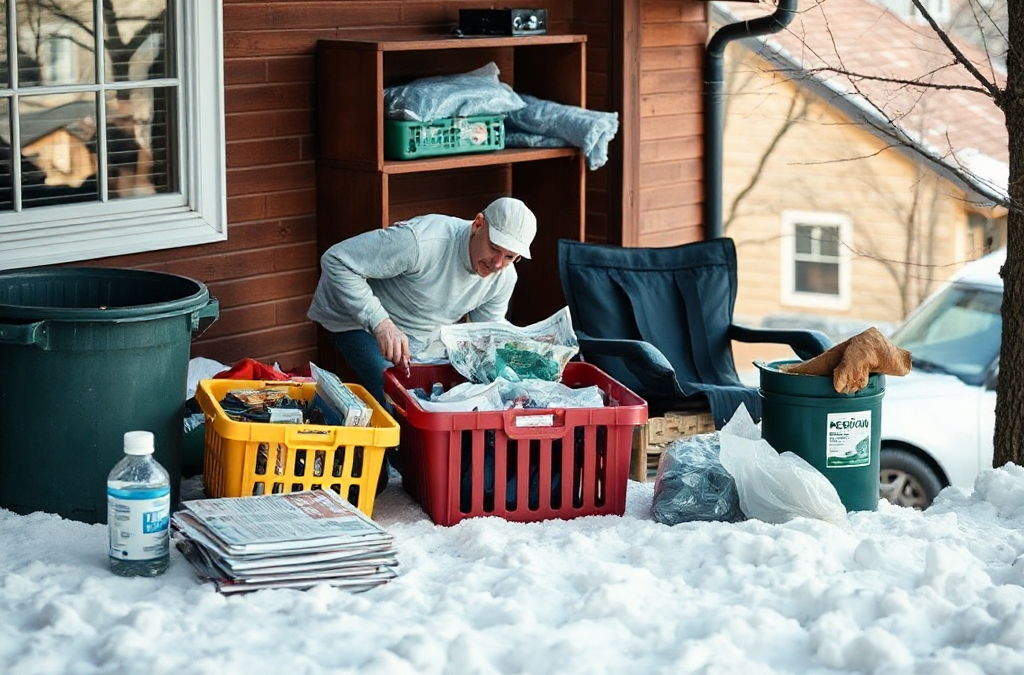
Preparing for winter power outages involves gathering essential supplies and ensuring your home is equipped for cold weather challenges. Key items include flashlights, batteries, non-perishable food, and ample water. It’s also important to have a reliable backup heating source, such as a generator or wood stove, to maintain warmth during extended outages.
Many people underestimate the impact of winter outages, often assuming that they will be brief. However, snow and ice can cause extended power failures, leading to dangerous situations. To avoid common mistakes, ensure your generator is functional and that you have enough fuel on hand. Additionally, consider insulating your home to retain heat better, which can be critical if the power goes out.
Another crucial aspect is to keep emergency numbers readily accessible. This includes local utility services, emergency services, and family contacts. In the event of an outage, knowing who to call can save valuable time and help you get assistance faster.
Essential Supplies for Winter Power Outages
Collecting essential supplies is the first step in preparing for winter power outages. Basic needs include flashlights, batteries, and a battery-operated radio to stay informed. Stocking up on non-perishable food items and bottled water is crucial; aim for at least a three-day supply per person. Additionally, consider having a first aid kit and medications available.
Many people overlook the importance of having enough warm clothing and blankets. Hypothermia can set in quickly during cold outages, especially if heating systems fail. Be sure to have extra layers and thermal blankets on hand to keep everyone warm.
Safety Measures During Outages
Safety is paramount during winter power outages. Always keep a battery-powered carbon monoxide detector in your home, especially if using a generator or alternative heating source. Never use gas stoves or ovens for heating, as this poses a significant risk of carbon monoxide poisoning.
Also, ensure that all family members know how to stay safe during an outage. This includes knowing how to use emergency lighting and heating sources properly. Avoid opening refrigerator and freezer doors to keep food from spoiling, and use caution when traveling outside on icy paths.
Maintaining Your Generator
If you have a generator, regular maintenance is key to ensuring it operates when needed. Check oil levels, fuel, and battery condition before winter arrives. Always follow the manufacturer’s instructions for use and maintenance.
Keep the generator in a well-ventilated area to prevent carbon monoxide buildup, and never run it indoors. Have a plan for safely connecting your generator to your home’s electrical system to avoid backfeeding into the grid, which can be dangerous for utility workers.
Home Winterization Tips
Winterizing your home can significantly reduce the impact of a power outage. Insulate windows and doors with weather stripping or thermal curtains to keep heat in. Additionally, seal any drafts around windows and pipes to prevent cold air from entering.
Consider having a fireplace or wood stove as a backup heat source. Keep a supply of firewood or pellets on hand, and ensure the chimney is clean and safe to use. Regular maintenance can prevent dangerous situations during winter outages.
Further Reading
Authoritative Sources
Library of Congress Research Guides guides.loc.gov
Research guides that help readers locate reliable background sources on a wide range of subjects
USA.gov Official Information and Services usa.gov
Official U.S. government information and public resources for practical reference
Google Scholar scholar.google.com
Academic search resource for finding research literature and source material
Conclusion
In summary, preparing for winter power outages involves gathering essential supplies, ensuring safety measures are in place, and winterizing your home. Prioritize having a reliable backup heating source and maintaining your generator to stay warm and safe during outages. Take these proactive steps now to minimize risks and ensure you and your family are ready for winter challenges ahead.
When facing a power outage, the best backup lighting solutions are battery-powered LED lanterns, rechargeable flashlights, and solar-powered lights. These lighting options not only provide reliable illumination but also offer convenience and safety during dark conditions. LED lanterns are particularly effective, as they can illuminate large areas and have a long battery life, making them ideal for extended outages.
In addition to ensuring adequate brightness, consider factors such as portability, durability, and ease of use when selecting backup lighting. Many people overlook the importance of having multiple lighting sources, which can lead to frustration if one fails. It’s also wise to test your backup lights regularly and replace any expired batteries to ensure they are functional when needed.
Types of Backup Lighting
There are several types of backup lighting available, including battery-powered lanterns, flashlights, and solar lights. Battery-powered lanterns are excellent for illuminating larger areas and typically have a longer run time. Flashlights, while more portable, are better suited for focused lighting. Solar-powered lights can be charged during the day and used at night, making them a sustainable option.
Each type of lighting has its advantages and disadvantages. For example, while solar lights are environmentally friendly, they rely on sunlight for charging, which may not always be accessible. On the other hand, battery-powered options require a stock of batteries, which can run out if not monitored. Understanding the strengths and weaknesses of each type can help you make an informed choice.
Factors to Consider When Choosing Backup Lighting
When selecting backup lighting, consider brightness levels, battery life, and ease of use. Brightness is measured in lumens; higher lumens mean brighter light. Look for lights that offer adjustable brightness settings to conserve battery life when full brightness isn’t necessary.
Battery life is critical during an outage. Choose lights that have long-lasting batteries or the ability to recharge. Additionally, consider the weight and portability of your backup options. Lightweight, compact designs make it easier to store and transport your backup lighting solutions.
Top Recommendations for Backup Lighting
Some of the top recommendations for backup lighting include:
LE LED Camping Lantern: Offers high lumens and multiple brightness settings, perfect for larger areas.
Streamlight ProTac Flashlight: Compact and durable, ideal for focused lighting and easy to carry.
Goal Zero Torch 250: Solar-powered with multiple charging options, great for sustainability.
These recommendations highlight a balance between brightness, battery life, and usability, ensuring you have reliable lighting during power outages.
Maintenance and Testing of Backup Lights
Regular maintenance and testing of your backup lights are crucial for ensuring they work when needed. Check batteries periodically and replace them as needed, especially if they are rechargeable. Testing your lights monthly can help identify any issues early on, allowing you to address them before an outage occurs.
Storing backup lights in easily accessible locations ensures you can find them quickly during an emergency. Consider keeping a small kit with your backup lights, batteries, and other emergency supplies together for convenience.
Further Reading
Authoritative Sources
Library of Congress Research Guides guides.loc.gov
Research guides that help readers locate reliable background sources on a wide range of subjects
USA.gov Official Information and Services usa.gov
Official U.S. government information and public resources for practical reference
Google Scholar scholar.google.com
Academic search resource for finding research literature and source material
Popular Questions
What is the fastest way to improve Table of Contents without making beginner mistakes?
The fastest way to improve Table of Contents is to simplify the process and control one variable at a time. Start with the most important baseline: define the goal, identify the main failure point, and test one change before making another. Keep short notes so you can connect the outcome to the adjustment you made. This prevents guesswork and helps you build a repeatable method instead of chasing random fixes.
What should you check first when Table of Contents is not working well?
Check the most immediate bottlenecks first: setup errors, missing inputs, bad timing, or inconsistent follow-through. Before buying anything new or changing the whole system, confirm that the basics are being done correctly and consistently. A small diagnostic checklist usually reveals the real problem faster than broad trial and error. Once the weak point is clear, make one correction and watch the result before adjusting anything else.
What common mistakes make Table of Contents harder than it needs to be?
The most common mistakes are changing too many variables at once, skipping the basics, and judging results too quickly. Many people also copy generic advice without adapting it to their exact situation, which leads to weak results and confusion. A better approach is to work from a simple baseline, make measured changes, and give each change enough time to show whether it helped. That makes progress easier to track and repeat.
Conclusion
Ultimately, selecting the right backup lighting for home during a power outage is essential for ensuring safety and comfort. Prioritize battery-powered LED lanterns, rechargeable flashlights, and solar options based on your needs. Regular testing and maintenance will keep your backup lights ready for use. By being proactive and prepared, you can effectively navigate power outages with confidence.
Cooking rice without a power source is entirely feasible with various methods that utilize natural heat or alternative cooking devices. Options include solar cookers, campfires, or portable stoves. Each method requires specific techniques to ensure the rice is cooked properly and safely, emphasizing the importance of monitoring heat and moisture levels.
When preparing rice without electricity, it is essential to have the right equipment. Solar cookers can harness sunlight effectively, although they require a sunny day and some time to cook the rice thoroughly. Alternatively, using a campfire or portable stove allows for more immediate cooking but requires careful attention to prevent burning or undercooking. Measuring the rice and water accurately and understanding the cooking times for different rice varieties plays a crucial role in achieving the desired texture.
Using a Solar Cooker
Solar cookers are an excellent way to prepare rice without any power source, as they convert sunlight into heat. These devices can be made from reflective materials that focus sunlight onto a cooking pot. Cooking times will vary based on the intensity of sunlight and the type of rice.
To use a solar cooker effectively, prepare the rice by washing it and measuring the appropriate water ratio. Place the rice and water in a dark pot to absorb heat better, and position the cooker to maximize sun exposure. Keep an eye on the cooking process, as it may take longer than conventional methods.
Cooking Over an Open Flame
Cooking rice over an open flame is a traditional method that can be performed using a campfire or a portable grill. This method requires a pot that can withstand direct heat, preferably made of cast iron or stainless steel.
To start, build a stable fire and allow it to burn down to coals for even heat distribution. Add the washed rice and water to the pot in the correct ratio, usually two parts water to one part rice. Stir occasionally and monitor the cooking process to prevent sticking or burning.
Utilizing a Portable Stove
A portable stove is a practical solution for cooking rice without electricity, especially during camping trips. These stoves can run on propane or butane, providing a reliable heat source.
Before starting, ensure that the stove is set up in a safe, ventilated area. Use the standard rice-to-water ratio and bring the mixture to a boil. Once boiling, reduce the heat and cover the pot to allow the rice to steam until fully cooked. This method closely resembles using a conventional stove and can yield excellent results.
Common Mistakes to Avoid
When cooking rice without power, it’s crucial to avoid common pitfalls. One major mistake is not measuring the rice and water correctly, which can lead to either mushy or undercooked rice. Additionally, neglecting to monitor the cooking process can result in burnt rice.
Another mistake is using inappropriate cookware. Ensure that the pots or pans used are suitable for the heat source you are using. Lastly, be patient; cooking times may differ from conventional methods, so allow enough time for the rice to cook properly.
Further Reading
Authoritative Sources
Library of Congress Research Guides guides.loc.gov
Research guides that help readers locate reliable background sources on a wide range of subjects
USA.gov Official Information and Services usa.gov
Official U.S. government information and public resources for practical reference
Google Scholar scholar.google.com
Academic search resource for finding research literature and source material
Popular Questions
What is the purpose of a Table of Contents in a document?
A Table of Contents serves as a roadmap for readers, allowing them to quickly locate specific sections or topics within a document. It enhances navigation, especially in lengthy texts, by providing an organized overview of the content structure. By including page numbers, it enables readers to jump directly to the information they need without scrolling through the entire document.
How do you create an effective Table of Contents?
To create an effective Table of Contents, start by outlining the main sections and subsections of your document. Use clear and concise headings that accurately reflect the content of each section. Additionally, ensure that the Table of Contents is formatted consistently and includes page numbers for easy reference, making it user-friendly for your audience.
What are the common mistakes to avoid when making a Table of Contents?
Common mistakes when creating a Table of Contents include using vague headings that don't accurately describe the content and failing to update it after making changes to the document. It's also important to avoid overcrowding the Table of Contents with too many details, which can overwhelm readers. Lastly, ensure that the formatting is consistent to maintain a professional appearance.
Can a Table of Contents improve the readability of a document?
Yes, a well-structured Table of Contents can significantly improve the readability of a document. It allows readers to quickly find the information they are looking for, which enhances their overall experience. By providing a clear outline, it helps to break down complex information into manageable sections, making the content more accessible.
When should you include a Table of Contents in your writing?
A Table of Contents should be included in any lengthy document, such as reports, research papers, or books, where multiple sections are present. It is particularly useful when the document exceeds ten pages, as it helps readers navigate through the material efficiently. Including a Table of Contents in shorter documents can also be beneficial if the content is complex or requires clear organization.
Conclusion
Cooking rice without a power source is achievable through various methods like solar cookers, campfires, or portable stoves. Each method has its unique requirements and cooking times that must be carefully managed. Understanding the right techniques and avoiding common mistakes can lead to perfectly cooked rice, even in challenging circumstances. Embrace these practical approaches to ensure you can enjoy this staple food regardless of your power situation.
When medical help is unavailable, assessing the situation, providing basic first aid, and utilizing available resources effectively are crucial steps to manage health emergencies. Start by evaluating the severity of the injury or illness; if it’s life-threatening, prioritize actions that can stabilize the person until help arrives. Administer first aid techniques such as controlling bleeding, performing CPR, or using an AED if trained. Mobilizing local resources, including community support or emergency services, is essential to ensure proper care as soon as it becomes accessible.
In emergencies, people often panic and may overlook critical steps. Understanding basic first aid can significantly impact outcomes. For instance, knowing how to stop bleeding by applying pressure or how to position someone in shock can save lives. Additionally, maintaining a calm demeanor can help reassure the injured person and facilitate better communication if you need to direct bystanders or gather supplies.
Assessing the Situation
Before taking action, assess the situation to determine the level of medical attention required. Identify any immediate dangers, such as traffic or fire, that could pose further risk. Check the responsiveness of the person needing help and look for signs of distress, such as difficulty breathing or severe bleeding. Understanding the context of the emergency helps in making informed decisions about the necessary interventions.
individuals misjudge the severity of an injury or illness, leading to improper responses. For example, a sprained ankle may not require immediate transport to a hospital, while a person showing signs of a heart attack does. Knowing how to prioritize these situations can make a significant difference in outcomes.
Basic First Aid Techniques
Having a basic understanding of first aid techniques can empower you to act effectively when medical help is unavailable. Key techniques include the following: controlling bleeding, performing CPR, and using the recovery position for unconscious individuals. Familiarize yourself with these techniques through courses or instructional materials.
Many people fail to perform CPR correctly due to lack of practice or knowledge. The American Heart Association recommends chest compressions at a rate of 100-120 per minute. Additionally, using an AED as soon as it’s available can increase the chance of survival in cardiac emergencies. Consider keeping a first aid kit stocked with essential supplies to be prepared for various situations.
Utilizing Local Resources
When professional medical help is unavailable, tapping into local resources can provide necessary support. This includes contacting nearby friends, family, or neighbors who may have medical training or access to supplies. Community groups or local emergency services can also be valuable resources in managing emergencies.
Many individuals underestimate the potential of their community in times of crisis. For instance, local volunteers or community health workers may offer assistance or guidance. Creating a network of support before emergencies arise can enhance your preparedness and response capabilities.
Further Reading
Authoritative Sources
Library of Congress Research Guides guides.loc.gov
Research guides that help readers locate reliable background sources on a wide range of subjects
USA.gov Official Information and Services usa.gov
Official U.S. government information and public resources for practical reference
Google Scholar scholar.google.com
Academic search resource for finding research literature and source material
Conclusion
In situations where medical help is unavailable, knowing how to assess the situation, apply basic first aid, and utilize local resources can significantly impact outcomes. Prioritize understanding the injuries involved and act decisively to stabilize the individual. Continuous preparation through training and community engagement ensures that you are ready to respond effectively when emergencies arise.