
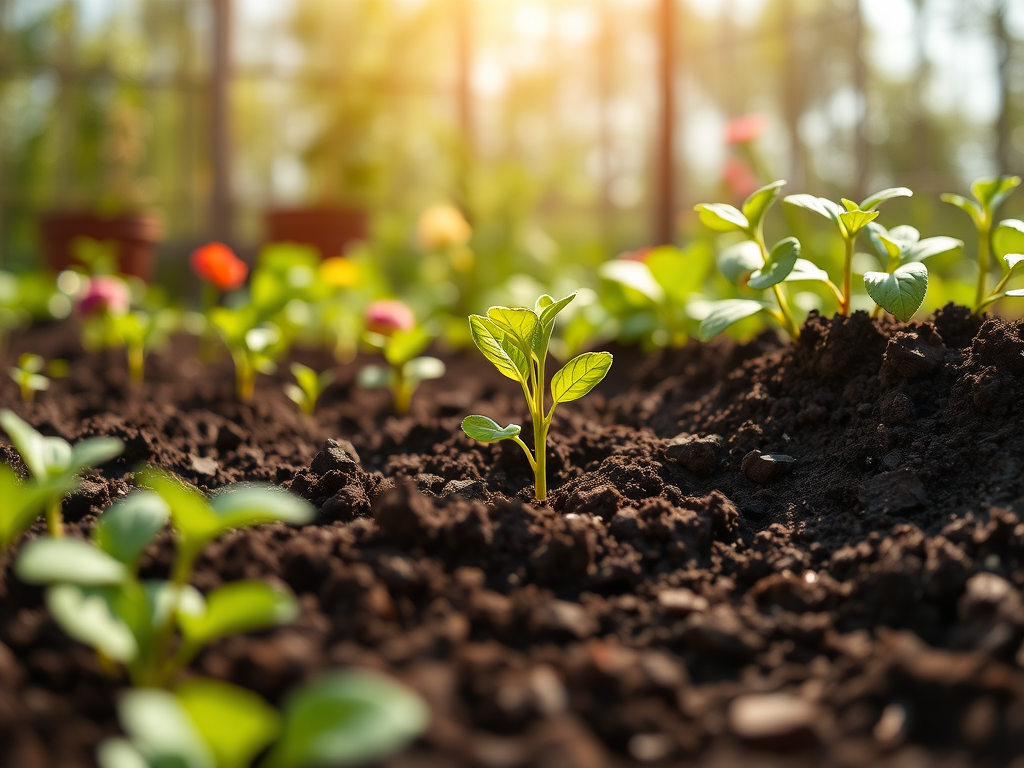
To assess the long-term viability of your garden, focus on soil health, plant selection, and water management. Conduct soil tests to determine nutrient levels and pH, which are vital for supporting plant growth. Choose native or drought-tolerant plants that thrive in your local climate, as they require less maintenance and are more resilient to pests. Implement effective water management strategies, such as rainwater harvesting or drip irrigation, to ensure consistent moisture availability. Regularly maintain your garden by aerating the soil and practicing crop rotation to enhance biodiversity and prevent degradation.
Understanding Soil Health
Soil health is foundational to a garden’s long-term viability. Healthy soil supports robust plant growth, retains moisture, and fosters beneficial microorganisms. Conducting a soil test is the first step; it reveals nutrient levels, pH, and organic matter content. A balanced nutrient profile is essential for plant health, while a proper pH ensures that plants can access these nutrients. For example, most vegetables thrive in slightly acidic to neutral soil (pH 6.0 to 7.0).
Improving soil health can involve adding organic matter, such as compost or well-rotted manure, which enhances nutrient availability and soil structure. Additionally, practicing crop rotation and cover cropping can prevent soil degradation and promote biodiversity. An often-overlooked aspect is the presence of soil compaction, which can hinder root growth and water infiltration. Regularly aerating the soil can mitigate this issue, ensuring that your garden remains productive over the years.
Choosing the Right Plants
Selecting plants suited to your local environment is critical for long-term garden viability. Native plants typically require less maintenance and are more resilient to local pests and diseases. They are adapted to the local climate and soil conditions, making them more sustainable choices. For instance, in drought-prone areas, selecting drought-tolerant species can significantly reduce water usage and maintenance efforts.
When planning your garden layout, consider the growth habits and spacing requirements of your chosen plants. Overcrowding can lead to competition for resources and increase susceptibility to disease. A well-planned garden not only maximizes space but also enhances airflow and sunlight penetration, contributing to healthier plants. Additionally, incorporating a variety of species can promote ecological balance, attracting pollinators and beneficial insects that help maintain a healthy garden ecosystem.
Assessing Climate Adaptability
Climate change poses significant challenges to gardening, making it essential to assess how your garden can adapt to changing conditions. Understanding local weather patterns, seasonal variations, and extreme weather events is crucial. For example, if you live in an area that experiences increased rainfall, you may need to consider drainage solutions to prevent root rot.
Choosing climate-resilient plants can help ensure your garden thrives despite these changes. Researching plants that can withstand temperature fluctuations or prolonged dry spells will prepare your garden for future conditions. Implementing practices such as mulching can help regulate soil temperature and moisture levels, further enhancing your garden’s adaptability. Regularly monitoring weather trends and adjusting your gardening practices accordingly will also support long-term viability.
Water Management Strategies
Effective water management is vital for sustaining your garden over time. Assessing your garden’s water needs and availability can help prevent overwatering or drought stress. Implementing a rainwater harvesting system can provide a sustainable water source, reducing dependence on municipal supplies.
Drip irrigation systems are a practical method for delivering water directly to plant roots, minimizing waste and evaporation. Additionally, understanding the specific water requirements of different plants ensures that each species receives adequate moisture without compromising the health of others. Regularly checking for leaks and maintaining irrigation systems is essential to prevent water loss and ensure efficient usage.
For those interested in deepening their understanding of garden viability, consider exploring resources from local agricultural extensions or gardening organizations. These sources often provide valuable insights into soil health, plant selection, and sustainable gardening practices.
Frequently Asked Questions
What is the most important factor in assessing garden viability?
Soil health is the most critical factor, as it affects nutrient availability, moisture retention, and overall plant growth.
How can I improve my garden's soil health?
Improving soil health can be achieved through the addition of organic matter, practicing crop rotation, and aerating compacted soil.
What types of plants are best for sustainable gardening?
Native plants and drought-tolerant species are ideal for sustainable gardening as they require less maintenance and are more resilient to local conditions.
How does climate change affect gardening?
Climate change can lead to altered weather patterns, requiring gardeners to adapt their practices and plant choices to ensure resilience.
What are effective water management strategies for gardens?
Implementing drip irrigation, rainwater harvesting, and understanding the specific water needs of your plants can improve water management.
Conclusion
Assessing the long-term viability of your garden involves a multifaceted approach, focusing on soil health, plant selection, climate adaptability, and water management. Prioritizing these elements will help create a sustainable and productive garden that can thrive despite environmental challenges. Regular monitoring and adaptation are key to ensuring that your garden remains viable for years to come.
Additional Resources
Authoritative Sources
- USDA NRCS Soil Resources
nrcs.usda.govOfficial soil health, conservation, and water-management information.