
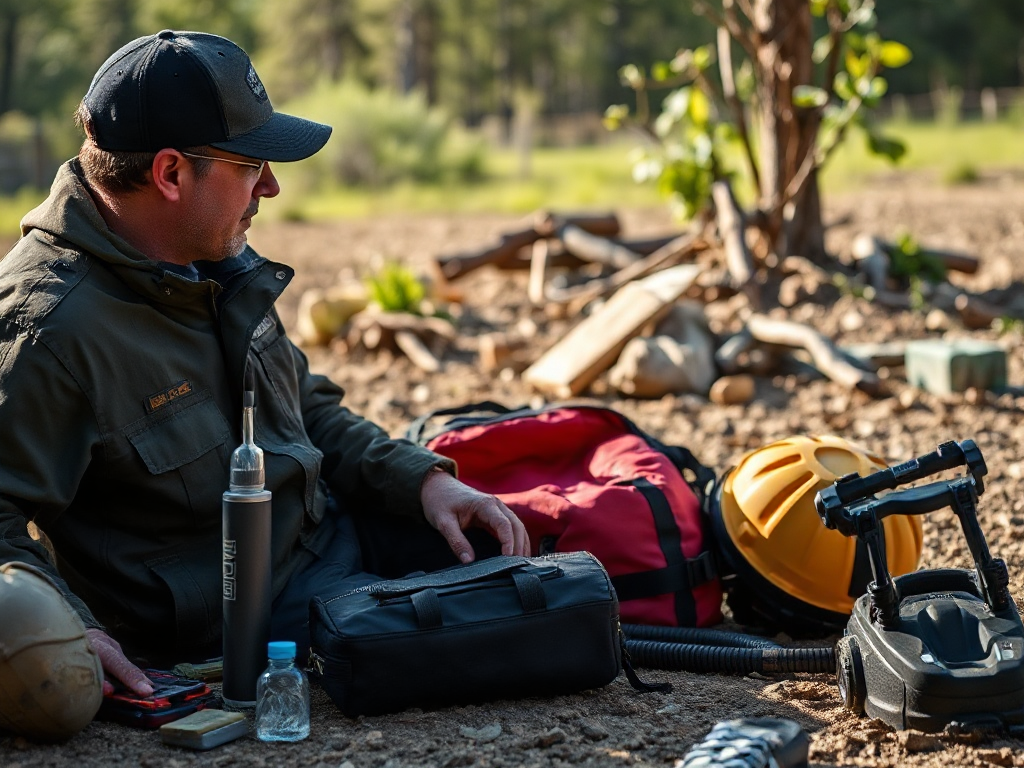
Neglecting personal safety equipment can have dire consequences, including serious injuries or fatalities. Many individuals mistakenly believe that safety gear is only necessary in extreme situations or for professionals, which leads to dangerous oversights during everyday activities. It's crucial to recognize that even routine tasks, like biking or home repairs, can pose risks that require appropriate protective gear. To enhance personal safety, individuals should prioritize selecting equipment that fits comfortably and is designed for their specific activities, ensuring they are adequately protected against potential hazards.
Understanding Personal Safety Equipment
Personal safety equipment encompasses a range of gear designed to protect individuals from hazards in various environments. This includes items such as helmets, gloves, goggles, and protective clothing. Understanding the purpose and functionality of these items is crucial, as they are specifically engineered to mitigate risks associated with different activities, whether in construction, outdoor sports, or emergency situations.
Each piece of equipment serves a distinct function—helmets protect against head injuries, gloves can prevent cuts and abrasions, while goggles shield the eyes from harmful debris. Recognizing how these items work together to enhance safety is essential for anyone involved in potentially dangerous tasks. Choosing the right equipment based on the specific risks present is a vital step toward ensuring personal safety.
Common Misjudgments About Safety Equipment
Many people overlook the importance of personal safety equipment due to misconceptions about its necessity or effectiveness. A common misjudgment is the belief that safety gear is only necessary for professionals or in extreme situations. This false sense of security can lead individuals to forgo essential equipment during routine activities, such as biking or DIY projects at home.
Another prevalent misconception is that personal safety equipment is overly bulky or uncomfortable, leading to resistance in using it. While some gear may feel cumbersome, advancements in design and materials have made modern safety equipment more comfortable and less intrusive. Understanding the true value of safety equipment and the risks of neglecting it can help shift perspectives and encourage safer behaviors.
Real-World Consequences of Neglecting Safety Gear
Neglecting personal safety equipment can have dire consequences, often resulting in severe injuries or fatalities. For example, individuals participating in outdoor sports without proper helmets or pads face increased risks of head injuries or fractures. Similarly, workers in construction sites without appropriate gear expose themselves to hazards that could lead to accidents.
Real-world incidents highlight the need for vigilance regarding safety measures. In 2021, a study revealed that over 4,000 construction workers suffered injuries due to the absence of proper safety equipment. These statistics underline the importance of adhering to safety regulations and ensuring that all personnel are equipped with the necessary protective gear.
Best Practices for Ensuring Safety
To effectively prioritize personal safety, individuals should adopt best practices that include regular assessments of safety equipment needs based on specific activities. This involves understanding the risks associated with each task and selecting appropriate gear accordingly. For instance, a construction worker should always wear a hard hat, while a cyclist should never ride without a helmet.
Additionally, regular maintenance and inspections of safety equipment are crucial to ensure functionality. Equipment should be replaced if damaged or outdated, as worn gear can significantly reduce protection levels. Training and awareness campaigns can also play a vital role in fostering a culture of safety, encouraging individuals to take personal responsibility for their well-being.
Frequently Asked Questions
What types of personal safety equipment are essential?
Essential personal safety equipment includes helmets, gloves, goggles, high-visibility clothing, and protective footwear, tailored to specific activities.
Why do people neglect using personal safety equipment?
People often neglect safety equipment due to misconceptions about its necessity or discomfort, believing it to be excessive or unnecessary for their activities.
How can I ensure my safety equipment is effective?
Regularly inspect and maintain safety equipment, replace worn items, and ensure they meet current safety standards for your specific activities.
What are the consequences of not using safety gear?
Neglecting safety gear can lead to serious injuries, increased risk of accidents, and potentially fatal outcomes in hazardous environments.
How can I promote safety awareness among peers?
Encourage discussions about safety practices, share information on the importance of personal protective equipment, and lead by example in using safety gear.
Conclusion
Recognizing the importance of personal safety equipment is crucial for preventing injuries and ensuring well-being in hazardous situations. Misjudgments about the necessity of safety gear can lead to severe consequences, emphasizing the need for awareness and informed decision-making. By adopting best practices and promoting a culture of safety, individuals can significantly reduce risks and protect themselves and those around them.