
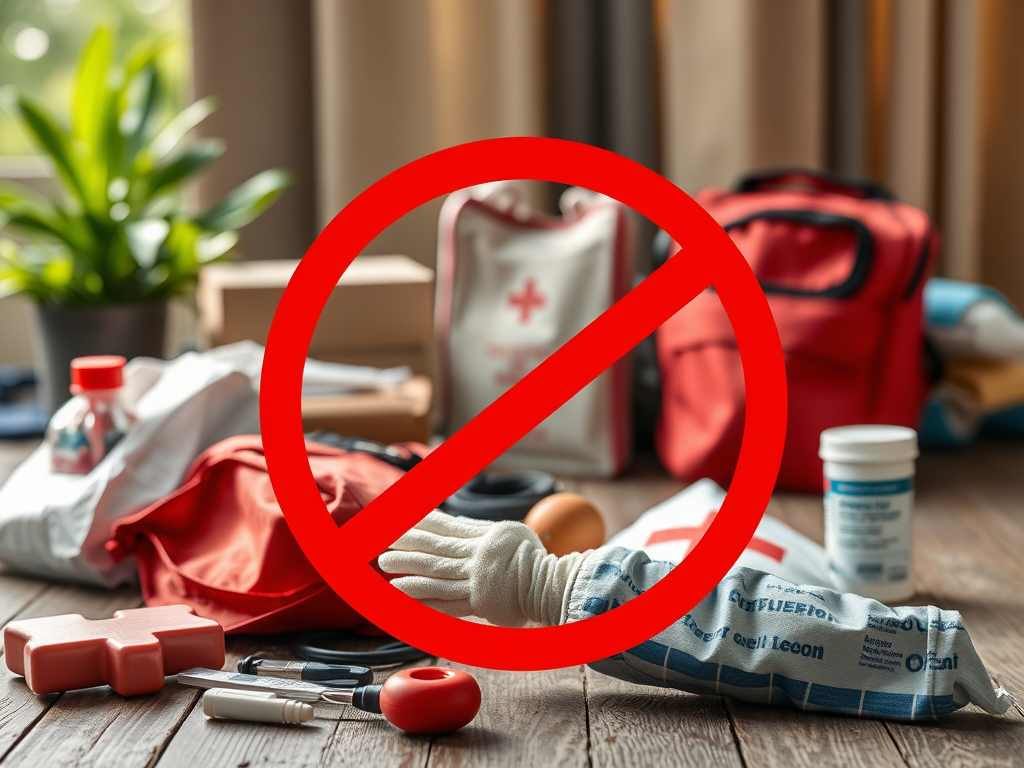
If medical help is unavailable, it's vital to assess the situation and provide immediate first aid. Start by determining the severity of the injury or illness, focusing on life-threatening conditions that require urgent attention. Administer essential first aid techniques, such as controlling bleeding or performing CPR, if you are trained. Additionally, leverage local resources, like community members or emergency services, to ensure that proper care is obtained as soon as possible. Staying calm and communicating clearly can significantly improve the outcome for the injured person, making it easier to coordinate assistance or gather necessary supplies.
When medical help is unavailable, assessing the situation, providing basic first aid, and utilizing available resources effectively are crucial steps to manage health emergencies. Start by evaluating the severity of the injury or illness; if it’s life-threatening, prioritize actions that can stabilize the person until help arrives. Administer first aid techniques such as controlling bleeding, performing CPR, or using an AED if trained. Mobilizing local resources, including community support or emergency services, is essential to ensure proper care as soon as it becomes accessible.
In emergencies, people often panic and may overlook critical steps. Understanding basic first aid can significantly impact outcomes. For instance, knowing how to stop bleeding by applying pressure or how to position someone in shock can save lives. Additionally, maintaining a calm demeanor can help reassure the injured person and facilitate better communication if you need to direct bystanders or gather supplies.
Assessing the Situation
Before taking action, assess the situation to determine the level of medical attention required. Identify any immediate dangers, such as traffic or fire, that could pose further risk. Check the responsiveness of the person needing help and look for signs of distress, such as difficulty breathing or severe bleeding. Understanding the context of the emergency helps in making informed decisions about the necessary interventions.
Individuals misjudge the severity of an injury or illness, leading to improper responses. For example, a sprained ankle may not require immediate transport to a hospital, while a person showing signs of a heart attack does. Knowing how to prioritize these situations can make a significant difference in outcomes.
Basic First Aid Techniques
Having a basic understanding of first aid techniques can empower you to act effectively when medical help is unavailable. Key techniques include the following: controlling bleeding, performing CPR, and using the recovery position for unconscious individuals. Familiarize yourself with these techniques through courses or instructional materials.
Many people fail to perform CPR correctly due to lack of practice or knowledge. The American Heart Association recommends chest compressions at a rate of 100-120 per minute. Additionally, using an AED as soon as it’s available can increase the chance of survival in cardiac emergencies. Consider keeping a first aid kit stocked with essential supplies to be prepared for various situations.
Utilizing Local Resources
When professional medical help is unavailable, tapping into local resources can provide necessary support. This includes contacting nearby friends, family, or neighbors who may have medical training or access to supplies. Community groups or local emergency services can also be valuable resources in managing emergencies.
Many individuals underestimate the potential of their community in times of crisis. For instance, local volunteers or community health workers may offer assistance or guidance. Creating a network of support before emergencies arise can enhance your preparedness and response capabilities.
Conclusion
In situations where medical help is unavailable, knowing how to assess the situation, apply basic first aid, and utilize local resources can significantly impact outcomes. Prioritize understanding the injuries involved and act decisively to stabilize the individual. Continuous preparation through training and community engagement ensures that you are ready to respond effectively when emergencies arise.