
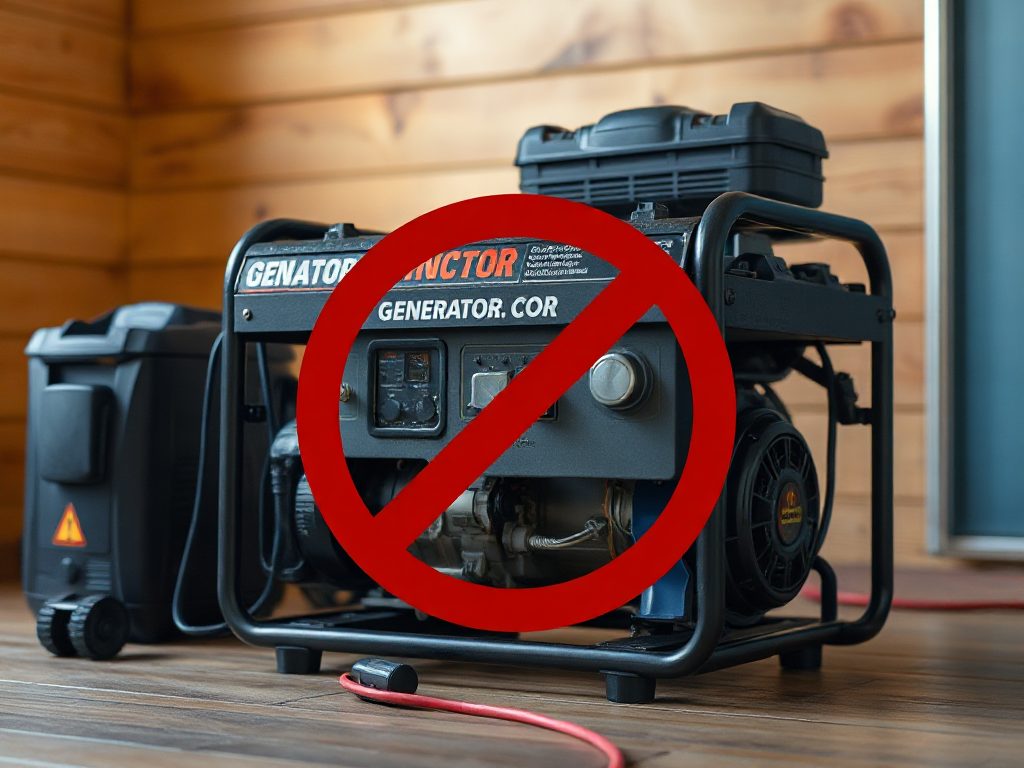
If your generator fails, start troubleshooting by checking the fuel level to ensure it’s not empty, as this is a common oversight. Next, inspect the oil level, since low oil can trigger an automatic shut-off. If both fuel and oil are sufficient, examine the electrical connections for any signs of corrosion or loose wires. Familiarize yourself with the user manual for specific troubleshooting guidance tailored to your model. If these steps do not resolve the issue, it may indicate a more serious mechanical problem that requires professional repair.
Generator failures can disrupt your plans, especially during power outages. To address the issue effectively, begin by identifying the underlying cause, as it can vary widely—from fuel supply issues to mechanical failures. Start by checking the fuel level to ensure there’s enough gas or diesel, as running out is a common oversight. Next, inspect the oil level, as low oil can trigger automatic shut-off mechanisms. If both fuel and oil are adequate, examine the electrical connections for corrosion or loose wires that may hinder operation.
Understanding how your generator operates will aid in troubleshooting. Familiarize yourself with the user manual, which often includes specific troubleshooting steps for common issues. Consider the generator’s age and maintenance history as well; older models may require more frequent servicing or parts replacement. If basic checks don’t resolve the problem, it may signal a more serious mechanical issue requiring professional assistance.
Common Generator Issues and Their Causes
Generators can fail for a variety of reasons, with some issues being more prevalent than others. Fuel supply problems are among the most common causes, often arising from stale fuel or clogged filters. Additionally, electrical issues such as blown fuses or faulty wiring can prevent proper operation. Mechanical problems, including worn-out components or overheating, are also significant factors that can lead to generator failure.
Being aware of these potential issues allows for quicker diagnostics. For instance, if the generator runs but fails to generate power, it may indicate a problem with the alternator or voltage regulator. Regularly monitoring your generator’s performance can help you catch these issues early, ensuring that you address them before they result in a complete breakdown.
Initial Troubleshooting Steps
When faced with generator failure, the first step is to conduct a systematic check. Begin by turning off the generator and inspecting the fuel system. Ensure that the fuel is fresh and that there are no blockages in the fuel lines. Next, check the oil level and quality, as dirty or insufficient oil can lead to engine damage. If the generator has a battery, verify its charge and connections, as electrical issues can often stem from battery problems.
If these initial checks do not resolve the issue, assess the generator’s electrical components. Look for any blown fuses or tripped breakers that may have caused the generator to shut down. A multimeter can be a useful tool to measure voltage and continuity in electrical circuits. Understanding these basics can empower you to troubleshoot effectively before seeking professional help.
When to Call a Professional
If your troubleshooting efforts do not yield results, it may be time to consult a professional. Issues such as persistent mechanical failure, complex electrical problems, or significant wear and tear require expert attention. Additionally, if your generator is still under warranty, attempting repairs yourself could void it. A technician can provide a thorough diagnosis and recommend necessary repairs or replacements.
Recognizing when to seek professional help is crucial. If you notice unusual noises, smells, or smoke, do not attempt to operate the generator further. These signs can indicate serious issues that may pose safety risks. Always prioritize safety and consider professional intervention when in doubt.
Preventative Maintenance Tips
To minimize the chances of generator failure, regular maintenance is essential. Schedule routine checks to change the oil, replace filters, and inspect electrical connections. Keeping the generator clean and free of debris can also enhance its performance and longevity. Additionally, running the generator periodically, even when not in use, helps keep the engine lubricated and prevents fuel stagnation.
Establishing a maintenance log can help track service intervals and identify patterns in performance. This proactive approach not only extends the life of your generator but also ensures that it’s ready when you need it most. Investing time in maintenance can save you from costly repairs and unexpected failures.
Conclusion
Generator failures can disrupt your plans, but understanding the common issues and troubleshooting steps can help you quickly address the problem. Prioritize regular maintenance to prevent failures and ensure your generator is ready when you need it. If troubleshooting does not resolve the issue, don’t hesitate to call a professional to avoid further complications. By staying informed and prepared, you can keep your generator running smoothly for years to come.