by PREPARE Magazine Editorial Team | Apr 5, 2025 | emergency preparedness, Preparedness planning, preparing for disaster
Hurricane Emergency Preparedness
It is Hurricane season, and people who leave near coastal areas likely already have a Hurricane Emergency Preparedness plan. Local and National Government agencies along with insurance agencies, churches, and other non-profit and human service groups provide great information to help with Hurricane preparedness. If you live in an area that is sometimes affected by hurricanes, one of the most important things you can do to protect your family is to spend some time developing a plan. I know this, because I was ignorant and did not have a good plan in place and had to endure a terrible situation.
In 2004, my family lived in Southwest Florida and survived a direct and devastating encounter with Hurricane Charley. It was an event that changed our lives forever.
 Like many people who lived in South Florida, we had basic supplies stored and ready in case we were impacted by a hurricane. We also had a general evacuation plan, but even with all the hurricanes we had encountered over the years we had never been forced or felt it necessary to evacuate. Living in Florida for years we kinda became numb to the warnings. Obviously, that was ignorant and cost us dearly.
As Charlie it made it’s way up the Florida coastline we were not in the projected path but when a sudden and dramatic turn occurred, Charlie now was barreling directly toward us with 150 mile-per-hour winds. It happened quickly and I’ll never forget the local news warnings that said “you do not have time to evacuate” so just do whatever you can to protect your life. That was a warning I hadn’t expected to hear.
Obviously, it was a pretty frantic time for our family. We grabbed the kids, huddled in a hallway, and pulled mattresses over us. As winds began quickly increasing, we could hear that damage was occurring all around us. Debris began to hammer our windows and doors as houses and structures were crushed by the fury of winds.
For several hours we were besieged by Charlie but the difficulty of that day lasted far beyond the brisk winds and heavy rains. In fact, the difficulty of that day still impacts us in profound ways.
I had always somewhat hoped to encounter a hurricane to see what it was like. Many people had talked about hurricane parties and the excitement of living through a hurricane. I was one of those people, and quickly found out how foolish I was when we were fearfully battling through the terrible storm.
The most difficult part of the hurricane came after the main force of Charlie had passed. Once the winds began to calm and we were able to emerge, we realized how fortunate we were to survive. Our roof had shifted (actually raised from the structure), our porch had collapsed, power lines were down all around us, and heavy debris was everywhere.
It was now time to deal with survival without electricity, and water. In sweltering 95 degree heat with no air conditioning, life was going to be rough. We were unable to travel because roads were littered with debris, but also there was no way of getting gas at stations without power.
For one week we battled without utilities, water, and other normal necessities. When gas stations To wrap up were able to open, people battled lines of traffic in order to fill their tanks and get fuel for generators. Fist fights broke-out because people were angry from their battles with terrible living conditions. National Guard units were called-in to patrol streets and maintain the peace.
 The fact is, I thought my family was prepared for a hurricane. Turns out, we were only prepared to survive a minimal impacting storm. We had some food and water, but only for a few days.
Based on our difficult experience, I’d like to share some thoughts to help you better consider your hurricane preparedness plans.
If you live near the coast, you likely have a Hurricane There is nothing anyone can do when nature decides to leash out its fury. There is no way to stop it so people should heed the warnings, brace for the worse and seek shelter.
In order to minimize the loss of life, most towns and cities along coastlines have created emergency plans. Sirens are placed in strategic locations to announce a major evacuation; the emergency broadcast system is in place in the event that power and electricity has been cut off, and many agencies also stockpile food, water and medicine.
Those who live in the coastal communities will usually be battered by hurricanes. This happens between the months of June until November in the Atlantic and from May to November in the northern Pacific Ocean. When this is first spotted on radar, the forecaster will begin to inform the public about it. Obviously, hurricanes are erratic in their behavior, so it’s likely the trajectory path will not be very clear. There is no need to panic when your area is a potential target zone since weather conditions may change in the next few hours. But, begin planning and watch the system closely. If there are no improvements, it is time to activate your emergency procedures.
The hurricane may pack winds exceeding more than a 100 miles per hour which can make cars, pieces of metal, lawn furniture, trees, or wood cause severe damage to the home. It’s a good idea to board-up the windows and doors of the house with hurricane shutters and plywood. If you feel your home is secure enough and intend to stay in your home, you will need to get to the grocery store to stock up on food, water and other essentials. In addition to consumable items, you’ll also want to pick up candles, batteries for the radio and the flashlight, and fuel for the generator.
All of these things are necessary (especially water) to prevent dehydration. Water was the most essential item during our experience with Charley. People had purchased drinking water, but it simply was not enough for their needs. The sweltering heat (without air conditioning) created a far-greater need than most people had planned for. So, you will want to get plenty of water stored. In fact, you may want to fill every possible container (including the bathtub) to make certain you are able to last until utilities are restored.
Another vital item that must not be forgotten is a medical kit. This should have bandages and some antibiotics to be able to treat anyone who is ill or injured until the person can be taken to a medical facility for better treatment. If the hurricane is a devastating high-intensity storm, there may be a massive number of people overwhelming health-care facilities. Having a medical kit on hand for minor emergencies is essential.
Should the incoming hurricane be classified as a category 4 or 5, residents are advised to evacuate and seek higher ground. It will be a good idea to travel light so only a few pieces of clothing, food and water must be brought into the vehicle. It’s a good idea to have a bug-out bag (emergency backpack) always ready for a quick evacuation. In fact, you should pack several identical bags for each member of the family.
If you evacuate, you will want to leave plenty early. There will likely be heavy traffic so it is necessary to drive slowly and avoid panicking. You will not want to cause additional traffic delays by causing an accident.
The hurricane will pass within a few hours and depending on the severity of the damage you may be allowed to return home to assess damage. You’ll want to exercise extreme caution, as there will likely be broken glass or other sharp items that could cause you harm. In addition, snakes and other wild creatures may have been washed onto your property and will not be in a very good mood.
Emergency preparedness is key to properly dealing with a hurricane situation. People who live in a hurricane area typically know what to do, but may be numb to the constant warnings. Take it from a fortunate hurricane survivor and take the time to re-evaluate your hurricane preparedness plan. Also, those who are moving into the community should quickly prepare themselves and learn how to survive the onslaught of a hurricane.
My final suggestion is to rehearse your emergency preparedness plan to see if some improvements need to be made. Go through a quick evacuation plan. Practice procedures for staying in your home. You may also want to go so far as to cut off your electricity, water, and phone service to give you the full experience. This extra effort could save your life.

by PREPARE Magazine Editorial Team | Apr 5, 2025 | Preparedness planning
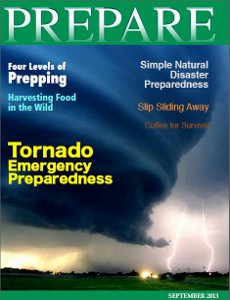
To those who are Founding Subscribers, we want to first give a heart felt ‘THANK YOU’ for getting on board with your complimentary subscription while we are in our pre-launch phase! While this does take you on the journey of bugs and bumps it also brings you along with us as we improve!
We have a new viewing format that we would like for you to take for a spin and give us your feedback in a comment to this blog post. Here’s a list of some of the things that are now
- Customizable Zoom Percentage.
- “Real” Page Turning with Mouse-over Corners.
- Easier scrolling.
- Instant Mobile Viewing using the same link.
- Sound (more on that in the video tutorial below).
- Easy Print Button for a Page, Selected Article or Whole Issue.
- Search & Navigate.
- Large Expanding.
- Thumbnail Indexing.
- Social Sharing with One Click.
First and foremost we want to familiarize you with the new format in this short video tutorial to help you get the most out of the new features, but please continue below this video:
So now here is the link to test out the potentially new viewing format of the September issue of PREPARE Magazine – CLICK -> September Test Issue. Please …go take it for a test drive of your own and please, leave us a comment on this blog to let us know what you think!
Popular Questions
What features can I expect in the new viewing format for PREPARE Magazine?
The new viewing format includes customizable zoom percentages, which allow you to adjust the size of the content to your preference. You can also enjoy a "real" page-turning experience by using mouse-over corners, making it feel more interactive. Additionally, the format offers easier scrolling and instant mobile viewing, ensuring you can access the magazine seamlessly on any device.
How can I provide feedback on the new viewing format?
To share your thoughts on the new viewing format, simply leave a comment on the blog post dedicated to this topic. Your feedback is invaluable as we continue to refine the experience. We encourage you to test the format and let us know what you think about the features and usability.
Is there a tutorial available for the new viewing format?
Yes, there is a short video tutorial designed to familiarize you with the new viewing format. This tutorial will guide you through the various features, helping you maximize your experience. Be sure to watch it before diving into the magazine to get the most out of the new functionalities.
Can I access the new viewing format on my mobile device?
Absolutely! The new viewing format allows for instant mobile viewing using the same link as the desktop version. This means you can enjoy the magazine on the go without any hassle. Just click the link provided in the blog post to test it out on your mobile device.
What should I do if I encounter issues with the new viewing format?
If you experience any bugs or issues while using the new viewing format, please report them in the comments section of the blog post. Your input will help us identify and resolve any problems as we continue to improve the experience. We appreciate your patience and support during this pre-launch phase.
by PREPARE Magazine Editorial Team | Apr 5, 2025 | Preparedness planning
When disaster strikes, will you be ready? Understanding what to hoard for emergencies is crucial in navigating unforeseen circumstances with ease and confidence. The importance of preparedness cannot be overstated, as it often makes the difference between survival and despair.
From food supplies to medical kits, the list of essential items is extensive. However, knowing what to prioritize can be a daunting task, especially for those new to emergency preparedness. This guide aims to demystify the process, providing you with a comprehensive overview of the items you should consider hoarding for emergencies.
So, whether you’re preparing for a natural disaster, a pandemic, or any other unforeseen event, this guide will serve as your roadmap. Let’s delve into the world of emergency preparedness, ensuring you’re equipped with the knowledge to face any crisis head-on.
What food items should I hoard for emergencies?
 In the face of emergencies, having a well-stocked pantry can be a lifesaver. The key is to focus on non-perishable food items that have a long shelf life. Staple items like rice and pasta are ideal, as they can be stored for long periods and can be used in a variety of dishes.
Canned goods, such as fruits, vegetables, and meats, are also essential. They are already cooked, making them ready to eat if you lack electricity or cooking facilities. Don’t forget to include canned soups and stews in your emergency stash, as they can provide a warm, comforting meal during stressful times.
Protein bars and dried fruits are excellent choices for quick energy and can be easily stored and transported. Likewise, nuts and seeds are nutrient-dense and have a long shelf life, making them an ideal emergency food item.
-
-
-
- Instant meals like ramen noodles or macaroni and cheese can be prepared quickly with just hot water.
- Bottled water is crucial for hydration and cooking, so make sure to store enough for each family member.
- Don’t forget about comfort foods like chocolate or cookies, as they can provide a morale boost in difficult times.
Remember, it’s not just about stocking up on food, but also ensuring variety and nutritional balance. Consider dietary restrictions and allergies when choosing what to hoard. Rotate your emergency food supply to keep it fresh and check expiration dates regularly. When emergencies strike, having a well-prepared food stash can make a significant difference.
What medical supplies are essential for emergencies?
In the event of an emergency, having the right medical supplies on hand can make a significant difference. The first item to consider is a well-stocked first aid kit. This should include essentials such as bandages, antiseptic wipes, tweezers, medical tape, and a digital thermometer.
A good supply of over-the-counter medications is also crucial. This includes pain relievers, anti-diarrhea medication, antacids, and allergy medication. Always ensure you have a sufficient supply of any prescription medications you or your family members may need.
In addition, consider adding items like a manual suction device, which can help clear airways, and a first-aid manual for quick reference. Having a supply of masks and gloves can also be beneficial in certain situations.
- First aid kit
- Over-the-counter medications
- Prescription medications
- Manual suction device
- First-aid manual
- Masks and gloves
Remember, the goal is to be prepared for any situation that may arise. Having these items readily available can provide peace of mind, knowing you’re ready to handle any medical emergencies that may occur. It’s also important to regularly check your supplies and replace any expired or used items. This ensures your emergency medical supplies remain effective and ready for use when needed.
How much water should I store for emergencies?
When planning for emergencies, water is a critical resource to consider. The U.S. Federal Emergency Management Agency (FEMA) recommends storing at least one gallon of water per person per day for both drinking and sanitation. This means for a family of four, you should store at least four gallons of water per day.
If you anticipate a short-term emergency, a three-day supply of water, or 12 gallons for a family of four, may suffice. However, for long-term disasters, it’s advisable to store a two-week supply. That’s 56 gallons of water for a family of four.
Remember, these are minimum recommendations. Factors such as health conditions, age, and physical activity can increase individual water needs. Pregnant women and children, for example, may require more water.
Storing water can be done in commercially bottled water, which has a longer shelf-life, or in food-grade water storage containers. If using tap water, it’s important to treat it to kill bacteria and parasites. Boiling is the most effective method, but you can also use water purification tablets or household bleach.
To wrap up, store your water in a cool, dark place to prevent the growth of algae and bacteria, and replace it every six months if not commercially bottled.
Emergency preparedness is crucial, and having an adequate water supply can make a significant difference in survival situations. It’s always better to be safe than sorry.
GET A FREE SUBSCRIPTION TO PREPARE MAGAZINE
What survival tools are necessary in emergencies?
In emergencies, having the right survival tools can make all the difference. A crucial item to have on hand is a first aid kit, packed with essentials like bandages, antiseptic wipes, and pain relievers. A multi-tool, including a knife, can opener, and screwdriver, is another must-have.
Water purification tablets or a life straw are also vital for survival, as they allow you to drink from any water source safely. Portable chargers or solar-powered chargers ensure your communication devices stay powered, keeping you connected even in dire circumstances.
Emergency blankets, also known as space blankets, provide warmth and protection from the elements. They are lightweight and compact, making them a valuable addition to your emergency stash.
A flashlight, preferably hand-cranked or solar-powered, is another essential tool. It can help you navigate in the dark and signal for help if necessary.
In addition to these, food supplies that have a long shelf life, such as canned goods or freeze-dried meals, are crucial. Don’t forget a manual can opener if your multi-tool doesn’t include one.
In summary, having a battery-operated or hand-crank radio can provide you with vital information during an emergency. Remember, the goal is to be prepared, not scared. By equipping yourself with these survival tools, you can face any emergency situation with confidence.
Should I hoard cash for emergencies?
 In a world where digital transactions are becoming the norm, it’s pertinent to ask, “”Should I hoard cash for emergencies?“”. The answer isn’t binary. While having a stash of physical currency can be beneficial in certain situations, it’s not always the most practical or safe option.
Think about the risks associated with storing large amounts of cash. Theft, loss, and damage from unforeseen events like fires or floods are all potential hazards. Banks and other financial institutions offer protections that your home safe or mattress simply can’t.
Moreover, in the event of a widespread power outage or digital systems failure, having cash on hand could be critical. But, these scenarios are relatively rare and usually short-lived.
Instead of hoarding cash, consider building a diversified emergency fund. This could include a mix of liquid assets like cash, but also easily accessible funds in a savings account, and perhaps a credit card reserved solely for emergencies.
Remember, the goal is to have resources available to you in a crisis, not necessarily to have a pile of cash sitting around.
In terms of other items to hoard for emergencies, consider the following:
- Non-perishable food and water
- First-aid supplies
- Essential medications
- Important documents
- Emergency contact information
These items are universally useful in a variety of emergency situations, making them a more practical choice than simply hoarding cash.
GET A FREE SUBSCRIPTION TO PREPARE MAGAZINE
What personal hygiene items are essential in emergencies?
In the face of an emergency, maintaining personal hygiene becomes a crucial part of survival. The first item on your list should be water. Not only for drinking but also for cleaning purposes. Next, stockpile a substantial amount of soap, both bar and liquid forms. Soap is essential for washing hands and body, helping to prevent disease spread.
Toilet paper is another item that is often overlooked. It’s a basic necessity for maintaining personal cleanliness. Hand sanitizers also play a vital role, especially when access to water is limited. They help kill germs and reduce the risk of infection.
Dental hygiene items such as toothbrushes, toothpaste and dental floss should not be forgotten. Oral health is directly linked to overall health, and neglecting it can lead to serious complications.
Consider including feminine hygiene products like sanitary pads and tampons in your emergency kit. These are essential for women during their menstrual cycle.
Disposable razors can be useful for maintaining cleanliness and personal comfort. Lastly, include deodorant in your kit. While it might not be a life-saving item, it can significantly improve comfort and morale during stressful situations.
Remember, hygiene items are often the first to run out in emergency situations, so it’s wise to have a sufficient stock at hand. These items not only ensure cleanliness but also help in preventing diseases and infections that can arise due to lack of hygiene.
What are essential documents to keep for emergencies?
In the face of an unexpected crisis, having access to certain key documents can make a significant difference. One of the most vital documents to have on hand is your identification. This can include your passport, driver’s license, or any other form of government-issued ID.
Another crucial document is your Social Security card. This card serves as proof of your identity and citizenship, and it is often required for various legal and financial transactions.
Healthcare documents such as your health insurance card and a list of your current medications are also essential. In a medical emergency, these documents can provide vital information to healthcare providers.
Financial documents, such as your bank account details and insurance policies, are also important to keep readily available. These can help ensure that you have access to funds and are covered in case of property damage or personal injury.
- Identification (passport, driver’s license)
- Social Security card
- Healthcare documents (health insurance card, medication list)
- Financial documents (bank account details, insurance policies)
In addition, it’s a good idea to have copies of your property deeds or rental agreements, vehicle titles, and any other documents related to your assets. These can prove ownership and may be necessary for insurance claims or other legal matters.
Remember, in an emergency, having these documents readily accessible can save you a lot of stress and hassle. So, it’s worth taking the time to gather these documents and store them in a safe, easily accessible place.
How to store fuel safely for emergencies?
Storing fuel for emergencies is a crucial aspect of disaster preparedness. However, it must be done with utmost care to prevent accidents. The first step is to choose the right containers. Use only approved fuel containers that are designed for long-term storage. Avoid using random bottles or jugs, as they may not be resistant to the corrosive nature of fuel.
Storing fuel in a cool, dry, well-ventilated area is a must. It should be away from living spaces and out of reach of children and pets. Never store fuel near a heat source or an open flame, as it is highly flammable.
To keep your fuel fresh for longer periods, consider using a fuel stabilizer. This additive can extend the life of your fuel, making it a valuable addition to your emergency supplies.
Regularly check your stored fuel for signs of degradation. If the fuel has changed color or has a strange smell, it is likely no longer safe to use.
Lastly, remember to rotate your fuel supply. Use the oldest fuel first and replace it with fresh fuel. This ensures that your emergency fuel supply is always fresh and ready to use.
Remember, safety should always be your top priority when storing fuel for emergencies.
Final Thoughts on Preparing for Emergencies
All in all, preparing for emergencies involves a comprehensive approach that encompasses various aspects of daily life. It is essential to have a stockpile of food and water, with the latter being stored in appropriate quantities to sustain you and your family. Medical supplies are a crucial part of any emergency kit, as they can be life-saving in crisis situations.
Survival tools are another key component of emergency preparedness, and their importance cannot be understated. Having cash on hand can also be beneficial in situations where electronic transactions are not possible. Personal hygiene items are equally important, as maintaining cleanliness can prevent the spread of diseases during emergencies.
Essential documents should be safely stored and easily accessible, as they may be needed for identification or legal purposes. Safe fuel storage is also a critical aspect of emergency preparedness, as it can provide a source of heat and cooking.
As we move forward, it’s crucial to stay informed about new advancements or trends that may impact emergency preparedness. This could include new survival tools, storage methods, or even changes in emergency response protocols. Ultimately, being prepared for emergencies is not just about hoarding items, but about being ready to adapt and respond to any situation that may arise. Remember, preparation today can make a significant difference tomorrow.
GET A FREE SUBSCRIPTION TO PREPARE MAGAZINE