by Prepare Magazine | Apr 5, 2025 | Preparedness planning
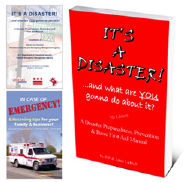 We are delighted to still have the ability to share a sample of this wonderful resource with you for free…but one person will WIN the entire print version of this book simply by entering this Sweepstake! – http://woobox.com/fg98my
Time runs out as 2012 comes to a close so you will want to hurry. Getting this great handbook will help you start off the new year more prepared than before!
by PREPARE | Apr 5, 2025 | Preparedness planning
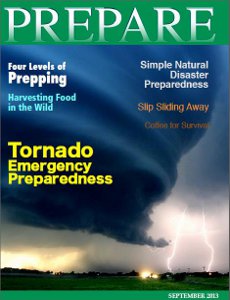 The newest (digital) publication of PREPARE Magazine is now ready for viewing. The September publication has been uploaded into the membership area of our PREMIUM Members. In a few days it will be available by download to all of our digital subscribers.
We will alert all of our subscribers by email. Premium and Founding Members are able to login to your account to view immediately.
Also… the next print issue of PREPARE Magazine is heading to the printers!
by PREPARE | Apr 5, 2025 | Preparedness planning
When disaster strikes, will you be ready? Understanding what to hoard for emergencies is crucial in navigating unforeseen circumstances with ease and confidence. The importance of preparedness cannot be overstated, as it often makes the difference between survival and despair.
From food supplies to medical kits, the list of essential items is extensive. However, knowing what to prioritize can be a daunting task, especially for those new to emergency preparedness. This guide aims to demystify the process, providing you with a comprehensive overview of the items you should consider hoarding for emergencies.
So, whether you’re preparing for a natural disaster, a pandemic, or any other unforeseen event, this guide will serve as your roadmap. Let’s delve into the world of emergency preparedness, ensuring you’re equipped with the knowledge to face any crisis head-on.
What food items should I hoard for emergencies?
 In the face of emergencies, having a well-stocked pantry can be a lifesaver. The key is to focus on non-perishable food items that have a long shelf life. Staple items like rice and pasta are ideal, as they can be stored for long periods and can be used in a variety of dishes.
Canned goods, such as fruits, vegetables, and meats, are also essential. They are already cooked, making them ready to eat if you lack electricity or cooking facilities. Don’t forget to include canned soups and stews in your emergency stash, as they can provide a warm, comforting meal during stressful times.
Protein bars and dried fruits are excellent choices for quick energy and can be easily stored and transported. Likewise, nuts and seeds are nutrient-dense and have a long shelf life, making them an ideal emergency food item.
-
-
-
- Instant meals like ramen noodles or macaroni and cheese can be prepared quickly with just hot water.
- Bottled water is crucial for hydration and cooking, so make sure to store enough for each family member.
- Don’t forget about comfort foods like chocolate or cookies, as they can provide a morale boost in difficult times.
Remember, it’s not just about stocking up on food, but also ensuring variety and nutritional balance. Consider dietary restrictions and allergies when choosing what to hoard. Rotate your emergency food supply to keep it fresh and check expiration dates regularly. When emergencies strike, having a well-prepared food stash can make a significant difference.
What medical supplies are essential for emergencies?
In the event of an emergency, having the right medical supplies on hand can make a significant difference. The first item to consider is a well-stocked first aid kit. This should include essentials such as bandages, antiseptic wipes, tweezers, medical tape, and a digital thermometer.
A good supply of over-the-counter medications is also crucial. This includes pain relievers, anti-diarrhea medication, antacids, and allergy medication. Always ensure you have a sufficient supply of any prescription medications you or your family members may need.
In addition, consider adding items like a manual suction device, which can help clear airways, and a first-aid manual for quick reference. Having a supply of masks and gloves can also be beneficial in certain situations.
- First aid kit
- Over-the-counter medications
- Prescription medications
- Manual suction device
- First-aid manual
- Masks and gloves
Remember, the goal is to be prepared for any situation that may arise. Having these items readily available can provide peace of mind, knowing you’re ready to handle any medical emergencies that may occur. It’s also important to regularly check your supplies and replace any expired or used items. This ensures your emergency medical supplies remain effective and ready for use when needed.
How much water should I store for emergencies?
When planning for emergencies, water is a critical resource to consider. The U.S. Federal Emergency Management Agency (FEMA) recommends storing at least one gallon of water per person per day for both drinking and sanitation. This means for a family of four, you should store at least four gallons of water per day.
If you anticipate a short-term emergency, a three-day supply of water, or 12 gallons for a family of four, may suffice. However, for long-term disasters, it’s advisable to store a two-week supply. That’s 56 gallons of water for a family of four.
Remember, these are minimum recommendations. Factors such as health conditions, age, and physical activity can increase individual water needs. Pregnant women and children, for example, may require more water.
Storing water can be done in commercially bottled water, which has a longer shelf-life, or in food-grade water storage containers. If using tap water, it’s important to treat it to kill bacteria and parasites. Boiling is the most effective method, but you can also use water purification tablets or household bleach.
All in all, store your water in a cool, dark place to prevent the growth of algae and bacteria, and replace it every six months if not commercially bottled.
Emergency preparedness is crucial, and having an adequate water supply can make a significant difference in survival situations. It’s always better to be safe than sorry.
GET A FREE SUBSCRIPTION TO PREPARE MAGAZINE
What survival tools are necessary in emergencies?
In emergencies, having the right survival tools can make all the difference. A crucial item to have on hand is a first aid kit, packed with essentials like bandages, antiseptic wipes, and pain relievers. A multi-tool, including a knife, can opener, and screwdriver, is another must-have.
Water purification tablets or a life straw are also vital for survival, as they allow you to drink from any water source safely. Portable chargers or solar-powered chargers ensure your communication devices stay powered, keeping you connected even in dire circumstances.
Emergency blankets, also known as space blankets, provide warmth and protection from the elements. They are lightweight and compact, making them a valuable addition to your emergency stash.
A flashlight, preferably hand-cranked or solar-powered, is another essential tool. It can help you navigate in the dark and signal for help if necessary.
In addition to these, food supplies that have a long shelf life, such as canned goods or freeze-dried meals, are crucial. Don’t forget a manual can opener if your multi-tool doesn’t include one.
In summary, having a battery-operated or hand-crank radio can provide you with vital information during an emergency. Remember, the goal is to be prepared, not scared. By equipping yourself with these survival tools, you can face any emergency situation with confidence.
Should I hoard cash for emergencies?
 In a world where digital transactions are becoming the norm, it’s pertinent to ask, “”Should I hoard cash for emergencies?“”. The answer isn’t binary. While having a stash of physical currency can be beneficial in certain situations, it’s not always the most practical or safe option.
Think about the risks associated with storing large amounts of cash. Theft, loss, and damage from unforeseen events like fires or floods are all potential hazards. Banks and other financial institutions offer protections that your home safe or mattress simply can’t.
Moreover, in the event of a widespread power outage or digital systems failure, having cash on hand could be critical. But, these scenarios are relatively rare and usually short-lived.
Instead of hoarding cash, consider building a diversified emergency fund. This could include a mix of liquid assets like cash, but also easily accessible funds in a savings account, and perhaps a credit card reserved solely for emergencies.
Remember, the goal is to have resources available to you in a crisis, not necessarily to have a pile of cash sitting around.
In terms of other items to hoard for emergencies, consider the following:
- Non-perishable food and water
- First-aid supplies
- Essential medications
- Important documents
- Emergency contact information
These items are universally useful in a variety of emergency situations, making them a more practical choice than simply hoarding cash.
GET A FREE SUBSCRIPTION TO PREPARE MAGAZINE
What personal hygiene items are essential in emergencies?
In the face of an emergency, maintaining personal hygiene becomes a crucial part of survival. The first item on your list should be water. Not only for drinking but also for cleaning purposes. Next, stockpile a substantial amount of soap, both bar and liquid forms. Soap is essential for washing hands and body, helping to prevent disease spread.
Toilet paper is another item that is often overlooked. It’s a basic necessity for maintaining personal cleanliness. Hand sanitizers also play a vital role, especially when access to water is limited. They help kill germs and reduce the risk of infection.
Dental hygiene items such as toothbrushes, toothpaste and dental floss should not be forgotten. Oral health is directly linked to overall health, and neglecting it can lead to serious complications.
Consider including feminine hygiene products like sanitary pads and tampons in your emergency kit. These are essential for women during their menstrual cycle.
Disposable razors can be useful for maintaining cleanliness and personal comfort. Lastly, include deodorant in your kit. While it might not be a life-saving item, it can significantly improve comfort and morale during stressful situations.
Remember, hygiene items are often the first to run out in emergency situations, so it’s wise to have a sufficient stock at hand. These items not only ensure cleanliness but also help in preventing diseases and infections that can arise due to lack of hygiene.
What are essential documents to keep for emergencies?
In the face of an unexpected crisis, having access to certain key documents can make a significant difference. One of the most vital documents to have on hand is your identification. This can include your passport, driver’s license, or any other form of government-issued ID.
Another crucial document is your Social Security card. This card serves as proof of your identity and citizenship, and it is often required for various legal and financial transactions.
Healthcare documents such as your health insurance card and a list of your current medications are also essential. In a medical emergency, these documents can provide vital information to healthcare providers.
Financial documents, such as your bank account details and insurance policies, are also important to keep readily available. These can help ensure that you have access to funds and are covered in case of property damage or personal injury.
- Identification (passport, driver’s license)
- Social Security card
- Healthcare documents (health insurance card, medication list)
- Financial documents (bank account details, insurance policies)
In addition, it’s a good idea to have copies of your property deeds or rental agreements, vehicle titles, and any other documents related to your assets. These can prove ownership and may be necessary for insurance claims or other legal matters.
Remember, in an emergency, having these documents readily accessible can save you a lot of stress and hassle. So, it’s worth taking the time to gather these documents and store them in a safe, easily accessible place.
How to store fuel safely for emergencies?
Storing fuel for emergencies is a crucial aspect of disaster preparedness. However, it must be done with utmost care to prevent accidents. The first step is to choose the right containers. Use only approved fuel containers that are designed for long-term storage. Avoid using random bottles or jugs, as they may not be resistant to the corrosive nature of fuel.
Storing fuel in a cool, dry, well-ventilated area is a must. It should be away from living spaces and out of reach of children and pets. Never store fuel near a heat source or an open flame, as it is highly flammable.
To keep your fuel fresh for longer periods, consider using a fuel stabilizer. This additive can extend the life of your fuel, making it a valuable addition to your emergency supplies.
Regularly check your stored fuel for signs of degradation. If the fuel has changed color or has a strange smell, it is likely no longer safe to use.
Lastly, remember to rotate your fuel supply. Use the oldest fuel first and replace it with fresh fuel. This ensures that your emergency fuel supply is always fresh and ready to use.
Remember, safety should always be your top priority when storing fuel for emergencies.
Final Thoughts on Preparing for Emergencies
In closing, preparing for emergencies involves a comprehensive approach that encompasses various aspects of daily life. It is essential to have a stockpile of food and water, with the latter being stored in appropriate quantities to sustain you and your family. Medical supplies are a crucial part of any emergency kit, as they can be life-saving in crisis situations.
Survival tools are another key component of emergency preparedness, and their importance cannot be understated. Having cash on hand can also be beneficial in situations where electronic transactions are not possible. Personal hygiene items are equally important, as maintaining cleanliness can prevent the spread of diseases during emergencies.
Essential documents should be safely stored and easily accessible, as they may be needed for identification or legal purposes. Safe fuel storage is also a critical aspect of emergency preparedness, as it can provide a source of heat and cooking.
As we move forward, it’s crucial to stay informed about new advancements or trends that may impact emergency preparedness. This could include new survival tools, storage methods, or even changes in emergency response protocols. Ultimately, being prepared for emergencies is not just about hoarding items, but about being ready to adapt and respond to any situation that may arise. Remember, preparation today can make a significant difference tomorrow.
GET A FREE SUBSCRIPTION TO PREPARE MAGAZINE
by Prepare Magazine | Apr 5, 2025 | Preparedness planning

We hope you had a wonderful Holiday.
It’s hard to believe that we are about to enter the final month of 2012. As we are quickly moving toward a New Year we wanted to share some special updates for PREPARE Magazine – and also give you a status report on our anticipated hard-copy release. There is a special announcement that will specifically benefit you – so be sure to read all the way through this email.
In this email, we share important information on:
… Next Issue Release
… Updates to your Subscription
… Campaign for our Official Launch (Hard-Copy Release)
It has been a very busy (and exciting) time for us and we want to share some of the things that have been happening. We have been slightly overwhelmed with a steady flow of changes and preparations for our hard-copy publication. We continue to work-out the bugs. Please accept our apology as we have been remiss in keeping you fully updated on everything – as we have been inundated with new challenges that we were not anticipating.
But… we forge ahead because we STRONGLY believe in the mission and purpose of PREPARE Magazine. We are encouraged by the support we have received from our subscribers and advertisers and are determined to make this magazine a world-class publication. We hope you find value in our magazine and will help support us as we continue to build a stronger foundation to build on.
|
OUR NEXT ISSUE (Released Soon!)
|
We are currently working on the release of our next digital issue. It will be the “End-of-Year” issue of PREPARE Magazine and will have some very special features. It should be available (and released in the new improved viewer format) by mid-December. We will email you when it is ready for download and viewing.
In January, 2013, we are planning to Officially launch PREPARE Magazine, and release the hard-copy version of the magazine. We’ve had quite a few requests for a print version, and we are looking forward to releasing it with our launch. It has been quite an undertaking but we believe it will be well worth the effort.
We will give more details as we move closer to the launch, but here is a general description:
The hard-copy version will be a bi-monthly full-color publication that will be available by subscription (delivered by USPS). The print publication will be a little larger than the monthly digital version (likely around 44 pages) and will contain unique articles and features.
|
CAMPAIGN for our OFFICIAL LAUNCH!
|

We started PREPARE Magazine because of the importance we place on the mission during the times we are living. We firmly believe there is a very special need for the encouragement and training we intend to offer through PREPARE Magazine. We are determined to keep it going.We’ve been asked many times “why” we are giving away a free subscription to Founding members?. The truth is, we wanted to offer the free subscription to help as many people as possible prepare for the days ahead. We wanted to serve anyone who had the interest in preparedness, and offer a message of encouragement during difficult times. Many years ago we felt “called” to prepare, and that call included helping others.
But… because of the costs associated with the thousands who have subscribed, and the expenses we will have with launching the print version, we have launched a fund-raising campaign to help raise needed funds toward the launch of PREPARE Magazine.
We intend for PREPARE Magazine to be a long-term relevant voice in the Preparedness Community. To make that happen and to create a world-class publication, we need to raise funds. To encourage people to join with us, we are giving away some really cool and valuable rewards. Of course, we would love to have your help. Please visit our campaign site and consider helping us if you are able. We will be extremely grateful for any help you can offer.
Go to: http://www.indiegogo.com/preparemag or click the button below or visit the Campaign site:
|
FOUNDING SUBSCRIBERS . . . That’s YOU!
|
 |
As stated above, in January, 2013, we will be officially launching PREPARE Magazine. As part of our launch we will be adding some excellent new Preparation training and resources for our Founding Subscribers (YOU). For those who are/were unaware of what it means to be one of our Founding Subscribers, we’ll offer you a brief description:
Read More |
|
Again, we want to thank you for joining with us and for being a special member of our Community. We are very grateful for your participation and encourage you to share suggestions and ideas that you feel will help us improve especially as we move into the New Year – and the “official” Launch of PREPARE Magazine.
We look forward to sharing together soon!
Until then, we remain…
Yours in Service,
PREPARE Magazine
Encouraging, Empowering and Enriching Your Journey!
http://www.preparemag.com
PS. In case you missed it, here is the link for the most recent released digital issue in our new viewer format: http://www.preparemag.com/prepareSEPT/
Popular Questions
What are the key highlights of the Important News & Special “End-of-Year” Issue?
The Important News & Special “End-of-Year” Issue features significant updates and reflections on the past year. It includes expert insights on major events that shaped the year, along with predictions for the upcoming year. Readers can expect in-depth articles that analyze trends and provide actionable advice for navigating the future.
How can I make the most of the Important News & Special “End-of-Year” Issue?
To maximize your experience with the Important News & Special “End-of-Year” Issue, take time to read each featured article thoroughly. Engage with the content by reflecting on how the insights apply to your personal or professional life. Additionally, consider sharing your thoughts on social media or in discussions with peers to foster a deeper understanding of the topics covered.
Why is the Important News & Special “End-of-Year” Issue significant?
The significance of the Important News & Special “End-of-Year” Issue lies in its comprehensive overview of the year's most impactful stories. It serves as a valuable resource for individuals looking to stay informed and prepared for the challenges ahead. By summarizing key events and trends, this issue helps readers gain perspective and plan effectively for the new year.
Who contributes to the Important News & Special “End-of-Year” Issue?
The Important News & Special “End-of-Year” Issue features contributions from a diverse range of experts and thought leaders. These contributors bring unique perspectives and expertise, ensuring that the content is both informative and engaging. Their insights help to illuminate the complexities of the year’s events and provide guidance for future considerations.
When is the Important News & Special “End-of-Year” Issue released?
The Important News & Special “End-of-Year” Issue is typically released in late December, just in time for readers to reflect on the past year. This timing allows individuals to digest the information and apply it as they plan for the upcoming year. Keep an eye on announcements to ensure you don’t miss this essential publication.
by PREPARE | Apr 5, 2025 | Preparedness planning
In the realm of preparedness and self-sufficiency, few measures can compare to the practicality and long-term benefits of building a root cellar. This age-old method of food storage, steeped in tradition yet remarkably relevant in today’s world, serves as a reliable safeguard against unexpected circumstances.
Imagine a space, right in your backyard, that harnesses the earth’s natural insulation to preserve your harvests. A root cellar not only extends the shelf-life of your fruits and vegetables but also reduces reliance on artificial refrigeration.
As we delve deeper into the art and science of root cellaring, you’ll discover its potential to transform your approach to food storage and overall preparedness. Join us as we explore the steps of constructing a root cellar, the ideal conditions for various produce, and the immense satisfaction of self-reliance. Your journey towards a more resilient lifestyle starts here.
Why Build a Root Cellar?
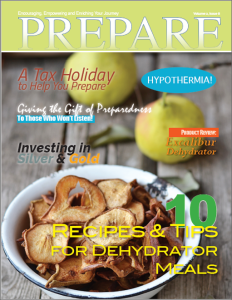 A root cellar can be a vital asset for those seeking to enhance their preparedness for unexpected circumstances. Primarily, it serves as a natural storage method for preserving various types of food. The cool, stable temperatures and high humidity levels inside a root cellar create an ideal environment for storing fruits, vegetables, and other perishable items. This allows for extended shelf life, reducing the risk of food wastage and ensuring a steady supply of fresh produce even in off-season periods.
Furthermore, building a root cellar contributes to self-sufficiency. In the event of a power outage or a disruption in supply chains, a well-stocked root cellar can provide a reliable source of nourishment. It eliminates the dependency on electric refrigeration and supermarkets, offering peace of mind in times of uncertainty.
Building a root cellar also offers economic benefits. By storing homegrown or locally sourced produce, you can save significantly on grocery bills. Moreover, it reduces the energy costs associated with conventional refrigeration methods.
In addition to these practical benefits, a root cellar can also be seen as a sustainable choice. It utilizes the earth’s natural insulation, requiring no additional energy input for maintaining optimal storage conditions. This makes it a green alternative to electric-powered storage methods.
In terms of construction, a root cellar can be built using simple materials and techniques, making it a feasible project for DIY enthusiasts. It can be a standalone structure or incorporated into an existing building, offering flexibility in design and placement.
Ultimately, building a root cellar is a strategic move for those seeking to enhance their preparedness, promote self-sufficiency, and adopt a more sustainable lifestyle.
What is a Root Cellar?
A root cellar is a structure, often subterranean, used for storing vegetables, fruits, nuts, or other foods. Its purpose is to maintain temperature, humidity, and other conditions that help prolong the life and preserve the quality of produce. Root cellars have been utilized for centuries and are making a comeback as more individuals seek sustainable and self-sufficient living methods.
Building a root cellar is a practical step towards preparedness. It provides a cool, dark, and humid environment perfect for storing a variety of crops. This can be particularly beneficial in times of emergency, where access to fresh produce may be limited.
A few things to consider when building a root cellar for preparedness include:
- Location: It’s best to choose a spot with good drainage and easy access.
- Size: The size of the root cellar will depend on your storage needs.
- Materials: Common materials used include wood, stone, and earth.
Moreover, a well-designed root cellar can help reduce reliance on refrigeration, thus saving energy. It also allows for the enjoyment of homegrown produce year-round, contributing to healthier eating habits.
In the face of uncertain times, a root cellar serves as a practical and cost-effective solution for food storage. It’s a testament to the wisdom of our ancestors and a valuable tool for modern-day preparedness.
How to Build a Root Cellar?
A root cellar is a practical solution for anyone considering preparedness strategies. It is a low-cost, energy-efficient way to store food supplies, particularly fruits and vegetables, throughout the year. Here are a few steps to build one:
1. Location Selection: Choose a well-drained area with a slight slope. The location should ideally be north-facing to keep the cellar cool during summer.
2. Design and Size: The design of your root cellar will depend on your needs. A walk-in cellar is ideal for large-scale storage while a box-type cellar is suitable for smaller quantities.
3. Construction: Dig a hole that is slightly larger than your intended cellar size. Line the hole with insulation material like straw or polystyrene to maintain a consistent temperature.
4. Ventilation: Proper ventilation is crucial to prevent the build-up of harmful gases. Install a PVC pipe for air inflow and another pipe for outflow.
5. Shelving: Install shelves or bins for storage. Remember to keep different types of produce separated to prevent cross-contamination.
Building a root cellar is a proactive step towards preparedness. It not only ensures a steady supply of fresh produce but also fosters sustainability and self-reliance. A well-constructed root cellar is a valuable addition to any homestead, providing peace of mind and food security.
Best Location for a Root Cellar?
When considering building a root cellar for preparedness, location is crucial. The ideal location is a north-facing slope, which offers natural insulation and protection from the sun’s heat. A root cellar built into a hillside provides superior temperature control, maintaining a consistent cool temperature ideal for storing fruits, vegetables, and canned goods.
Another option is to build your root cellar underneath your house. This option offers easy access but requires careful consideration of drainage and ventilation. A root cellar in a basement must be well-insulated to maintain optimal temperatures, and you’ll need to ensure that it’s sealed off from pests.
If you don’t have a hillside or a basement, you can still build a root cellar in your backyard. The key is to make sure it’s well-insulated and buried deep enough to take advantage of the earth’s natural coolness.
Here are a few factors to consider:
- Soil type: Sandy or loamy soil is ideal for drainage.
- Water table: The cellar should be above the water table to avoid flooding.
- Accessibility: Ensure easy access to your house, especially during harsh weather conditions.
Remember, the location of your root cellar plays a significant role in its effectiveness. It’s a critical aspect of preparedness planning, ensuring you have a sustainable food storage solution in case of emergencies.
Ideal Temperature for a Root Cellar?
When considering building a root cellar for preparedness, the temperature is a crucial factor. A root cellar serves as a natural refrigerator, using the earth’s stable temperature to store fruits, vegetables, and other perishables. For optimal preservation, the ideal temperature range for a root cellar is between 32°F and 40°F. This cool, stable environment helps to slow the produce’s respiration rate, extending its shelf life.
Ensuring your root cellar maintains this temperature range can be achieved through proper design and location. Building your root cellar into a hillside or partially underground can help take advantage of the earth’s natural insulation. Additionally, proper ventilation is essential to maintaining a cool temperature and preventing the buildup of ethylene gas, which can hasten spoilage.
It’s also important to consider the types of produce you plan to store. Different types of fruits and vegetables have varying temperature and humidity requirements. For instance, apples and pears prefer temperatures near 30°F while potatoes and onions do well around 40°F.
Proper planning and understanding of these temperature needs can ensure the success of your root cellar and contribute to your overall preparedness efforts. Remember, a well-maintained root cellar can provide a reliable food source, especially during winter months when fresh produce may be scarce.
What to Store in a Root Cellar?
A root cellar is a practical and energy-efficient way to store food, particularly if you’re considering building one for preparedness. The cool, dark, and humid conditions in a root cellar make it an ideal place to store a variety of produce. Common items to store include root vegetables such as carrots, potatoes, and beets, as they thrive in this environment and can last for several months.
In addition to root vegetables, you can also store fruits that do well in cooler conditions. Apples and pears, for instance, can be kept in a root cellar for an extended period. Besides, a root cellar is great for preserving canned goods, as the consistent temperature helps maintain their quality.
Next, consider storing hardy winter squashes like butternut, acorn, and spaghetti squash. These vegetables have a long shelf life and will do well in a root cellar.
- Carrots
- Potatoes
- Beets
- Apples
- Pears
- Canned goods
- Winter squashes
Moreover, a root cellar can be a safe place to store dairy products like cheese, as the constant cool temperature slows down the ripening process.
Remember, a root cellar is more than just a storage space. It is a strategic approach to food preservation, reducing waste, and promoting sustainability. By understanding what to store in a root cellar, you’re taking a step towards self-sufficiency and preparedness.
Maintaining a Root Cellar
A well-maintained root cellar can be an essential part of your home’s preparedness plan. This age-old storage method is not only cost-effective but also eco-friendly, providing a natural and energy-efficient way to store vegetables, fruits, and other perishables.
 To keep your root cellar functional, proper ventilation is critical. It helps regulate temperature and humidity, preventing rot and mold growth. Regularly check and clean the vents to ensure optimal airflow.
Another crucial aspect is monitoring the temperature. A typical root cellar should maintain a temperature between 32°F and 40°F. You can use a thermometer to keep track of this.
Humidity is also vital for a root cellar. Ideal humidity levels should be between 85% and 95%. This can be achieved by placing trays of water in the cellar or using a humidifier.
Proper organization is key in a root cellar. Store your produce correctly to prevent spoilage. Here are some tips:
- Store fruits and vegetables separately to avoid ethylene gas build-up.
- Check your produce regularly and remove any that’s starting to spoil.
- Keep produce off the floor and avoid overcrowding.
Maintaining a root cellar is not a one-time task but a continuous process. Regular checks and adjustments will keep your cellar in optimal condition, ensuring your home’s preparedness for any situation. Remember, a well-maintained root cellar is a valuable asset in any home.
Benefits of a Root Cellar for Preparedness?
A root cellar is an invaluable asset when it comes to preparedness. It serves as a natural storage area, maintaining a consistent temperature and humidity level, ideal for preserving food. This food security aspect is one of the key benefits of having a root cellar.
The root cellar’s cool and moist environment is perfect for storing various produce, including fruits, vegetables, and even canned goods. This makes it a sustainable choice for those considering their food preservation options. Not only does it reduce reliance on electricity-dependent appliances, but it also minimizes waste, as food stored in a root cellar tends to last longer.
Another noteworthy benefit is the root cellar’s potential for storing water and other emergency supplies. In the event of a disaster, having a stockpile of essential items can be life-saving. The root cellar’s naturally cool temperature can also prove beneficial for storing certain medicines.
When considering building a root cellar for preparedness, it’s worth noting the flexibility and adaptability of these structures. They can be built in various sizes and designs, fitting into different spaces. Whether you have a large backyard or a small urban plot, there’s a root cellar design that can work for you.
To summarize, a root cellar offers a range of benefits for those looking to enhance their preparedness. From food security to emergency supply storage, it’s a worthwhile investment for anyone seeking self-sufficiency and peace of mind.
Summing Up: The Importance of Building a Root Cellar for Preparedness
Ultimately, the concept of building a root cellar for preparedness is not only practical but also vital for sustainable living. The key points covered in this post have encompassed the ‘why’, ‘what’, ‘how’, ‘where’, ‘when’ and ‘what to store’ in a root cellar.
The root cellar’s purpose and benefits are clear: it provides a natural and cost-effective means for food storage, contributing significantly to preparedness in case of emergencies. The ideal location and temperature for a root cellar have been discussed, highlighting the importance of careful planning before construction.
The process of building a root cellar is not as daunting as it may seem, with numerous resources available to guide you. The benefits of having a root cellar for preparedness are numerous, from saving on grocery bills to having a reliable food source during unforeseen circumstances.
As we move forward, the trend towards self-sustainability and preparedness is likely to continue to grow. Building a root cellar is a step in the right direction, offering both practical and long-term benefits. So, consider building a root cellar as a part of your preparedness plan, it’s a worthy investment.
by PREPARE | Apr 5, 2025 | Coming Issue Updates, Preparedness planning
The inertia for the launch of PREPARE Magazine has been building, and building, and building…
It has been an amazing journey, and we are so thankful for the patience, encouragement, and support we have received. We couldn’t have gotten this far without the excellent support from our contributors, partners, advertisers, and subscribers. Your involvement has been a blessing – and truly an inspiration as we are developing our community together. Thank you!
As many people can testify… It is not easy to launch something new – especially something that has an important message to share and a mission to reach thousands. We do not take the task lightly, and we’re not about to turn back in the face of adversity. This is an important assignment – and we’re thankful for the opportunity to be on the journey with some awesome people.
You can always say… “I was there in the beginning – and saw the birth of something special”
Once we have delivered the inaugural print publication to our early-subscribers and partners, we will send out information on where you can signup for your subscription. We will let our digital subscribers know first, so if you have not subscribed to receive our digital subscription be sure to do that now. Go to: http://www.preparemag.com/subscribe
PREMIUM Membership Subscription
In addition to the print publication, we are launching the new Premium Membership Subscription. This is an exciting new service that will have some great resources and training.
This new Premium Membership offers training that takes things a little deeper than can be offered through a magazine. The Members will have access to live monthly webinars, books, special reports, and every issue of PREPARE Magazine. Our webinars will be exclusive to our Premium Members and we have already lined-up some experts in some important areas for preparedness. Our first Webinar is schedule for the second week in May – and is part of our anniversary celebration.
The Premium Membership will be a tremendous resource for people who are Preparing.
If you want additional information on what will be available, please visit: PrepareMember.com.
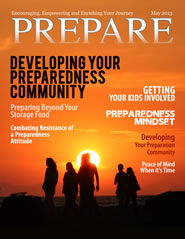
PREPARE Magazine Next issue
We will be releasing our May issue (digital) of PREPARE Magazine next week. If you have subscribed, watch your emails for the download information. This is a beautiful publication with some excellent resources.