A sign for the times. PREPARE. Notice – there is not a warning associated with that. Just prepare. For what? You may ask. For things to be atypical. We would reply. Hopeful but not typical.
We look forward to the days ahead with an actual sense of hope. Even though the hope may not be fixed on the typical status quot that historically it may have been in decades past, it is a sense of hope even of greater depth and satisfaction. The hope of a big bank accounts, luxury cars, stable jobs, a trustworthy representation within government and systems that work may be things of the past – but hope doesn’t have to become dim or grow smaller as we watch the ‘typical’ dim in our rear view mirror. Hope can be very different than what we thought it would be.
This may seem like an odd thing to be putting up on a blog. Especially a blog about preparedness. Isn’t preparedness a synonym for doomsday now days? Sadly it has been made to be connected, however, it is not an accurate assessment of what we prepare for. We prepare for hope. We prepare for sustainability. We prepare for a life more abundant and free through the difficulties rather than because of the circumstances. This is a very different way of looking at a brighter tomorrow.
Circumstantially there are many reasons to lose hope and have our emotions distracted by the negative. Reigning in our thoughts, taking them captive and focusing on what is true, noble, pure, lovely and hopeful can help us to circumvent what may appear to be chaotic circumstances around us.
It is our hope that you will see the sign of our times as a call to hope. A call to prepare with hope. A future that is more community connected, self-sustaining and grounded in depth of character. These are things to hope for. These are things to aspire to. These are just some of the things to share with others in despair. Hope can be a sign for our times.
Speaking of signs – if/when you go to an expo or a gathering or a teaching event – here is a sign to look for and find us:
We are very greatful to BuildASign.com for working with us to create this sign. They were great to work with and use of their site was easy!
In the sea of dooms-dayers, fear-mongers and panic pushers, we hope to stand apart. Our plan was that this banner would help to depict hope not fear. The folks at BuildASign.com helps us create a simple yet clear message. There is no negative connotation in the word “PREPARE” at all. It is an action verb. A call to action. The attitude behind it – is up to you.
Popular Questions
What does A Sign for the Times: PREPARE mean in today's context?
A Sign for the Times: PREPARE emphasizes the importance of readiness without fear. It encourages individuals to prepare for a future that may not align with traditional expectations, fostering a sense of hope instead of despair. This preparation is about building resilience and community connections, focusing on sustainability and abundance rather than the typical markers of success.
How can I prepare with hope as suggested in A Sign for the Times: PREPARE?
Preparing with hope involves shifting your mindset to focus on positive outcomes and community support. Engage in activities that promote self-sufficiency and sustainability, such as gardening or local volunteering. By fostering connections with others and sharing resources, you can create a network of support that thrives even in challenging times.
Why is the concept of preparing often misunderstood in A Sign for the Times: PREPARE?
Many people associate preparing with doomsday scenarios, which can overshadow the true intent of the message. A Sign for the Times: PREPARE seeks to redefine preparation as a proactive and hopeful approach to life’s uncertainties. It encourages individuals to focus on creating a fulfilling and abundant life, rather than succumbing to fear and negativity.
What actions can I take to embody the message of A Sign for the Times: PREPARE?
To embody the message, start by cultivating a positive mindset and focusing on what you can control. Engage in community-building activities, share knowledge, and support local initiatives that promote sustainability. Additionally, practice mindfulness to help navigate chaotic circumstances, allowing you to remain grounded and hopeful.
How does A Sign for the Times: PREPARE relate to community and self-sustainability?
A Sign for the Times: PREPARE highlights the significance of community and self-sustainability as essential components of a hopeful future. By preparing together, communities can build resilience against challenges and foster a sense of belonging. This collective effort not only enhances individual well-being but also strengthens the fabric of society, creating a brighter tomorrow for all.
Summer and early fall are a great time to prepare for eating local, seasonal food. What do you do when the gardens and farms around you stop producing as much food? Old Fashioned Food Preservation is a key to prolonging the harvest into other seasons year round!
You prepare for it by preserving the summer and fall harvest to use throughout the winter months. If you go blueberry picking or are finding a great deal at the local farmers market, freeze some to use in your smoothies and oatmeal throughout the year.
Think about what foods and veggies you use throughout the year that you buy canned. What frozen fruits and vegetables to you end up using when you don’t have good fresh options at the grocery store? These are the things you want to start with.
Summer and early fall are a great time to prepare for eating local, seasonal food. What do you do when the gardens and farms around you stop producing as much food? Think about what foods and veggies you use throughout the year that you buy canned. Grandma cooked mainly from local, seasonal food back in the day and can give you quite a few tips to help you get back to this way of cooking and preserving food.
Talk to farmers and other shoppers at your local farmers market and farms. Do a little research online, or pick up a food preservation book at your local library. Grandma cooked mainly from local, seasonal food back in the day and can give you quite a few tips to help you get back to this way of cooking and preserving food.
From there, start expanding each year. Keep adding a few more things each year and it won’t take you long to eat mainly local seasonal food throughout the year. Keep adding a few more things each year and it won’t take you long to eat mainly local seasonal food throughout the year.
Popular Questions
What is the fastest way to improve Use Old Fashioned Food Preservation to Eat Local, Seasonal Foods without making beginner mistakes?
The fastest way to improve Use Old Fashioned Food Preservation to Eat Local, Seasonal Foods is to simplify the process and control one variable at a time. Start with the most important baseline: define the goal, identify the main failure point, and test one change before making another. Keep short notes so you can connect the outcome to the adjustment you made. This prevents guesswork and helps you build a repeatable method instead of chasing random fixes.
What should you check first when Use Old Fashioned Food Preservation to Eat Local, Seasonal Foods is not working well?
Check the most immediate bottlenecks first: setup errors, missing inputs, bad timing, or inconsistent follow-through. Before buying anything new or changing the whole system, confirm that the basics are being done correctly and consistently. A small diagnostic checklist usually reveals the real problem faster than broad trial and error. Once the weak point is clear, make one correction and watch the result before adjusting anything else.
What common mistakes make Use Old Fashioned Food Preservation to Eat Local, Seasonal Foods harder than it needs to be?
The most common mistakes are changing too many variables at once, skipping the basics, and judging results too quickly. Many people also copy generic advice without adapting it to their exact situation, which leads to weak results and confusion. A better approach is to work from a simple baseline, make measured changes, and give each change enough time to show whether it helped. That makes progress easier to track and repeat.
We are just MOMENTS away from sending the link to for this very important August Issue to all of our subscribers! This issue’s focus is on Alternative Health Care Options.
With Health Care an ever pressing hot topic in the political realm and the budgets of both businesses and families growing slimmer to purchase health insurance – this topic is one we at PREPARE Magazine feel is vital to your Preparedness Journey. Many of you have voiced this concern in our polls – reaching one of the TOP concerns that you feel should be addressed.
While we must tip our hats to all the contributors – please note that this is by no means a complete attempt to address the issue of Alternative Health Care. We want to let you know that this topic will be visited often throughout other issues of PREPARE Magazine.
Whether it is the alternative of using medicinal herbs, specific detail to sanitation, learning what prescriptions can be purchased early or taking preventative measures, we hope this begins to open the doors for more options for you if you are one of the MILLIONS of families trying to figure out what to do about health care in a time of ever changing potentials.
We hope this issue encourages you to seek alternatives and gain new skills to be healthy and prepared for the days ahead!
___
Popular Questions
What can I expect from August's issue focusing on alternative health options?
In August's issue, we delve into various alternative health care options that are becoming increasingly relevant in today's society. With rising health care costs and the need for more accessible solutions, this issue aims to provide insights into medicinal herbs, preventative measures, and early prescription purchases. Our contributors have shared valuable information to help you navigate these options effectively. This is just the beginning of our exploration into alternative health care, which will be revisited in future issues.
How can alternative health options benefit my family's health care decisions?
Alternative health options can empower families to take control of their health care decisions, especially in a time of rising costs and limited insurance coverage. By exploring remedies such as medicinal herbs and preventative health measures, families can find cost-effective ways to maintain their well-being. This August issue highlights practical strategies that can be implemented immediately. We encourage readers to consider these alternatives as part of their overall health care strategy.
Why is alternative health care a pressing topic in August's issue?
Alternative health care is a pressing topic due to the ongoing challenges many families face with traditional health insurance. As budgets tighten, exploring alternative options becomes essential for maintaining health without breaking the bank. This issue addresses the concerns voiced by our readers, making it a timely and relevant discussion. We aim to equip you with knowledge and skills to navigate these challenges effectively.
What skills can I learn from August's issue on alternative health options?
August's issue offers a variety of skills that readers can learn to enhance their health care preparedness. From understanding the use of medicinal herbs to implementing sanitation practices, the content is designed to provide actionable insights. These skills can help you make informed decisions about your health and well-being. We hope to inspire you to seek out alternative methods that fit your family's needs.
How will future issues continue to address alternative health care?
Future issues of PREPARE Magazine will continue to explore alternative health care options, building on the foundation laid in August's issue. We recognize the importance of this topic and will feature ongoing discussions, tips, and expert insights. Our goal is to keep you informed and prepared as health care landscapes evolve. Stay tuned for more valuable content that addresses your concerns and interests.
It is Hurricane season, and people who leave near coastal areas likely already have a Hurricane Emergency Preparedness plan. Local and National Government agencies along with insurance agencies, churches, and other non-profit and human service groups provide great information to help with Hurricane preparedness. If you live in an area that is sometimes affected by hurricanes, one of the most important things you can do to protect your family is to spend some time developing a plan. I know this, because I was ignorant and did not have a good plan in place and had to endure a terrible situation.
In 2004, my family lived in Southwest Florida and survived a direct and devastating encounter with Hurricane Charley. It was an event that changed our lives forever.
Like many people who lived in South Florida, we had basic supplies stored and ready in case we were impacted by a hurricane. We also had a general evacuation plan, but even with all the hurricanes we had encountered over the years we had never been forced or felt it necessary to evacuate. Living in Florida for years we kinda became numb to the warnings. Obviously, that was ignorant and cost us dearly.
As Charlie it made it’s way up the Florida coastline we were not in the projected path but when a sudden and dramatic turn occurred, Charlie now was barreling directly toward us with 150 mile-per-hour winds. It happened quickly and I’ll never forget the local news warnings that said “you do not have time to evacuate” so just do whatever you can to protect your life. That was a warning I hadn’t expected to hear.
Obviously, it was a pretty frantic time for our family. We grabbed the kids, huddled in a hallway, and pulled mattresses over us. As winds began quickly increasing, we could hear that damage was occurring all around us. Debris began to hammer our windows and doors as houses and structures were crushed by the fury of winds.
For several hours we were besieged by Charlie but the difficulty of that day lasted far beyond the brisk winds and heavy rains. In fact, the difficulty of that day still impacts us in profound ways.
I had always somewhat hoped to encounter a hurricane to see what it was like. Many people had talked about hurricane parties and the excitement of living through a hurricane. I was one of those people, and quickly found out how foolish I was when we were fearfully battling through the terrible storm.
The most difficult part of the hurricane came after the main force of Charlie had passed. Once the winds began to calm and we were able to emerge, we realized how fortunate we were to survive. Our roof had shifted (actually raised from the structure), our porch had collapsed, power lines were down all around us, and heavy debris was everywhere.
It was now time to deal with survival without electricity, and water. In sweltering 95 degree heat with no air conditioning, life was going to be rough. We were unable to travel because roads were littered with debris, but also there was no way of getting gas at stations without power.
For one week we battled without utilities, water, and other normal necessities. When gas stations In summary were able to open, people battled lines of traffic in order to fill their tanks and get fuel for generators. Fist fights broke-out because people were angry from their battles with terrible living conditions. National Guard units were called-in to patrol streets and maintain the peace.
The fact is, I thought my family was prepared for a hurricane. Turns out, we were only prepared to survive a minimal impacting storm. We had some food and water, but only for a few days.
Based on our difficult experience, I’d like to share some thoughts to help you better consider your hurricane preparedness plans.
If you live near the coast, you likely have a Hurricane There is nothing anyone can do when nature decides to leash out its fury. There is no way to stop it so people should heed the warnings, brace for the worse and seek shelter.
In order to minimize the loss of life, most towns and cities along coastlines have created emergency plans. Sirens are placed in strategic locations to announce a major evacuation; the emergency broadcast system is in place in the event that power and electricity has been cut off, and many agencies also stockpile food, water and medicine.
Those who live in the coastal communities will usually be battered by hurricanes. This happens between the months of June until November in the Atlantic and from May to November in the northern Pacific Ocean. When this is first spotted on radar, the forecaster will begin to inform the public about it. Obviously, hurricanes are erratic in their behavior, so it’s likely the trajectory path will not be very clear. There is no need to panic when your area is a potential target zone since weather conditions may change in the next few hours. But, begin planning and watch the system closely. If there are no improvements, it is time to activate your emergency procedures.
The hurricane may pack winds exceeding more than a 100 miles per hour which can make cars, pieces of metal, lawn furniture, trees, or wood cause severe damage to the home. It’s a good idea to board-up the windows and doors of the house with hurricane shutters and plywood. If you feel your home is secure enough and intend to stay in your home, you will need to get to the grocery store to stock up on food, water and other essentials. In addition to consumable items, you’ll also want to pick up candles, batteries for the radio and the flashlight, and fuel for the generator.
All of these things are necessary (especially water) to prevent dehydration. Water was the most essential item during our experience with Charley. People had purchased drinking water, but it simply was not enough for their needs. The sweltering heat (without air conditioning) created a far-greater need than most people had planned for. So, you will want to get plenty of water stored. In fact, you may want to fill every possible container (including the bathtub) to make certain you are able to last until utilities are restored.
Another vital item that must not be forgotten is a medical kit. This should have bandages and some antibiotics to be able to treat anyone who is ill or injured until the person can be taken to a medical facility for better treatment. If the hurricane is a devastating high-intensity storm, there may be a massive number of people overwhelming health-care facilities. Having a medical kit on hand for minor emergencies is essential.
Should the incoming hurricane be classified as a category 4 or 5, residents are advised to evacuate and seek higher ground. It will be a good idea to travel light so only a few pieces of clothing, food and water must be brought into the vehicle. It’s a good idea to have a bug-out bag (emergency backpack) always ready for a quick evacuation. In fact, you should pack several identical bags for each member of the family.
If you evacuate, you will want to leave plenty early. There will likely be heavy traffic so it is necessary to drive slowly and avoid panicking. You will not want to cause additional traffic delays by causing an accident.
The hurricane will pass within a few hours and depending on the severity of the damage you may be allowed to return home to assess damage. You’ll want to exercise extreme caution, as there will likely be broken glass or other sharp items that could cause you harm. In addition, snakes and other wild creatures may have been washed onto your property and will not be in a very good mood.
Emergency preparedness is key to properly dealing with a hurricane situation. People who live in a hurricane area typically know what to do, but may be numb to the constant warnings. Take it from a fortunate hurricane survivor and take the time to re-evaluate your hurricane preparedness plan. Also, those who are moving into the community should quickly prepare themselves and learn how to survive the onslaught of a hurricane.
My final suggestion is to rehearse your emergency preparedness plan to see if some improvements need to be made. Go through a quick evacuation plan. Practice procedures for staying in your home. You may also want to go so far as to cut off your electricity, water, and phone service to give you the full experience. This extra effort could save your life.
To those who are Founding Subscribers, we want to first give a heart felt ‘THANK YOU’ for getting on board with your complimentary subscription while we are in our pre-launch phase! While this does take you on the journey of bugs and bumps it also brings you along with us as we improve!
We have a new viewing format that we would like for you to take for a spin and give us your feedback in a comment to this blog post. Here’s a list of some of the things that are now
Customizable Zoom Percentage.
“Real” Page Turning with Mouse-over Corners.
Easier scrolling.
Instant Mobile Viewing using the same link.
Sound (more on that in the video tutorial below).
Easy Print Button for a Page, Selected Article or Whole Issue.
Search & Navigate.
Large Expanding.
Thumbnail Indexing.
Social Sharing with One Click.
First and foremost we want to familiarize you with the new format in this short video tutorial to help you get the most out of the new features, but please continue below this video:
So now here is the link to test out the potentially new viewing format of the September issue of PREPARE Magazine – CLICK -> September Test Issue. Please …go take it for a test drive of your own and please, leave us a comment on this blog to let us know what you think!
Popular Questions
What features can I expect in the new viewing format for PREPARE Magazine?
The new viewing format includes customizable zoom percentages, which allow you to adjust the size of the content to your preference. You can also enjoy a "real" page-turning experience by using mouse-over corners, making it feel more interactive. Additionally, the format offers easier scrolling and instant mobile viewing, ensuring you can access the magazine seamlessly on any device.
How can I provide feedback on the new viewing format?
To share your thoughts on the new viewing format, simply leave a comment on the blog post dedicated to this topic. Your feedback is invaluable as we continue to refine the experience. We encourage you to test the format and let us know what you think about the features and usability.
Is there a tutorial available for the new viewing format?
Yes, there is a short video tutorial designed to familiarize you with the new viewing format. This tutorial will guide you through the various features, helping you maximize your experience. Be sure to watch it before diving into the magazine to get the most out of the new functionalities.
Can I access the new viewing format on my mobile device?
Absolutely! The new viewing format allows for instant mobile viewing using the same link as the desktop version. This means you can enjoy the magazine on the go without any hassle. Just click the link provided in the blog post to test it out on your mobile device.
What should I do if I encounter issues with the new viewing format?
If you experience any bugs or issues while using the new viewing format, please report them in the comments section of the blog post. Your input will help us identify and resolve any problems as we continue to improve the experience. We appreciate your patience and support during this pre-launch phase.
The Magic of Broccoli Dehydration: A Guide to Stretching Your Food Budget
In the world of culinary experimentation, finding a great deal on produce can be a delightful surprise. Recently, I stumbled upon a sale of broccoli, a vegetable often overlooked due to its slightly worn appearance. However, instead of seeing it as past its prime, I saw the potential for something extraordinary. In this article, we will explore the magic of broccoli dehydration and how it can stretch your food dollars while minimizing waste.
Parboiling the Broccoli
To begin the process, I decided to parboil the broccoli. Parboiling involves partially cooking the vegetable in boiling water. It only took a minute of boiling, but be cautious as the broccoli becomes steaming hot afterward. To halt the cooking, I transferred the florets to ice-cold water. As a little flavor enhancement, I added a touch of salt to the boiling water.
Draining and Transforming
Once the broccoli was cooled, it was crucial to drain it well before proceeding. The transformation from a limp bag of veggies to vibrant green delights is truly magical. At this point, half of the batch was used in a fresh, raw recipe.
Why Blanching is Important
You may wonder why I chose to blanch the broccoli. The reason is simple: raw broccoli doesn’t fare well during dehydration. Blanching significantly helps, especially if you plan on using the broccoli in cooked recipes later on. The delicate enzymes in broccoli cannot survive extreme temperatures, so blanching before dehydration is a wise choice.
Mastering the Dehydration Process
Now, let’s talk about the dehydration process itself. I am a stickler for consistency, and to ensure even dryness, it’s essential to spread the broccoli out in a single layer and check on it periodically. Thankfully, I have my trusty Excalibur dehydrator, equipped with a handy quick-reference chart, which makes the entire process a breeze. The ultimate goal is to obtain a moisture-free product suitable for long-term storage.
The Power of Dehydrated Broccoli
The final product, although shrunken in size, packs a powerful punch. These lightweight and easily reconstituted morsels are perfect for a variety of dishes, including casseroles, soups, or even as a quick side dish. While fresh broccoli typically doesn’t last for more than a couple of months, these dehydrated gems can be stored for a longer duration.
The Benefits of Dehydration
All in all, dehydration goes beyond preserving food. It allows for creativity in the kitchen, stretches your food budget, and minimizes waste. By incorporating the magic of broccoli dehydration into your culinary repertoire, you can unlock a world of possibilities.
Summary
In summary, broccoli dehydration is a technique that offers numerous benefits. By parboiling and blanching the broccoli before dehydration, you can ensure the preservation of flavor and enzymes. Mastering the dehydration process guarantees a moisture-free product with an extended shelf life. Dehydrated broccoli is a versatile ingredient that can be used in a variety of dishes. By embracing dehydration, you can be both creative in the kitchen and conscious of your food budget while reducing waste.
**Frequently Asked Questions**
1. **Can I skip the blanching step and dehydrate raw broccoli directly?**
– Blanching broccoli before dehydration is highly recommended. Raw broccoli doesn’t dehydrate well due to its delicate enzymes.
2. **How long can dehydrated broccoli be stored?**
– Dehydrated broccoli can be stored for several months if kept in proper airtight containers or vacuum-sealed bags.
3. **What’s the best way to rehydrate dehydrated broccoli?**
– To rehydrate dehydrated broccoli, simply soak it in hot water for a few minutes or add it directly to soups and stews while cooking.
4. **Can dehydrated broccoli be used in salads?**
– Dehydrated broccoli is not suitable for salads. It is best used in cooked recipes such as casseroles, stir-fries, or soups.
5. **Are there any nutrients lost during the dehydration process?**
– While dehydration can lead to some nutrient loss, dehydrated broccoli still retains a significant amount of its vitamins and minerals compared to other preservation methods.
Find the gaps most families don’t notice until something goes wrong.
Free. Practical. No fear-mongering.
By requesting this resource, you agree to receive practical PREPARE Magazine guides, tools, and email updates. You can unsubscribe anytime. Privacy Policy

 Summer and early fall are a great time to prepare for eating local, seasonal food. What do you do when the gardens and farms around you stop producing as much food? Old Fashioned Food Preservation is a key to prolonging the harvest into other seasons year round!


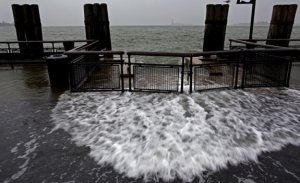 Like many people who lived in South Florida, we had basic supplies stored and ready in case we were impacted by a hurricane. We also had a general evacuation plan, but even with all the hurricanes we had encountered over the years we had never been forced or felt it necessary to evacuate. Living in Florida for years we kinda became numb to the warnings. Obviously, that was ignorant and cost us dearly.