by Prepare Magazine | Apr 5, 2025 | Preparedness planning
 Far too often children become either frightened and bewildered or left out while adult family members plan and prepare in hopes of securing their future. Jake & Miller’s Big Adventure: A Prepper’s Book for Kids not only encourages children to help but also helps the parents and grandparents alike to emphasis the fun and adventure in prepping!
This uplifting story is written from the perspective of both the somewhat nervous dog, Miller and his owner ,Jake. Jake leads the way with Miller happily along the trail as they prepare for a variety of adventures! Their day-dreaming take them far, but that’s okay because this helps them to better plan for what may lie ahead. From bug spray to water, Jake and Miller are prepared for just about everything. And don’t forget that important can opener! Food is on Miller’s mind a lot!
Jake & Miller’s Big Adventure: A Prepper’s Book for Kids is an easy to read book, short enough for elementary school age children to get through, but it’s also the right length to be a great read-a-loud as a bed time or nap time story. With the artwork and kid empowering impact, we feel pretty sure this might even become a great show-and-tell book for school! How cool is that? Your kids can help inspire others!
The author, Bernie Carr (Author of the national best seller: The Prepper’s Pocket Guide: 101 Easy Things You Can Do to Ready Your Home for a Disaster ) spent time in this book focusing on things that kids really would consider if they were to set out on an adventure. And even though Jake & Miller may ‘prepare for the worst’ – Jake’s outlook is always enthusiastic and which aids in calming some of his Miller’s fears.
This book can be a good tool to share your lifestyle with the children you’re blessed to have in it…with out scary gas masks and tension. Isn’t that what we want to do with our children anyway? Calm their fears, equip them to be well prepared and all the while, not forget that there is join in this journey!
CLICK HERE – to listen to a recent radio show that Donna Miller had with the author of this book!
Below is the entry for for this giveaway. This is a very Pinteresting Week for our giveaway so be prepared to copy/paste a bit!
Keep checking back each week for another great book review and giveaway! Or… LIKE us on Facebook and get notices there as a new book comes up to win!
a Rafflecopter giveaway
Full Disclosure: We hope someone from our blog is the winner. However, if you did not win, please consider clicking the links above or shopping through the Amazon links below to buy the book(s). With the minor affiliate income we can continue testing, reviewing, sharing and blogging – and we hope – encouraging YOU. Thanks ever so much!
by Prepare Magazine | Apr 5, 2025 | Blog, Preparedness planning

When you start gathering different essential oils to use for natural health and other purposes, lemon essential oil should be one of the first ones you get. Instead of coming from the plant itself, lemon essential oil is unique in that it is pressed from the peels of the lemon. Here are a few of the many different ways you can use this particular type of essential oil:
Use it For a Disinfectant
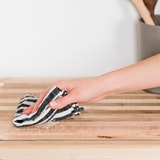
Are you tired of using chemical cleaners and those containing alcohol? If you just want to disinfect areas of your home, like kitchen counter tops or doorknobs, you can do so by making a natural spray with lemon essential oil. Not only does the lemon disinfect areas naturally, but the scent makes it smell much better in your home every time you use it. Fill a spray water with water and add about 20 drops of lemon oil. You can also add some tea tree oil, which provides even more disinfectant power. Spray the areas where you need disinfecting and wipe away.
Improve Your Oral Health
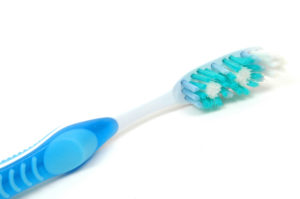
Lemon is also very good for your teeth and gums. While lemon juice directly on your teeth can be too harsh and strip the enamel, there are ways to use the lemon essential oil. For one thing, you can add a few drops to a small cup of water and gargle with it after you have brushed your teeth or between meals. This is going to give you fresh breath and help with halitosis. Another option is to whiten your teeth by mixing baking soda with lemon oil and brushing your teeth with it after your regular tooth brushing routine.
It Improves Your Mood and Gives You Energy
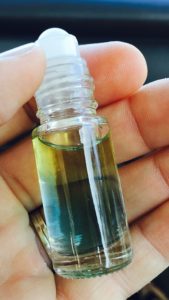
If you aren’t a morning person, but have obligations forcing you to get up early every day, lemon essential oil can be your new best friend. It will improve your mood and make you feel refreshed, which gives you a nice boost of energy in the morning. Try using a diffuser with some essential oil in an area of your home where you spend the most time in the morning, whether it is your kitchen while preparing breakfast for the kids, or your baCategoriesthroom when you are getting ready.
These are just some really simple ways to use lemon essential oil that helps get you ready for the day, improve your oral hygiene, and give yourself a clean house without all the harsh dangerous chemicals.
As you can see, lemon essential oil is a great one to add to your collection. In fact, it’s one of the best ones to start with because these three ideas are only the beginning!


Popular Questions
What are some effective ways to use lemon essential oil for cleaning?
Lemon essential oil can be a powerful natural disinfectant for your home. To create a cleaning spray, mix about 20 drops of lemon oil with water in a spray bottle. This solution can effectively clean surfaces like kitchen countertops and doorknobs, leaving a fresh scent behind. For added disinfectant properties, consider combining it with tea tree oil.
How can lemon essential oil improve oral health?
Using lemon essential oil can enhance your oral hygiene routine. You can add a few drops to a cup of water and use it as a mouthwash after brushing your teeth to help combat bad breath. Additionally, mixing lemon oil with baking soda creates a natural teeth-whitening paste that can be used after your regular brushing. Just be cautious with the concentration to protect your enamel.
Can lemon essential oil help boost my mood in the morning?
Yes, lemon essential oil is known for its uplifting properties that can enhance your mood. Using a diffuser with lemon oil in the morning can create a refreshing atmosphere in your home, helping you feel more energized. Whether it's in the kitchen while preparing breakfast or in the bathroom during your morning routine, the scent can provide a pleasant start to your day.
What are the benefits of using lemon essential oil in a diffuser?
Using lemon essential oil in a diffuser can significantly improve the ambiance of your space. The invigorating scent not only uplifts your mood but also helps to create a clean and refreshing environment. This can be particularly beneficial in the morning, as it prepares you for the day ahead. Additionally, the aroma can help mask unpleasant odors in your home.
by Prepare Magazine | Apr 5, 2025 | Blog, Coming Issue Updates, Preparedness planning
Be on the look out for your next digital issue very soon! In the next issue we focus on Financial Preparedness. As usual, our contributors have offered some stellar advice and tried and true ideas.
 If you have had questions about your digital issue or the link to view it, please direct this issue to Support@PREPAREMag.com
As much as we hope to have communications on the blog and appreciate comments and suggestions – we are not adept to handing specific issues about subscriptions here on the PREPARE Magazine Blog Updates.
You can have your technical, link and viewing questions resolved best through the Support Desk. They will be able to look up your subscription and address your question, whereas, through the blog we do not have that capability.
A couple of things to keep in mind based upon your subscription:
If you are Subscribed to the Free Annual Digital Subscription each issues is viewable in a flash magazine format.
If you are Subscribed to the PREPARE Premium Membership you have the ability to download, print and mobile view each issue (current and archived).
The support desk is there for your service and help, please feel free to direct all questions about your subscription to: Support@PREPAREMag.com so that we may best serve you.
Thank you!
by Prepare Magazine | Apr 5, 2025 | Guest Bloggers, Preparedness planning
It may seem odd that on a preparedness blog we are talking about the Winter Weather Treat of Snow Cream. To be sure, preparedness is our main goal, but making good use of time and resources also applies to living with what life hands you and making the best out of a potentially uncomfortable situation.
When live gives you lemons, make lemonade – when winter gives you an abundance of snow, make snow cream!
As winter weather continues to keep spring at bay, it may seem as if there is nothing to do, especially on those days when new snow drifts keep you inside the house. Here is a fun, old-fashioned and delicious way to beat boredom as well as a unique way to prepare candy.
Making maple snow candy is perhaps most famous from it’s description in the Little House on the Prairie series. Here’s what you’ll need for your own maple snow candy:
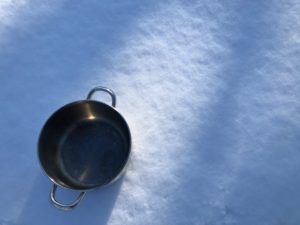
- A large cooking container. I used a soup pot but you can use any bowl or pot large enough to pour your syrup into.
- A medium saucepan for melting the syrup in
- Mixing spoon
- Maple syrup, the darker the syrup the more maple flavor the candy will have.
- Of course, the most important ingredient of all, snow!
First, go outside and find a clean patch of snow. The further away from a city you live the easier this will be. Fill your pot up to the very top and leave it just outside your door. This allows you to work quickly once the syrup is heated but also keeps it from getting too frozen as it would if you put it in the freezer.
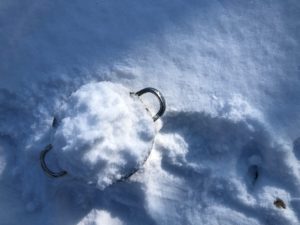
Next, take your maple syrup and pour it into a medium saucepan. Make sure you cover the bottom of your saucepan with syrup. Place the saucepan onto the stove on medium. Stirring constantly, wait until the syrup bubbles and fluffs up to twice its original size, so that it looks more like honeycomb candy than syrup. It should also lighten to a pale brown taffy color.
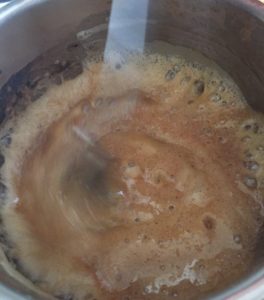
Then, go grab your snow container. Working quickly, pour the syrup on top of the snow. You can make patterns and shapes or just simply drizzle it.
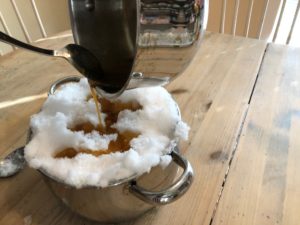
Let it set for about 45 seconds to a minute. At this point the boiling hot syrup will be barely warm to the touch and firm enough to pick up and eat.
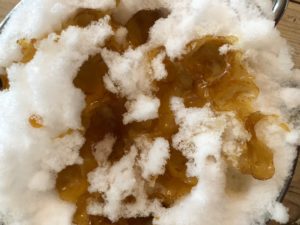
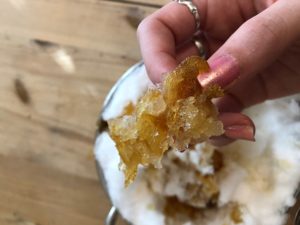
Enjoy the delicious maple candy, which is as much fun to eat as it is to make.
Kathleen-June G. Horne is a survival enthusiast and amateur outdoors-woman. She graduated from Western Kentucky University in 2015 with a degree in business and has written two books, a historical young adult novel entitled “The Sparrow’s Call” and a Christmas devotional, “24 Days of Devotion“. She was homeschooled until college, and used her free time to learn all she could about all the things people used to know. She runs the blog Miniskirts & Margins which is about fashion, her Southern Baptist faith and the adventures she runs into.
Listen to this podcast to get to know Kathleen-June G. Horne a bit better!
Popular Questions
How can I make snow cream during winter?
To make snow cream, start by gathering fresh, clean snow in a large container. Then, mix in ingredients like milk, sugar, and vanilla extract to create a creamy texture. Stir until well combined and enjoy this delightful winter treat right away, as it’s best served fresh. This simple recipe is a fun way to make the most of snowy days!
What ingredients do I need for making maple snow candy?
For maple snow candy, you will need maple syrup and a clean patch of snow. Heat the syrup in a saucepan until it bubbles and thickens, then quickly pour it over the snow to create candy shapes. Let it set for a minute before enjoying this sweet treat. It's a nostalgic way to enjoy winter while being resourceful!
Is snow cream safe to eat?
Yes, snow cream can be safe to eat as long as you use clean, fresh snow and avoid areas that may be contaminated. Make sure to gather snow away from roads and other potential pollutants. By following these precautions, you can enjoy this winter weather treat without worry. Just remember to consume it shortly after making it for the best taste and texture!
What are some variations of snow cream I can try?
You can experiment with different flavors in your snow cream by adding ingredients like cocoa powder, fruit purees, or flavored extracts. For a richer taste, consider using sweetened condensed milk instead of regular milk. These variations can make your snow cream unique and cater to different taste preferences. Enjoy getting creative with this winter treat!

by Prepare Magazine | Apr 5, 2025 | Preparedness planning
For so long, the preparedness journey felt like one of isolation. Either due to paranoia, self-imposed design or the sheer misunderstanding of the journey or embarrassment, imposed isolation or choice – the means don’t matter as much as the fact that it can be a lonely journey…if you let it be.
At one point people who felt the need to prepare thought it was all on them alone to do so. The reality is, no one can be fully prepared, or even mostly prepared while alone or even isolated as a family. There will always be an area in which your immediate circle lacks either a skill, tangible good or ability.
Thankfully, many people are waking up to the need to prepare for an uncertain future. This helps break down the walls and create more opportunity to connect.
Take a moment to browse around this website and see all the avenues by which we at PREPARE Magazine are trying to build cost effective and free bridges to connect with others so that you can be more prepared, but not alone:
We would like to encourage everyone to connect to build those smaller communities that can bolster each other when the going gets tough. After all, most great countries were built upon the foundation of small resilient communities. Times like these show us how important it is to re-fortify that foundation!
Popular Questions
What are effective ways to connect with others while preparing for emergencies?
One effective way to connect with others is by participating in local preparedness groups or community events. These gatherings provide opportunities to share knowledge, skills, and resources with like-minded individuals. Additionally, online forums and social media groups focused on preparedness can help you find others who share your interests and concerns. Engaging in discussions and sharing experiences can foster a sense of community and support.
How can I build a support network for my preparedness journey?
Building a support network starts with reaching out to friends, family, and neighbors who may also be interested in preparedness. Organizing regular meetups or workshops can help everyone learn from each other and develop essential skills together. You can also leverage resources like webinars and online courses to connect with experts and other preparedness enthusiasts. This collaborative approach not only enhances your knowledge but also strengthens community ties.
What role do online resources play in connecting with others for preparedness?
Online resources, such as webinars and community forums, play a crucial role in connecting individuals interested in preparedness. They offer platforms for sharing information, asking questions, and learning from others' experiences. By participating in these online spaces, you can expand your network and gain insights into various preparedness strategies. This virtual connection can lead to real-world collaborations and friendships.
How can I encourage my family to connect with others in our preparedness efforts?
Encouraging your family to connect with others can start with involving them in community events or preparedness classes. Discuss the importance of teamwork and shared knowledge in enhancing your family's readiness for emergencies. You can also create family projects that involve reaching out to neighbors or joining local preparedness groups. This not only builds skills but also fosters a sense of belonging and support within your community.
by Prepare Magazine | Apr 5, 2025 | Preparedness planning
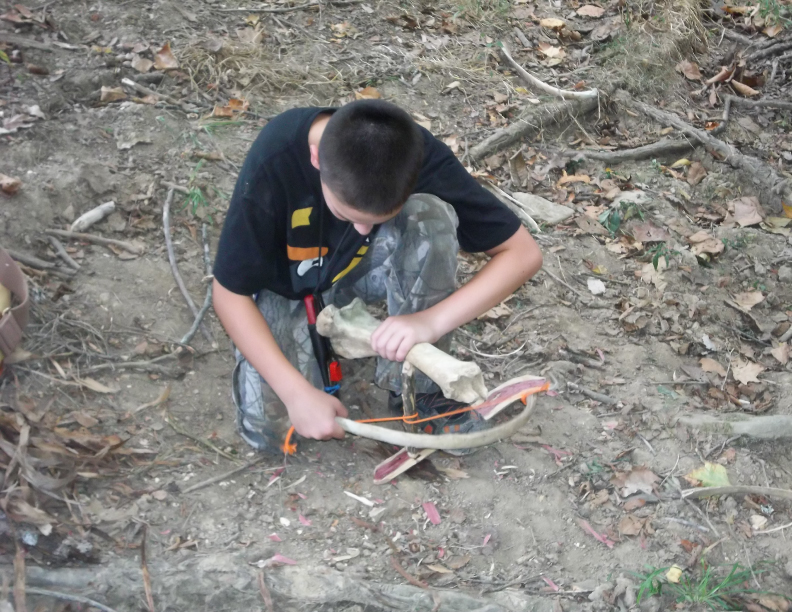
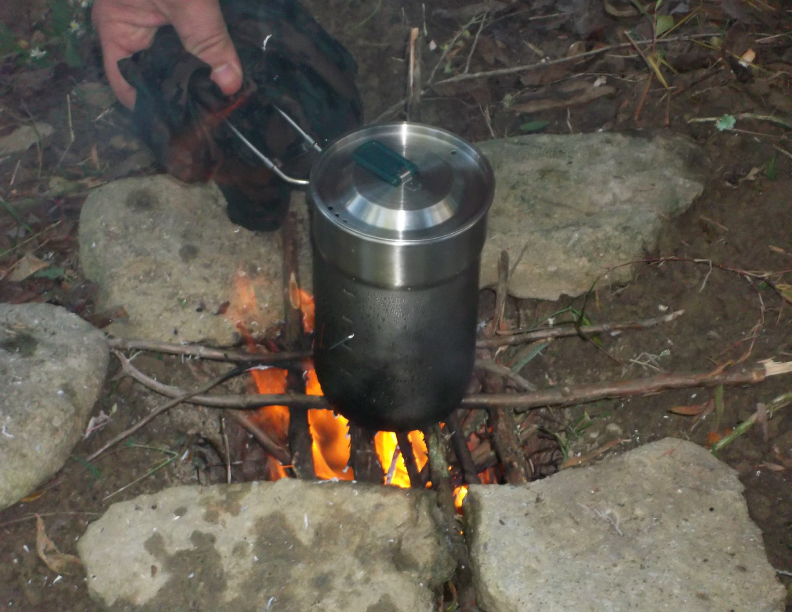
Top 10 Bushcraft Skills you need to Survive!
Did you miss it? Do not despair!
The last LIVE webinar link is ready for Premium Members to view:
Visit HERE: RECORDED WEBINAR: Top 10 Bushcraft Skills
Just log-in, go to the link above and view it! Also the hand out is available to download. Below are just a couple of the slides you’ll see in the webinar. There’s a LOT to learn here! Enjoy…

 Far too often children become either frightened and bewildered or left out while adult family members plan and prepare in hopes of securing their future. Jake & Miller’s Big Adventure: A Prepper’s Book for Kids not only encourages children to help but also helps the parents and grandparents alike to emphasis the fun and adventure in prepping!