Understanding how to ensure adequate fuel supplies for emergencies begins with a thorough assessment of your fuel needs. This assessment should consider the types of emergencies you may face, such as natural disasters, prolonged power outages, or civil unrest. Each scenario may require different amounts of fuel for various uses, including transportation, heating, and cooking.
For example, if you live in a region prone to hurricanes, you may need to stockpile fuel for generators and vehicles. On the other hand, if you are preparing for a winter storm, you might prioritize heating fuel. Establishing a clear understanding of your specific needs allows for better planning and resource allocation.
Safe Fuel Storage Practices
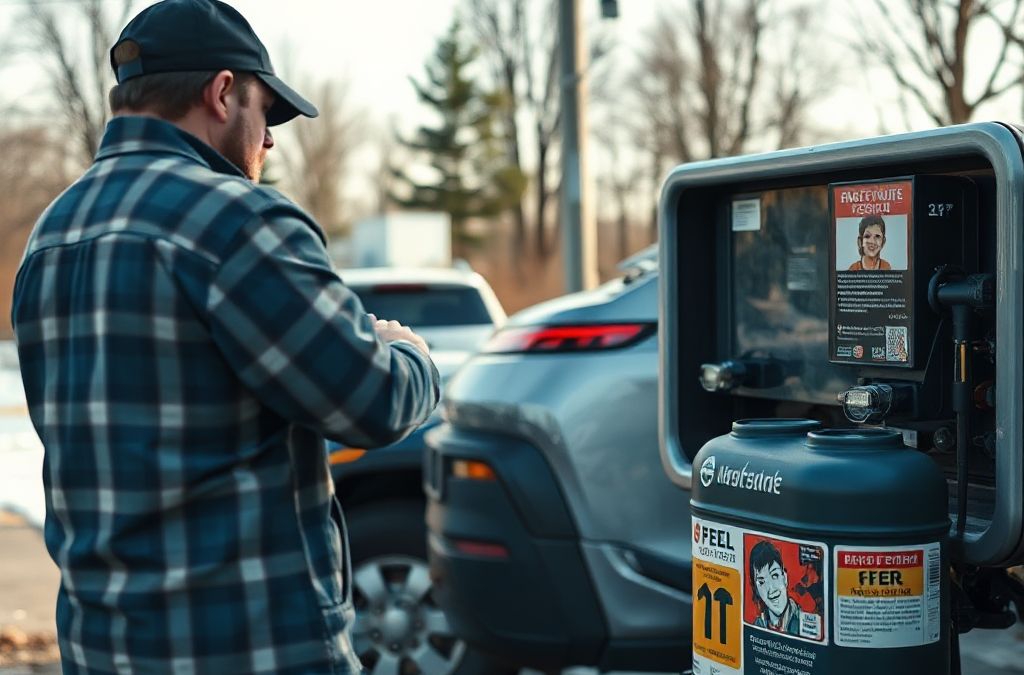
Safe storage of fuel is critical to preventing accidents and ensuring that your supplies remain viable during emergencies. Fuel should be stored in approved containers that meet safety regulations to prevent leaks and spills. Always keep fuel in a cool, dry location, away from direct sunlight and sources of heat.
When storing gasoline, it is essential to use containers specifically designed for that purpose. These containers should be labeled and kept out of reach of children and pets. Additionally, consider stabilizing fuel with additives to extend its shelf life, especially if it will be stored for several months.
Developing Fuel Sourcing Strategies
Establishing a reliable sourcing plan is crucial for ensuring access to fuel during emergencies. This plan should include multiple sources of fuel, such as local gas stations, bulk fuel suppliers, or even community co-ops. Investigating alternative fuel options, like propane or biodiesel, can also provide additional flexibility.
Engaging with local suppliers and understanding their delivery schedules can help you anticipate shortages during crises. Building relationships with these suppliers can also lead to priority service during emergencies, ensuring that your fuel needs are met when it matters most.
Managing Your Fuel Inventory
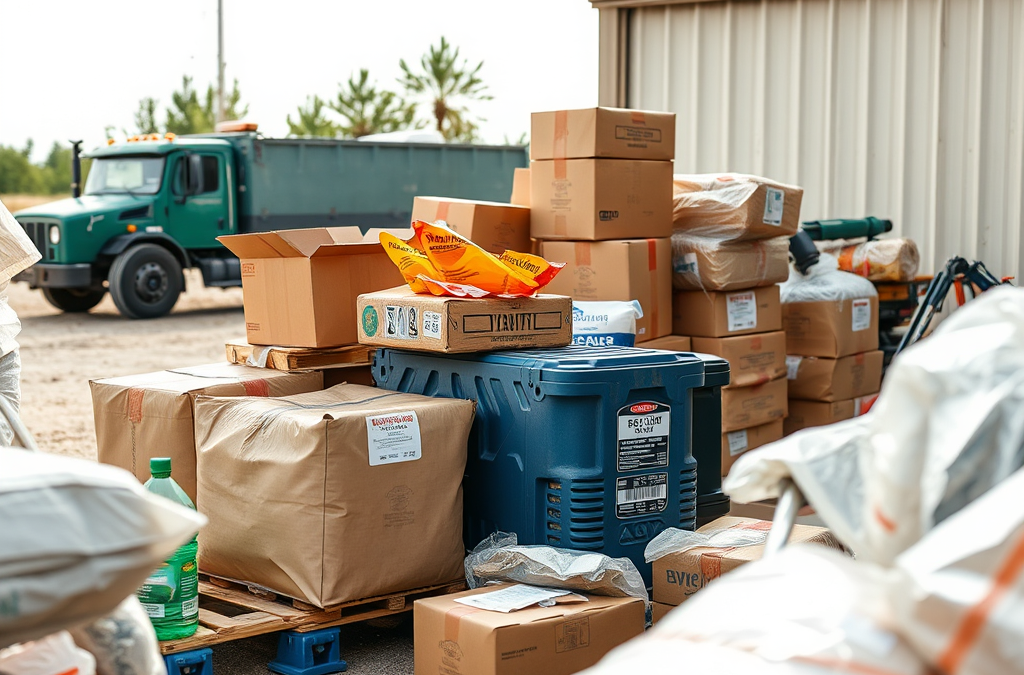
Effective inventory management is essential for maintaining adequate fuel supplies. Implement a tracking system to monitor fuel levels, usage rates, and expiration dates. Regularly check your inventory and rotate older fuel supplies to ensure they are used before expiration.
Utilizing technology, such as fuel management software or apps, can streamline this process. This technology can alert you when fuel levels are low, allowing for timely refueling before an emergency occurs. Additionally, keeping a detailed log of fuel purchases and usage can help you identify trends and adjust your storage practices accordingly.
Common Mistakes to Avoid
Many individuals make critical mistakes when preparing their fuel supplies. One common error is underestimating fuel needs, which can lead to shortages during emergencies. It’s essential to overestimate slightly to account for unexpected situations.
Another mistake is failing to maintain fuel supplies properly. Neglecting safety measures, such as improper storage or ignoring expiration dates, can render your fuel unusable. Lastly, not having a contingency plan for fuel sourcing can leave you vulnerable in crises.
Further Reading
Authoritative Sources
Emergency Fuel Supply Guidelines ready.gov
This source provides comprehensive guidelines on how to prepare for fuel shortages during emergencies
National Fire Protection Association nfpa.org
Learn about safe storage practices and regulations for fuel to prevent accidents and hazards
Creating effective emergency drills starts with establishing clear objectives. This involves defining what specific skills or actions you want participants to practice during the drill. Objectives could range from improving evacuation times to ensuring proper use of emergency equipment. Clear goals help participants focus on critical tasks and measure their performance against predefined standards.
For instance, if the objective is to improve evacuation speed, time the drill and set a benchmark for participants to achieve. This clarity not only aids in measuring success but also fosters a sense of purpose among participants, making the drill more impactful.
Common mistakes include having vague or overly broad objectives, which can lead to confusion and lack of engagement. Always ensure that objectives are SMART: Specific, Measurable, Achievable, Relevant, and Time-bound.
Create Realistic Scenarios
Realistic scenarios are crucial for effective emergency drills. They should mimic possible situations that could occur in real life, allowing participants to practice their responses in a controlled environment. Scenarios can include natural disasters, fires, or active shooter situations, depending on the context of the drill.
To create effective scenarios, consider the environment and potential threats specific to your location. For example, if you are in a coastal area, a tsunami evacuation drill may be relevant. Additionally, incorporate unexpected elements to challenge participants, such as simulated injuries or communication failures.
A common pitfall is underestimating the complexity of real emergencies. Ensure that scenarios are comprehensive enough to test participants’ decision-making and problem-solving skills. This not only aids in their preparedness but also builds confidence in their ability to handle real emergencies.
Engage All Participants
Effective emergency drills require the engagement of all participants. This means ensuring that everyone understands their roles and responsibilities during the drill. Engaging participants fosters teamwork and enhances overall effectiveness.
To engage participants, provide them with pre-drill training that outlines procedures and expectations. Involve them in planning stages where feasible, as this can increase buy-in and commitment. During the drill, encourage active participation, allowing individuals to practice their roles rather than passively observing.
One common mistake is failing to involve all relevant stakeholders, which can result in disjointed responses during an actual emergency. Ensure that everyone from leadership to support staff is included in drills to promote a unified approach.
Conduct Thorough Debriefing
After completing an emergency drill, conducting a thorough debriefing is essential. This step allows participants to reflect on their experiences, discuss what went well, and identify areas for improvement. Debriefing should be structured and focused, encouraging open communication and feedback.
During the debrief, ask participants to share their thoughts on the drill’s effectiveness and any challenges they faced. This feedback is invaluable for refining future drills and enhancing overall preparedness. Consider documenting insights and action items to track improvements over time.
A common failure is neglecting to follow up on feedback from debriefing sessions, which can lead to repeated mistakes in future drills. Make it a priority to address identified issues and incorporate lessons learned into subsequent training sessions.
Frequently Asked Questions
How often should emergency drills be conducted?
Emergency drills should ideally be conducted at least twice a year to keep skills fresh and ensure readiness.
What should be included in a debrief after a drill?
A debrief should include a review of objectives, participant feedback, areas of success, and points for improvement.
How can I ensure participant engagement during drills?
Engage participants by involving them in planning, providing pre-drill training, and encouraging active participation during the drill.
What types of scenarios should be practiced?
Scenarios should be realistic and relevant to potential emergencies in your area, such as fires, natural disasters, or security threats.
What is the importance of setting objectives for drills?
Setting objectives helps focus the drill, measure success, and ensure that participants understand their roles and expectations.
Further Reading
For additional resources on emergency preparedness and effective drills, consider consulting official guidelines from organizations like the Federal Emergency Management Agency (FEMA) or the National Fire Protection Association (NFPA).
Authoritative Sources
Ready.gov Emergency Planning ready.gov
This resource provides comprehensive guidelines on how to prepare for emergencies including planning and conducting drills
FEMA: Emergency Management fema.gov
FEMA offers extensive information on emergency management and preparedness training
National Fire Protection Association nfpa.org
Nfpa.org provides resources and best practices for fire safety and emergency drills
Conclusion
Effective emergency drills are crucial for preparedness and can significantly enhance response capabilities during real crises. By establishing clear objectives, creating realistic scenarios, engaging all participants, and conducting thorough debriefs, organizations can build a robust emergency response framework. Prioritize these steps to ensure that everyone involved is ready to act swiftly and effectively in the face of an emergency.
Civil unrest can arise from various factors including political, social, and economic grievances. Recognizing the underlying causes is essential for effective preparation. Key triggers often include systemic inequality, government actions, or economic downturns, which can lead to protests or riots. Understanding these dynamics helps individuals and communities anticipate potential unrest and respond appropriately.
For instance, during significant political events or elections, the likelihood of unrest typically increases. Communities should assess their local context, identifying historical patterns of unrest and the specific issues that may lead to future incidents. By being aware of these dynamics, individuals can better prepare themselves and their neighborhoods for unexpected situations.
Developing a Community Response Plan
A robust community response plan is critical in mitigating the impact of civil unrest. This plan should outline clear roles and responsibilities, communication strategies, and evacuation routes. Engaging community members in the planning process fosters a sense of ownership and collaboration, which is vital during crises.
Start by forming a community task force that includes local leaders, law enforcement, and residents. This group can conduct risk assessments and develop strategies tailored to local needs. For example, they can identify safe gathering places for residents during unrest and establish lines of communication to keep everyone informed. Regular drills and meetings will help ensure readiness and adaptability.
Emergency Supplies and Resources
Having the right emergency supplies on hand can significantly enhance safety during civil unrest. Essential items include food, water, first aid kits, flashlights, batteries, and communication devices. It’s advisable to prepare a go-bag that can be quickly accessed in case of sudden unrest.
Additionally, communities should consider creating resource-sharing networks to support each other during crises. This could involve pooling supplies or sharing information about safe areas and available assistance. For instance, neighborhoods can establish a local hub where residents can access resources or assistance during times of unrest.
Staying Informed and Connected
Staying informed is crucial in preparing for unexpected civil unrest scenarios. Residents should monitor local news, follow updates from community leaders, and engage with social media platforms that provide real-time information. Establishing a network of communication among neighbors can facilitate quick sharing of information and resources.
Consider utilizing group messaging apps or community bulletin boards to disseminate important updates and safety information. Regular community meetings can also provide opportunities for residents to discuss concerns and share insights, which fosters a sense of unity and preparedness.
Frequently Asked Questions
What should I include in my emergency go-bag?
Your emergency go-bag should include water, non-perishable food, a flashlight, batteries, a first aid kit, important documents, and a communication device.
How can I stay informed during civil unrest?
Monitor local news, follow social media updates, and engage with community groups for real-time information about ongoing situations.
Why is community engagement important in preparedness?
Community engagement fosters collaboration, ensuring that residents are informed, prepared, and can support each other during crises.
What are common mistakes in preparing for civil unrest?
Common mistakes include underestimating the risk, failing to communicate with neighbors, and not having adequate emergency supplies ready.
How often should I review my emergency plan?
Your emergency plan should be reviewed and updated regularly, especially after significant events or changes in the community.
Further Reading
Authoritative Sources
Ready.gov ready.gov
This site offers comprehensive resources for emergency preparedness, including guidance on how to prepare for civil unrest
FEMA fema.gov
FEMA provides resources and tools for developing emergency response plans and understanding community resilience
American Red Cross redcross.org
The Red Cross offers valuable information on emergency supplies and preparedness training
Conclusion
Preparing for unexpected civil unrest scenarios requires a proactive approach that includes understanding the dynamics of unrest, developing a community response plan, gathering emergency supplies, and maintaining strong communication networks. By prioritizing these areas, individuals and communities can enhance their safety and resilience during times of crisis. Engaging with local resources and staying informed will ensure that you are ready to respond effectively when unrest occurs.
Establishing a comprehensive emergency plan is crucial for keeping pets safe during disasters. This plan should outline where to go, how to evacuate, and what to do in various emergency scenarios. Begin by identifying safe locations such as pet-friendly shelters or hotels. Make sure to familiarize your pets with these places to reduce their anxiety during an actual emergency.
Your plan should include a communication strategy. Designate a friend or family member who can assist if you cannot reach your pets or evacuate with them. Share your pet’s details and your plan with this person. Additionally, practice your emergency plan regularly to ensure that all family members, including pets, are prepared for various situations.
One common mistake is failing to include pets in family emergency drills. This oversight can lead to confusion and panic during real emergencies. Regularly practice your evacuation procedures with your pets to ensure everyone knows their roles and where to go.
Preparing a Pet Evacuation Kit
A well-stocked pet evacuation kit is essential for ensuring your pet’s safety during disasters. Start by gathering necessary supplies such as food, water, medications, and first aid items. Include at least a week’s worth of food and water to ensure your pet’s needs are met during an emergency.
In addition to food and water, pack a leash, collar, and ID tags for your pet. These items are crucial for keeping your pet secure and easily identifiable. Consider including comfort items such as toys or blankets to help soothe your pet during stressful situations.
One key aspect often overlooked is keeping your pet’s vaccination records and critical documents in the kit. These documents can be vital for boarding or vet visits during emergencies. Ensure that your evacuation kit is easily accessible and that all family members know its location.
Microchipping and Identification
Microchipping your pets is one of the most effective ways to ensure their safe return if they become lost during a disaster. A microchip is a small device implanted under your pet’s skin that contains identification information. This technology significantly increases the chances of reuniting with your pet if they get separated.
In addition to microchipping, ensure that your pets wear collars with ID tags that include your contact information. Regularly check that the information on these tags is up to date, especially if you move or change phone numbers.
While microchipping is a reliable method, it’s crucial to remember that not all shelters or veterinary offices have the capability to scan for chips. Therefore, having visible identification is necessary. Combining both methods provides the best chance of reuniting with your pet after a disaster.
Safe Housing and Shelter Options
In the event of a disaster, finding safe housing for your pets is vital. Research local shelters and hotels that allow pets in advance. Many communities have resources to assist pet owners during emergencies, including pet-friendly evacuation routes and shelters.
When looking for shelter, consider the environment and how it will affect your pet. For example, some animals may be sensitive to loud noises or crowded spaces, which can increase their anxiety. If possible, choose quieter shelters or accommodations where your pets will feel more secure.
It’s also essential to have a backup plan in case your primary shelter option is unavailable. Identify multiple locations and ensure they are all pet-friendly. Communicate these options to your family, so everyone knows where to go in an emergency.
Common Mistakes to Avoid
While preparing for disasters, many pet owners make critical mistakes that can jeopardize their pets’ safety. One common error is underestimating the importance of planning. Many assume they can handle emergencies on the fly, which can lead to chaos and confusion when time is of the essence.
Another mistake is neglecting to practice evacuation drills with pets. Just as humans need to understand the plan, pets must also be familiar with the process to minimize panic. Regular drills help pets become accustomed to the routine, making it easier for everyone during real emergencies.
Ultimately, failing to update identification tags and microchip information can lead to separation during disasters. Regularly check and update contact information to ensure a swift reunion with your pet.
Frequently Asked Questions
What should I include in a pet evacuation kit?
Your pet evacuation kit should include food, water, medications, a leash, collar, ID tags, first aid supplies, and comfort items like toys or blankets.
How can I ensure my pet is safe during a disaster?
Create an emergency plan, prepare an evacuation kit, and microchip your pet to increase the chances of a safe reunion if separated.
Why is microchipping important for pets?
Microchipping provides a reliable method for identifying pets, increasing the likelihood of reuniting with them if they become lost during a disaster.
What common mistakes do pet owners make during emergencies?
Common mistakes include failing to plan ahead, not practicing evacuation drills, and neglecting to update identification information for pets.
How can I find pet-friendly shelters during a disaster?
Research local resources, such as community websites, or contact animal control for information on pet-friendly shelters and evacuation routes.
Further Reading
Authoritative Sources
Ready.gov Preparedness Guidance ready.gov
Federal preparedness guidance for household planning, alerts, supplies, and emergencies
American Red Cross Emergency Preparedness redcross.org
Emergency preparedness resources for families, disasters, and practical safety planning
FEMA Preparedness Resources fema.gov
National preparedness resources for planning, mitigation, and response readiness
Conclusion
Prioritizing your pet’s safety during disasters requires careful planning and preparation. Start by creating a comprehensive emergency plan that includes evacuation routes and safe shelters. Assemble a pet evacuation kit with essential supplies and ensure your pets are microchipped and have proper identification. Regularly practice your emergency procedures to minimize panic and confusion. By taking these steps, you can significantly enhance your pet’s safety and well-being during any disaster.
Effective management of supplies during extended crises is crucial for survival and resilience. Without adequate supplies, individuals and communities may face dire consequences, including food scarcity, health risks, and inability to respond to emergencies. The importance of having a well-organized supply system cannot be overstated, as it directly impacts the ability to cope with prolonged disruptions.
During crises, the unpredictability of supply chains can lead to shortages and inflated prices. Understanding the importance of supply management means recognizing that proactive measures can mitigate these risks. A solid supply management strategy allows individuals to maintain access to essential resources, ensuring that they can sustain themselves and their families during challenging times.
Assessing Your Current Inventory
Before you can effectively manage supplies, a thorough assessment of your current inventory is essential. Begin by taking stock of all available resources, including food, water, medical supplies, and any other critical items. This assessment helps identify gaps in your supplies and informs future purchasing decisions.
To conduct an effective inventory assessment, categorize items based on their type and usage frequency. For example, group food items into non-perishables, perishables, and essentials. This categorization allows for better tracking and prioritization. Pay particular attention to expiration dates, as expired items can lead to waste and health risks.
One common mistake is underestimating the quantity needed for an extended period. Always consider the number of individuals relying on these supplies and factor in potential emergencies that may disrupt access to additional resources.
Creating a Sustainable Supply Plan
Once you have assessed your current inventory, the next step is to create a sustainable supply plan. This plan should outline how to acquire, maintain, and utilize supplies effectively over an extended period. Start by determining which items are essential for survival and prioritize them in your planning.
Consider factors such as shelf life, storage requirements, and availability. For example, canned goods and dried foods have long shelf lives and can be stored easily. In contrast, fresh produce requires more immediate consumption and careful management.
Your supply plan should also account for potential shortages and price fluctuations. Establish relationships with local suppliers and consider diversifying sources to reduce dependency on a single provider. This approach can help ensure you have access to necessary supplies even during disruptions in the supply chain.
Implementing Inventory Rotation Systems
Implementing an inventory rotation system is crucial for maintaining the quality and usability of supplies. This system ensures that older items are used before newer ones, reducing waste and maximizing the effectiveness of your supply management strategy. One effective method is the First In, First Out (FIFO) approach, where the first items added to your inventory are the first to be used.
To implement FIFO, organize your storage space so that older items are easily accessible. Label containers with expiration dates to facilitate monitoring. Regularly check your inventory for items nearing their expiration dates and plan meals or uses around these items to prevent waste.
Additionally, consider keeping a log of your supplies to track usage patterns and identify any items that may need replenishing. This proactive approach helps maintain a balanced inventory and ensures you are always prepared for unexpected situations.
Frequently Asked Questions
What types of supplies should I prioritize during a crisis?
Prioritize non-perishable food, clean water, medical supplies, and personal hygiene products, as these are essential for survival.
How often should I check my supplies?
Check your supplies at least quarterly, or more frequently if you anticipate potential emergencies, to ensure everything is up to date and usable.
What is the best way to store supplies long-term?
Store supplies in a cool, dry place away from direct sunlight, using airtight containers for food items to prevent spoilage.
How can I ensure my supplies do not expire?
Implement a FIFO system, regularly monitor expiration dates, and plan meals around items nearing their expiration to minimize waste.
What should I do if I run out of essential supplies?
If you run out of essential supplies, assess local resources, consider bartering with neighbors, and reach out to community support networks for assistance.
Further Reading
Authoritative Sources
Library of Congress Research Guides guides.loc.gov
Research guides that help readers locate reliable background sources on a wide range of subjects
USA.gov Official Information and Services usa.gov
Official U.S. government information and public resources for practical reference
Google Scholar scholar.google.com
Academic search resource for finding research literature and source material
Conclusion
Managing supplies during extended crises requires proactive planning, thorough assessment, and effective inventory practices. Prioritize essential resources, regularly assess your inventory, and implement sustainable supply strategies to ensure preparedness. By taking these steps, you can mitigate risks and ensure that you and your loved ones are well-equipped to navigate challenging situations.
Understanding the Importance of Effective Communication
Effective communication during a disaster is essential for coordinating response efforts, ensuring public safety, and minimizing chaos. Without a solid communication plan, organizations can face significant challenges, including misinformation, panic, and inefficient resource allocation. The key to effective disaster communication lies in understanding its role in both the preparation phase and the response phase. A well-structured communication plan not only disseminates information but also builds trust and credibility among stakeholders.
One common mistake is underestimating the complexity of communication needs during a disaster. Different stakeholders, including first responders, government agencies, and the public, require tailored messaging based on their specific roles and concerns. Failing to address these varied needs can lead to a breakdown in communication, resulting in confusion and delayed responses.
Inadequate Stakeholder Engagement
One of the most critical pitfalls in disaster communication plans is the failure to engage stakeholders adequately. Stakeholders include not just emergency responders but also local organizations, community leaders, and the public. When stakeholders are not involved in the planning process, the resulting communication strategies may not address their needs or concerns effectively.
For example, if a community’s communication plan does not consider the linguistic diversity of its population, critical information may not reach all residents. Engaging stakeholders in the planning stages allows for feedback and input that can shape a more effective communication strategy. This collaboration fosters a sense of ownership and commitment to the plan, which can enhance its execution during an actual disaster.
To avoid this pitfall, organizations should establish a stakeholder engagement process that includes regular meetings, surveys, and feedback mechanisms. This ongoing dialogue ensures that the communication plan remains relevant and effective in addressing the needs of all parties involved.
Unclear or Conflicting Messaging
Another significant pitfall is the issuance of unclear or conflicting messages. During a disaster, timely and accurate information is paramount. However, if messages are ambiguous or contradictory, it can lead to confusion, panic, and a lack of trust in the information being provided.
For instance, if one agency communicates a specific evacuation route while another agency suggests a different path, residents may become unsure of where to go, potentially putting their safety at risk. To mitigate this risk, communication plans should establish clear protocols for message development and dissemination. This includes designating a single point of contact for information and ensuring that all messages are vetted for clarity and consistency.
Additionally, organizations should prioritize training for personnel involved in communication efforts. This training can help ensure that all team members understand the importance of coherent messaging and are equipped to convey information effectively during a crisis.
Overreliance on a Single Communication Channel
Overreliance on a single communication channel can severely limit the effectiveness of a disaster communication plan. While social media, for example, has become a popular tool for disseminating information quickly, not all community members may have access to or trust these platforms. Relying solely on one channel can leave significant gaps in outreach and information sharing.
A comprehensive communication plan should leverage multiple channels, including traditional media (TV, radio), community meetings, text alerts, and social media. By diversifying communication methods, organizations can reach a broader audience and ensure that critical information is accessible to everyone, regardless of their technological capabilities or preferences.
Moreover, organizations should regularly assess the effectiveness of their communication channels. This evaluation can help identify which channels are most effective for reaching different segments of the population and allow for adjustments as needed.
Frequently Asked Questions
What are the main components of a disaster communication plan?
A disaster communication plan typically includes stakeholder engagement strategies, clear messaging protocols, and multiple communication channels to ensure effective outreach.
How can organizations improve stakeholder engagement?
Organizations can improve stakeholder engagement by involving diverse community members in the planning process and establishing regular communication channels for feedback.
What are the risks of unclear messaging during a disaster?
Unclear messaging can lead to confusion, panic, and a lack of trust among the public, ultimately hindering effective disaster response.
Why is it important to use multiple communication channels?
Using multiple communication channels ensures that critical information reaches a broader audience, accommodating different preferences and access levels among community members.
How often should organizations review their communication plans?
Organizations should review their communication plans regularly, ideally at least once a year, to ensure they remain relevant and effective in addressing current needs.
Further Reading
Authoritative Sources
Ready.gov: Communication Plans ready.gov
This resource outlines best practices for creating effective communication plans in emergency situations
FEMA: Emergency Management fema.gov
FEMA provides comprehensive guidance on disaster preparedness and response, including communication strategies
American Red Cross: Preparedness Resources redcross.org
The American Red Cross offers resources and tools for effective disaster communication and community engagement
Conclusion
Addressing common pitfalls in disaster communication plans is essential for ensuring effective responses during emergencies. By prioritizing stakeholder engagement, clarifying messaging, and utilizing multiple communication channels, organizations can enhance their communication strategies significantly. Regularly reviewing and updating these plans further ensures that they remain effective and relevant, ultimately improving public safety and trust during disasters.
Find the gaps most families don’t notice until something goes wrong.
Free. Practical. No fear-mongering.
By requesting this resource, you agree to receive practical PREPARE Magazine guides, tools, and email updates. You can unsubscribe anytime. Privacy Policy