
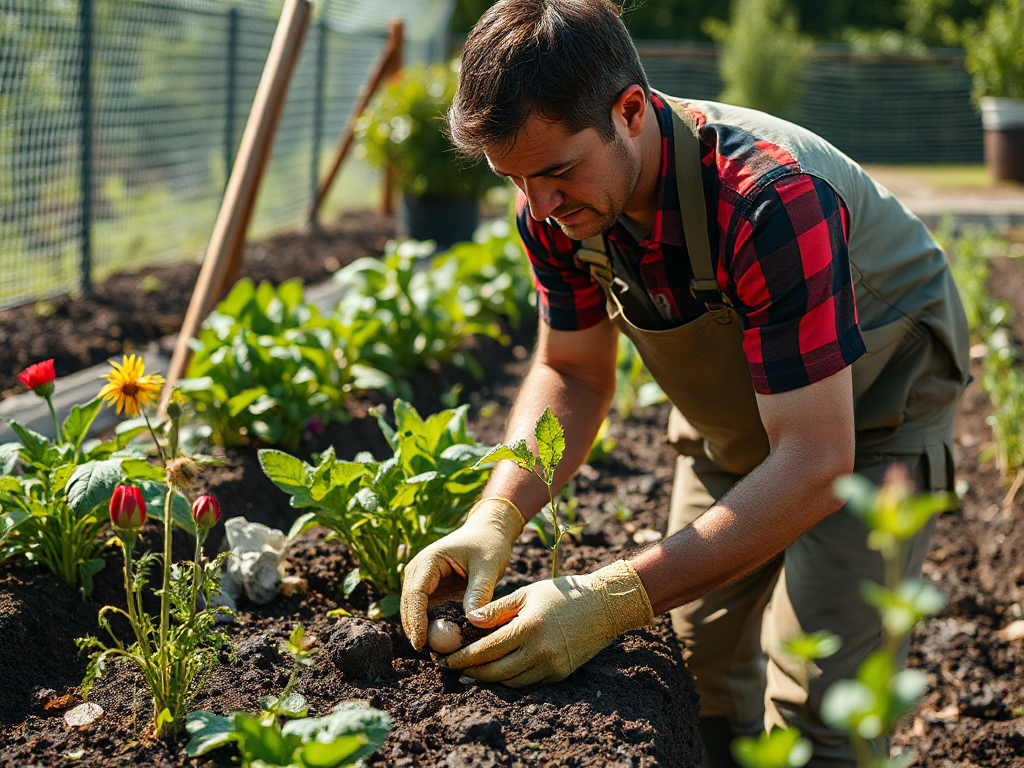
To adapt gardening practices for survival, focus on resilient crops, efficient water management, and soil health. Prioritize planting drought-resistant varieties and utilizing permaculture techniques to create a sustainable ecosystem. Understanding local climate conditions and employing companion planting can enhance yields while reducing pest issues. This strategic approach not only secures food sources but also builds long-term resilience in challenging environments.
Understanding Resilient Crop Selection
Choosing the right crops is crucial for adapting gardening practices for survival. Resilient crops are those that can withstand adverse conditions, such as drought, pests, and diseases. By selecting varieties that are known for their hardiness, gardeners can ensure a more reliable food source. For instance, crops like quinoa, amaranth, and certain heirloom tomatoes are known for their resilience and nutritional value.
Understanding the local climate and soil conditions is essential in making these selections. For example, in arid regions, drought-resistant plants like succulents or native grasses can thrive where traditional crops might fail. Additionally, incorporating a diverse range of plants can help mitigate the risks associated with monoculture, where a single crop type is grown extensively.
One common mistake gardeners make is underestimating the importance of crop diversity. By planting a variety of species, you can create a more robust ecosystem that supports beneficial insects and minimizes pest outbreaks. This approach not only enhances food security but also promotes ecological balance.
Efficient Water Management Techniques
Water management is a critical aspect of sustainable gardening, especially in survival scenarios. Implementing efficient irrigation techniques can conserve water and ensure that plants receive adequate moisture. Techniques such as drip irrigation, rainwater harvesting, and mulching can significantly reduce water waste.
Drip irrigation delivers water directly to the plant roots, minimizing evaporation and runoff. This method is particularly effective in dry climates where water conservation is paramount. Additionally, rainwater harvesting systems can collect and store rainwater for use during dry spells, providing a sustainable water source.
Mulching around plants can help retain soil moisture, reduce weeds, and improve soil health by adding organic matter as it breaks down. However, be cautious with the type of mulch used, as some materials can attract pests or harbor diseases. Regularly checking moisture levels in the soil can help determine when to water, preventing over or under-watering.
Enhancing Soil Health for Sustainability
Soil health is fundamental to successful gardening practices, especially in survival situations. Healthy soil supports plant growth, improves water retention, and enhances nutrient availability. Techniques such as composting, crop rotation, and cover cropping can significantly boost soil health.
Composting organic waste not only reduces landfill contributions but also enriches soil with vital nutrients. Crop rotation helps prevent soil depletion by alternating the types of crops grown, allowing different nutrients to be replenished naturally. Cover cropping, where non-harvested plants are grown during off-seasons, can prevent erosion and improve soil structure.
A common misconception is that soil health can be solely improved through chemical fertilizers. While these can provide quick fixes, they often lead to long-term soil degradation. Building soil health through organic practices is a more sustainable approach, particularly in survival gardening, where resilience and sustainability are key.
Utilizing Companion Planting Strategies
Companion planting involves growing different plants in proximity for mutual benefits, such as pest control, pollination, and nutrient enhancement. This strategy can be particularly useful in survival gardening, where maximizing space and resources is vital.
For instance, planting basil alongside tomatoes can enhance flavor and deter pests. Similarly, the “Three Sisters” method, which combines corn, beans, and squash, utilizes vertical space and creates a symbiotic relationship where each plant supports the others’ growth.
One pitfall to avoid is overcrowding plants, which can lead to competition for resources and increased susceptibility to disease. Proper spacing and planning are essential to make the most of companion planting benefits. Understanding the specific needs of each plant can help create a thriving garden ecosystem that enhances productivity.
Frequently Asked Questions
What are the best crops for survival gardening?
Best crops include resilient varieties like quinoa, sweet potatoes, and beans, which are nutritious and adaptable to various climates.
How can I conserve water in my garden?
Implement drip irrigation, collect rainwater, and use mulch to retain soil moisture and reduce water usage.
What is companion planting?
Companion planting is the practice of growing different plants together to enhance growth, deter pests, and improve yields.
How can I improve my soil health?
Improve soil health by composting, rotating crops, and using cover crops to enhance nutrients and structure.
What mistakes should I avoid in survival gardening?
Avoid monoculture, over-fertilizing, and poor water management, which can lead to decreased resilience and crop failure.
Conclusion
Adapting gardening practices for survival is essential for ensuring food security in challenging conditions. By focusing on resilient crop selection, efficient water management, enhancing soil health, and employing companion planting strategies, gardeners can create sustainable ecosystems that thrive. Prioritizing these practices not only secures a reliable food source but also fosters resilience against environmental challenges. As you implement these techniques, remain adaptable and observant, adjusting your strategies based on your specific conditions and experiences.