
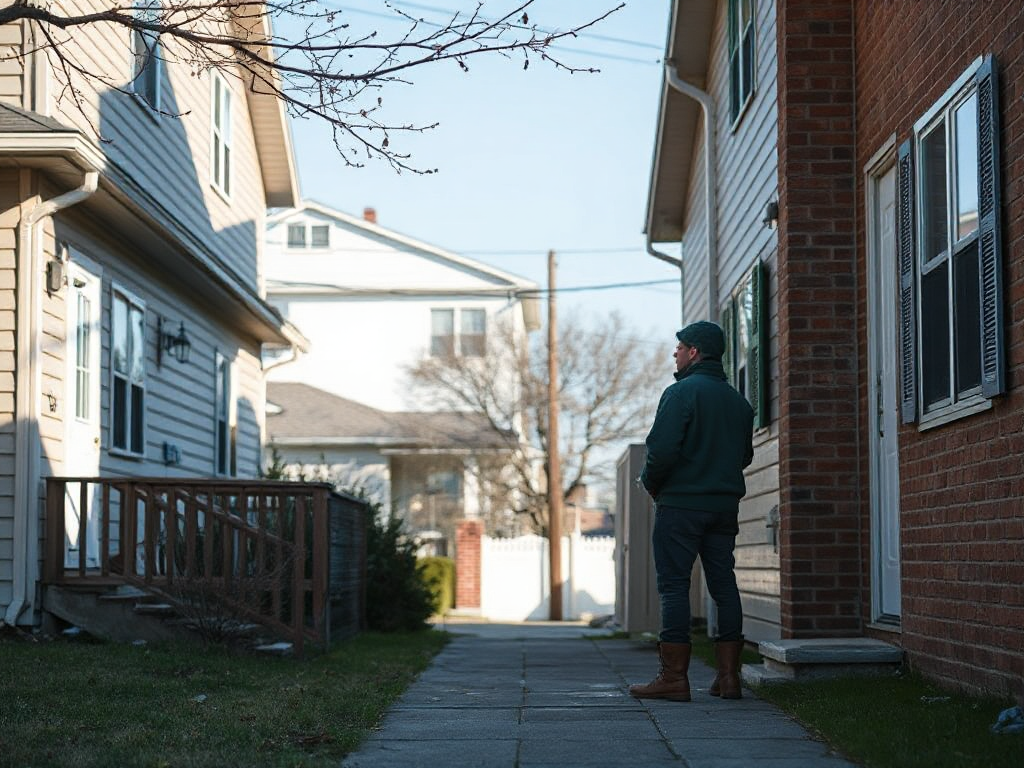
Recognizing signs of desperation in neighbors is essential for maintaining a supportive community. Look for behaviors such as sudden withdrawal from social interactions, increased irritability, or visible neglect of personal and home conditions. These changes may indicate underlying issues like financial stress or mental health struggles. If you notice these signs, consider reaching out with empathy and support, as a simple conversation can make a significant difference in someone's life.
Understanding Desperation in Neighbors
Desperation can manifest in various ways, often driven by external pressures such as economic hardship, health crises, or social isolation. It is essential to recognize that individuals facing desperation might exhibit behaviors that differ significantly from their usual demeanor. Understanding these changes is crucial for fostering a supportive environment in your community.
Desperation often leads to irrational decision-making and can escalate tensions within neighborhoods. Recognizing the underlying causes—such as financial instability, mental health issues, or family crises—can help you better understand your neighbors’ actions. For instance, a neighbor who suddenly becomes withdrawn may be struggling with personal issues that are not immediately visible.
Common Signs of Desperation
There are several behaviors that can signal desperation in neighbors. Notably, these signs can vary widely based on individual circumstances, but some common indicators include:
- Sudden Changes in Behavior: If a previously sociable neighbor becomes withdrawn or vice versa, this shift can indicate underlying distress.
- Erratic or Aggressive Behavior: Increased agitation or confrontational attitudes can be a red flag, signaling that someone is struggling to cope.
- Hoarding or Excessive Stockpiling: Accumulating supplies beyond normal levels may reflect anxiety about future scarcity.
- Increased Isolation: Avoiding social interactions and withdrawing from community activities can be a sign of emotional distress.
- Visible Signs of Neglect: Deteriorating home conditions or personal hygiene may indicate that someone is overwhelmed.
It’s important to approach these signs with compassion; understanding the context behind these behaviors can help you respond appropriately. For example, a neighbor who is hoarding food may be reacting to fear of shortages, rather than purely selfish motivations.
Impact on Community Dynamics
Desperation in neighbors can significantly impact community dynamics, leading to increased tension and conflicts. When individuals in a neighborhood feel threatened or vulnerable, they may react defensively, which can escalate into disputes or even violence. This ripple effect can disrupt the sense of safety and cohesion within the community.
Moreover, desperation can lead to a breakdown in communication. Neighbors may become suspicious of each other, leading to misunderstandings and isolation rather than support. For instance, someone who perceives another’s erratic behavior as threatening may distance themselves, further isolating that individual.
Building a strong community network can mitigate these effects. Establishing regular communication channels and community events can foster understanding and empathy among neighbors, making it easier to address issues of desperation collaboratively. For example, organizing neighborhood meetings can provide a platform for discussing concerns and sharing resources.
How to Respond Effectively
Responding effectively to signs of desperation in neighbors requires a delicate balance of empathy and action. First, it’s vital to approach the situation with sensitivity, recognizing that your neighbor may be experiencing overwhelming challenges.
One effective strategy is to initiate a conversation. Expressing concern in a non-confrontational manner can open the door for dialogue and may encourage the neighbor to share their struggles. For instance, simply asking how they are doing can show that you care without being intrusive.
Additionally, consider offering tangible support. This could include sharing resources, such as information on local food banks or mental health services. Small gestures of kindness, like offering to help with errands or providing meals, can make a significant difference in someone’s life during desperate times.
However, it’s essential to recognize your limits. If a neighbor’s behavior escalates to a point where you feel unsafe, it may be necessary to involve local authorities or community resources. Understanding when to seek help is crucial for maintaining both your safety and that of your neighbors.
Frequently Asked Questions
What are the first signs of desperation in neighbors?
First signs often include sudden changes in behavior, increased isolation, and erratic actions such as hoarding or aggression.
How can I help a neighbor who seems desperate?
Approach them with empathy, initiate a conversation, and offer practical support like resources or assistance with daily tasks.
What should I do if I feel unsafe around a desperate neighbor?
If you feel unsafe, prioritize your safety by maintaining distance and considering contacting local authorities for assistance.
How can community events help prevent desperation?
Community events foster communication and understanding, which can help build supportive networks that reduce feelings of isolation and desperation.
Conclusion
Recognizing signs of desperation in neighbors is critical for maintaining a supportive community environment. By being aware of behavioral changes and responding with empathy, you can help create a network of support that benefits everyone. Encourage open communication and offer assistance when needed, while also understanding your limits. Building strong community ties can significantly mitigate the impact of desperation and foster resilience among neighbors.