Understanding Financial Vulnerabilities in Disasters
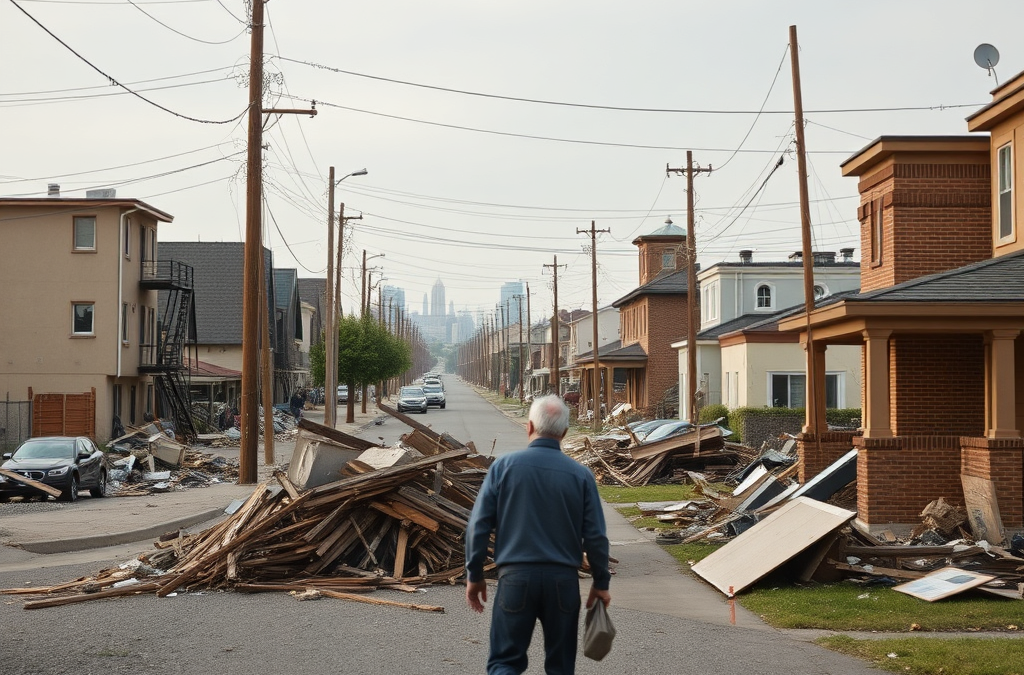
Preparing for financial impacts of disasters begins with identifying and understanding your vulnerabilities. Disasters can lead to loss of income, damage to property, and unexpected expenses that strain your finances. Recognizing these vulnerabilities is critical for effective planning. For instance, during natural disasters, individuals may face costs from evacuation, temporary housing, and repairs that can quickly add up. A common misconception is that government assistance will cover all losses; however, many find that aid is insufficient or delayed, leading to financial strain.
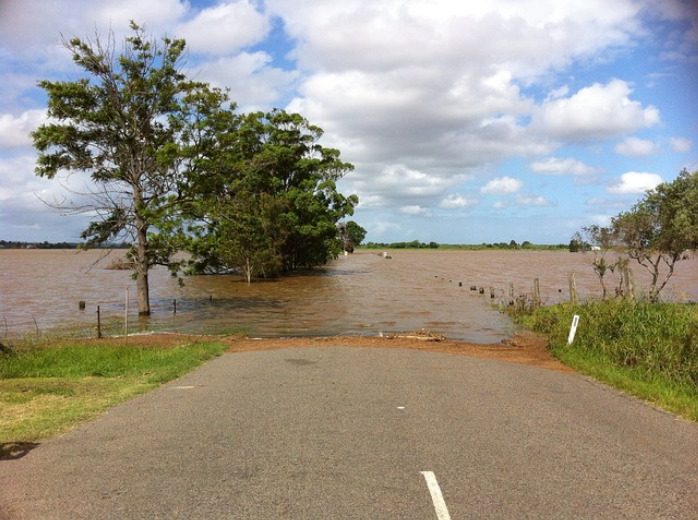
To accurately assess your vulnerabilities, consider creating a risk profile based on your location and personal circumstances. For example, if you live in a flood-prone area, you may need to prepare for more significant property damage and associated costs. Understanding local risks will help prioritize your financial preparations and ensure you allocate resources effectively.
Creating an Emergency Fund
Establishing an emergency fund is a foundational step in preparing for financial impacts of disasters. This fund should ideally cover three to six months of living expenses, allowing you to manage costs without incurring debt during emergencies. The purpose of this fund is to provide a financial buffer that can help you navigate the immediate aftermath of a disaster.
To build your emergency fund, start by setting a monthly savings goal based on your budget. Consider automating transfers to your savings account to ensure consistent contributions. Additionally, review your expenses to identify areas where you can cut back temporarily in order to accelerate your savings.
It’s essential to keep these funds in a separate, easily accessible account to ensure they remain untouched during regular spending. A common mistake is to mix emergency funds with everyday savings, which can lead to depletion during non-emergency situations.
Assessing and Adjusting Insurance Coverage
Insurance is a critical component of financial disaster preparedness. Evaluating your current coverage can help identify gaps that could leave you vulnerable during a disaster. Begin by reviewing your homeowner’s or renter’s insurance policy to ensure it adequately covers potential risks specific to your area, such as floods, earthquakes, or wildfires.
Many people overlook the importance of additional coverage options like flood insurance or business interruption insurance. These policies can provide financial protection against losses not covered by standard policies. For instance, if your business is forced to close due to a disaster, business interruption insurance can help cover lost income and ongoing expenses.
Regularly updating your policy is crucial as well. Changes in property value, renovations, or new assets should prompt a policy review to ensure you remain adequately covered. Failing to adjust coverage can lead to significant out-of-pocket expenses during a disaster.
Developing a Comprehensive Recovery Plan
A recovery plan outlines the steps needed to regain financial stability after a disaster. This plan should include budgeting for unexpected expenses and a strategy for rebuilding your financial life. Start by listing potential expenses you might incur during recovery, such as temporary housing, repairs, and lost income, and assign estimated costs to each category.
Incorporate contingency plans for various scenarios based on the type of disaster you might face. For example, if a significant storm is likely, plan for evacuation costs and temporary relocation. Communicating this plan with family members ensures everyone understands their roles and responsibilities during a crisis.
Additionally, consider seeking professional advice from financial planners or disaster recovery experts who can provide tailored guidance based on your specific situation. Their expertise can help you navigate complex recovery processes, ensuring you make informed decisions that support your financial resilience.
Understanding how to prepare for financial impacts of disasters is crucial for safeguarding your economic future. For additional resources, consider checking local government websites, disaster recovery organizations, or financial planning resources that focus on emergency preparedness.
Frequently Asked Questions
What are the first steps to financially prepare for a disaster?
The first steps include creating an emergency fund, assessing insurance coverage, and developing a recovery plan that outlines potential expenses and strategies.
How much should I have in my emergency fund?
Your emergency fund should ideally cover three to six months of living expenses to provide a financial buffer during disasters.
What types of insurance should I consider for disaster preparedness?
You should consider homeowners or renters insurance, flood insurance, and business interruption insurance, depending on your specific risks.
How can I assess my financial vulnerabilities?
Assess your financial vulnerabilities by creating a risk profile based on your location, assets, and potential disaster impacts to prioritize your preparations.
What should a recovery plan include?
A recovery plan should include a budget for unexpected expenses, a strategy for rebuilding, and contingency plans for various disaster scenarios.
Further Reading
Authoritative Sources
Library of Congress Research Guides guides.loc.gov
Research guides that help readers locate reliable background sources on a wide range of subjects
USA.gov Official Information and Services usa.gov
Official U.S. government information and public resources for practical reference
Google Scholar scholar.google.com
Academic search resource for finding research literature and source material
Anxiety in children can manifest in various forms, especially during emergencies. Unlike adults, children may not have the vocabulary to express their fears, leading to behavioral changes. Recognizing these changes is crucial for caregivers and educators. Factors contributing to anxiety include developmental stages, past experiences, and the specific nature of the emergency. For instance, a child who has previously experienced a natural disaster may react more intensely to a similar situation than a child who has not.
Understanding the root of anxiety is vital. Children often perceive emergencies through a lens of fear and confusion, which can lead to heightened anxiety. For example, in the aftermath of an earthquake, a child may become more anxious than usual due to a lack of understanding of the event’s implications. Recognizing that anxiety stems from a child’s attempt to cope with overwhelming feelings can help adults respond more effectively.
Common Signs of Anxiety During Emergencies
Recognizing signs of anxiety in children during emergencies involves observing both emotional and physical behaviors. Common indicators include:
Excessive Worry: Children may express fears about safety or the well-being of family members.
Clinginess: A sudden need for closeness with caregivers is often a sign of anxiety.
Physical Symptoms: Complaints of stomachaches, headaches, or fatigue can signal emotional distress.
Changes in Behavior: Increased irritability, withdrawal from activities, or changes in sleep patterns can indicate anxiety.
Regression: Younger children may revert to earlier behaviors, such as bedwetting or thumb-sucking, during stressful times.
For example, during a fire drill, a child may become overly anxious, exhibiting behaviors like fidgeting or refusing to participate. In such cases, it’s essential for adults to recognize these signs and provide support.
Effective Responses to Anxiety
Responding effectively to a child’s anxiety during emergencies requires a calm and supportive approach. Here are key strategies:
Stay Calm: Your demeanor sets the tone. Maintain a calm presence to reassure the child.
Open Communication: Encourage children to express their feelings and fears. Validate their emotions by acknowledging that it’s okay to feel scared.
Provide Reassurance: Offer comfort by explaining what is happening and what steps are being taken to ensure safety.
Establish Routines: Familiar routines can provide a sense of normalcy and security during chaotic times.
Encourage Coping Strategies: Teach children simple coping techniques, such as deep breathing or visualization, to manage anxiety.
For instance, if a child expresses fear during a severe weather alert, reassure them by discussing safety plans and involving them in preparations, which can empower them and reduce anxiety.
Supporting Children in Recovery
After an emergency, children may still experience lingering anxiety. Supporting them through recovery is crucial for their emotional well-being. Here are ways to help:
Monitor Behavior: Keep an eye on any persistent signs of anxiety. If behaviors do not improve, consider seeking professional help.
Encourage Expression: Provide safe spaces for children to express their feelings, whether through art, writing, or conversation.
Reinforce Stability: Reestablish routines and normal activities to help children regain a sense of control.
Promote Positive Experiences: Engage children in enjoyable activities and social interactions to help rebuild confidence.
For example, if a child struggles to return to school after an emergency, gradual reintroduction through familiar friends or activities can facilitate smoother transitions.
Frequently Asked Questions
What are the signs of anxiety in children during an emergency?
Signs include excessive worry, clinginess, physical symptoms like stomachaches, and changes in behavior such as irritability or withdrawal.
How can I help my child cope with anxiety during emergencies?
Provide reassurance, encourage open communication, and teach coping strategies like deep breathing to help them manage their anxiety.
Is it normal for children to feel anxious during emergencies?
Yes, it is normal for children to feel anxious during emergencies as they may not fully understand the situation, leading to fear and uncertainty.
When should I seek professional help for my child's anxiety?
If your child's anxiety persists or interferes with daily activities, consider consulting a mental health professional for guidance and support.
What can I do after an emergency to support my child?
Monitor their behavior for signs of lingering anxiety, encourage expression of feelings, and reinforce stability through routines and positive experiences.
Further Reading
Authoritative Sources
Library of Congress Research Guides guides.loc.gov
Research guides that help readers locate reliable background sources on a wide range of subjects
USA.gov Official Information and Services usa.gov
Official U.S. government information and public resources for practical reference
Google Scholar scholar.google.com
Academic search resource for finding research literature and source material
Conclusion
Recognizing and responding to anxiety in children during emergencies is crucial for their emotional well-being. By understanding the signs and implementing effective responses, caregivers can support children in navigating their fears. Post-emergency, continued support helps children recover and regain their sense of security. Prioritizing open communication and stability can foster resilience, enabling children to better cope with future challenges.
Understanding the Importance of a Disaster Recovery Plan
A disaster recovery plan (DRP) is a documented process that outlines how a business can recover from a disaster and continue operations. The importance of having a DRP cannot be overstated; it ensures business continuity, protects critical data, and minimizes downtime during unexpected events. Businesses that lack a solid disaster recovery strategy risk facing significant losses, including financial impacts, reputational damage, and loss of customer trust.
Natural disasters, cyberattacks, and unexpected equipment failures are just a few examples of incidents that can disrupt business operations. A well-structured DRP helps organizations prepare for these challenges by providing a clear roadmap for recovery, thus enhancing resilience and operational stability.
Key Components of a Disaster Recovery Plan
To create a robust disaster recovery plan, several key components must be included. These components ensure comprehensive coverage of potential risks and effective response strategies:
Business Impact Analysis (BIA): This analysis identifies critical business functions and the potential impact of disruptions to these functions. It helps prioritize recovery efforts based on the severity of the impact.
Risk Assessment: A thorough risk assessment evaluates potential threats and vulnerabilities that could affect business operations. Understanding these risks allows businesses to implement appropriate preventive measures.
Recovery Strategies: Outlining specific recovery strategies is essential for restoring operations. These strategies may include data backup solutions, alternative work locations, and communication plans for stakeholders.
Roles and Responsibilities: Clearly defining roles and responsibilities within the disaster recovery team ensures that everyone knows their tasks during a crisis. This clarity helps streamline the recovery process.
Communication Plan: An effective communication plan is crucial for keeping all stakeholders informed during a disaster. This plan should include methods for communicating with employees, customers, and suppliers.
Steps to Create an Effective Disaster Recovery Plan
Creating an effective disaster recovery plan involves a systematic approach. Here are the essential steps to follow:
Conduct a Business Impact Analysis: Start by identifying critical business functions and assessing their importance. Determine the potential impact of disruptions on these functions.
Perform a Risk Assessment: Evaluate the risks that could disrupt operations. Consider both internal and external threats, including natural disasters, cyber threats, and equipment failures.
Develop Recovery Strategies: Based on the findings from the BIA and risk assessment, outline specific recovery strategies. This may include data backup solutions, alternative work locations, and clearly defined recovery time objectives (RTOs).
Document the Plan: Create a comprehensive document that outlines the disaster recovery plan, including all strategies, roles, and communication protocols. Ensure it is easily accessible to all relevant personnel.
Train Employees: Conduct training sessions to ensure that all employees are familiar with the disaster recovery plan and their specific roles within it. This training should be ongoing and updated as necessary.
Review and Update Regularly: A disaster recovery plan is not a one-time effort. Regularly review and update the plan to reflect changes in business operations, technology, and emerging threats.
Testing and Maintaining Your Disaster Recovery Plan
Testing your disaster recovery plan is a critical step in ensuring its effectiveness. Regular tests help identify gaps or weaknesses in the plan and provide an opportunity to make necessary adjustments. Here are some testing methods to consider:
Tabletop Exercises: These discussions simulate a disaster scenario and allow team members to walk through the response process without actual implementation. It helps identify areas for improvement.
Full-Scale Drills: Conducting full-scale drills involves a live simulation of a disaster situation. This comprehensive approach tests the entire plan in real-time and can reveal practical challenges that may not be evident in tabletop exercises.
Review Post-Test: After conducting tests, gather feedback from participants and review the outcomes. This feedback is invaluable for refining the disaster recovery plan and ensuring it meets the needs of the organization.
Maintaining your disaster recovery plan requires ongoing commitment. Regularly scheduled reviews, updates based on new risks, and continuous training for employees will ensure the plan remains effective and relevant.
Frequently Asked Questions
What is a disaster recovery plan?
A disaster recovery plan is a documented strategy that outlines how a business will recover and continue operations after a disaster or significant disruption.
Why is a disaster recovery plan important for businesses?
A disaster recovery plan is crucial as it minimizes downtime, protects critical data, and ensures business continuity during unexpected events.
How often should a disaster recovery plan be tested?
A disaster recovery plan should be tested at least annually, but more frequent testing is recommended, especially after significant changes to the business or its operations.
What are common mistakes in disaster recovery planning?
Common mistakes include failing to conduct a thorough business impact analysis, not involving key stakeholders, and neglecting regular updates and testing of the plan.
Can small businesses benefit from a disaster recovery plan?
Yes, small businesses can greatly benefit from a disaster recovery plan as it helps them prepare for unexpected events, protecting their operations and financial stability.
Further Reading
Authoritative Sources
Ready.gov Preparedness Guidance ready.gov
Federal preparedness guidance for household planning, alerts, supplies, and emergencies
American Red Cross Emergency Preparedness redcross.org
Emergency preparedness resources for families, disasters, and practical safety planning
FEMA Preparedness Resources fema.gov
National preparedness resources for planning, mitigation, and response readiness
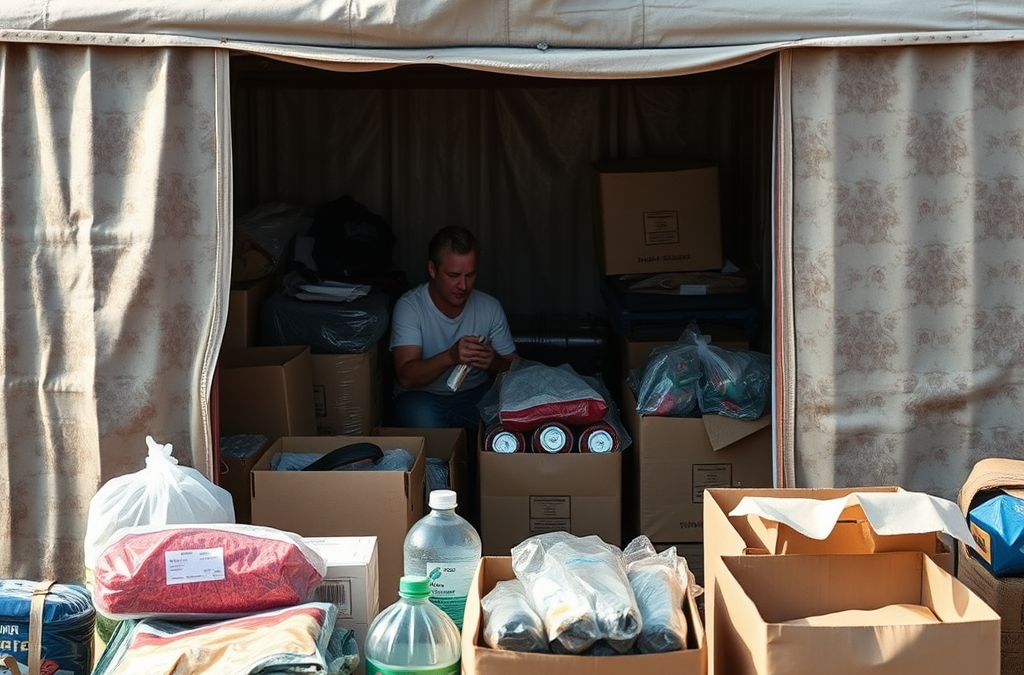
To manage resources effectively during a prolonged emergency, the first step involves a thorough assessment of your immediate and long-term needs. Start by inventorying your current supplies, including food, water, medical essentials, and any other critical items. Understanding your baseline allows you to identify gaps and prioritize what is necessary for survival.
Consider factors such as the number of people in your household, dietary requirements, and any medical conditions that may necessitate specific supplies. For instance, families with young children or elderly members may require additional nutritional items and medications. Take into account the duration of the emergency; for longer crises, you will need to focus not only on immediate supplies but also on sustainable practices to extend your resources.
Additionally, keep in mind that resources can be affected by external factors such as supply chain disruptions. Therefore, it is crucial to remain flexible and adaptive in your planning. Regularly review your inventory, and be prepared to adjust your resource management strategies as conditions change.
Food and Water Management Strategies
Effective food and water management is critical during any prolonged emergency. Begin by determining how much water your household requires daily. The general guideline is one gallon per person per day for drinking and sanitation. For a family of four over a week, this translates to 28 gallons. Consider storing water in clean containers and utilizing purification tablets or filters to ensure safety.
food, focus on non-perishable items that are nutrient-dense and easy to prepare. Canned goods, dried beans, rice, and pasta are excellent options. Aim for a balanced selection that includes proteins, carbohydrates, fats, and vitamins. A common mistake is to stockpile only items that are easy to eat, like snacks, while neglecting essential nutrients.
Moreover, consider implementing food preservation techniques such as canning, dehydrating, or freezing to extend the shelf life of fresh produce. Gardening can also be a valuable skill during an emergency; growing your own food can supplement your supplies and provide a sustainable food source.
Lastly, keep track of expiration dates and rotate your supplies regularly to prevent waste. Create a meal plan that utilizes the items in your stockpile, ensuring you consume older products first.
Medical Supplies and First Aid Preparedness
Having a well-stocked medical supply kit is vital for managing health needs during an emergency. Start by assembling a comprehensive first aid kit that includes bandages, antiseptics, pain relievers, and any prescription medications required by household members. Remember to check the expiration dates of medications regularly, replacing them as needed to ensure they remain effective.
In addition to basic supplies, consider including items that address specific health concerns within your household. For example, if someone has allergies, antihistamines should be part of your kit. Moreover, familiarize yourself with basic first aid procedures, as knowledge can be just as crucial as having the right supplies.
Another aspect to consider is mental health. Prolonged emergencies can lead to increased stress and anxiety. Stocking resources such as books, games, or activities can help maintain morale and provide distractions during tough times. It’s also beneficial to stay connected with friends and family for emotional support.
Community Resources and Support Systems
During a prolonged emergency, community resources can play a significant role in resource management. Building a network of neighbors and local organizations can provide essential support, whether through shared resources or assistance in times of need. Establishing communication with community members allows for resource sharing, such as food, tools, or skills, which can enhance resilience.
Consider joining local preparedness groups or online forums where individuals share information, tips, and resources. Many communities have programs for food banks, medical assistance, or emergency preparedness workshops that can be invaluable. By pooling resources and knowledge, you can create a stronger support system that benefits everyone involved.
Another key point is to stay informed about local emergency services and resources available in your area. Knowing where to access help can save critical time and provide peace of mind during challenging situations.
Frequently Asked Questions
How can I ensure my food supplies last longer?
To ensure food supplies last longer, store items in a cool, dry place, use proper sealing techniques, and rotate your stock regularly to consume older items first.
What should I include in a medical supply kit?
A medical supply kit should include bandages, antiseptics, pain relievers, prescription medications, and any specific items needed for chronic conditions.
How can my community help during an emergency?
Your community can offer support through shared resources, local emergency services, and organized preparedness programs that enhance collective resilience.
What steps can I take to prepare for mental health challenges during an emergency?
To prepare for mental health challenges, include activities for relaxation and entertainment in your supplies, and maintain connections with friends and family for emotional support.
Further Reading
Authoritative Sources
Ready.gov ready.gov
This resource offers comprehensive guidelines on emergency preparedness, including resource management and planning
American Red Cross redcross.org
Find first aid resources, emergency kits, and community preparedness programs
CDC Emergency Preparedness cdc.gov
Guidance on health-related preparedness and response during emergencies
Conclusion
Effectively managing resources during a prolonged emergency requires careful planning, continuous assessment, and community engagement. Start by thoroughly evaluating your needs and stockpiling essential supplies such as food, water, and medical items. Implement sustainable practices to prolong your resources, and do not underestimate the power of community support. By prioritizing these strategies, you can enhance your resilience and ensure the safety and well-being of your household in challenging times.
Staying informed during a crisis is vital for personal safety and community well-being. When traditional power sources fail, access to real-time information becomes challenging yet essential. Having reliable information helps individuals make informed decisions, avoid dangerous situations, and respond effectively to emergencies. Understanding the potential consequences of misinformation or lack of information can motivate preparedness and resourcefulness during crises.
Moreover, during emergencies, misinformation can spread rapidly, leading to panic and poor decision-making. By prioritizing accurate and timely information, individuals can navigate crises with greater confidence and clarity. The need for effective communication strategies becomes paramount, especially when usual channels are disrupted.
Effective Communication Methods Without Power
When power is out, consider alternative methods to access information. Battery-operated or hand-crank radios are invaluable tools for receiving emergency broadcasts and updates from local authorities. These devices can often run for extended periods without power, making them a reliable choice during outages.
Mobile phones can still play a role in staying informed, particularly through text alerts. Many local governments and organizations offer SMS updates for emergencies. Ensure your phone is charged before a crisis, and consider carrying a portable charger. However, be aware that network congestion can occur during emergencies, leading to delays in receiving messages.
Another effective method is to establish a communication plan with family and friends. Designate specific points of contact and agree on how to relay information during a crisis. This approach can help ensure everyone stays informed, even if traditional communication methods fail.
Utilizing Community Resources
Community resources play a crucial role in disseminating information during a crisis. Local bulletin boards, community centers, and libraries often provide updates and resources during emergencies. Participating in community preparedness programs can also enhance your understanding of local resources and response strategies.
Additionally, local authorities often set up emergency hotlines or information centers to share critical updates. Familiarize yourself with these resources before a crisis occurs, ensuring you know where to go for reliable information when needed. Engaging with neighbors and community members can also facilitate information sharing, creating a support network that enhances safety and awareness.
Preparing for Information Access
Preparation is key to staying informed during crises. Start by gathering essential tools, such as a battery-operated radio, flashlights, and extra batteries. Create an emergency kit that includes a communication plan, important documents, and a list of local resources. Having these items ready can make a significant difference when power is lost.
Additionally, consider investing in solar chargers or hand-crank devices that can power small electronics during outages. These tools can help maintain communication with family and emergency services when traditional power sources are unavailable.
Regularly review and update your emergency plan, ensuring that everyone in your household understands their roles and responsibilities. Conduct drills to practice your communication strategy, which can enhance preparedness and confidence when facing real emergencies.
For additional information on staying informed during a crisis, consider exploring resources from local emergency management agencies or the Federal Emergency Management Agency (FEMA). They offer guidelines on preparedness, communication strategies, and available community resources.
Frequently Asked Questions
What should I do first when a crisis occurs?
Assess your situation and ensure your safety first. Then, use a battery-operated radio or mobile phone to gather information about the crisis.
How can I charge my phone during a power outage?
Consider using a portable charger or solar-powered charger to keep your phone charged. Hand-crank chargers are also an option if you have one available.
What types of information should I prioritize during a crisis?
Focus on information related to safety, evacuation routes, emergency services, and any updates from local officials regarding the crisis.
How can I prepare for a power outage?
Gather essential supplies, such as a battery-operated radio, flashlights, and food supplies. Create a communication plan with family and ensure all devices are charged.
Further Reading
Authoritative Sources
Library of Congress Research Guides guides.loc.gov
Research guides that help readers locate reliable background sources on a wide range of subjects
USA.gov Official Information and Services usa.gov
Official U.S. government information and public resources for practical reference
Google Scholar scholar.google.com
Academic search resource for finding research literature and source material
Conclusion
Staying informed during a crisis without power is essential for safety and effective response. By utilizing battery-operated radios, community resources, and maintaining a proactive communication strategy, individuals can navigate emergencies with greater confidence. Preparation is key; ensure you have the necessary tools and a clear plan in place. By prioritizing information access and community engagement, you can enhance your resilience during challenging times.
Disaster scenarios can range from natural events like hurricanes and earthquakes to human-made crises such as chemical spills or terrorist attacks. Understanding the specific risks associated with your location is vital for effective preparedness. For instance, coastal areas are more susceptible to hurricanes, while regions near fault lines may face earthquakes. Identifying these risks allows individuals and communities to tailor their emergency plans and responses accordingly.
One common mistake is underestimating the likelihood or severity of certain disasters. Many people may assume that because they have never experienced a particular disaster, it won’t happen to them. However, historical data shows that disasters can strike unexpectedly, making it crucial to prepare for a variety of scenarios.
Creating an Emergency Plan
An effective emergency plan is the backbone of disaster preparedness. It should outline specific actions to take in various scenarios, including evacuation routes, communication strategies, and designated meeting points. Start by involving all family members in the planning process to ensure everyone understands their roles and responsibilities during a crisis.
For instance, if a wildfire threatens your area, your plan should include the quickest escape routes, a checklist of essential items to pack, and a way to communicate with each other if separated. Regular drills can help reinforce these plans and identify areas for improvement.
Another pitfall is failing to update your emergency plan regularly. Life changes, such as moving to a new location, having children, or changes in family dynamics, can impact your preparedness needs. Review and practice your plan at least once a year.
Essential Supplies for Different Disasters
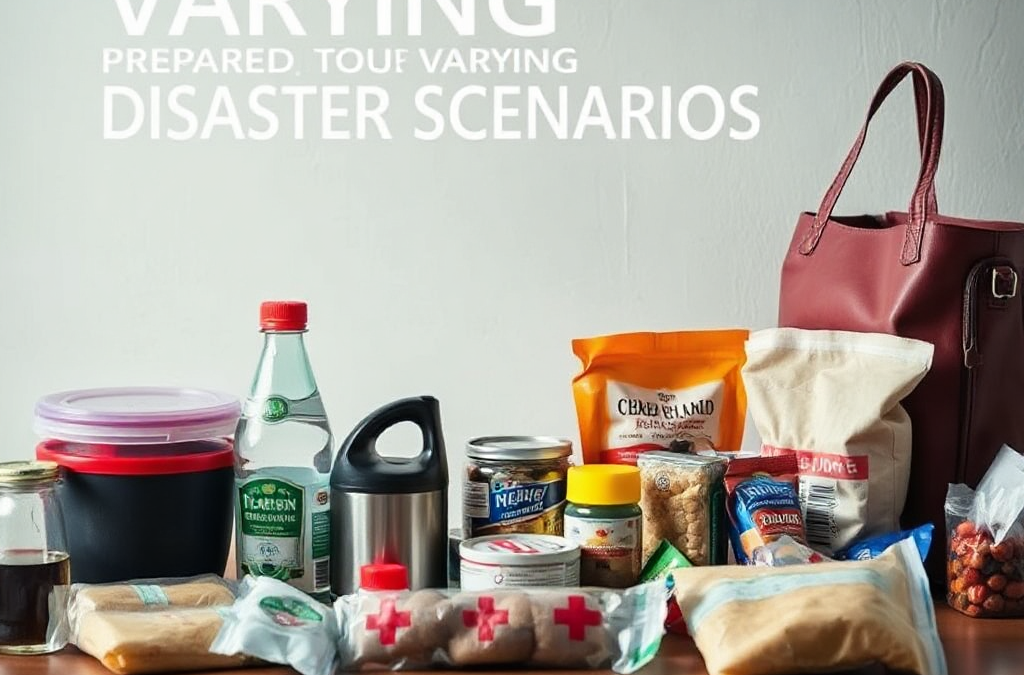
Having the right supplies on hand is critical for surviving a disaster. While basic preparedness kits often include food, water, and first aid supplies, the specific items you need can vary based on the type of disaster. For example, during a flood, having waterproof bags and a supply of clean water is essential, while in the case of an earthquake, sturdy shoes and tools for debris removal may be more important.
Assemble a disaster kit that includes:
Non-perishable food and water: Aim for at least a three-day supply for each person.
First aid kit: Include bandages, antiseptics, and prescription medications.
Flashlights and batteries: Essential for power outages.
Multi-tool or knife: Useful for various situations.
Personal hygiene items: Such as wet wipes and hand sanitizer.
Regularly check and replace expired items in your kit to ensure everything is usable in an emergency.
Staying Informed and Engaged
Knowledge is power disaster preparedness. Stay informed about the types of disasters that could affect your area by subscribing to local emergency alerts and following relevant organizations on social media. Additionally, familiarize yourself with the emergency services available in your community and how to access them during a crisis.
Engagement with local preparedness initiatives can also enhance your readiness. Many communities offer training sessions on first aid, CPR, and disaster response. Participating in these programs not only increases your skills but also helps foster a sense of community resilience.
Ultimately, avoid the misconception that preparedness is solely an individual responsibility. Building a network of neighbors who are also prepared can create a support system during emergencies, making it easier to share resources and information.
Frequently Asked Questions
What should I include in my emergency kit?
Your emergency kit should include non-perishable food, water, first aid supplies, flashlights, batteries, personal hygiene items, and any necessary medications.
How often should I review my emergency plan?
Review your emergency plan at least once a year or after any significant life changes, such as moving or having children.
What are the most common types of disasters?
Common types of disasters include natural disasters like hurricanes, earthquakes, floods, and wildfires, as well as human-made disasters such as chemical spills or terrorist attacks.
How can I stay informed about potential disasters?
Subscribe to local emergency alerts, follow relevant organizations on social media, and stay engaged with community preparedness initiatives to stay informed about potential disasters.
What role does community play in disaster preparedness?
Community engagement is essential for building resilience; participating in local preparedness initiatives can foster a support network during emergencies.
Further Reading
For those looking to delve deeper into disaster preparedness, numerous resources are available:
Authoritative Sources
Ready.gov ready.gov
A comprehensive resource provided by the U.S. Department of Homeland Security for emergency preparedness planning
American Red Cross Preparedness redcross.org
Offers guidance on creating emergency plans and assembling disaster kits
FEMA fema.gov
The Federal Emergency Management Agency provides resources for disaster preparedness and response
NOAA Disaster Resources ncdc.noaa.gov
noaa.govInformation on climate-related disasters and preparedness strategies
Conclusion
Preparing for varying disaster scenarios requires a proactive approach that includes developing a comprehensive emergency plan, assembling essential supplies, and staying informed. Regularly reviewing and practicing your plan ensures that all family members are ready to act when needed. By understanding the specific risks in your area and fostering a sense of community preparedness, you enhance your resilience and ability to respond effectively during crises.