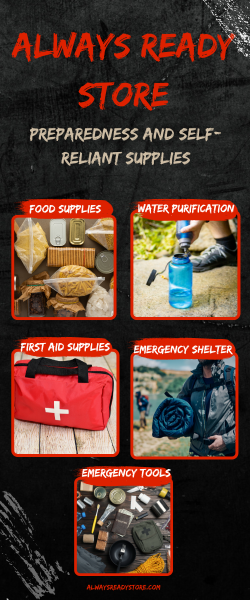
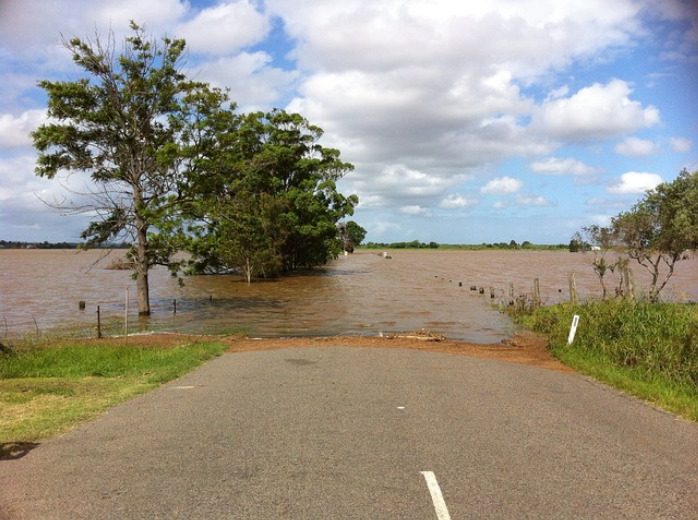
In an unpredictable world, preparedness is not just a virtue, but a necessity. The ability to respond effectively to any situation, whether a natural disaster or a personal emergency, is largely dependent on the tools at your disposal. As such, having a comprehensive toolkit of essential items is critical to ensuring your safety, security, and survival.
Each tool in your preparedness kit serves a specific purpose, and understanding these can make all the difference when the unexpected happens. From first aid supplies to survival gear, these tools are designed to help you navigate through challenging circumstances with confidence and ease.
Stay with us as we delve deeper into the world of preparedness, exploring the various tools that are indispensable for any emergency situation. Let’s equip you with the knowledge and resources you need to face any challenge head-on, because when it comes to preparedness, every tool counts.
What Are Essential Preparedness Tools?
When it comes to preparedness, having the right tools can make all the difference. One of the key tools for any preparedness kit is a multi-tool. This versatile tool includes functions like a knife, screwdriver, can opener, and more, making it incredibly useful in various situations.
Another essential tool is a flashlight. Whether you’re dealing with a power outage or navigating in the dark, a reliable flashlight is vital. Opt for a hand-crank version to eliminate the need for batteries.
Water purification tools, such as life straws or purification tablets, are also crucial. These tools ensure you have access to clean drinking water, a fundamental survival necessity.
In your preparedness kit, don’t forget about a first aid kit. This kit should include bandages, antiseptic wipes, tweezers, medical tape, and pain relievers.
A portable charger for your phone or other devices can be a lifesaver, especially in situations where power is unavailable.
Ultimately, a weather radio can keep you informed about any impending weather threats or emergency broadcasts.
Remember, the goal of these tools is to help you stay safe and comfortable during unexpected events. While this list covers the basics, it’s important to customize your preparedness kit to suit your specific needs.
How to Store Emergency Water?
Storing emergency water is a crucial part of preparedness planning. The first step is to identify suitable containers for storage. Food-grade water storage containers are an ideal choice as they are designed to prevent bacterial growth. Stainless steel containers are also a good option, but avoid those with any form of plastic lining.
When storing water, it’s important to keep it in a cool, dark place to prevent algae and bacteria growth. The water should be replaced every six months to ensure it stays fresh.
Here are a few steps to store water effectively:
1. Clean the container thoroughly before filling it with water.
2. Fill the container to the top to limit the amount of air in it.
3. Securely seal the container to prevent contamination.
4. Store the container in a cool, dark place.
Remember, in an emergency situation, having access to clean, safe water is paramount. Therefore, always have a backup plan in place. This could be water purification tablets or a life straw, both essential tools for preparedness.
While water storage is a key aspect of emergency planning, it’s also important to consider other elements such as food storage, first aid supplies, and emergency communication tools. Together, these components form a comprehensive preparedness strategy.
Best Survival Food Kits?
When it comes to being prepared for any emergency, having a survival food kit is paramount. These kits are a key part of any preparedness plan, providing essential nutrition during times of crisis.
The Mountain House Essential Bucket is a popular choice. It offers a 30-year taste guarantee and contains 32 servings of meals like rice & chicken and beef stew. Another option is the Wise Company Emergency Food Supply. This kit boasts 60 servings of meals and a shelf life of up to 25 years.
• Augason Farms 30-Day Emergency Food Storage Supply is another top contender. It provides 307 servings of food, a 30-day meal planner, and an impressive shelf life of up to 25 years.
The quality and diversity of meals, the shelf life, and the ease of preparation are all important factors to consider when choosing a survival food kit. Remember, the goal is to have a reliable source of nutrition during an emergency.
To complement your food kit, consider other essential tools for preparedness such as water purification tablets, a multi-tool, and a first aid kit. These items will further enhance your ability to manage during a crisis.
Remember, being well-prepared can make all the difference when facing an emergency situation. A comprehensive survival food kit is a vital part of that preparedness.
Are First Aid Kits Necessary?
Absolutely, First Aid Kits are an integral part of any preparedness plan. In the face of an emergency, they can provide immediate, life-saving assistance. From minor cuts and burns to more serious injuries, a well-stocked first aid kit is a crucial tool for preparedness.
First Aid Kits contain essential items like bandages, antiseptics, tweezers, and medical tape. These tools can help manage a variety of injuries, reducing the risk of infection and promoting healing. The medicinal components of a first aid kit, such as pain relievers and antihistamines, can also provide temporary relief in emergency situations.
Moreover, a first aid kit is not just for physical injuries. It can also provide psychological comfort. Knowing that you have the necessary tools at your disposal can boost confidence and reduce panic during emergencies.
In essence, the importance of a first aid kit cannot be overstated. It is a fundamental part of any emergency preparedness strategy, providing immediate assistance when medical help may not be readily available.
Remember, emergencies can happen anytime, anywhere. Therefore, having a first aid kit on hand, whether at home, in the car, or at the workplace, is a proactive step towards ensuring safety and readiness.
• Why are first aid kits essential?
First aid kits are essential as they provide immediate and effective first aid treatment for injuries and illnesses, potentially saving lives. They contain necessary tools and supplies that can help manage a variety of health emergencies until professional medical help arrives.
All in all, a first aid kit is a non-negotiable component of any preparedness plan. It’s not just an essential tool, but a potential lifesaver.
What is a Bug Out Bag?
A Bug Out Bag (BOB) is a pre-packed survival kit designed to sustain an individual for 72 hours during an emergency evacuation. The main idea behind a BOB is to have all the necessary tools and supplies in one place, making it easy to grab and leave when disaster strikes.
A typical BOB contains essential items such as food, water, first aid supplies, and survival gear. It’s crucial to pack non-perishable food items and water purification tablets or a life straw. First aid supplies should include bandages, antiseptic wipes, tweezers, medical tape, and pain relievers. Survival gear often consists of a multi-tool, fire starter, emergency blanket, flashlight, and a whistle to signal for help.
While packing a BOB, it’s important to consider personal needs and circumstances. For example, if you live in a colder climate, you might want to pack extra warm clothing. If you have a chronic condition, don’t forget your medication.
Remember, the goal of a BOB is not long-term survival but to keep you alive and safe until you can reach a safer location or help arrives. Therefore, it’s essential to regularly check and update the contents of your BOB to ensure they are still functional and relevant.
Lastly, a BOB should be easy to carry. A backpack is often the preferred choice, but you can also use a duffle bag or a rolling suitcase, depending on your physical condition and personal preference.
Importance of a Flashlight in Emergencies?
A flashlight is a fundamental part of any emergency preparedness kit. In times of crisis, having a reliable light source can make a significant difference. An emergency may cause power outages, making it challenging to navigate your surroundings safely. A flashlight provides a critical lifeline in such scenarios, illuminating dark paths and helping you avoid potential hazards.
Moreover, flashlights serve as an excellent signaling device. In situations where you are stranded or lost, the bright beam of a flashlight can attract attention from a considerable distance. It can guide rescuers to your location, making it an essential tool for survival.
Another vital aspect of a flashlight is its potential use as a self-defense tool. A sturdy, high-lumen flashlight can temporarily blind an attacker or a wild animal, providing you with precious time to escape.
In terms of variety, there are numerous types of flashlights available in the market. Some are solar-powered, while others are hand-cranked, eliminating the need for batteries. LED flashlights are highly recommended due to their long lifespan and energy efficiency.
Remember, a flashlight is more than just a light source; it is a versatile tool that enhances safety and boosts survival chances during emergencies. Therefore, it is an indispensable item in any preparedness plan.
Why Need a Multi-Tool for Preparedness?
A multi-tool is a crucial component in any preparedness kit. These compact devices house a variety of essential tools, from pliers and knives to screwdrivers and can openers, providing a versatile solution for various challenges that one may encounter in emergency situations.
In scenarios such as natural disasters, power outages, or even unexpected car breakdowns, having a multi-tool at your disposal can make a significant difference. It can help you perform necessary repairs, open canned food, cut ropes, and even provide first aid.
Survival situations often require quick thinking and adaptability. With a multi-tool, you have the flexibility to tackle multiple problems with a single device. This not only saves space in your preparedness kit but also reduces the weight of your gear, making it easier to transport in case of evacuation.
Consider this: you’re stranded in a wilderness setting. Your survival depends on your ability to perform tasks like building a shelter, starting a fire, or even catching food. A multi-tool can assist in all these tasks, proving its worth as an invaluable part of your emergency preparedness gear.
In essence, a multi-tool is like having a miniature toolbox at your disposal, ready to assist in a variety of situations. It is an essential tool for preparedness that everyone should consider adding to their survival kit.
How Useful are Fire Starters in Survival Situations?
Fire starters are a critical component in any survival kit. They provide a reliable method for creating heat and light, both of which are essential in a survival situation. Fire starters are compact, lightweight, and easy to use, making them a practical tool for any preparedness kit.
They offer the ability to quickly start a fire for cooking, purifying water, and providing warmth. In survival situations, these tasks can be life-saving. Fire starters are far more reliable than traditional matches or lighters, which can become wet or run out of fuel.
Fire starters also have a psychological benefit. The ability to create fire can boost morale and provide a sense of security in stressful situations. It’s a tool that offers both practical and psychological benefits, making it an essential part of any survival kit.
In addition to these benefits, fire starters are also versatile. They can be used in various environments and weather conditions, further enhancing their value as a survival tool. Here are a few types of fire starters:
Friction-based fire starters
Spark-based fire starters
Fuel-based fire starters
Each type has its own benefits and drawbacks, but all serve the same purpose: providing a reliable source of fire in survival situations. This makes them an invaluable tool in any preparedness strategy.
Conclusion: The Importance of Essential Tools for Preparedness
In closing, the essential tools for preparedness are crucial for survival in emergency situations. We’ve covered a wide array of topics including the importance of having a well-stocked first aid kit, the usefulness of a bug out bag, and the necessity of a reliable flashlight during emergencies.
We’ve also delved into the significance of storing emergency water and investing in the best survival food kits. The versatility of a multi-tool for preparedness cannot be overstated, just as the practicality of fire starters in survival situations is undeniable.
The key takeaway is that preparedness is not merely about having these tools, but understanding their use and importance. It’s about being ready for whatever life throws at you, and these tools provide a safety net when things go awry.
As we look to the future, the importance of these tools will only increase. With the unpredictable nature of life, it’s essential to stay informed about the latest developments and trends in emergency preparedness. Remember, preparedness is not a one-time action, but a continuous process. Always be ready, stay safe, and keep updating your preparedness toolkit.
The Magic of Broccoli Dehydration: A Guide to Stretching Your Food Budget
In the world of culinary experimentation, finding a great deal on produce can be a delightful surprise. Recently, I stumbled upon a sale of broccoli, a vegetable often overlooked due to its slightly worn appearance. However, instead of seeing it as past its prime, I saw the potential for something extraordinary. In this article, we will explore the magic of broccoli dehydration and how it can stretch your food dollars while minimizing waste.
Parboiling the Broccoli
To begin the process, I decided to parboil the broccoli. Parboiling involves partially cooking the vegetable in boiling water. It only took a minute of boiling, but be cautious as the broccoli becomes steaming hot afterward. To halt the cooking, I transferred the florets to ice-cold water. As a little flavor enhancement, I added a touch of salt to the boiling water.
Draining and Transforming
Once the broccoli was cooled, it was crucial to drain it well before proceeding. The transformation from a limp bag of veggies to vibrant green delights is truly magical. At this point, half of the batch was used in a fresh, raw recipe.
Why Blanching is Important
You may wonder why I chose to blanch the broccoli. The reason is simple: raw broccoli doesn’t fare well during dehydration. Blanching significantly helps, especially if you plan on using the broccoli in cooked recipes later on. The delicate enzymes in broccoli cannot survive extreme temperatures, so blanching before dehydration is a wise choice.
Mastering the Dehydration Process
Now, let’s talk about the dehydration process itself. I am a stickler for consistency, and to ensure even dryness, it’s essential to spread the broccoli out in a single layer and check on it periodically. Thankfully, I have my trusty Excalibur dehydrator, equipped with a handy quick-reference chart, which makes the entire process a breeze. The ultimate goal is to obtain a moisture-free product suitable for long-term storage.
The Power of Dehydrated Broccoli
The final product, although shrunken in size, packs a powerful punch. These lightweight and easily reconstituted morsels are perfect for a variety of dishes, including casseroles, soups, or even as a quick side dish. While fresh broccoli typically doesn’t last for more than a couple of months, these dehydrated gems can be stored for a longer duration.
The Benefits of Dehydration
To wrap up, dehydration goes beyond preserving food. It allows for creativity in the kitchen, stretches your food budget, and minimizes waste. By incorporating the magic of broccoli dehydration into your culinary repertoire, you can unlock a world of possibilities.
Summary
In closing, broccoli dehydration is a technique that offers numerous benefits. By parboiling and blanching the broccoli before dehydration, you can ensure the preservation of flavor and enzymes. Mastering the dehydration process guarantees a moisture-free product with an extended shelf life. Dehydrated broccoli is a versatile ingredient that can be used in a variety of dishes. By embracing dehydration, you can be both creative in the kitchen and conscious of your food budget while reducing waste.
**Frequently Asked Questions**
1. **Can I skip the blanching step and dehydrate raw broccoli directly?**
– Blanching broccoli before dehydration is highly recommended. Raw broccoli doesn’t dehydrate well due to its delicate enzymes.
2. **How long can dehydrated broccoli be stored?**
– Dehydrated broccoli can be stored for several months if kept in proper airtight containers or vacuum-sealed bags.
3. **What’s the best way to rehydrate dehydrated broccoli?**
– To rehydrate dehydrated broccoli, simply soak it in hot water for a few minutes or add it directly to soups and stews while cooking.
4. **Can dehydrated broccoli be used in salads?**
– Dehydrated broccoli is not suitable for salads. It is best used in cooked recipes such as casseroles, stir-fries, or soups.
5. **Are there any nutrients lost during the dehydration process?**
– While dehydration can lead to some nutrient loss, dehydrated broccoli still retains a significant amount of its vitamins and minerals compared to other preservation methods.
Imagine a life free from utility bills, the hum of electronics, and the constant buzz of the modern world. This is the reality of off-grid living.
Off-grid living is a lifestyle choice that prioritizes independence, self-reliance, and a deep connection with nature. More than just a trend, it’s a return to simpler times, where life moves at a slower pace and every day brings a new opportunity to engage with the world around us.
In the following posts, we will dive deeper into the philosophy behind off-grid living, the practical steps to achieve it, and the challenges and rewards that come with this unique lifestyle. Whether you’re a seasoned off-grid dweller seeking fresh insights or a curious newcomer ready for a change, you’re in the right place.
Welcome to the world of off-grid living – a journey into self-sufficiency and a life lived on your own terms.
What Is Off-Grid Living?
Off-grid living refers to a lifestyle that is independent of the main national electrical grid. This lifestyle is often adopted by individuals who desire self-sufficiency, environmental sustainability, and freedom from modern societal constraints. These individuals, often referred to as off-gridders, typically rely on alternative energy sources such as solar, wind, and hydropower.
Off-grid living involves generating one’s own power, sourcing water, managing waste, and producing food. This lifestyle requires a significant level of practical skills and resilience. It’s not uncommon for off-gridders to grow their own food, raise livestock, and use composting toilets to manage waste.
Off-grid homes are typically located in remote or rural areas, where there is ample space for renewable energy installations and farming. These homes are often designed to be energy-efficient, with features such as insulation, thermal mass, and natural light.
• Energy Production: Off-gridders use renewable energy sources such as solar panels, wind turbines, and hydroelectric systems to generate electricity. These systems are often complemented by battery storage systems and backup generators.
• Water and Waste Management: Off-grid living also involves sourcing water from wells, streams, or rainwater collection systems. Waste is typically managed through composting toilets and greywater recycling systems.
• Food Production: Many off-gridders grow their own food in gardens and greenhouses. They may also raise livestock or keep bees for honey.
Despite the challenges, off-grid living can offer numerous benefits, including lower living costs, a reduced carbon footprint, and a closer connection to nature. However, it’s essential to thoroughly research and prepare for this lifestyle before making the transition.
How Is Electricity Generated Off-Grid?
Off-grid living requires generating your own electricity. This is typically achieved through renewable energy sources such as solar panels, wind turbines, and hydroelectric power. Solar panels are a popular choice for off-grid homes due to their relative ease of installation and maintenance. They capture sunlight and convert it into electricity, providing a sustainable and environmentally friendly power source.
Wind turbines function similarly, converting kinetic energy from the wind into electrical energy. These are particularly effective in areas with consistent and strong wind patterns. Hydroelectric power, on the other hand, harnesses the energy of moving water to generate electricity. This method requires a nearby water source and is less commonly used due to the specific geographical requirements.
In addition to these renewable energy sources, many off-grid homes utilize a battery storage system. This allows excess electricity to be stored and used when the primary source isn’t generating power, such as during the night or on windless days.
The choice of electricity generation method often depends on the geographical location and individual needs of the off-grid home. Regardless of the method chosen, living off-grid requires careful planning and management of energy resources to ensure a consistent and reliable power supply.
What Are Off-Grid Water Solutions?
Off-grid living requires innovative water solutions to ensure a reliable supply. One such solution is rainwater harvesting, a method that involves collecting and storing rainwater for later use. This method is sustainable and cost-effective, making it a popular choice for off-grid living.
Another off-grid water solution is the use of wells. Wells provide a steady supply of water, although the availability and quality of water can depend on the location and depth of the well.
A third solution is the use of water delivery services. While this might not be the most sustainable option, it can be a necessary choice in areas where other water sources are not available or reliable.
Rainwater Harvesting
Wells
Water Delivery Services
Water purification is another crucial aspect of off-grid water solutions. This might involve boiling water, using water purification tablets, or employing more sophisticated systems like reverse osmosis.
Off-grid living is all about self-reliance and sustainability, and water is no exception. By utilizing these off-grid water solutions, you can ensure a reliable and safe water supply for your off-grid lifestyle. It’s important to research and understand the options available to you, as the best solution will depend on your location, climate, and personal needs.
How To Grow Food Off-Grid?
Living off-grid requires a self-sustaining approach to food production. One of the fundamental steps is choosing the right crops. Consider low-maintenance plants like potatoes, beans, tomatoes, and zucchini. These are high-yielding and require minimal care.
Permaculture plays a crucial role in off-grid living. It’s a system of agricultural design that mimics natural ecosystems, promoting sustainability and self-sufficiency. Permaculture principles can be applied to any scale of gardening, from small backyard plots to large-scale farm operations.
Composting is another essential aspect of growing food off-grid. It allows you to recycle organic waste into nutrient-rich soil, promoting healthy plant growth.
Water conservation is also vital in off-grid farming. Techniques like drip irrigation and rainwater harvesting help optimize water usage.
Another way to ensure a constant food supply is through aquaponics, a system that combines conventional aquaculture with hydroponics. Fish waste provides organic food for the plants, and the plants naturally filter the water for the fish.
Preservation methods such as canning, drying, and freezing can help you store your produce for longer periods, ensuring you have food supply year-round.
Remember, off-grid living is about creating a sustainable lifestyle. The key is to learn, adapt, and continuously improve your methods for growing food.
What Are Off-Grid Waste Disposal Methods?
Living off-grid means finding sustainable ways to manage waste. One of the most common methods is composting. Organic waste like fruit peels, vegetable scraps, and coffee grounds can be turned into nutrient-rich compost for your garden. This process not only reduces waste but also contributes to the health of your plants.
Another popular method is the use of a composting toilet. Unlike traditional toilets, these systems do not require water and instead convert human waste into compost that can be safely returned to the earth. It’s a practical solution for those living in remote areas without access to sewage systems.
For non-organic waste, recycling is a key part of off-grid living. Many off-gridders repurpose items like glass jars, tin cans, and plastic containers, reducing the amount of waste that goes into landfills. Some also burn paper and cardboard waste in a controlled environment, turning it into ash that can be used in the garden.
Lastly, greywater systems are becoming increasingly popular in off-grid communities. These systems reuse water from sinks, showers, and washing machines for irrigation, reducing water waste and the strain on local water resources.
Each of these off-grid waste disposal methods contributes to a sustainable lifestyle, reducing our impact on the environment and making the most of our resources. Living off-grid is about more than just disconnecting from public utilities; it’s about creating a self-sufficient and eco-friendly lifestyle.
Is Off-Grid Living Legal?
The legality of off-grid living varies significantly across different regions. In some countries, it’s completely legal to live off-grid, while in others, there may be restrictions or requirements. For example, in the United States, the legality of off-grid living is determined by local zoning laws and building codes. Some states, like Florida and California, have laws that encourage off-grid living, while others may impose restrictions on off-grid activities like collecting rainwater or using solar panels.
In Canada, off-grid living is generally legal but can be subject to certain regulations. For instance, you may be required to connect to the municipal water supply or sewage system. In Australia, off-grid living is legal, but you must comply with building codes and planning regulations.
In the United Kingdom, off-grid living is legal, but planning permission is usually required if you want to build a home in the countryside.
Building Codes: These are regulations that dictate how a building must be constructed or modified. They can affect off-grid living if they require connection to utilities.
Zoning Laws: These laws can restrict where you can live off-grid, often to prevent people from living in areas not designed for residential use.
It’s crucial to research the laws in your specific area before deciding to live off-grid. Consulting with a local expert or legal advisor can help you navigate the complexities of off-grid laws and regulations. Remember, while off-grid living offers a sense of freedom and self-reliance, it’s essential to ensure your lifestyle is within the bounds of the law.
How To Stay Connected Off-Grid?
Living off-grid doesn’t necessarily mean you’re cut off from the world. You can still stay connected to the outside world, thanks to modern technology. One of the most popular options is satellite communication. Satellite phones and internet services can provide reliable connectivity, even in the most remote locations. However, it’s important to consider the cost, as these services can be pricey.
Another option for off-grid communication is the use of two-way radios. These devices are perfect for local communication, especially in areas with no cellular coverage. They’re also useful for emergency situations.
Solar-powered devices are also becoming increasingly popular in the off-grid community. These devices harness the power of the sun to provide electricity, enabling you to charge your communication devices. Solar panels can be a great investment for those living off-grid.
Ham radios
CB radios
Walkie-talkies
These are other excellent communication devices for off-grid living. They require no network infrastructure and can reach long distances.
In addition, there are now apps that allow you to send messages without internet or cellular service. These apps use Bluetooth to connect to nearby devices, creating a mesh network for communication.
Remember, staying connected while living off-grid requires planning and investment. But with the right tools and preparation, you can enjoy the solitude of off-grid living without feeling isolated.
What Skills Are Needed For Off-Grid Living?
To thrive in an off-grid living scenario, you must master a set of diverse skills.
Firstly, understanding permaculture and organic farming is crucial. These skills ensure your ability to grow your own food, maintaining a sustainable diet. Composting, crop rotation, and natural pest control are some of the techniques you need to grasp.
Secondly, knowledge of basic construction is essential. Whether it’s building your own shelter or repairing existing structures, this skill could make a significant difference in your living conditions.
Water collection and purification techniques are another must-have skill set. Rainwater harvesting, water filtration, and understanding how to store water safely are vital for survival.
Renewable energy systems knowledge is also a key skill. This includes understanding solar panels, wind turbines, and hydroelectric power.
Additionally, basic first aid skills are important. Knowing how to treat minor wounds, recognize symptoms of common illnesses, and when to seek professional help can be lifesaving.
Lastly, proficiency in outdoor survival skills such as fire-making, foraging, and navigation can be extremely beneficial.
Remember, off-grid living requires continuous learning and adaptability. The more skills you acquire, the more prepared you’ll be for any challenges that come your way.
Conclusion
In sum, off-grid living is a lifestyle choice that emphasizes self-reliance, sustainability, and a reduced dependence on traditional utilities. This post has illuminated the various aspects of off-grid living, from generating electricity and finding water solutions, to growing food and disposing of waste efficiently. We’ve also discussed the legality of this lifestyle and the ways to stay connected in an off-grid setting.
The skills required for off-grid living are diverse and can be challenging to master, but the rewards are immense. The future trends in sustainable living and renewable energy sources are likely to make this lifestyle more accessible and efficient.
Embracing off-grid living is not just about survival, but also about thriving in harmony with nature. It’s about learning to use resources wisely, being resilient, and fostering a sense of community. If you’re considering this lifestyle, remember that preparation is key. Research thoroughly, learn the necessary skills, and plan for your basic needs.
Off-grid living isn’t for everyone, but those who choose it often find a deep sense of satisfaction and freedom. As we move forward, it will be interesting to see how advancements in technology and shifts in societal attitudes will continue to shape and redefine what it means to live off-grid.
The world can be unpredictable. Natural disasters, financial crises, health emergencies – these are all realities we might face. But how prepared are we to handle such situations? This is where the concept of a ‘preparedness mindset’ comes into play.
Having a preparedness mindset means being ready for the unexpected. It’s about being proactive rather than reactive, planning ahead, and having the mental fortitude to face any challenge head-on.
We’ll delve into the intricacies of this mindset, exploring its importance and how it can be cultivated. From personal preparedness to community readiness, we will uncover the various facets of this essential life skill.
So, whether you’re a survivalist, a planner, or simply someone looking to enhance your resilience, you are in the right place. Let’s embark on this journey of preparedness together, and uncover the power of a mindset ready for anything.
What Is A Preparedness Mindset?
A preparedness mindset is a state of mental readiness, a proactive approach that emphasizes the importance of being equipped for potential challenges or emergencies. This mindset can be applied in various aspects of life, including personal safety, financial stability, and even in managing business risks.
Key elements of a preparedness mindset include:
1. Anticipation: This involves identifying potential risks and threats in advance. It’s about foreseeing possible scenarios and planning accordingly.
2. Planning: A person with a preparedness mindset doesn’t just anticipate risks; they devise strategies and contingency plans to cope with them. This could involve creating an emergency fund, establishing an evacuation plan, or developing a business continuity strategy.
3. Training: Preparedness is not just about theoretical knowledge; it’s about practical skills. Whether it’s first aid training, financial literacy, or crisis management skills, a preparedness mindset encourages continuous learning and skill development.
4. Resource Management: Effective resource management is a crucial part of preparedness. This involves knowing how to allocate and utilize resources wisely, ensuring they’re available when needed.
5. Resilience: A preparedness mindset fosters resilience, the ability to bounce back from adversity. It’s about developing mental toughness and an optimistic outlook, even in the face of challenges.
A preparedness mindset is not about living in fear or constant worry. Instead, it’s about empowering oneself through knowledge, planning, and action. It’s about taking control of one’s life and future, rather than leaving things to chance. Embracing a preparedness mindset can lead to a more secure, confident, and resilient life.
How To Develop A Preparedness Mindset?
Developing a preparedness mindset is about cultivating an attitude of readiness for any situation. This mindset is rooted in the understanding that unexpected events can occur at any time, and it is essential to be prepared.
Firstly, practicing situational awareness is a key step. This involves constantly observing your surroundings and identifying potential risks or hazards. By doing so, you can anticipate possible outcomes and plan accordingly.
Secondly, acquiring knowledge and skills relevant to survival and emergency situations is crucial. This could range from learning first aid procedures to understanding how to find food and water in the wilderness.
Thirdly, it’s essential to maintain a positive mental attitude. Challenges are inevitable, but with a positive mindset, you can overcome obstacles and adapt to changing circumstances.
Lastly, regular practice is crucial. This involves putting your knowledge and skills to the test in real-life scenarios to ensure you are ready to handle any situation.
Practice situational awareness
Acquire knowledge and skills
Maintain a positive mental attitude
Regular practice
Through these steps, you can effectively cultivate a preparedness mindset, equipping yourself to face any unexpected event with confidence and resilience.
Why Is Preparedness Mindset Important?
A preparedness mindset is an invaluable asset in navigating life’s unpredictable challenges. This mindset, often associated with emergency response or survival situations, is equally applicable in everyday scenarios. It allows individuals to anticipate potential obstacles and strategize solutions in advance, thereby reducing stress and enhancing decision-making capabilities.
Having a preparedness mindset cultivates resilience, a quality that enables individuals to bounce back from setbacks and adapt to change. This resilience is not just about surviving, but thriving amidst adversity. It promotes a proactive approach, encouraging individuals to take control of their circumstances rather than being passive victims of fate.
Furthermore, a preparedness mindset fosters personal growth. It pushes individuals to step out of their comfort zones, learn new skills, and adapt to new situations. This continuous learning and adaptability is crucial in today’s rapidly changing world.
In terms of professional settings, a preparedness mindset can significantly enhance productivity and efficiency. It can help in identifying potential risks and devising contingency plans, thereby minimizing downtime and maximizing output.
In essence, a preparedness mindset is not just about preparing for disasters, but about equipping oneself with the skills and mindset to handle any situation, big or small, with confidence and composure.
What Are The Elements Of A Preparedness Mindset?
A preparedness mindset is not just about having a plan; it’s about building resilience and being able to adapt to changing circumstances. It involves developing a proactive attitude and a willingness to take responsibility for one’s own safety and wellbeing.
The first element of a preparedness mindset is awareness. This involves understanding the risks you face in your daily life and being conscious of your environment.
The second element is knowledge. Gathering information about potential threats and learning how to mitigate them is crucial. This could involve formal training, self-education, or simply staying informed about current events.
The third element is planning. Having a plan in place for various scenarios can give you a sense of control and reduce anxiety during a crisis.
In closing, a preparedness mindset involves practice. Regularly rehearsing your plans and updating them as necessary ensures that you are ready to act when the time comes.
Remember, a preparedness mindset is not about living in fear, but rather about empowering oneself through awareness, knowledge, planning, and practice. It’s about being ready for whatever life throws your way.
Can A Preparedness Mindset Reduce Stress?
Having a preparedness mindset can significantly reduce stress levels. When you’re prepared, you have a plan in place to handle unexpected situations, which reduces the fear of the unknown and the stress associated with it. This mindset is not just about having a physical readiness but also about mental and emotional readiness.
A preparedness mindset encourages proactive behavior. Proactivity minimizes the panic and anxiety that often accompany unexpected situations. Instead of reacting to problems, you’re anticipating them and preparing solutions in advance, which can significantly lower stress levels.
A key aspect of a preparedness mindset is resilience. Resilience is the ability to bounce back from adversity. It’s about having the mental strength to face challenges head-on and the flexibility to adapt to changing circumstances. Resilience can serve as a buffer against stress, providing a sense of control in unpredictable situations.
• Preparedness also promotes a sense of self-efficacy, the belief in one’s ability to handle situations effectively. Self-efficacy can reduce stress by fostering confidence in your abilities and reducing feelings of helplessness.
In summary, a preparedness mindset fosters a positive attitude. A positive outlook can help manage stress by promoting optimism and reducing negative thinking. It encourages you to view challenges as opportunities for growth rather than threats, reducing the stress associated with facing difficulties.
In essence, a preparedness mindset provides you with the tools to manage stress effectively. It promotes proactive behavior, resilience, self-efficacy, and a positive attitude, all of which can significantly reduce stress levels.
How To Maintain A Preparedness Mindset?
Maintaining a preparedness mindset is essential in navigating through life’s unexpected challenges. It involves being ready to face any situation, including disasters, economic downturns, or personal crises. This mindset equips you with the resilience to withstand and recover from setbacks, thereby enhancing your survival skills and overall wellbeing.
To foster a preparedness mindset, you must first understand the risks associated with your environment. This includes familiarizing yourself with potential hazards and developing an action plan to address them. Regularly updating your knowledge and skills is also crucial to stay ahead of unforeseen circumstances.
Secondly, embracing a proactive lifestyle is vital. This goes beyond merely reacting to situations but involves anticipating possible scenarios and devising strategies to mitigate their impacts. It also includes maintaining a healthy lifestyle, as physical wellbeing contributes significantly to mental readiness.
Next, cultivating a positive outlook is key to maintaining a preparedness mindset. This involves believing in your ability to overcome challenges and viewing setbacks as opportunities for growth. It also entails practicing gratitude and focusing on the positive aspects of life.
Lastly, it’s important to practice stress management techniques, such as meditation and yoga, to maintain mental clarity and focus. These practices not only enhance your mental strength but also improve your decision-making skills, which are crucial in crisis situations.
In essence, maintaining a preparedness mindset requires continuous learning, proactive living, positive thinking, and effective stress management. By adopting these strategies, you can navigate life’s uncertainties with confidence and resilience.
What Are The Benefits Of Having A Preparedness Mindset?
A preparedness mindset is an invaluable asset in navigating the unpredictability of life. It equips an individual with the ability to anticipate potential challenges and develop proactive strategies to mitigate them. This mindset fosters resilience, empowering individuals to bounce back from adversities with relative ease.
A key benefit of the preparedness mindset is stress reduction. By planning ahead and considering possible outcomes, one can effectively manage anxiety and worry associated with uncertainty. This mental state also promotes better decision-making, as individuals can assess situations objectively and make informed choices.
Another advantage is the enhancement of self-confidence. When you are prepared, you are confident in your ability to handle whatever comes your way. This boosted self-esteem can translate into improved performance in various life areas, from work to personal relationships.
In terms of personal growth, a preparedness mindset encourages continuous learning and skill development. By preparing for different scenarios, individuals can acquire new skills and knowledge, fostering personal and professional growth.
Furthermore, a preparedness mindset can foster a sense of control. Even in chaotic situations, being prepared can help maintain a sense of order and stability, providing a psychological buffer against stress and anxiety.
Lastly, a preparedness mindset can lead to improved health. By being prepared for health-related emergencies, one can make swift decisions that could potentially save lives.
In essence, cultivating a preparedness mindset can significantly enhance an individual’s resilience, confidence, and overall quality of life.
Does Preparedness Mindset Apply To Everyday Life?
A preparedness mindset isn’t just for emergency situations or survival scenarios. It’s a way of life that can be applied to everyday situations. This mindset involves anticipating potential outcomes and planning accordingly, which can be beneficial in many aspects of daily life.
For example, a preparedness mindset can help in managing finances. By anticipating potential financial hurdles, one can plan and save for the future. This can lead to financial stability and peace of mind.
In the workplace, a preparedness mindset can be the difference between success and failure. Being prepared can mean researching a client before a meeting, or studying for a presentation, which can lead to improved performance and job satisfaction.
• In relationships, having a preparedness mindset can mean anticipating the needs and wants of your partner, leading to a more fulfilling and harmonious partnership.
In health, a preparedness mindset can mean regular check-ups and healthy lifestyle choices, leading to improved longevity and quality of life.
In essence, a preparedness mindset is not just about being ready for disasters, but being ready for life. It’s about anticipating challenges, planning for the future, and taking control of your destiny. This mindset can be applied to all aspects of everyday life, from finances to health, to relationships and work. A preparedness mindset can lead to a more fulfilling, successful, and stress-free life.
Wrapping Up: The Power of a Preparedness Mindset
All in all, a preparedness mindset is a crucial life skill that can be cultivated and maintained. It is not only about being ready for emergencies but also about dealing with everyday challenges. Developing such a mindset involves understanding its importance, knowing its elements, and consistently practicing it. The benefits of a preparedness mindset are numerous, including stress reduction and improved overall well-being.
It is important to remember that maintaining a preparedness mindset is a continuous process. It requires constant learning and adapting, especially in the face of new developments and trends that can impact our lives. This mindset can indeed be applied to everyday life and can significantly enhance one’s ability to navigate through various situations with confidence and ease.
To truly harness the power of a preparedness mindset, it is recommended to practice mindfulness, engage in regular self-reflection, and embrace a proactive approach to life. By doing so, you can better anticipate and respond to potential challenges, thus leading a more balanced and fulfilling life. The journey towards a preparedness mindset is a rewarding one, and the benefits are well worth the effort.
During the global Pandemic, it was hard to get the items we needed from the grocery stores. During the early phase of the crisis, people rushed to the stores and empties the shelves of the supplies they felt they needed for their families. Fear fueled the push for people to grab and hoard so their family didn’t go without the things they needed. Unfortunately, the supply chaos was compounded as suppliers were unable to adequately get products to stores. Everyone was severely impacted with the disruption. When stores did get supplies, they were forced to limit quantities people could purchase.
In times of emergency, such as a global pandemic, supply chains can be significantly impacted, leading to shortages and the imposition of quantity purchasing limits on essential items. These restrictions can make it challenging for individuals to obtain the supplies they need. However, there are strategies you can adopt to navigate these limitations and ensure you and your family remain well-stocked. Below are some practical steps to overcome the difficulties and quantity purchasing limits during crises.
1. Plan Ahead and Prioritize
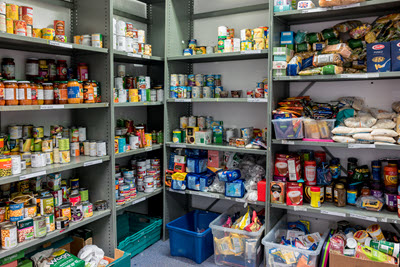
Begin by assessing your household’s needs and prioritizing items that are essential for your health, hygiene, and sustenance. Create a list of necessities, including medications, non-perishable food, personal hygiene products, and any other critical supplies. Having a clear understanding of what you need will help you focus your efforts on acquiring these items first.
2. Explore Alternative Shopping Venues
Large retailers and grocery stores are not your only options. Local smaller stores, ethnic markets, and online platforms may not face the same degree of demand and could have more relaxed purchasing limits. Exploring these alternatives can increase your chances of finding what you need without running into restrictive buying limits.
3. Leverage Community Networks
Community support networks, such as neighborhood groups on social media platforms, can be invaluable during emergencies. These groups often share information about which stores are well-stocked, and members may be willing to trade items or offer extras of what they have. Participating in these networks not only helps you find supplies but also strengthens community bonds.
4. Bulk Buying Clubs and Co-ops
Joining a bulk buying club or a cooperative can be an effective way to access larger quantities of essentials. These organizations often purchase directly from suppliers, bypassing retail limits. Membership might come with a fee, but the access to necessary goods without restrictions can be well worth the cost.
5. Build Relationships with Local Retailers
Establishing a rapport with the staff and management at local stores can provide you with insider information on delivery schedules and when new stock is expected. Some stores may also be willing to set aside items for regular customers, allowing you to bypass general purchasing limits.
6. Alternative Products and DIY Solutions
When specific products are in short supply, consider alternatives that meet the same needs. For example, if disinfectant wipes are unavailable, you can make your own sanitizing solutions with bleach or alcohol. Being flexible and creative with the products you use can help mitigate the impact of purchasing limits.
7. Monitor and Respond to Changing Restrictions
Keep abreast of news and updates from retailers and government sources regarding purchasing limits and supply chain developments. Being informed allows you to adjust your strategies as the situation evolves, helping you to better navigate restrictions.
8. Practice Ethical Shopping
To wrap up, while it’s important to ensure your household has what it needs, it’s equally important to shop ethically. Hoarding contributes to shortages and affects the most vulnerable members of our communities. Purchase responsibly, keeping in mind the needs of others.
The bottom line is … PREPARE. Don’t wait until an emergency or disaster to hit to get prepared. By then, it could be too late and your family could be severely impacted. By adopting the above simple strategies, you can navigate purchasing limits and mitigate the impact of supply chain disruptions during emergencies. Planning, community cooperation, and flexibility are key to overcoming these challenges, ensuring you and your loved ones remain safe and well-provided for.
Disaster preparedness is a critical aspect of ensuring the safety and security of your family during unforeseen emergencies. Whether facing a natural calamity like a hurricane, earthquake, or flood, or dealing with human-made crises such as power outages or civil disturbances, being well-prepared can significantly mitigate risks and help maintain your family’s well-being. This detailed guide delves into the top five disaster preparedness essentials, providing a thorough overview to equip your family with the necessary knowledge and tools to navigate emergencies confidently. These essentials include establishing an emergency communication plan, securing life essentials such as water and food supplies, ensuring appropriate shelter and clothing, stocking up on first aid and medical supplies, and formulating comprehensive emergency evacuation plans.
Emergency Communication Plan in Place
Effective communication is the cornerstone of disaster response and recovery. The aftermath of a disaster often brings chaos and confusion, making it challenging to stay connected with family members. An emergency communication plan serves as a vital tool to overcome these challenges, ensuring that every family member knows how to contact one another and where to rendezvous if separated during a crisis.
The creation of a family emergency communication plan starts with identifying a common meeting place outside your home, a familiar and easily accessible location such as a community center or a local park. This is crucial if an emergency prevents access to or egress from your home. Additionally, appointing an out-of-state friend or relative as a central point of contact can provide an invaluable communication link. During disasters, local communication networks might be overwhelmed or down, while long-distance communications could still be operational.
The plan should encompass various communication methods, including text messages, social media, and emergency notification systems, which can be more reliable than voice calls in strained networks. Ensure that every family member, including children, knows how to use these methods. Distributing physical and digital copies of important contact information, including emergency services, medical facilities, and family contacts, is also essential. Regularly practicing and updating your communication plan ensures it remains effective and that everyone understands their role during an emergency.
Life Essentials – Water and Food Supply for the Family
Access to clean water and sufficient food is paramount in disaster situations. The Federal Emergency Management Agency (FEMA) recommends storing at least one gallon of water per person per day for drinking and sanitation, aiming for a minimum three-day supply. For a family of four, this equates to storing at least 12 gallons of water. When selecting containers for water storage, opt for clean, food-grade containers, and replace the water every six months to ensure its safety.
Food supplies should focus on non-perishable items that do not require refrigeration, cooking, or significant water for preparation. Stock up on canned goods, including fruits, vegetables, and meats, alongside ready-to-eat cereals, energy bars, and dried fruits. Consider the dietary needs and preferences of your family members, including any allergies or health conditions that may dictate specific food choices. Aiming for a two-week supply offers greater security for extended emergencies. Regular rotation of your food stock ensures freshness and reduces waste by using items close to their expiration date.
Shelter and Clothing
The importance of reliable shelter and appropriate clothing cannot be overstated in disaster preparedness. Your home is your primary shelter; thus, reinforcing its safety to withstand various disaster scenarios is crucial. This may involve securing heavy furniture to walls, reinforcing windows against storms, or retrofitting structures in earthquake-prone areas.
In addition to fortifying your home, prepare for potential evacuation or situations where parts of your home may become unsafe. Emergency blankets, sleeping bags, and portable shelters can provide temporary refuge. Clothing plays a significant role in protection against the elements. Assemble a set of emergency clothing for each family member, including durable footwear, weather-appropriate outerwear, and special items for extreme conditions, such as thermal layers in cold climates or breathable fabrics in hot environments.
First Aid and Medical Supplies
A comprehensive first aid kit is a lifeline during emergencies, equipped to address minor injuries and stabilize conditions until professional medical help is available. Essential items include various sizes of bandages, antiseptics, sterile gloves, pain relievers, and prescription medications specific to family members’ needs. Also, consider adding items like thermal blankets, which can be crucial for treating shock, and tools like tweezers and scissors.
Knowledge of basic first aid procedures complements your medical supplies. Consider enrolling in first aid and CPR courses offered by organizations such as the American Red Cross. Familiarity with these lifesaving techniques empowers you to act confidently and effectively in emergency situations, potentially saving lives.
Emergency Evacuation Plans
Understanding when and how to evacuate is a critical component of disaster preparedness. Develop a clear evacuation plan that includes multiple escape routes from your home and neighborhood, taking into account different types of disasters that could necessitate leaving your area. Identify locations of local emergency shelters and plan your route to these safe havens. For those dependent on vehicles for evacuation, maintaining a half-full gas tank at all times ensures readiness for immediate departure. For families without personal transportation, research public transportation options and community evacuation plans.
Each family member should have a personal “go bag” packed with essentials such as important documents, basic necessities, and personal items. These bags should be easily accessible and regularly updated to reflect changes in personal or medical information. Regular drills and discussions about the evacuation plan enhance familiarity with the process, reducing confusion and panic during actual emergencies.
Conclusion
Preparing for disasters requires a multifaceted approach, encompassing clear communication strategies, securing essential supplies, ensuring safe shelter and clothing, maintaining comprehensive first aid kits, and formulating detailed evacuation plans. By addressing these five critical areas, you can significantly enhance your family’s resilience in the face of disasters. Remember, the effectiveness of your preparedness efforts lies not only in the acquisition of supplies and knowledge but also in the continuous review and practice of your plans. Adopting a proactive stance towards disaster preparedness can safeguard your family’s well-being, providing peace of mind amidst the uncertainties of emergency situations.

 Storing emergency water is a crucial part of preparedness planning. The first step is to identify suitable containers for storage. Food-grade water storage containers are an ideal choice as they are designed to prevent bacterial growth. Stainless steel containers are also a good option, but avoid those with any form of plastic lining.
 1. Plan Ahead and Prioritize