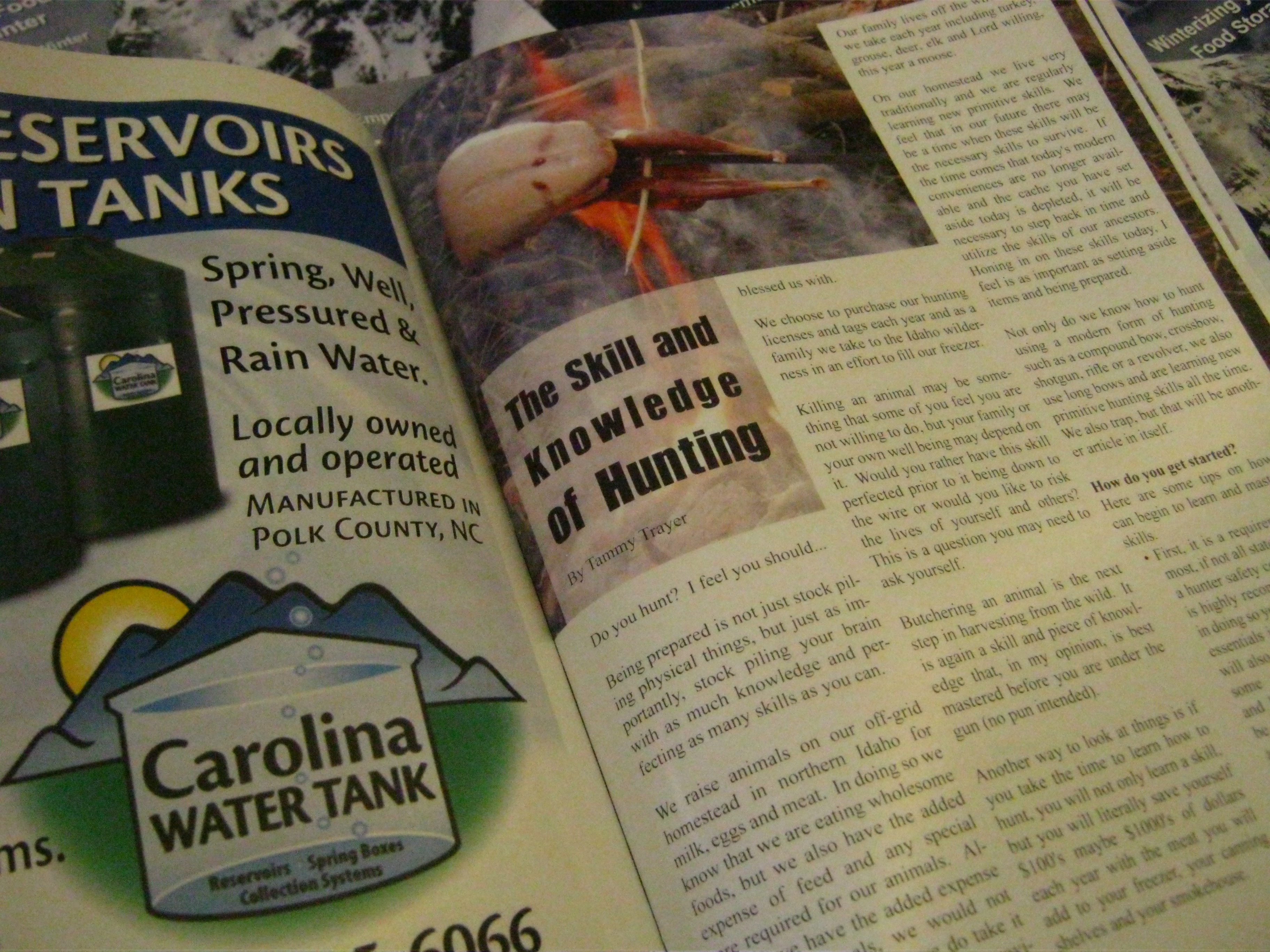
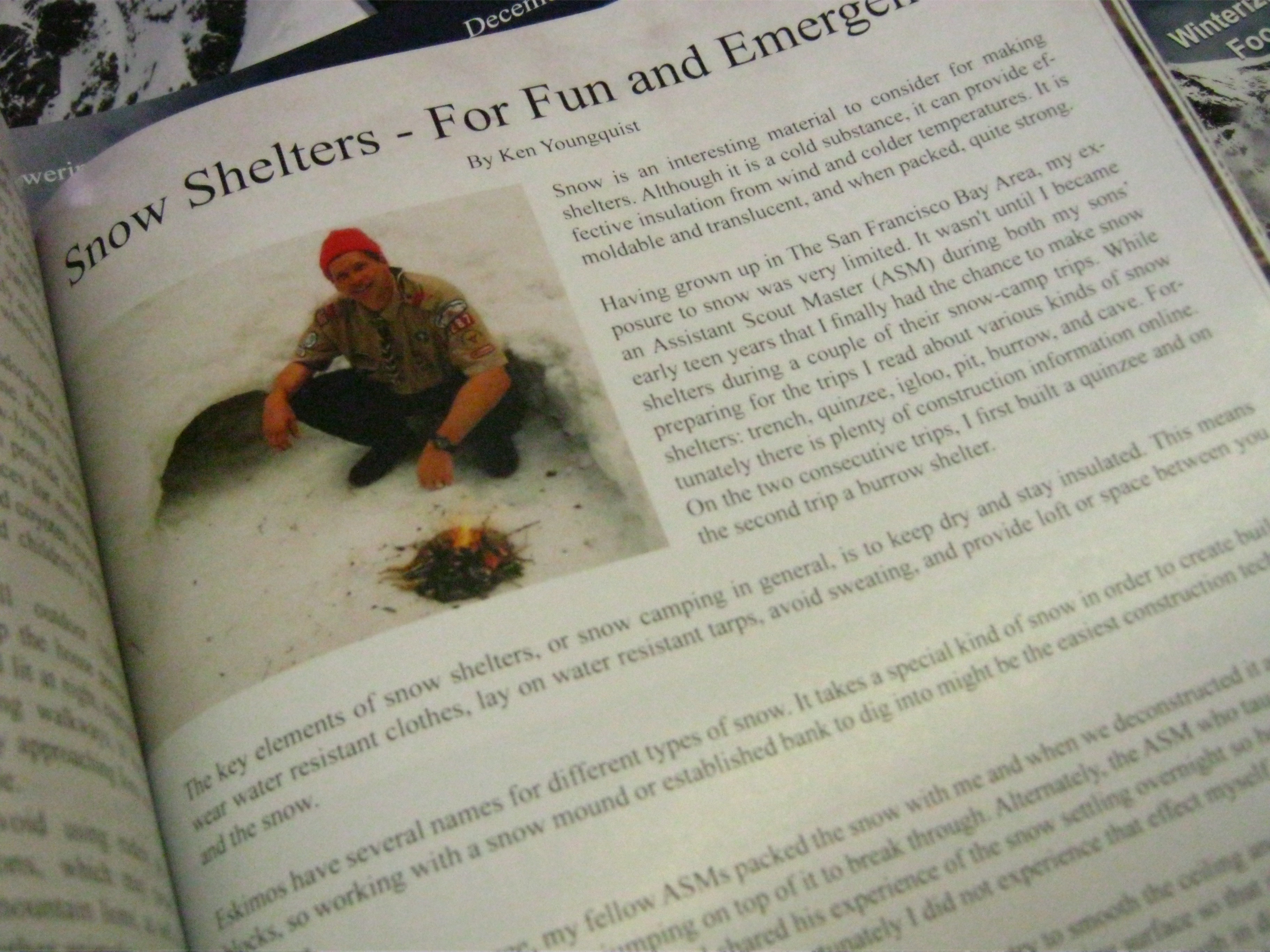
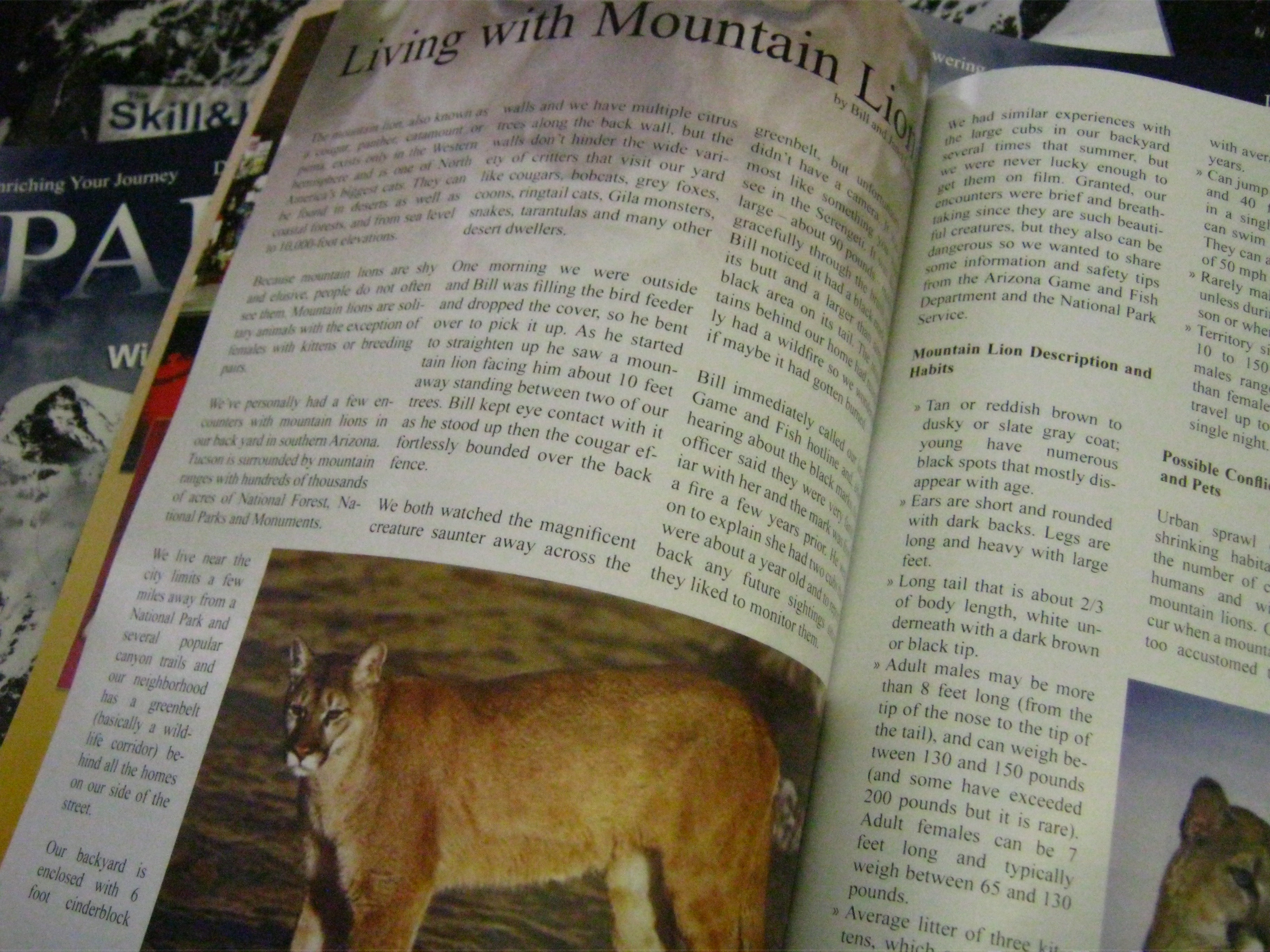
If you’re a print edition subscriber, the latest print issue of PREPARE Magazine will be in your mail box soon! Hot off the presses the much awaited third print issue is ready to mail. Take a little sneak peek inside:
What can I expect in the latest print issue of PREPARE Magazine?
The latest print issue of PREPARE Magazine includes a variety of engaging topics designed to help you prepare for different situations. You'll find articles on growing food in the winter, creating a multi-seasonal car kit, and managing situational depression. Additionally, there's a book review on Survival Mom and practical advice for dealing with power outages. This issue is packed with valuable information to enhance your preparedness skills.
How does the print edition of PREPARE Magazine differ from the monthly issues?
The print edition of PREPARE Magazine offers in-depth articles and features that are not typically found in the monthly digital issues. Subscribers to the print version receive exclusive content, including detailed guides and expert insights. This allows readers to dive deeper into topics that matter most to them, enhancing their overall preparedness. If you're considering a subscription, this latest issue showcases the unique value of the print format.
Are there any special features in the upcoming print issue of PREPARE Magazine?
Yes, the upcoming print issue of PREPARE Magazine includes special features that focus on practical preparedness strategies. For instance, you'll learn about solar collectors that can help reduce your electric bill, which is especially useful during power outages. The issue also highlights seasonal tips for food growing and survival techniques, making it a comprehensive resource for readers. These features are designed to equip you with actionable knowledge for various scenarios.
How can I subscribe to the print edition of PREPARE Magazine?
Subscribing to the print edition of PREPARE Magazine is easy and can be done through the magazine's website. You'll find options for different subscription lengths, allowing you to choose what works best for you. Once subscribed, you can look forward to receiving the latest issues directly in your mailbox, including the highly anticipated upcoming edition. Don't miss out on the valuable content that comes with being a print subscriber!
Food Security with Machinery from the Past: A Walk Behind Tractor
By Guest Blogger: David B.
When our modern petrochemical food commodity production and distribution system falters from natural causes of weather, drought, disease, pests, mismanaged crop genetics or fails from a disruption of transportation, communication or power systems, or socio-economic meltdown, if we do not have a secure food supply we become a refugee.
Consider that 100 cases of pork and beans will fill up a pickup truck; you will be licking the bottom of the last can in a month if you have a dozen friends and family. Do not plan on unsustainable hunting and gathering as too major of a part of your food supply.
Consider the amount of these essential storable foods required per person per year (PPPY).
GRAINS: Wheat 200#, Corn 40#, Oats 40#, Rice 80#,
LEGUMES: Dry Beans and Peas, 66# .
To grow this list requires one half acre PPPY (based on 2002 USDA non-irrigated crop yields, reduced by 2/3 for production inefficiencies, and similar to 1950 yields). Fruits and vegetables in any form enhance the nutritional value of this diet. A laying hen will need 100 pounds of grain, and milk or meat animals require multiples of their own weight per year.
For thousands of years civilizations have thrived using draft animals in intensive agriculture. Many people advocate acquiring vintage draft farm machinery for large scale sustainable food production. With the industrial revolution came more powerful machinery allowing large scale commercial agriculture, regional marking, urbanization and loss of self sufficiency. While wartime Victory Gardens often provided 50% of the fresh food for many families, primarily because many urban populations had the skills from a rural heritage and were motivated by rationing.
70 years ago Sears Roebuck & Co. partnered with DAVID BRADLEY CO. (DB), a respected Illinois farm machinery manufacturer and marketed inexpensive walk behind garden tractors. Tens of thousands of versatile DB tractors were sold nationwide from the famous catalog. Basically just a massive reduction transmission with auto tires and handlebars, a walk behind tractors had a rear drawbar for easily attaching actual farming implements. These included a moldboard turning and middle plows, disk and spike harrows, planters, interchangeable tool cultivators, cultipacker, hay rake, lawn roller, riding sulky, or a utility cart. Quickly interchangeable front mounting and power take off (PTO) for reel, rotary, and sickle mowers, tree and cordwood saws, dozer blades, snow throwers, compressors, orchard sprayers, and generators were also available. The belted motor pulley was used for PTO operated machinery such as grain mills, windmill pumps or a washing machine. The single cylinder 2 to 5 HP air cooled gasoline lawnmower engines were simple and reliable, repairable and replaceable. DB tractors were produced until the late 1960’s when leisure replaced personal reliance.
With a properly equipped walk behind garden tractor you can have your Victory Garden and maintain your yard and woodlot. When you need to plant and harvest acres of grain fields or row crops on urban vacant lots or waste ground, a suburban golf course, or abandoned farm land you can do that, too. The front quick mount and PTO has been used for portable home built time saving equipment including water pumps, pressure washers, gravel or compost trommels, leaf and brush shredders, broadcast seeders, winnowing fans, and grain conveyors. Because these economical tractors use only a quart of gasoline per hour you can store a season’s worth of fuel in the tank of an unused auto, or distill corn beer into ethanol fuel. Walking tractors have also been harnessed to a mule or converted to pedal power, and recently even solar-electric powered.
While most have been sold for scrap iron, DAVID BRADLEY tractors can still be found as rural ‘yard art’, behind old barns and fence rows, online auction sites, vintage tractor club meets, or by posting ‘wanted’ ads in local newspapers and grocery markets. You can find a restored tractor plus common attachments for less than 100 cases of pork and beans, or a repairable one for $20. Disclaimer: Vintage equipment does not meet current consumer safety guidelines and requires operator vigilance and common sense.
Consider a DAVID BRADLEY walk behind tractor as one of your preparations; begin your searching, and don’t overlook a supply of heirloom seed.
Guest Blogging Author’s Bio: David B. is a retired engineer relocated from California to a rural Wisconsin homestead, utilizing expertise in a practical, sustainable lifestyle.
If you’ve waited to subscribe for your free digital year of PREPARE Magazine, NOW is the time to do it. Along with all the subscription, each new subscriber will be given The “NO DIET” Diet Guide. (Valued $4.99 on Kindle)!
When you confirm your subscription – you’re subscribed. That’s it! You’ll immediately get the link for the January 2014 Digital publication of PREPARE Magazine and get started with your subscription right away (after you click the confirm email that you get when you subscribe).
It’s that easy!
The first digital issue of PREPARE Magazine this year focuses on the importance of health, fitness and wellness in our preparedness plans. It is crucial that we address our health and fitness in order to deal with the stresses that will come as a result of difficulties or emergencies.
We are going to take it one step further and give you more than the great content in January’s Issue. Besides receiving a link each month to view a vibrant full colored digital magazine, if you subscribe by January 31, 2014 you will also receive this BONUS: The “NO DIET” Diet Guide
One of our contributors, Jamie L. Burleigh, has offered us the opportunity to share a Special Report (and guide) which he wrote – outlining how he lost 100lbs in ten months. THAT IS ABSOLUTELY AMAZING!
Congratulations Jamie, and THANK YOU for allowing us to share this short guide with others!
Here is what Jamie has to say in the introduction …
“I have been overweight my whole life,and struggled with bad eating habits and the conveniences of fast food and poor eating choices for as long as I could remember. One day I felt fed up with my life, how I looked,and was sick and tired of BEING sick and tired!
I will not sugar coat the realities of my own personal choices Nor will tell you how to live your life as everyone’s individual lifestyle and circumstances are vastly different.What I do want is to share my own personal triumphs of overcoming bouts of depression and obesity. This informational guide is all you need to help you make the right decision every time that you go to the market to buy food for you and your family.”
Popular Questions
What is the fastest way to improve January BONUS! FREE Digital Year plus The “No Diet” Diet Guide without making beginner mistakes?
The fastest way to improve January BONUS! FREE Digital Year plus The “No Diet” Diet Guide is to simplify the process and control one variable at a time. Start with the most important baseline: define the goal, identify the main failure point, and test one change before making another. Keep short notes so you can connect the outcome to the adjustment you made.
What should you check first when January BONUS! FREE Digital Year plus The “No Diet” Diet Guide is not working well?
Check the most immediate bottlenecks first: setup errors, missing inputs, bad timing, or inconsistent follow-through. Before buying anything new or changing the whole system, confirm that the basics are being done correctly and consistently. A small diagnostic checklist usually reveals the real problem faster than broad trial and error. Once the weak point is clear, make one correction and watch the result before adjusting anything else.
What common mistakes make January BONUS! FREE Digital Year plus The “No Diet” Diet Guide harder than it needs to be?
The most common mistakes are changing too many variables at once, skipping the basics, and judging results too quickly. Many people also copy generic advice without adapting it to their exact situation, which leads to weak results and confusion. A better approach is to work from a simple baseline, make measured changes, and give each change enough time to show whether it helped. That makes progress easier to track and repeat.
We are excited to announce some good news on the horizon!
The print issues of PREPARE Magazine will soon be found in major news-stand outlets, shops and racks across the globe! And to celebrate we want to give a life-time subscription away to one fortunate person.
You can easily enter the form below to rack up the points and win the prize.
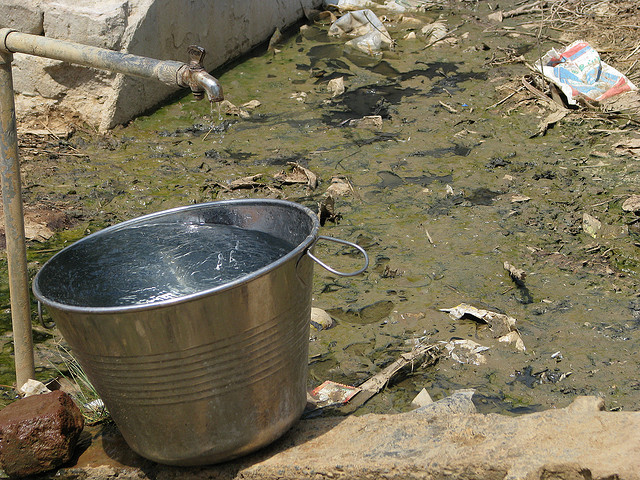
This is a compilation of options for improving your odds of having safer water when you do not trust the available water supply. Many of the ideas below were discussed with knowledgeable friends, but they are not FDA-approved instructions. Research these methods carefully and understand the directions before relying on them in an emergency.
Drinking Water Background
You do not technically need to sterilize water. Sterilization means destroying all microorganisms in, on, and around an object. For drinking water, the practical goal is usually disinfection: reducing or killing pathogenic organisms that can cause disease.
Disinfection can be done through several methods, including filtration, heat, ozonation, and chemical treatment.
Boiling and Pasteurization
Despite many stories to the contrary, boiling water can disinfect it. At most elevations people are likely to encounter, the boiling point of water is high enough to kill or denature disease-causing organisms. A rolling boil is the key point.
Pasteurization kills disease-causing organisms in water by heating it to 65°C / 149°F for a short period of time. This can address microbes including E. coli, rotaviruses, Giardia, and the Hepatitis A virus.
A WAPI, or Water Pasteurization Indicator, uses heat-specific soy wax to help determine when water has reached pasteurization temperature. Some WAPI models include stainless steel cable and brass end caps designed to tolerate high heat, making them useful over an open flame or in solar cooking situations.
Filtration
Filtration can be effective when the filter has an absolute rating of 0.2 microns or smaller. Some people use iodine crystals first and then filter the water afterward.
Chemical Disinfection
Chemical disinfection usually involves adding a chemical such as chlorine or iodine to the water. It is often quick, economical, and effective when the correct chemical, concentration, and contact time are used.
Purifying Water With Bleach
Regular liquid bleach is not stable indefinitely. It gradually breaks down and may become ineffective over time. Bleach that is roughly one year old may require a stronger dose, while bleach near two years old may no longer be reliable.
Purifying Water With Calcium Hypochlorite
Calcium hypochlorite, often sold as pool shock, can store much longer in dry form than liquid bleach. It can be mixed into a fresh chlorine solution as needed.
Use only granular pool shock that lists calcium hypochlorite as the active ingredient and does not include algaecides, fungicides, scents, softeners, or other additives that may be unsafe for drinking water treatment.
Mixing Calcium Hypochlorite
In an extremely well-ventilated area, preferably outside, dissolve one heaping teaspoon of high-test granular calcium hypochlorite, approximately 1/4 ounce, into two gallons of water. This produces a stock chlorine solution.
To disinfect water, add one part of this chlorine solution to 100 parts water. A practical small-batch version is to add about 2.5 tablespoons of the stock solution to one gallon of water. Mix thoroughly, cover, and allow it to stand for 30 minutes.
The treated water should have a slight chlorine odor. If it does not, repeat the dosage and allow it to stand for an additional 15 minutes. If the chlorine taste is too strong, let the water stand exposed to air for a few hours or pour it between clean containers several times.
General Water Treatment Process
Water from open sources should be treated before use. One practical approach is a three-step process.
Pre-filtering: Remove visible sediment and larger particles by pouring water through tightly woven cloth, towels, or similar material.
Chlorinating: Disinfect the water using an appropriate chlorine treatment method.
Filtering: Use a high-quality water filter, such as a Katadyn or British Berkefeld-style filter. Some filter elements can also reduce chlorine.
Notes About Iodine
Iodine is not emphasized here because many references point to limited shelf life, specific storage requirements, and undesirable taste. Chlorine odor can indicate some remaining disinfectant level, and the odor can dissipate with aeration.
James McDonald has enjoyed camping and many aspects of outdoor life. His engineering background has encouraged him to keep digging into practical problems until they make sense.
PREPARE Magazine Disclaimer: These statements are not intended as a fail-proof guide or FDA-approved water sanitation method. They are a compilation of internet-sourced information presented in plain language. Research carefully and use these suggestions at your own risk.
Popular Questions
What is the fastest way to improve Drinking Water Background without making beginner mistakes?
The fastest way to improve Drinking Water Background is to simplify the process and control one variable at a time. Start with the most important baseline: define the goal, identify the main failure point, and test one change before making another. Keep short notes so you can connect the outcome to the adjustment you made. This prevents guesswork and helps you build a repeatable method instead of chasing random fixes.
What should you check first when Drinking Water Background is not working well?
Check the most immediate bottlenecks first: setup errors, missing inputs, bad timing, or inconsistent follow-through. Before buying anything new or changing the whole system, confirm that the basics are being done correctly and consistently. A small diagnostic checklist usually reveals the real problem faster than broad trial and error. Once the weak point is clear, make one correction and watch the result before adjusting anything else.
What common mistakes make Drinking Water Background harder than it needs to be?
The most common mistakes are changing too many variables at once, skipping the basics, and judging results too quickly. Many people also copy generic advice without adapting it to their exact situation, which leads to weak results and confusion. A better approach is to work from a simple baseline, make measured changes, and give each change enough time to show whether it helped. That makes progress easier to track and repeat.
Find the gaps most families don’t notice until something goes wrong.
Free. Practical. No fear-mongering.
By requesting this resource, you agree to receive practical PREPARE Magazine guides, tools, and email updates. You can unsubscribe anytime. Privacy Policy