by Prepare Magazine | Apr 5, 2025 | Blog
True. The digital version is free. Having the free version does meet a core belief system of our Chief Visionary Officer, Joseph Miller: “To reach as many people as possible with positive words of preparedness encouragement.”
But there are many more needs that are met via the bi-monthly, printed issues of PREPARE Magazine that the free version doesn’t fulfill. Benefits of which you may not have been aware.
Here are ten (10) reasons you want PREPARE Magazine in print:
- Print issues are not simply duplicates of the previous digital issues.
- Print issues contain approximately 50% never before released articles.
- Print issues can be referred to off line – EMP and grid-proof, cozy chair friendly and portable.
- You can build a content rich library of resources written by authors on a similar journey as you who are willing to share their expertise.
- You have a tangible resource to take on site while you to try the projects often shared in the magazine.
- The advertisement is limited. You’re not ‘sold to’ more frequently than you learn, unlike other publications.
- A beautifully designed, full-color publication is a valuable sharing tool on your coffee table or or magazine rack.
- The tactile proof to encourage others and combat the nay-Sayers. Showing that normal folks prepare and it’s not that scary or depressing.
- You want to show your support for those who hope to support you.
- Lastly, but importantly – You asked for a paper print publication, we listened and were able to meet your need.
So if you thought the paper subscription was simply a printed re-run of the free digital version, think again! You can see there is so much more to having this publication IN HAND!
If you’ve not yet subscribed there’s no time like the present. You’ll get the most recently released issue (pictured to the left) mailed to you right away!
Plus these bonus reasons….
- Save 28% for a limited time!
- For a limited time also receive the inaugural print issue (May/June 2013) for download
- Most recently released issue mailed to you immediately …while supplies last!
Popular Questions
What are the benefits of having PREPARE Magazine in print compared to the digital version?
Having PREPARE Magazine in print offers unique advantages that the digital version cannot provide. Print issues contain approximately 50% new content that is not available online, ensuring you receive fresh insights and information. Additionally, printed copies can be referred to offline, making them perfect for reading in various settings without needing an internet connection. This tangible resource allows you to build a library of preparedness knowledge that you can easily access anytime.
Why should I choose a printed subscription of PREPARE Magazine?
A printed subscription to PREPARE Magazine is a valuable investment for anyone serious about preparedness. It provides a beautifully designed, full-color publication that serves as an excellent conversation starter and sharing tool. With limited advertisements, you can focus more on learning rather than being sold to, which enhances your reading experience. Plus, you support a publication that listens to its audience's desire for a physical format.
How does PREPARE Magazine in print encourage community and support?
PREPARE Magazine in print acts as a tactile proof that encourages others to engage in preparedness. By displaying the magazine on your coffee table or magazine rack, you can inspire conversations and combat misconceptions about preparedness being scary or depressing. This visibility shows that everyday people are taking steps to prepare, fostering a sense of community among readers. Additionally, by subscribing, you are supporting a publication that aims to uplift and educate its audience.
What makes the print issues of PREPARE Magazine unique?
The print issues of PREPARE Magazine are not mere reprints of the digital content; they are curated with approximately 50% new articles and features. This unique blend of content ensures that subscribers receive valuable insights and practical advice that they won't find online. Furthermore, the print format allows for a more immersive reading experience, making it easier to engage with the material. If you're looking for a comprehensive resource on preparedness, the print edition is the way to go.
by Prepare Magazine | Apr 5, 2025 | Preparedness planning
Top 10 Bushcraft Skills you need to Survive!
Did you miss it? Do not despair!
The last LIVE webinar link is ready for Premium Members to view:
Visit HERE: RECORDED WEBINAR: Top 10 Bushcraft Skills
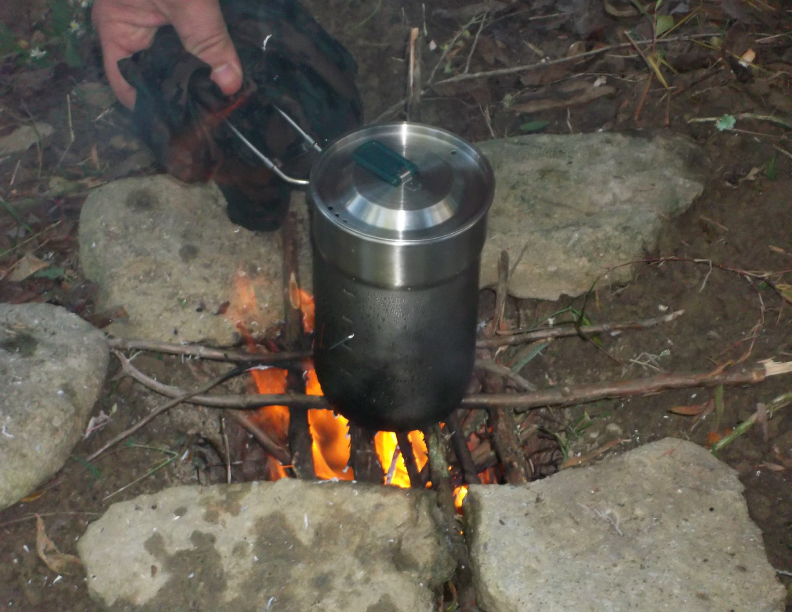
Just log-in, go to the link above and view it! Also the hand out is available to download. Below are just a couple of the slides you’ll see in the webinar. There’s a LOT to learn here! Enjoy…

by Prepare Magazine | Apr 5, 2025 | Blog
If you’re a print edition subscriber, the latest print issue of PREPARE Magazine will be in your mail box soon! Hot off the presses the much awaited third print issue is ready to mail. Take a little sneak peek inside:
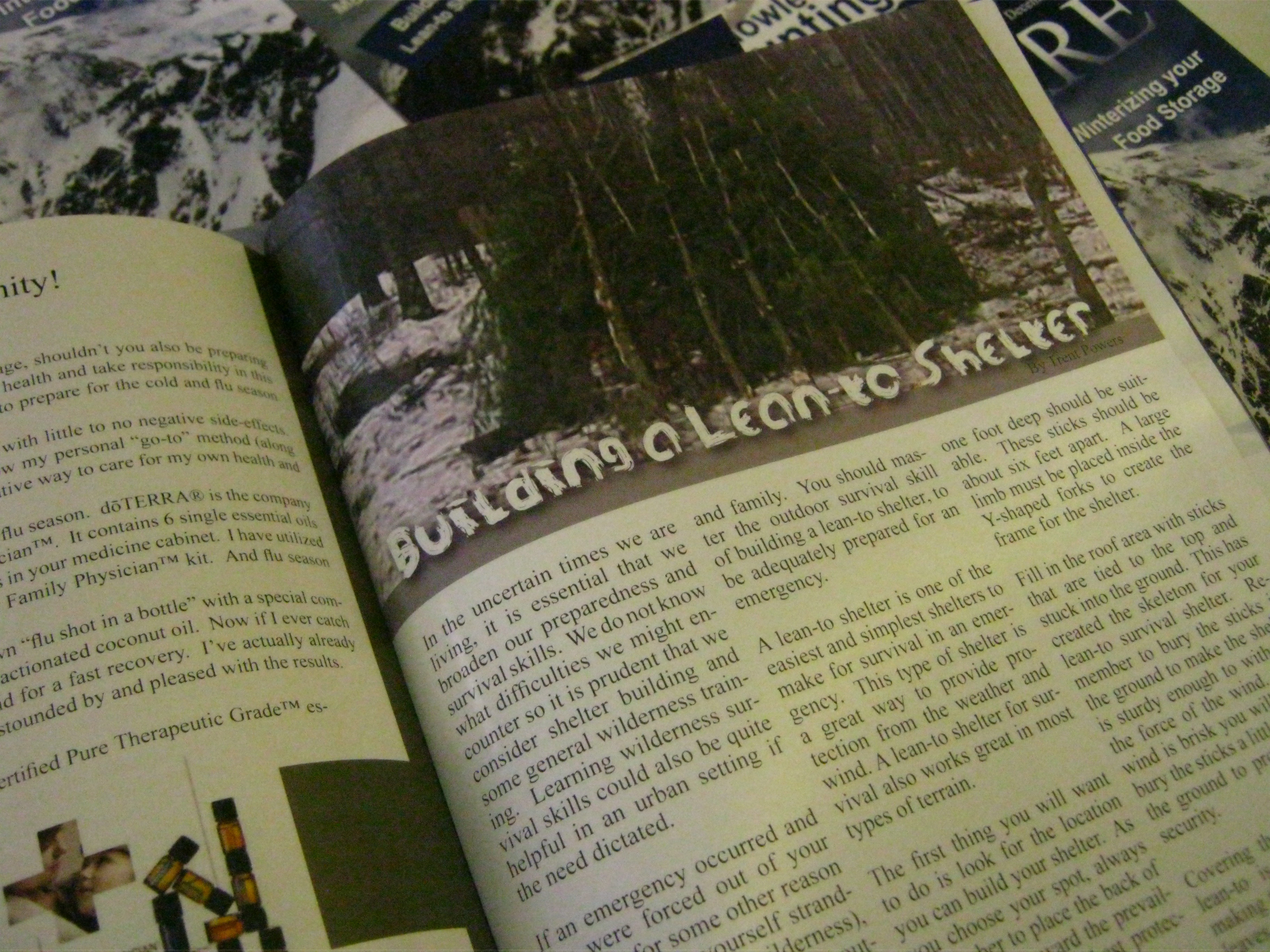
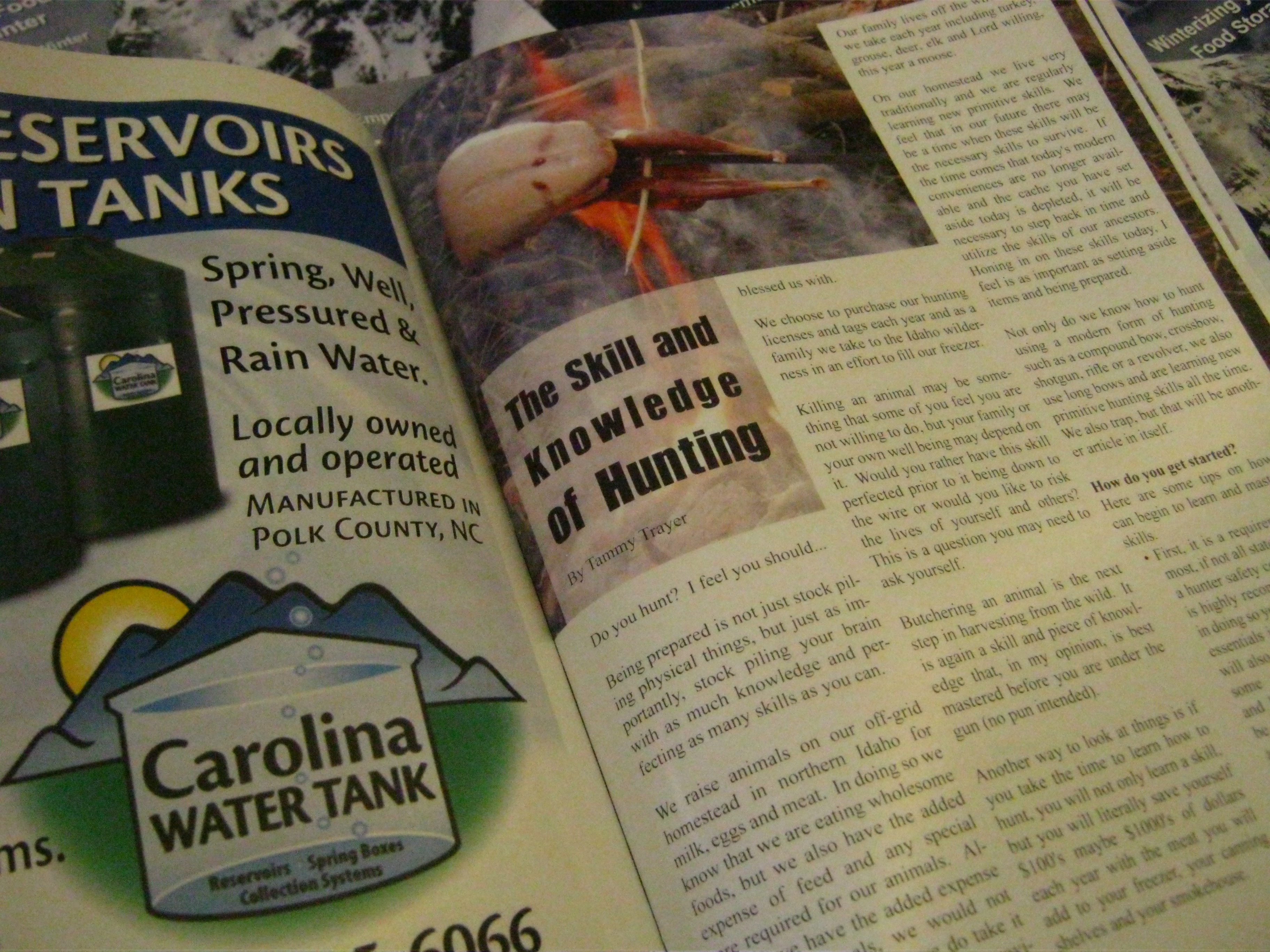
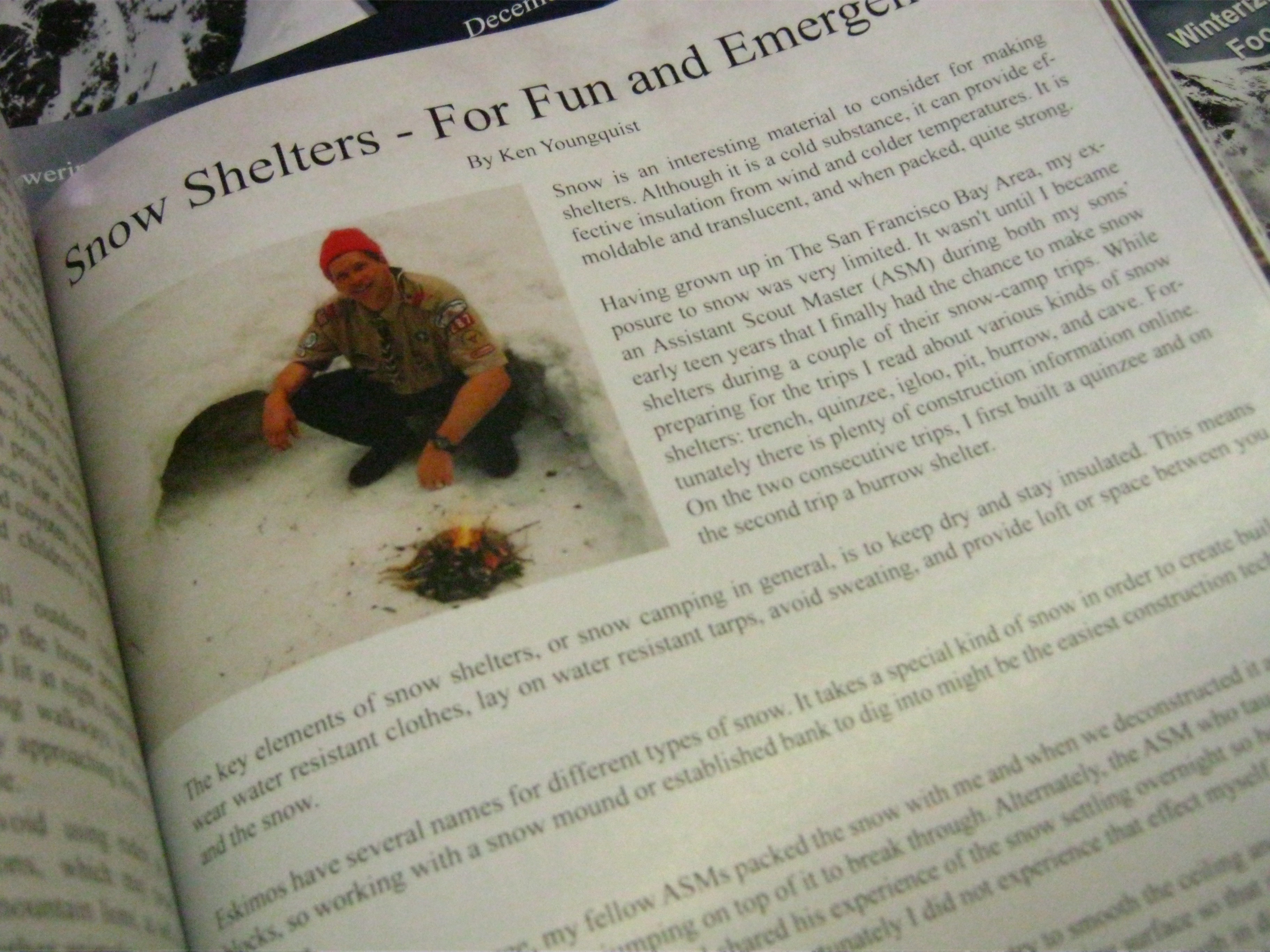
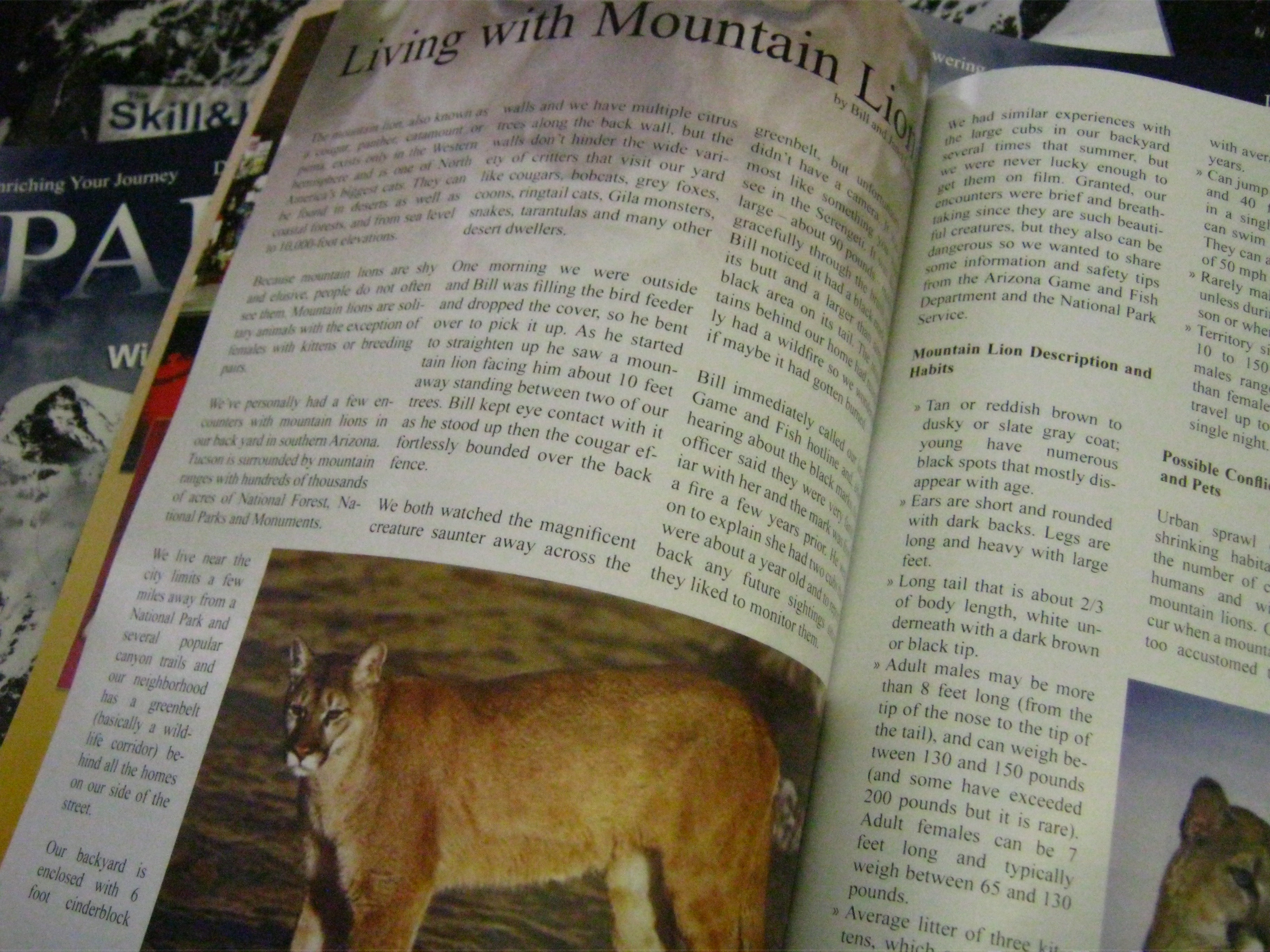
Great topics are included in this issue such as:
- Growing food in the winter.
- Make a Muli-Seasonal Car Kit
- Situational Depression
- Solar Collector Can Cut Your Electric Bill
- Book Review: Survival Mom
- Cold outside. No power? No problem!
- Many more….
If you’ve not yet subscribed to the print issues – take a look at this blog post to see what the difference is between these and our monthly issues: Ten (10) Good Reasons You Want PREPARE Magazine in Print
Popular Questions
What can I expect in the latest print issue of PREPARE Magazine?
The latest print issue of PREPARE Magazine includes a variety of engaging topics designed to help you prepare for different situations. You'll find articles on growing food in the winter, creating a multi-seasonal car kit, and managing situational depression. Additionally, there's a book review on Survival Mom and practical advice for dealing with power outages. This issue is packed with valuable information to enhance your preparedness skills.
How does the print edition of PREPARE Magazine differ from the monthly issues?
The print edition of PREPARE Magazine offers in-depth articles and features that are not typically found in the monthly digital issues. Subscribers to the print version receive exclusive content, including detailed guides and expert insights. This allows readers to dive deeper into topics that matter most to them, enhancing their overall preparedness. If you're considering a subscription, this latest issue showcases the unique value of the print format.
Are there any special features in the upcoming print issue of PREPARE Magazine?
Yes, the upcoming print issue of PREPARE Magazine includes special features that focus on practical preparedness strategies. For instance, you'll learn about solar collectors that can help reduce your electric bill, which is especially useful during power outages. The issue also highlights seasonal tips for food growing and survival techniques, making it a comprehensive resource for readers. These features are designed to equip you with actionable knowledge for various scenarios.
How can I subscribe to the print edition of PREPARE Magazine?
Subscribing to the print edition of PREPARE Magazine is easy and can be done through the magazine's website. You'll find options for different subscription lengths, allowing you to choose what works best for you. Once subscribed, you can look forward to receiving the latest issues directly in your mailbox, including the highly anticipated upcoming edition. Don't miss out on the valuable content that comes with being a print subscriber!
by Prepare Magazine | Apr 5, 2025 | Guest Bloggers
Food Security with Machinery from the Past: A Walk Behind Tractor
By Guest Blogger: David B.
When our modern petrochemical food commodity production and distribution system falters from natural causes of weather, drought, disease, pests, mismanaged crop genetics or fails from a disruption of transportation, communication or power systems, or socio-economic meltdown, if we do not have a secure food supply we become a refugee.
Consider that 100 cases of pork and beans will fill up a pickup truck; you will be licking the bottom of the last can in a month if you have a dozen friends and family. Do not plan on unsustainable hunting and gathering as too major of a part of your food supply.
Consider the amount of these essential storable foods required per person per year (PPPY).
GRAINS: Wheat 200#, Corn 40#, Oats 40#, Rice 80#,
LEGUMES: Dry Beans and Peas, 66# .
To grow this list requires one half acre PPPY (based on 2002 USDA non-irrigated crop yields, reduced by 2/3 for production inefficiencies, and similar to 1950 yields). Fruits and vegetables in any form enhance the nutritional value of this diet. A laying hen will need 100 pounds of grain, and milk or meat animals require multiples of their own weight per year.
For thousands of years civilizations have thrived using draft animals in intensive agriculture. Many people advocate acquiring vintage draft farm machinery for large scale sustainable food production. With the industrial revolution came more powerful machinery allowing large scale commercial agriculture, regional marking, urbanization and loss of self sufficiency. While wartime Victory Gardens often provided 50% of the fresh food for many families, primarily because many urban populations had the skills from a rural heritage and were motivated by rationing.
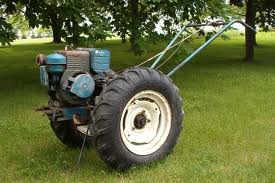
70 years ago Sears Roebuck & Co. partnered with DAVID BRADLEY CO. (DB), a respected Illinois farm machinery manufacturer and marketed inexpensive walk behind garden tractors. Tens of thousands of versatile DB tractors were sold nationwide from the famous catalog. Basically just a massive reduction transmission with auto tires and handlebars, a walk behind tractors had a rear drawbar for easily attaching actual farming implements. These included a moldboard turning and middle plows, disk and spike harrows, planters, interchangeable tool cultivators, cultipacker, hay rake, lawn roller, riding sulky, or a utility cart. Quickly interchangeable front mounting and power take off (PTO) for reel, rotary, and sickle mowers, tree and cordwood saws, dozer blades, snow throwers, compressors, orchard sprayers, and generators were also available. The belted motor pulley was used for PTO operated machinery such as grain mills, windmill pumps or a washing machine. The single cylinder 2 to 5 HP air cooled gasoline lawnmower engines were simple and reliable, repairable and replaceable. DB tractors were produced until the late 1960’s when leisure replaced personal reliance.
With a properly equipped walk behind garden tractor you can have your Victory Garden and maintain your yard and woodlot. When you need to plant and harvest acres of grain fields or row crops on urban vacant lots or waste ground, a suburban golf course, or abandoned farm land you can do that, too. The front quick mount and PTO has been used for portable home built time saving equipment including water pumps, pressure washers, gravel or compost trommels, leaf and brush shredders, broadcast seeders, winnowing fans, and grain conveyors. Because these economical tractors use only a quart of gasoline per hour you can store a season’s worth of fuel in the tank of an unused auto, or distill corn beer into ethanol fuel. Walking tractors have also been harnessed to a mule or converted to pedal power, and recently even solar-electric powered.
While most have been sold for scrap iron, DAVID BRADLEY tractors can still be found as rural ‘yard art’, behind old barns and fence rows, online auction sites, vintage tractor club meets, or by posting ‘wanted’ ads in local newspapers and grocery markets. You can find a restored tractor plus common attachments for less than 100 cases of pork and beans, or a repairable one for $20. Disclaimer: Vintage equipment does not meet current consumer safety guidelines and requires operator vigilance and common sense.
Consider a DAVID BRADLEY walk behind tractor as one of your preparations; begin your searching, and don’t overlook a supply of heirloom seed.
Guest Blogging Author’s Bio: David B. is a retired engineer relocated from California to a rural Wisconsin homestead, utilizing expertise in a practical, sustainable lifestyle.
by Prepare Magazine | Apr 5, 2025 | Preparedness planning
 Free plus Free equals Free.
How good is that? It’s Awesome!
If you’ve waited to subscribe for your free digital year of PREPARE Magazine, NOW is the time to do it. Along with all the subscription, each new subscriber will be given The “NO DIET” Diet Guide. (Valued $4.99 on Kindle)!
When you confirm your subscription – you’re subscribed. That’s it! You’ll immediately get the link for the January 2014 Digital publication of PREPARE Magazine and get started with your subscription right away (after you click the confirm email that you get when you subscribe).
It’s that easy!
The first digital issue of PREPARE Magazine this year focuses on the importance of health, fitness and wellness in our preparedness plans. It is crucial that we address our health and fitness in order to deal with the stresses that will come as a result of difficulties or emergencies.
We are going to take it one step further and give you more than the great content in January’s Issue. Besides receiving a link each month to view a vibrant full colored digital magazine, if you subscribe by January 31, 2014 you will also receive this BONUS: The “NO DIET” Diet Guide
One of our contributors, Jamie L. Burleigh, has offered us the opportunity to share a Special Report (and guide) which he wrote – outlining how he lost 100lbs in ten months. THAT IS ABSOLUTELY AMAZING!
Congratulations Jamie, and THANK YOU for allowing us to share this short guide with others!
Here is what Jamie has to say in the introduction …
“I have been overweight my whole life,and struggled with bad eating habits and the conveniences of fast food and poor eating choices for as long as I could remember. One day I felt fed up with my life, how I looked,and was sick and tired of BEING sick and tired!
I will not sugar coat the realities of my own personal choices Nor will tell you how to live your life as everyone’s individual lifestyle and circumstances are vastly different.What I do want is to share my own personal triumphs of overcoming bouts of depression and obesity. This informational guide is all you need to help you make the right decision every time that you go to the market to buy food for you and your family.”
Popular Questions
What is the fastest way to improve January BONUS! FREE Digital Year plus The “No Diet” Diet Guide without making beginner mistakes?
The fastest way to improve January BONUS! FREE Digital Year plus The “No Diet” Diet Guide is to simplify the process and control one variable at a time. Start with the most important baseline: define the goal, identify the main failure point, and test one change before making another. Keep short notes so you can connect the outcome to the adjustment you made.
What should you check first when January BONUS! FREE Digital Year plus The “No Diet” Diet Guide is not working well?
Check the most immediate bottlenecks first: setup errors, missing inputs, bad timing, or inconsistent follow-through. Before buying anything new or changing the whole system, confirm that the basics are being done correctly and consistently. A small diagnostic checklist usually reveals the real problem faster than broad trial and error. Once the weak point is clear, make one correction and watch the result before adjusting anything else.
What common mistakes make January BONUS! FREE Digital Year plus The “No Diet” Diet Guide harder than it needs to be?
The most common mistakes are changing too many variables at once, skipping the basics, and judging results too quickly. Many people also copy generic advice without adapting it to their exact situation, which leads to weak results and confusion. A better approach is to work from a simple baseline, make measured changes, and give each change enough time to show whether it helped. That makes progress easier to track and repeat.