What Foods Store Well Without Refrigeration Systems: Essential Examples and Storage Methods

When considering food storage without refrigeration, it’s important to prioritize shelf stability, nutrient retention, and safety. Canned goods, for instance, can last for years if stored in a cool, dark place, while dry grains and legumes must be kept in airtight containers to prevent pest infestations. Root vegetables like potatoes and carrots can last for weeks or even months in a cool, dark area. Proper storage methods can help you avoid common mistakes that lead to spoilage and waste.

Many people overlook the importance of understanding the specific storage needs of each food type. For example, while nuts are generally shelf-stable, they can go rancid if exposed to heat or light. Similarly, dried fruits can attract pests if not stored properly. By knowing which foods store best without refrigeration and how to manage their storage conditions, you can ensure a reliable food supply during emergencies.

Canned Goods: Long-lasting and Versatile

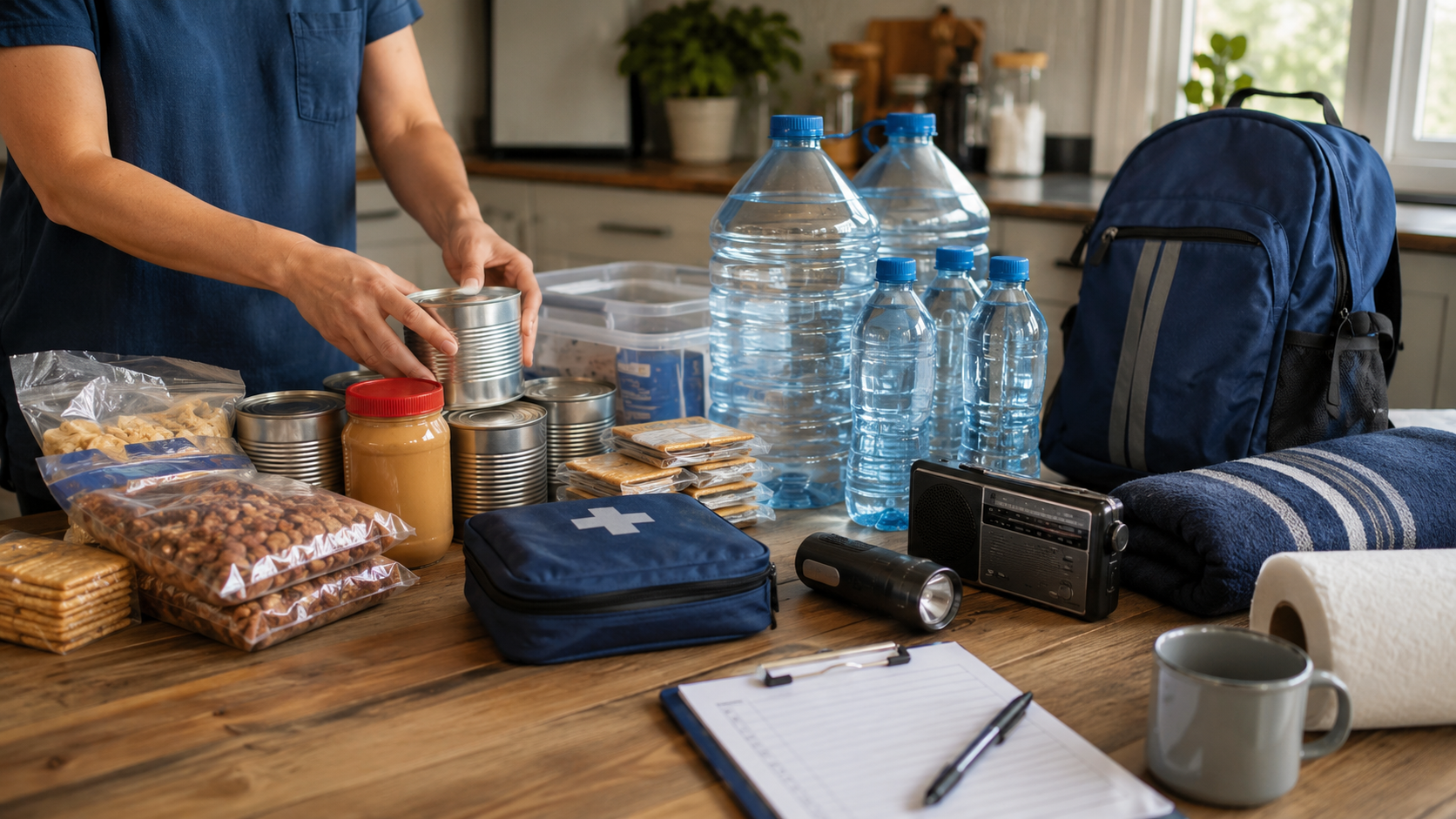
Canned goods are among the most reliable foods that can be stored without refrigeration. They are sealed in airtight containers, which prevents spoilage and allows for a long shelf life, often exceeding two years if stored properly. Items like vegetables, fruits, beans, and meats provide essential nutrients and can be prepared in various meals.

When storing canned goods, keep them in a cool, dark place away from direct sunlight. It’s crucial to check for any signs of rust or damage to the can, as these can compromise safety. Additionally, rotating your stock by using older cans first helps maintain freshness and ensures you consume items before their expiration dates.

Many people mistakenly believe that any canned food is safe indefinitely. However, while the food may not spoil immediately after the expiration date, its quality and nutrient content may diminish over time. Regularly checking and rotating your canned goods will help you maintain a nutritious pantry.

Grains and Legumes: Nutrient-rich Staples

Grains and legumes, such as rice, quinoa, lentils, and beans, are excellent choices for long-term storage without refrigeration. These foods are nutrient-dense, providing essential carbohydrates and proteins. They can be stored in airtight containers to protect them from moisture and pests, allowing them to last for years.

To maximize their shelf life, store grains and legumes in a cool, dry environment. It’s also beneficial to use food-grade oxygen absorbers in your storage containers to minimize oxidation, which can lead to rancidity and spoilage. Understanding the appropriate cooking methods for these foods is essential, as some may require soaking or longer cooking times.

A common mistake is to overlook the importance of proper sealing. Many people store grains in their original packaging, which can lead to exposure to moisture and pests. Investing in high-quality containers will help preserve the quality of your food and ensure it’s safe to consume.

Root Vegetables: Nature’s Refrigerators

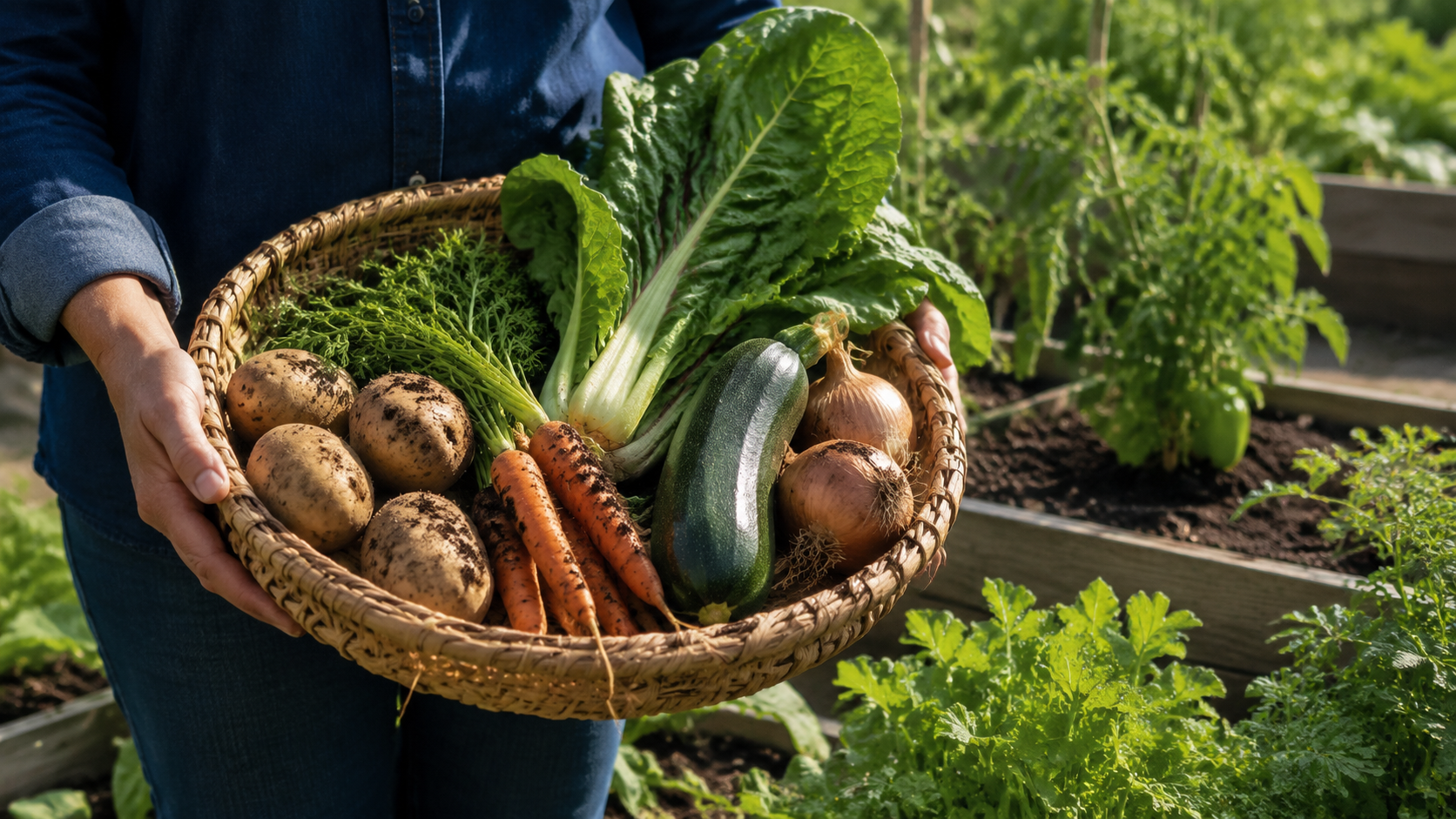
Root vegetables like potatoes, carrots, and onions are naturally resilient and can last for weeks or months without refrigeration. These vegetables thrive in cooler, dark environments, making them ideal for storage in basements or root cellars. They are versatile ingredients that can be used in a variety of dishes.

When storing root vegetables, ensure they are clean and dry to prevent rot. Keeping them in breathable bags or containers allows for air circulation, reducing the risk of spoilage. Regularly check for any signs of decay or sprouting, as these can spread to other vegetables if not addressed promptly.

Many people do not realize that some root vegetables, like sweet potatoes, prefer slightly warmer storage conditions compared to others. Understanding the specific needs of each type can help you maintain their quality and extend their shelf life.

Nuts and Dried Fruits: Healthy Snacks

Nuts and dried fruits are not only delicious but also packed with nutrients. They can be stored without refrigeration for extended periods, making them great options for snacking or adding to meals. However, their shelf life can be affected by exposure to heat and light, so proper storage is key.

Store nuts and dried fruits in airtight containers in a cool, dark place to maintain their freshness. Some nuts, like walnuts and pecans, have higher fat content and are more susceptible to rancidity, so it’s wise to consume these sooner rather than later. Keeping them in the freezer can also significantly extend their shelf life.

A common pitfall is assuming that all nuts and dried fruits are equally durable. Some varieties, like macadamia nuts, have a shorter shelf life than others. Being aware of these differences can help you make better choices for your pantry.

Best Practices for Storage

To ensure your food supplies remain safe and nutritious without refrigeration, implement best practices for storage. Always keep foods in airtight containers to prevent moisture and pests from spoiling them. Label containers with purchase dates to track freshness and use the oldest items first.

Additionally, consider the temperature and humidity of your storage area. Foods like grains and nuts thrive in cooler, drier conditions, while root vegetables prefer slightly warmer temperatures. Regularly check on your food supplies to identify any signs of spoilage early.

Many people underestimate the importance of maintaining an organized storage system. By categorizing foods and keeping track of expiration dates, you can ensure that your pantry remains functional and stocked with nutritious options.

Further Reading

For more information on food storage without refrigeration, consider visiting reputable sources that specialize in food preservation and emergency preparedness. These resources can provide in-depth insights and additional tips to enhance your storage strategies.

Further Reading

Authoritative Sources

  • Ready.gov
    ready.gov

    Official U.S. preparedness guidance, checklists, and planning resources for households and emergencies.

  • FEMA
    fema.gov

    Federal emergency management resources, disaster planning information, and recovery guidance.

  • American Red Cross Emergency Preparedness
    redcross.org

    Practical emergency preparation steps, supply lists, and safety guidance for families.

  • National Weather Service
    weather.gov

    Official forecasts, hazard alerts, and weather safety information.

  • CDC Emergency Preparedness and Response
    cdc.gov

    Public health guidance for emergencies, disasters, and recovery situations.

Frequently Asked Questions

How long do canned goods last?

Canned goods can last for several years if stored properly in a cool, dark place. Always check for signs of damage or rust and rotate your stock regularly.

What is the best way to store grains?

Store grains in airtight containers in a cool, dry environment. Using food-grade oxygen absorbers can also help prolong their shelf life.

Can root vegetables be stored together?

It’s best to store root vegetables separately, as some produce gases that can cause others to spoil. For example, onions can affect potatoes.

How can I tell if nuts have gone bad?

Nuts that have gone bad may have a rancid smell or taste. Check for any signs of mold or discoloration as well.

What should I prioritize when stocking up on non-refrigerated foods?

Focus on a balance of canned goods, grains, legumes, and nutrient-dense snacks like nuts and dried fruits to ensure a well-rounded supply.

Conclusion

Understanding what foods store well without refrigeration systems is crucial for maintaining a reliable food supply in emergencies or off-grid living. By prioritizing canned goods, grains, legumes, root vegetables, and nuts, you can create a diverse and nutritious pantry. Remember to implement best storage practices to extend the shelf life of your foods and minimize waste. Regularly check your supplies, rotate items, and be aware of individual food storage needs to ensure you are prepared for any situation.

How to Handle Medical Emergencies Without Hospitals: Essential Steps and Practical Techniques

Understanding the nature of medical emergencies is crucial. Common scenarios include severe injuries, allergic reactions, or sudden illnesses. Each situation demands a specific response, and knowing how to act can make a life-saving difference. Mistakes often arise from panic or lack of information, so having a clear action plan is vital. Prioritize staying calm and assessing the situation before taking action.

Preparation is your first line of defense. Familiarize yourself with basic first aid techniques and consider taking a certified course. Stock a first aid kit with necessary supplies, including bandages, antiseptics, and any personal medications. Furthermore, having a list of emergency contacts and local resources can expedite help when needed. Many people overlook the importance of regular training and practice, leading to unpreparedness in real situations.

Recognizing Medical Emergencies

Recognizing a medical emergency is the first step towards effective management. Symptoms such as difficulty breathing, severe bleeding, or loss of consciousness are clear indicators that immediate action is required. Understanding these signs can prevent worsening conditions and facilitate timely intervention.

Common emergencies include heart attacks, strokes, and allergic reactions. Each condition has unique symptoms, and misdiagnosis can lead to critical delays in care. For instance, recognizing the signs of a stroke, such as facial drooping or speech difficulties, can prompt immediate action that may save a life. Individuals should familiarize themselves with these symptoms and prioritize learning about conditions prevalent in their area.

Many overlook the importance of situational awareness. Being aware of the environment and potential hazards can prevent emergencies from occurring in the first place. For example, knowing the locations of emergency exits and first aid kits in public places can be beneficial during a crisis.

Basic First Aid Techniques

Basic first aid techniques are essential for managing medical emergencies effectively. Skills such as CPR, wound care, and the Heimlich maneuver can significantly impact outcomes. These techniques can stabilize a patient until professional help arrives.

Performing CPR can double or triple a cardiac arrest victim’s chance of survival. It’s vital to learn the correct compression techniques and breath-to-compression ratios through certified training. Additionally, knowing how to clean and dress wounds can prevent infections and promote healing. Many people fail to act quickly due to uncertainty about how to perform these techniques, highlighting the importance of education and practice.

Regular refreshers on first aid techniques can help maintain confidence and preparedness. Individuals should practice these skills in realistic scenarios to reinforce their knowledge and ensure they can act decisively in real emergencies.

Utilizing Resources Effectively

Utilizing available resources effectively can make a significant difference during medical emergencies. This includes having a well-stocked first aid kit, knowing how to use it, and identifying local resources such as pharmacies or urgent care centers.

When faced with an emergency, assess what resources are at your disposal. This could mean using items in your home or car to address immediate needs. For instance, a clean cloth can serve as a makeshift bandage, while ice packs can help reduce swelling. Many individuals hesitate to improvise, but creativity in utilizing available materials can be crucial.

Additionally, technology can play a vital role. Apps that provide first aid instructions or help locate nearby medical facilities can be invaluable during emergencies. However, reliance on technology should not replace foundational knowledge and skills.

When to Seek Professional Help

Knowing when to seek professional help is crucial in emergency situations. Even if you can manage certain conditions at home, some scenarios require immediate medical attention. Symptoms such as chest pain, severe bleeding, or signs of a stroke should prompt a call for emergency services.

Assessing the severity of the situation is key. For example, if a person’s condition worsens despite your efforts, do not hesitate to seek help. Many individuals mistakenly believe they can manage everything themselves, which can lead to dire consequences. Understanding the limits of your skills is essential for ensuring safety.

In addition to recognizing symptoms, knowing how to communicate effectively with medical professionals can expedite care. Be prepared to share critical information, including the nature of the emergency, symptoms, and any actions taken.

Further Reading

Authoritative Sources

  • American Red Cross First Aid
    redcross.org

    This resource offers comprehensive information on first aid techniques and emergency response

  • CDC Emergency Preparedness
    cdc.gov

    The CDC provides guidelines and resources for emergency preparedness and response

  • World Health Organization
    who.int

    The WHO offers global health guidelines, including emergency response strategies

Frequently Asked Questions

What should I include in a first aid kit?

A well-stocked first aid kit should include adhesive bandages, antiseptic wipes, gauze pads, adhesive tape, scissors, tweezers, and any personal medications.

How can I learn CPR?

CPR can be learned through certified courses offered by organizations like the American Heart Association or American Red Cross.

What are the signs of a heart attack?

Common signs include chest pain, shortness of breath, nausea, or discomfort in the arms, back, neck, or jaw.

When should I call for emergency help?

Call for help if someone is unresponsive, has severe bleeding, or shows signs of a heart attack or stroke.

Can I treat minor injuries at home?

Yes, minor injuries like small cuts or bruises can often be treated at home with proper first aid techniques.

Conclusion

Handling medical emergencies without hospitals is a crucial skill that can save lives. Being prepared with knowledge, skills, and resources is essential. Regularly refreshing your first aid skills, knowing when to seek help, and understanding how to utilize available resources can make a significant difference in emergency situations. Prioritize learning and preparation to ensure you can act confidently and effectively when it matters most.

What Skills Replace Money During Economic Collapse: Practical Abilities for Survival and Bartering

Understanding the importance of skills over currency is crucial. As economies falter, the ability to produce food can directly impact survival. Additionally, skills in healthcare, carpentry, and other trades provide means to trade for necessary resources and services. Those who can offer valuable skills will find themselves in a better position to navigate the challenges of an economic downturn.

Many people underestimate the value of practical skills during a crisis. While financial resources may diminish, knowledge in areas like gardening, first aid, or mechanical repair can become invaluable. Prioritizing the development of these skills can provide a safety net in uncertain times, ensuring individuals can sustain themselves and support their communities.

Food Production Skills: Growing Your Own Resources

Food production skills are vital during an economic collapse, as they enable individuals to grow their own food and reduce dependency on external sources. Knowing how to cultivate vegetables, fruits, and herbs can provide essential nutrition and enhance self-reliance.

In a crisis, community gardens and personal plots become crucial. Learning about soil health, crop rotation, and organic gardening techniques can drastically improve yields. Those with the ability to produce food can trade surplus crops for other goods, creating a barter economy that thrives on mutual support.

Many overlook the time and effort required to establish a sustainable garden. Start small, with easy-to-grow plants, and gradually expand as skills improve. Networking with local gardening groups can provide additional resources and knowledge, enhancing overall food security.

Healthcare Knowledge: Basic First Aid and Medical Skills

Basic healthcare knowledge is indispensable in times of economic instability. Skills in first aid, wound care, and understanding common illnesses can save lives when access to professional medical assistance is limited.

Having the ability to treat minor injuries, manage chronic conditions, and identify symptoms of illness can empower individuals to care for themselves and their families. In a collapse, the healthcare system may be overwhelmed or inaccessible, making personal medical knowledge a critical asset.

Many people underestimate the importance of continuous learning in healthcare. Consider taking first aid courses or obtaining certifications in CPR. Additionally, building a small medical supply kit can prepare you for emergencies, ensuring you have the necessary tools and supplies on hand.

Trade Skills: Bartering and Repair Abilities

Trade skills, such as carpentry, plumbing, and electrical work, become highly valuable during economic downturns. These abilities allow individuals to repair and maintain their homes and equipment, reducing reliance on commercial services.

Being able to fix things rather than replace them can save resources and create opportunities for bartering. For example, someone with carpentry skills can trade furniture repairs for food or medical supplies. This exchange fosters community resilience and encourages collaboration among neighbors.

Consider honing your trade skills through workshops or online courses. The more versatile your abilities, the better equipped you’ll be to navigate challenges and support others in your community.

Community Building: The Importance of Networking

Building a strong community network is essential during an economic collapse. Skills are more valuable when shared among groups, and collaborative efforts can enhance resource availability and security.

<pParticipating in local groups, such as cooperatives or community gardens, can create a support system that fosters resilience. Sharing skills and resources helps individuals weather the storm together, making each person’s abilities more impactful.

Many people hesitate to engage with their community due to fear or uncertainty. However, establishing connections can lead to unexpected support and opportunities. Start by attending local meetings or volunteering for community projects to build relationships and share resources effectively.

Further Reading

Authoritative Sources

  • Food and Agriculture Organization
    fao.org

    This resource offers valuable information on sustainable food production methods and practices

  • American Red Cross First Aid Training
    redcross.org

    Provides essential training resources for basic first aid and emergency response skills

  • HGTV Home Repair Tips
    hgtv.com

    Offers practical advice and tutorials on various home repair skills and techniques

Frequently Asked Questions

What skills are most important during an economic collapse?

Key skills include food production, basic medical knowledge, and trade skills such as carpentry and plumbing, which enable self-sufficiency and bartering.

How can I learn food production skills?

Consider joining local gardening groups, taking online courses, or reading books on sustainable agriculture to enhance your food production knowledge.

What first aid skills should I focus on?

Start with basic first aid techniques, CPR, and how to treat common injuries and illnesses to prepare for emergencies.

How can trade skills benefit me during a crisis?

Trade skills allow you to repair and maintain your home, reducing reliance on external services and creating barter opportunities with neighbors.

Why is community building important during tough times?

A strong community network fosters resilience, resource sharing, and support, making it easier to navigate challenges collectively.

How to Maintain Hygiene Without Running Water: Practical Steps and Essential Methods

Understanding the importance of hygiene in preventing illness is vital, especially when traditional washing methods are unavailable. Maintaining personal cleanliness can minimize the risk of infections and illnesses that can arise from poor hygiene practices. It’s essential to adapt and prioritize hygiene strategies, focusing on areas that are most susceptible to germs, such as hands and face.

A common mistake people make is underestimating the effectiveness of alternative hygiene methods. While running water is ideal, knowing how to creatively use available resources can make a significant difference. For instance, using alcohol-based hand sanitizers can be a practical substitute when soap and water are not accessible.

Using Hand Sanitizers Effectively

Hand sanitizers are a convenient way to maintain hygiene when running water is unavailable. They can effectively kill most germs and bacteria when used correctly. Ensure that the hand sanitizer contains at least 60% alcohol for optimal effectiveness. Apply a sufficient amount to cover all surfaces of your hands and rub them together until dry.

It’s important to note that while hand sanitizers are a good substitute, they do not eliminate all types of germs, especially when hands are visibly dirty or greasy. In such cases, using soap and water is preferable. However, if soap is not available, hand sanitizers are a practical option.

Many people overlook the importance of proper application. Rushing through the process can lead to ineffective cleaning. Take your time to ensure thorough coverage and drying. This small adjustment can significantly improve hygiene outcomes.

Alternative Cleaning Methods

In addition to hand sanitizers, other methods can help maintain hygiene without running water. Wet wipes are an excellent option for cleaning hands and face, while dry shampoo can keep hair looking fresh. Additionally, using a damp cloth to wipe down the body can help remove dirt and sweat.

When using wet wipes, choose those that are alcohol-free and suitable for sensitive skin to avoid irritation. Dry shampoo can be applied directly to the scalp and massaged in, absorbing oils and freshening hair without the need for water.

One common pitfall is relying solely on one method. Diversifying your cleaning techniques can enhance overall hygiene. For instance, combining wet wipes for the body with dry shampoo for hair can provide a comprehensive approach to cleanliness.

Prioritizing Personal Hygiene

Prioritizing personal hygiene is essential, especially in situations where water is scarce. Focus on key areas such as hands, face, and underarms, as these are prone to bacteria buildup. Regularly clean these areas with available resources to prevent odor and infection.

Setting a schedule for hygiene practices can help ensure consistency. For example, plan to clean your hands before meals and after using the restroom. This routine can significantly reduce the risk of illness.

People often overlook the importance of maintaining hygiene in social situations. Even in water-scarce environments, being mindful of personal cleanliness can positively impact social interactions and overall health. Always carry essential hygiene products to ensure you are prepared.

Further Reading

Authoritative Sources

  • Ready.gov
    ready.gov

    Official U.S. preparedness guidance, checklists, and planning resources for households and emergencies.

  • FEMA
    fema.gov

    Federal emergency management resources, disaster planning information, and recovery guidance.

  • American Red Cross Emergency Preparedness
    redcross.org

    Practical emergency preparation steps, supply lists, and safety guidance for families.

  • National Weather Service
    weather.gov

    Official forecasts, hazard alerts, and weather safety information.

  • CDC Emergency Preparedness and Response
    cdc.gov

    Public health guidance for emergencies, disasters, and recovery situations.

Frequently Asked Questions

What are the best alternatives to handwashing?

Using alcohol-based hand sanitizers, wet wipes, and dry shampoo are effective alternatives to handwashing when running water is unavailable.

How can I keep my hair clean without water?

Dry shampoo is an excellent option for absorbing excess oil and refreshing hair without the need for water.

Are wet wipes safe for skin?

Yes, but choose wipes that are alcohol-free and suitable for sensitive skin to prevent irritation.

How often should I clean my hands without running water?

Clean your hands before meals and after using the restroom to minimize the risk of illness.

Can I maintain hygiene while camping?

Yes, by using hand sanitizers, wet wipes, and dry shampoo, you can effectively maintain hygiene while camping or in other water-scarce situations.

Conclusion

Maintaining hygiene without running water is achievable through a variety of effective methods. By utilizing hand sanitizers, wet wipes, and dry shampoo, you can ensure cleanliness even in challenging situations. It’s essential to prioritize hygiene practices, focusing on key areas that are most susceptible to germs. Being prepared with the right products and knowing how to use them effectively can significantly impact your health and well-being. Stay proactive about your hygiene, and adapt your methods to the resources available to you.

Choosing Between Bug Out and Shelter In Place: Key Considerations and Real-World Scenarios

Moreover, the decision often hinges on the resources at your disposal. If you have a well-stocked emergency kit and a solid plan for sheltering, staying put may be the safest option. Conversely, if you are in an area with imminent threats such as civil unrest or hazardous materials, evacuating might be the only viable path to safety. Understanding the stakes is crucial, as misjudging the situation can lead to dire consequences.

Common mistakes arise from underestimating the urgency of threats or overestimating personal safety in familiar environments. Many individuals assume they can ride out minor emergencies without a plan, which can lead to panic and poor decision-making. Prioritizing a clear assessment of your situation—whether it’s gathering information from reliable sources or consulting local authorities—will help you navigate these challenges more effectively.

Recognizing When to Bug Out

Bugging out should be considered when immediate danger threatens your safety, such as during a natural disaster, violent unrest, or a hazardous materials incident. In these scenarios, the need for swift action is crucial to ensure your survival. An effective bug-out plan includes knowing your exit routes, having a reliable vehicle, and maintaining a go-bag with essential supplies.

In practice, assessing the situation before deciding to evacuate is essential. For example, if a wildfire is approaching, the time to leave is before evacuation orders are issued, as traffic congestion can hinder your escape. Additionally, consider the distance to safe locations and the potential for obstacles along the way, such as blocked roads or ongoing threats.

Notably, many people wait too long to bug out, believing they can endure a situation that becomes untenable. Establishing a clear set of criteria for when to leave—such as specific warning signals or credible reports—can help mitigate this risk and ensure timely action.

Evaluating Shelter in Place Options

Sheltering in place can be an effective strategy when the threat is manageable or when evacuation poses greater risks. For instance, during a severe weather event, finding a secure location within your home that can withstand the conditions may be safer than venturing outside.

When planning to shelter in place, ensure you have provisions such as food, water, medical supplies, and communication devices. Additionally, create a secure area in your home that can protect you from hazards, whether they are environmental or human-made. having a designated safe room with limited access points can enhance security.

However, relying solely on sheltering without a backup plan is a common mistake. While it may seem safe at first, circumstances can change rapidly, making it vital to remain informed through reliable news sources and local authorities. Regularly reassess your situation and be prepared to adapt your strategy as needed.

Preparing for Both Scenarios

Being prepared for both bugging out and sheltering in place requires a comprehensive emergency plan. This includes maintaining a well-stocked emergency kit, having a communication plan with family members, and regularly practicing drills for both scenarios. Ensuring that everyone in your household understands the plan can reduce chaos during an actual emergency.

Consider conducting regular assessments of your supplies and updating them according to seasonal needs. For instance, include weather-specific items such as extra blankets in winter or hydration packs in summer. Understanding your local risks can also inform your preparations; for example, if you live in an area prone to flooding, consider purchasing waterproof bags for your documents and supplies.

Many people overlook the importance of mental preparedness. Familiarizing yourself with potential threats and discussing how to handle them as a family can enhance confidence and decision-making during emergencies. Regularly reviewing your plan and practicing it can make a significant difference when the time comes to act.

Common Pitfalls in Emergency Planning

Emergency planning often falls short due to a variety of common pitfalls. One major issue is assuming that you will have ample time to prepare when a crisis arises. Many emergencies evolve quickly, leaving little room for reaction. Another frequent mistake is failing to account for the unique needs of all family members, including pets, children, or elderly individuals.

Additionally, overconfidence in one’s ability to assess a situation can lead to poor decisions. Many people underestimate the severity of threats or overestimate their ability to manage risks. Staying informed and recognizing the limitations of personal knowledge is crucial in making sound decisions under pressure.

To wrap up, neglecting to conduct regular drills can lead to confusion and panic during real emergencies. Practice makes perfect; getting accustomed to your emergency plan can ensure smoother execution when it matters most.

Further Reading

Authoritative Sources

  • Ready.gov
    ready.gov

    This official government site provides resources and information on emergency preparedness, including plans for both bugging out and sheltering in place

  • American Red Cross
    redcross.org

    Offers guidance on disaster preparedness and response strategies, helping individuals and families create effective emergency plans

  • FEMA
    fema.gov

    Provides comprehensive information on disaster response and recovery, including strategies for both evacuation and sheltering

Frequently Asked Questions

What should I include in a bug-out bag?

A bug-out bag should include essentials like water, non-perishable food, a first aid kit, a flashlight, multi-tool, important documents, and personal hygiene items.

How can I determine if I should shelter in place?

Evaluate the nature of the threat, available resources, and your environment. If you have adequate supplies and the threat is manageable, sheltering in place may be safer.

What are the signs that I need to bug out?

Signs to bug out include evacuation orders from authorities, immediate danger from natural disasters, or escalating civil unrest in your area.

How can I prepare my family for emergencies?

Involve your family in emergency planning by discussing potential threats, establishing communication plans, and conducting regular drills for both bugging out and sheltering.

What common mistakes should I avoid in emergency planning?

Avoid underestimating threats, neglecting to practice your plan, and failing to account for the diverse needs of all family members, including pets.

Conclusion

To wrap up, choosing between bugging out and sheltering in place requires careful consideration of the situation at hand. Assess the immediate threats, your resources, and the safety of your environment. Establish clear criteria for when to evacuate and ensure you have a well-thought-out emergency plan in place. Regularly review and practice your strategies to stay prepared for any situation that may arise, enhancing your ability to respond effectively when faced with real emergencies.