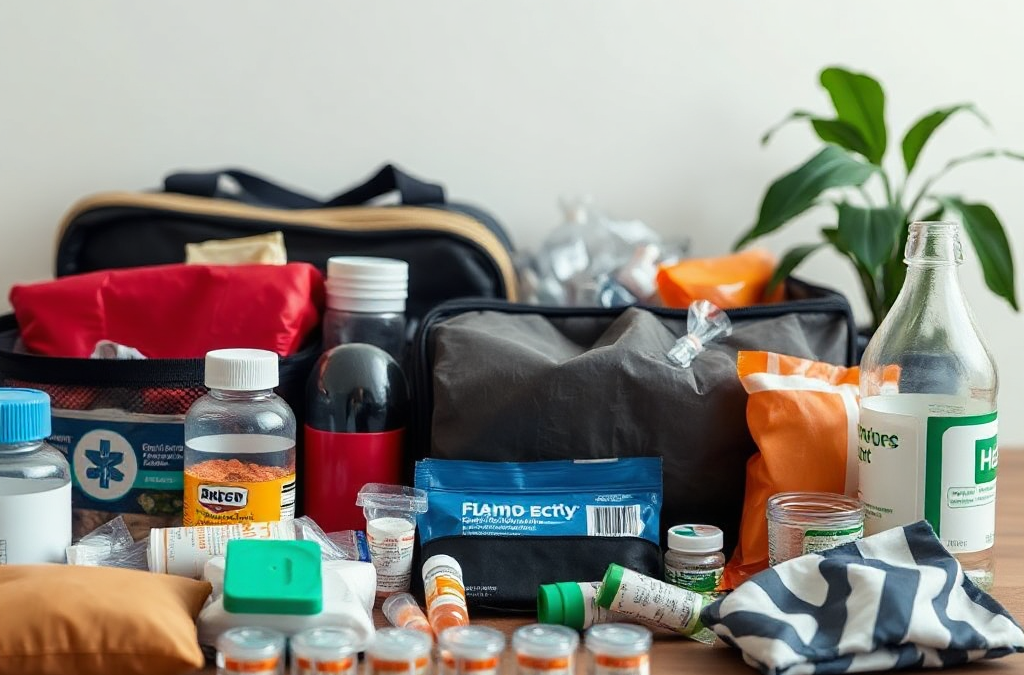
Your emergency kit must cater to your family’s unique requirements, which can vary based on age, health conditions, and personal preferences. Consider dietary restrictions, allergies, and medical needs that may require specific supplies. For instance, a family member with diabetes may need insulin and glucose tablets, while another may require a gluten-free diet. Ignoring these specifics can lead to inadequate support during a crisis.
To create a truly effective emergency kit, start by listing each family member’s needs. Engage everyone in the conversation, ensuring that their preferences and requirements are acknowledged. This collaborative approach not only fosters a sense of ownership but also guarantees that everyone has a stake in the preparedness process.
Assessing Emergency Scenarios
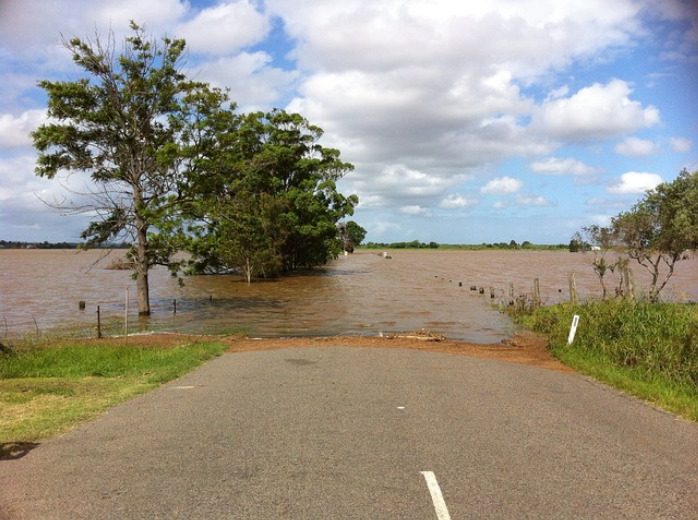
Different emergencies can demand different supplies and strategies. Natural disasters, medical emergencies, or even civil unrest can all require unique preparations. For example, a flood may necessitate water purification tablets and waterproof containers, whereas a power outage might require flashlights and batteries.
To cover all bases, evaluate the types of emergencies most likely to occur in your area. This can include researching local weather patterns, historical events, and community resources. Once you have a clear understanding of potential threats, tailor your emergency kit accordingly. Regularly revisit this assessment, as new risks may emerge over time.
Keeping Supplies Updated
One of the most critical aspects of maintaining an effective emergency kit is ensuring that supplies are current and functional. Food items can expire, medications can lose their efficacy, and batteries can drain. Regular inventory checks are essential to identify and replace outdated or depleted items.
Implement a schedule for reviewing your emergency kit, ideally every six months. During this review, check expiration dates, replace any used items, and adjust the kit based on any new family needs or changes in your environment. This proactive approach helps ensure that your kit remains a reliable resource when it is needed most.
Common Mistakes in Emergency Preparedness
Many families make critical mistakes that can compromise their emergency preparedness. One common error is overestimating the effectiveness of store-bought kits, which may not be tailored to specific family needs. Additionally, some families may overlook the importance of practicing emergency drills, which can lead to confusion and panic during a real crisis.
To avoid these pitfalls, take the time to create a comprehensive, customized emergency plan that includes regular practice sessions. Engage your family in discussions about what to do in various scenarios, ensuring everyone knows their role and responsibilities. This not only builds confidence but also helps identify any gaps in your emergency kit.
Frequently Asked Questions
What should I include in my emergency kit?
Your emergency kit should include food, water, first aid supplies, medications, and essential personal items based on your family's needs.
How often should I check my emergency kit?
It's recommended to check your emergency kit every six months to ensure all items are current and functional.
Can I rely on store-bought emergency kits?
Store-bought kits may not meet your specific needs, so it's essential to customize them based on your family's requirements.
What are some common mistakes in emergency preparedness?
Common mistakes include neglecting to tailor kits to family needs, failing to practice emergency drills, and not updating supplies regularly.
How can I involve my family in emergency preparedness?
Engage your family in discussions about emergency plans, assign roles for different scenarios, and practice drills together regularly.
Further Reading
Authoritative Sources
Authoritative Sources
Ready.gov ready.gov
This site offers comprehensive resources for personal and family emergency preparedness
American Red Cross: Prepare for Emergencies redcross.org
Provides guidance on creating emergency plans and kits tailored to individual needs
CDC Emergency Preparedness cdc.gov
Offers health-related emergency preparedness information and resources
FEMA Emergency Management fema.gov
Information about federal disaster preparedness and resources available to families
Conclusion
Ensuring your emergency kit meets your family’s needs requires understanding individual requirements, assessing potential emergencies, and regularly updating supplies. By actively involving your family in the preparedness process, you not only enhance the effectiveness of your kit but also build confidence and readiness. Prioritize regular checks and adjustments to maintain a reliable resource that will serve your family well during a crisis.
Mental preparedness is a crucial aspect of emergency readiness that is often overlooked. It encompasses the ability to remain calm, make sound decisions, and effectively manage stress during crises. Failing to prioritize mental preparedness can lead to detrimental outcomes, such as panic, confusion, and an inability to act when it matters most. Individuals who cultivate mental readiness are more likely to respond effectively, ensuring their safety and that of others.
For instance, during natural disasters, those with a mental preparedness plan can better cope with fear and uncertainty, allowing them to focus on practical actions. In contrast, neglecting this aspect may result in emotional paralysis, where individuals freeze or make hasty decisions that could jeopardize their safety. Recognizing the value of mental preparedness can significantly impact one’s ability to navigate emergencies.
Common Psychological Risks in Emergencies
Emergencies often expose individuals to various psychological risks, including heightened anxiety, post-traumatic stress disorder (PTSD), and severe emotional distress. The chaos of a crisis can trigger these responses, leading to impaired judgment and increased vulnerability. For example, in an active shooter scenario, the immediate threat can overwhelm individuals, causing them to freeze or act irrationally.
Moreover, the lack of mental preparedness can exacerbate these risks. Individuals may struggle to manage their emotions, leading to panic attacks or a sense of helplessness. It’s essential to acknowledge these psychological challenges and understand how they can affect decision-making. Building awareness around these risks allows individuals to take proactive steps to mitigate their impact.
Building Mental Resilience
Mental resilience is the capacity to adapt and thrive in the face of adversity. It is vital for maintaining composure during emergencies. Building resilience involves developing coping strategies, enhancing emotional intelligence, and fostering a supportive social network. Individuals can improve their mental resilience through practice and preparation.
One effective method is exposure to simulated emergency situations, which can help individuals familiarize themselves with potential stressors and develop appropriate responses. For example, participating in emergency drills can enhance confidence and reduce anxiety. Additionally, cultivating a strong support system can provide emotional backing during crises, allowing individuals to share experiences and coping mechanisms.
Practical Strategies for Mental Preparedness
Implementing practical strategies for mental preparedness can significantly enhance one’s capacity to handle emergencies. First, individuals should engage in regular mental health check-ins, assessing their emotional well-being and identifying areas for improvement. Techniques such as mindfulness, meditation, and deep-breathing exercises can be beneficial in managing stress levels.
Furthermore, creating a personalized emergency plan that includes mental health resources is essential. This plan can outline coping strategies, contact information for mental health professionals, and community support resources. Regularly reviewing and practicing this plan will ensure individuals are equipped to handle psychological stressors effectively.
Frequently Asked Questions
What is mental preparedness in emergencies?
Mental preparedness involves the ability to stay calm, make sound decisions, and manage stress effectively during emergencies.
Why is mental preparedness important in emergencies?
It helps individuals respond effectively, ensuring their safety and that of others during crises.
What are common psychological risks during emergencies?
Common risks include heightened anxiety, PTSD, and emotional distress, which can impair decision-making.
How can I build mental resilience?
Building resilience involves developing coping strategies, enhancing emotional intelligence, and having a supportive social network.
What practical strategies can I use for mental preparedness?
Engage in regular mental health check-ins, practice mindfulness, and create a personalized emergency plan with mental health resources.
Further Reading
Authoritative Sources
American Psychological Association apa.org
The APA provides resources on mental preparedness and psychological resilience in emergencies
National Institute of Mental Health nimh.nih.gov
NIMH offers insights into the mental health impacts of emergencies and coping strategies
Ready.gov ready.gov
This site provides preparedness resources, including mental health considerations during emergencies
Conclusion
Addressing mental preparedness is essential for anyone looking to navigate emergencies effectively. By recognizing the psychological risks involved and building resilience, individuals can enhance their ability to respond to crises. Practical strategies such as regular mental health assessments and creating a personalized emergency plan can significantly improve outcomes. Prioritizing mental readiness not only benefits individual safety but also fosters a supportive community during challenging times.
Self-sufficiency during a crisis requires a clear understanding of your needs, which typically encompass food, water, medical supplies, and other essentials. These needs vary significantly based on the number of individuals in your household, their ages, and any specific health requirements. Recognizing these factors is crucial for effective planning.
Consider not just the basic necessities but also the duration for which you need to be self-sufficient. For example, a short-term crisis may only require a few days’ worth of supplies, while a long-term scenario could necessitate several weeks or months of resources. This understanding will guide your inventory decisions and help prevent critical shortages.
Common Miscalculations in Preparation
One of the primary pitfalls in crisis preparation is overestimating your storage capabilities. Many assume they can store large quantities of food and supplies without considering space limitations or spoilage rates. Additionally, underestimating consumption rates can lead to unexpected shortages. For instance, a family might think that a month’s supply of food will last longer than it actually does, especially if they have children or active lifestyles.
Another common mistake is failing to account for the specific needs of all household members. Special dietary needs, allergies, or medical conditions can drastically alter the types and amounts of supplies required. Ignoring these factors can lead to significant challenges during a crisis.
Assessing Your Inventory Accurately
Regular assessment of your inventory is essential for effective self-sufficiency. Start by cataloging all your supplies, noting expiration dates and storage conditions. This allows you to identify items that require rotation or replacement. It’s also helpful to categorize supplies by type and usage frequency, making it easier to track what you have and what you might need.
Implementing a first-in, first-out (FIFO) system can help prevent waste and ensure that older supplies are used before newer ones. Additionally, consider the potential for supply chain disruptions that may affect availability. Keeping abreast of local grocery store stock levels and emergency alerts can provide critical insights for adjusting your inventory.
Adjusting Plans for Different Scenarios
Every crisis is unique, and your self-sufficiency plans should reflect this variability. Create a flexible plan that can adapt to different scenarios, such as natural disasters, economic downturns, or health emergencies. For example, in a natural disaster, access to clean water may become a priority, while in an economic crisis, food scarcity could be the primary concern.
Regularly review and update your plans based on changing circumstances or new information. This includes reassessing the adequacy of your supplies, considering alternative sources of food and water, and being prepared to implement short-term measures like rationing if necessary. Being proactive and adaptable will significantly enhance your resilience in the face of unexpected challenges.
For those interested in exploring more about self-sufficiency and crisis preparation, consider checking government resources, local preparedness organizations, or reputable survivalist publications that offer practical insights into effective planning and resource management.
Frequently Asked Questions
What are the most common mistakes people make in self-sufficiency planning?
Common mistakes include overestimating storage capabilities, neglecting specific dietary needs, and underestimating consumption rates.
How can I accurately assess my self-sufficiency needs?
Assess your household size, individual needs, and the duration of potential crises to create a realistic inventory of essential supplies.
What should I include in my self-sufficiency inventory?
Your inventory should include food, water, medical supplies, sanitation products, and any necessary tools for food preparation and preservation.
How often should I update my self-sufficiency plan?
Update your plan regularly, at least every six months, or whenever significant changes occur in your household or local environment.
What is the FIFO system in inventory management?
The FIFO (first-in, first-out) system ensures that older supplies are used before newer ones, helping to minimize waste and spoilage.
Further Reading
Authoritative Sources
Library of Congress Research Guides guides.loc.gov
Research guides that help readers locate reliable background sources on a wide range of subjects
USA.gov Official Information and Services usa.gov
Official U.S. government information and public resources for practical reference
Google Scholar scholar.google.com
Academic search resource for finding research literature and source material
Conclusion
Miscalculating your self-sufficiency needs during a crisis can lead to dire consequences, including food shortages and inadequate supplies. By understanding your unique requirements, regularly assessing your inventory, and remaining adaptable to different scenarios, you can enhance your preparedness. Prioritize accurate planning and continuous evaluation to ensure that you remain resilient in the face of unexpected challenges.
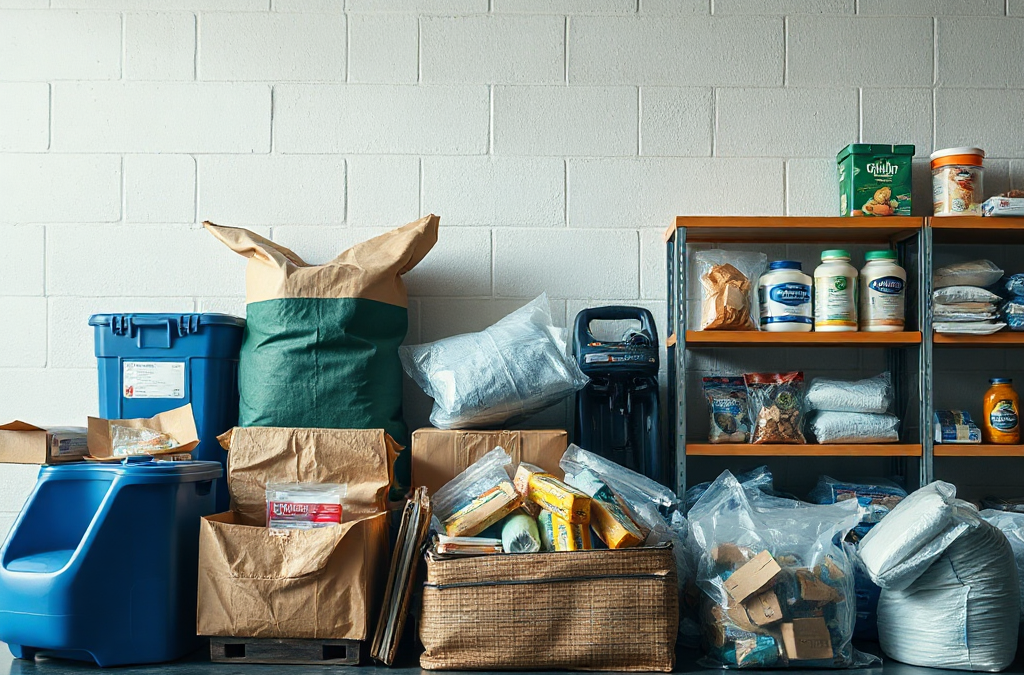
Emergency food rotation involves managing your food supply to ensure that you have a variety of nutritious and long-lasting food items available for use in times of crisis. This practice is crucial because it prevents food spoilage, maintains nutritional value, and ensures that you are prepared for any situation that may arise. By incorporating a system of rotation, you can optimize your food storage and minimize waste, allowing you to make the most of your emergency supplies.
When considering how to create a balanced emergency food rotation, it’s important to recognize the different categories of food that should be included. These categories typically encompass grains, proteins, fruits, and vegetables. Each category offers unique benefits and nutritional contributions, enhancing overall dietary diversity and resilience during emergencies.
Key Foods for a Balanced Emergency Food Supply
A well-rounded emergency food rotation should include a variety of food items that provide essential nutrients and have long shelf lives. Here are some key food categories to consider:
Grains: Options such as rice, oats, and quinoa serve as excellent staples due to their long shelf life and versatility in meals.
Proteins: Canned beans, lentils, and dried meats like jerky are great sources of protein that can be stored for extended periods.
Fruits: Dried fruits and canned fruits in juice or water provide essential vitamins and can be enjoyed as snacks or meal additions.
Vegetables: Canned or freeze-dried vegetables retain nutritional value and can enhance the flavor and nutrition of various dishes.
Fats: Include healthy fats such as nut butters or oils that can help provide energy and improve the taste of meals.
It’s important to choose foods that not only have a long shelf life but also meet dietary preferences and restrictions of your household. Regularly evaluate your food selection to ensure it aligns with nutritional needs and personal tastes.
Establishing a Rotation Schedule
Creating a rotation schedule is essential to maintaining the freshness and quality of your emergency food supply. A practical approach is to label containers with expiration dates and store items in a way that encourages the first-in, first-out method. This means consuming older items before newer ones to prevent spoilage.
Consider establishing a regular inventory check, perhaps every three to six months, to assess your supplies, replace expired items, and adjust your rotation based on your consumption patterns. This will not only keep your food supply fresh but also help you identify any gaps in your emergency food rotation, allowing you to replenish accordingly.
Common Mistakes to Avoid
While creating a balanced emergency food rotation, several common pitfalls can hinder your efforts. One major mistake is failing to account for dietary restrictions or preferences, which can lead to wasted food and decreased morale during emergencies. Make sure to involve all household members in the selection process to ensure everyone’s needs are met.
Another mistake is overlooking the shelf life of items. Always prioritize foods with the longest shelf lives and be diligent about checking expiration dates. Additionally, many people forget to rotate their supplies regularly, which can lead to expired food and wasted resources. Establishing a clear plan and schedule can help mitigate this issue.
Frequently Asked Questions
What types of food are best for emergency storage?
Grains, proteins, fruits, and vegetables are ideal for emergency storage, with options like rice, canned beans, and dried fruits being particularly effective.
How often should I rotate my emergency food supplies?
It is recommended to check and rotate your supplies every three to six months to ensure freshness and prevent spoilage.
Can I store fresh produce in an emergency food supply?
Fresh produce is not recommended for long-term storage; instead, opt for canned or freeze-dried fruits and vegetables that have a longer shelf life.
What are some common mistakes in emergency food planning?
Common mistakes include not considering dietary restrictions, neglecting expiration dates, and failing to rotate supplies regularly.
How can I ensure my emergency food supply is balanced?
Include a variety of food categories such as grains, proteins, fruits, and vegetables to ensure a balanced nutrition profile in your emergency food supply.
Further Reading
Authoritative Sources
Ready.gov Preparedness Guidance ready.gov
Federal preparedness guidance for household planning, alerts, supplies, and emergencies
American Red Cross Emergency Preparedness redcross.org
Emergency preparedness resources for families, disasters, and practical safety planning
FEMA Preparedness Resources fema.gov
National preparedness resources for planning, mitigation, and response readiness
Conclusion
Creating a balanced emergency food rotation is essential for ensuring that you are prepared for unexpected situations. By prioritizing a diverse selection of long-lasting foods, establishing a rotation schedule, and avoiding common pitfalls, you can maintain a nutritious and effective emergency food supply. Regular assessments and adjustments to your stock will further enhance your readiness and peace of mind in times of need.
Relying solely on store-bought supplies can create significant vulnerabilities. When consumers depend entirely on commercial retailers, they expose themselves to risks such as price fluctuations, supply shortages, and limited availability during emergencies. A diverse supply strategy mitigates these risks by ensuring that individuals have access to essential items from multiple sources.
For example, during the COVID-19 pandemic, many faced empty shelves in grocery stores due to panic buying and supply chain disruptions. Those who had alternative sources, such as local farms or community gardens, were better positioned to maintain their food supply. Therefore, exploring various purchasing options, including local markets and online platforms, can enhance resilience.
Understanding Supply Chain Vulnerabilities
Supply chains are complex networks that can be disrupted by various factors, including natural disasters, political unrest, and pandemics. Understanding these vulnerabilities is crucial for individuals who want to prepare adequately for potential shortages. Store-bought supplies often rely on just-in-time inventory systems, which prioritize efficiency over resilience.
For instance, when a hurricane approaches, shipping routes may be disrupted, leading to shortages of fresh produce and other perishable goods. This scenario emphasizes the need for individuals to be aware of how external events can affect their access to supplies. Recognizing these vulnerabilities allows for better planning and preparation.
Strategies for Self-Sufficiency
Building self-sufficiency is a proactive approach to reducing reliance on store-bought supplies. This can be achieved through practices such as home gardening, food preservation, and DIY skills. By cultivating a small garden, individuals can produce their own fruits and vegetables, which not only provides food security but also fosters a connection to the source of their sustenance.
Additionally, learning to preserve food through canning or fermenting can extend the shelf life of seasonal produce, ensuring that families have access to nutritious options year-round. Engaging in these practices can serve as a buffer against the unpredictability of commercial supply chains.
Building Community Resilience
Community resilience is essential for overcoming challenges related to supply chain disruptions. By fostering relationships with neighbors and local producers, individuals can create networks that support resource sharing. This approach not only enhances food security but also strengthens community ties.
For instance, community co-ops or seed exchanges can provide access to fresh produce and seeds, reducing reliance on commercial sources. Furthermore, organizing local workshops on self-sufficiency skills, such as gardening or food preservation, can empower community members to take charge of their food systems. Ultimately, a connected community is better equipped to withstand external shocks.
For those interested in exploring more about supply chain vulnerabilities and self-sufficiency strategies, various resources are available. Engage with local agricultural extensions or community colleges that offer workshops on gardening and food preservation. Additionally, consider reading publications from reputable sources focused on sustainable living and emergency preparedness.
Frequently Asked Questions
Why is relying solely on store-bought supplies risky?
Relying solely on store-bought supplies is risky due to potential supply chain disruptions, price volatility, and limited availability during emergencies.
What are some alternative sources for supplies?
Alternative sources for supplies include local farmers' markets, community gardens, and online platforms that offer fresh produce and goods.
How can I become more self-sufficient?
You can become more self-sufficient by growing your own food, learning food preservation techniques, and developing DIY skills for home maintenance.
What role does community play in preparedness?
Community plays a critical role in preparedness by facilitating resource sharing, fostering skills development, and building networks that enhance resilience.
What should I consider when planning for emergencies?
When planning for emergencies, consider the types of supplies you may need, potential disruptions, and strategies for accessing alternative resources.
Further Reading
Authoritative Sources
Library of Congress Research Guides guides.loc.gov
Research guides that help readers locate reliable background sources on a wide range of subjects
USA.gov Official Information and Services usa.gov
Official U.S. government information and public resources for practical reference
Google Scholar scholar.google.com
Academic search resource for finding research literature and source material
Conclusion
Recognizing the risks associated with relying solely on store-bought supplies is the first step towards building a resilient future. By diversifying supply sources, enhancing self-sufficiency, and fostering community connections, individuals can better prepare for unforeseen challenges. These proactive measures not only safeguard against shortages but also promote a sustainable lifestyle that benefits both individuals and communities.