Identifying your most critical skills for emergencies begins with understanding what constitutes essential skills in various crisis situations. These skills often include first aid, basic survival techniques, effective communication, and decision-making under pressure. Recognizing the importance of these skills can help you prepare for unexpected scenarios, whether they involve natural disasters, medical emergencies, or other crises.
Each skill plays a vital role in ensuring safety and effective response during emergencies. For instance, first aid skills might enable you to provide immediate care to an injured person, while communication skills can help coordinate with emergency services or inform others about safety protocols. Understanding the context of these skills is crucial; it allows you to approach your preparation systematically.
Self-Assessment Techniques
To effectively identify your critical skills, conducting a self-assessment is essential. Begin by listing skills related to emergencies that you feel confident in. This could include CPR, fire safety knowledge, or navigating difficult terrain. Next, assess your proficiency in each area using a simple rating system, such as a scale from 1 to 5, where 1 indicates no experience and 5 indicates expert-level knowledge.
Additionally, consider seeking feedback from peers or professionals who can provide insights into your skills. Engaging in practical scenarios, such as first aid courses or emergency drills, can also help you gauge your abilities. Documenting your self-assessment will provide a baseline to track your progress as you enhance your skills.
Prioritizing Skills Based on Risks
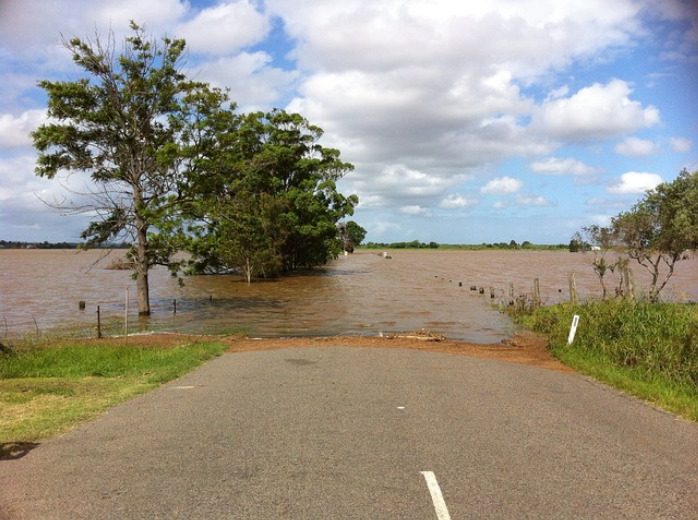
Once you have completed your self-assessment, the next step is to prioritize which skills to develop based on the specific risks you face. For instance, if you live in an area prone to wildfires, skills in fire safety and evacuation procedures should be prioritized. Conversely, residents in flood-prone regions should focus on flood response and rescue techniques.
By aligning your skill development with potential emergencies, you increase your preparedness significantly. Consider creating a skills matrix that outlines potential emergencies and the corresponding skills needed. This approach not only clarifies your focus but also helps in allocating time and resources efficiently.
Common Mistakes in Skill Identification
When identifying critical skills, it’s easy to make mistakes that can hinder your preparedness. One common error is overestimating current abilities without sufficient evidence, leading to a false sense of security. Additionally, ignoring skills that may not seem immediately relevant can leave significant gaps in your preparedness.
Another mistake is failing to update your skills regularly. As circumstances change, so do the skills required for effective emergency response. Regularly revisiting your skill assessment and adapting your training to new threats or personal circumstances will ensure you remain prepared.
Frequently Asked Questions
What are the most critical skills needed for emergencies?
Critical skills include first aid, communication, situational awareness, and basic survival techniques tailored to specific emergencies.
How can I assess my emergency skills?
Conduct a self-assessment by listing skills, rating your proficiency, and seeking feedback from peers or professionals.
Why is it important to prioritize skills?
Prioritizing skills based on potential risks ensures that you are prepared for the most likely emergencies you may encounter.
What common mistakes should I avoid in skill identification?
Avoid overestimating your abilities, neglecting less obvious skills, and failing to update your skills regularly based on changing circumstances.
How often should I update my emergency skills?
Regularly update your skills at least once a year or whenever significant changes occur in your environment or personal circumstances.
Further Reading
Authoritative Sources
Library of Congress Research Guides guides.loc.gov
Research guides that help readers locate reliable background sources on a wide range of subjects
USA.gov Official Information and Services usa.gov
Official U.S. government information and public resources for practical reference
Google Scholar scholar.google.com
Academic search resource for finding research literature and source material
Conclusion
Identifying your most critical skills for emergencies is a vital process that requires careful assessment and prioritization. By understanding the essential skills, conducting thorough self-assessments, and aligning your training with potential risks, you can enhance your preparedness significantly. Regularly revisiting your skills ensures that you remain ready to respond effectively in any emergency situation.
Understanding the Financial Aspects of Sustainable Living
Sustainable living often invokes the assumption that it is more expensive than conventional lifestyles. However, understanding the financial aspects can reveal a more nuanced picture. The costs associated with sustainable living encompass both initial investments and ongoing expenses. It’s crucial to evaluate these costs in the context of long-term savings and environmental benefits.
For instance, while solar panels require a substantial upfront investment, they can significantly reduce electricity bills over time. Additionally, sustainable choices can lead to lower maintenance costs due to the durability of eco-friendly products. By recognizing these factors, individuals can better assess the true cost of sustainable living.
Common Miscalculations in Sustainable Expenses
Many people misjudge the cost of sustainable living by focusing solely on the initial purchase price rather than the total cost over time. A typical example is energy-efficient appliances, which may have a higher price tag but often result in lower utility bills. Ignoring the potential savings can lead to a skewed perception of affordability.
Another common mistake is underestimating the costs associated with installation or maintenance. For example, while a rainwater harvesting system can save money on water bills, the installation may require additional plumbing work, which can add to the initial costs. It’s essential to conduct thorough budgeting that includes all associated expenses to avoid these pitfalls.
Evaluating Long-Term Savings
Long-term savings are a vital consideration when assessing the cost of sustainable living. While initial costs may be higher, many sustainable options lead to significant savings over their lifespan. For example, energy-efficient windows may be more expensive upfront but can reduce heating and cooling costs dramatically.
Additionally, sustainable practices like composting and gardening can lower grocery bills and reduce waste disposal costs. By calculating potential long-term savings, individuals can make more informed decisions regarding their sustainable investments. Tools and calculators available online can help in estimating these savings effectively.
Practical Steps to Minimize Costs
To minimize costs associated with sustainable living, individuals can take several practical steps. First, researching local incentives and rebates for sustainable technologies can significantly offset initial expenses. Many governments offer financial assistance for installing solar panels, energy-efficient appliances, or electric vehicles.
Second, consider starting small by implementing low-cost sustainable practices such as reducing water usage or improving home insulation. These practices can lead to immediate savings and pave the way for larger investments in sustainability. Lastly, joining community groups focused on sustainability can provide access to shared resources and bulk purchasing options, further reducing costs.
Frequently Asked Questions
What are the main costs associated with sustainable living?
The main costs include initial investments in energy-efficient appliances, renewable energy systems, and sustainable materials, alongside potential maintenance expenses.
How can I calculate long-term savings from sustainable investments?
To calculate long-term savings, consider the initial cost, expected lifespan, and annual utility savings from using energy-efficient products.
Are there financial incentives for adopting sustainable practices?
Yes, many local and federal programs offer rebates or tax credits for installing renewable energy systems or energy-efficient appliances.
What common mistakes lead to misjudging sustainable living costs?
Common mistakes include focusing only on upfront costs and not considering long-term savings, as well as underestimating installation and maintenance expenses.
How can I start living sustainably on a budget?
Start by implementing low-cost practices like reducing water usage, improving home insulation, and taking advantage of community resources for shared sustainable initiatives.
Further Reading
Authoritative Sources
Environmental Protection Agency epa.gov
Offers resources on sustainable living practices and potential savings
U.S. Department of Energy energy.gov
Provides information on energy efficiency and renewable energy incentives
Natural Resources Defense Council nrdc.org
Focuses on environmental protection and sustainable practices
Conclusion
Understanding the true costs of sustainable living is crucial for making informed decisions that align with both financial and environmental goals. By recognizing common miscalculations and evaluating long-term savings, individuals can better navigate their sustainable choices. Taking practical steps, such as researching incentives and starting with small changes, can significantly minimize costs and enhance the sustainability journey.
Visual signs are often the first indicators of food spoilage. Common visual indicators include discoloration, which may manifest as browning in fruits or darkening in meats. Mold growth, appearing as fuzzy patches of green, white, or black, is a strong sign that the food is no longer safe to consume. Additionally, any leaks or bulging in packaging can signal spoilage due to gas buildup from bacterial activity.
When observing food items, it’s crucial to note that some products, like hard cheeses or certain vegetables, may have surface mold that can be cut away, while others, like soft fruits or meats, should be discarded entirely if mold is present. Recognizing these visual cues can save you from consuming spoiled food and help maintain food safety in your storage practices.
Sensory Changes: Smell and Texture
In addition to visual indicators, sensory changes in smell and texture provide critical clues about food spoilage. A sour or rancid odor often signals that food has gone bad, particularly in dairy products and oils. Texture changes, such as sliminess or excessive softness, indicate bacterial growth and should not be ignored. For example, a soft tomato that feels mushy is likely spoiled and should be discarded.
It’s advisable to trust your senses—if something smells or feels off, it’s best to err on the side of caution. Regularly checking for these sensory changes can help you catch spoilage early and prevent waste.
Common Causes of Food Spoilage
Food spoilage can occur due to various factors, including temperature fluctuations, moisture, and exposure to air. For instance, improper refrigeration can lead to the growth of harmful bacteria, while high humidity can promote mold. Foods that are not sealed properly are particularly susceptible to spoilage.
Understanding these causes is vital for effective food storage. Foods like grains and cereals should be stored in airtight containers to avoid moisture exposure, while perishables like meats and dairy must be kept at consistent, appropriate temperatures. Familiarizing yourself with the specific storage needs of different food types can significantly reduce spoilage risks.
Preventive Measures for Food Storage
To minimize the risk of food spoilage, it is essential to implement preventive measures in your storage practices. First, always store food at the recommended temperatures; for example, keep refrigerators at or below 40°F (4°C). Use airtight containers for dry goods to prevent moisture and pests.
Regularly check expiration dates and rotate your food supplies, using the first-in, first-out principle to ensure older items are consumed first. Additionally, consider labeling containers with storage dates to maintain awareness of how long items have been stored. These practices will help you maintain food quality and safety over time.
Frequently Asked Questions
What are the first signs of food spoilage?
The first signs typically include changes in color, odor, and texture, such as discoloration, a sour smell, or a slimy feel.
How can I tell if my food is still safe to eat?
Check for visual signs like mold, smell for off-odors, and feel for unusual textures. When in doubt, it’s safer to discard the food.
What causes food to spoil quickly?
Food spoils quickly due to factors like improper temperature control, moisture, and exposure to air, which promote bacterial growth and mold.
Is it safe to eat food with a little mold?
It depends on the food type; hard cheeses can be salvaged by cutting away the mold, while soft foods should be discarded if mold is present.
How can I extend the shelf life of my food?
To extend shelf life, store food at appropriate temperatures, use airtight containers, and regularly check for spoilage signs.
Further Reading
Authoritative Sources
NIH Office of Dietary Supplements ods.od.nih.gov
Evidence-based information on vitamins, minerals, supplements, and nutrition-related questions
USDA FoodData Central fdc.nal.usda.gov
USDA nutrient data for foods and ingredients used in nutrition decisions
Harvard T.H. Chan School of Public Health Nutrition Source hsph.harvard.edu
Public health nutrition guidance and educational resources
Conclusion
Recognizing signs of food spoilage in storage is crucial for maintaining food safety and reducing waste. By regularly checking for visual indicators, sensory changes, and understanding the common causes of spoilage, you can take proactive steps to ensure your food remains safe to consume. Implementing effective storage practices will not only enhance the longevity of your food but also promote a healthier kitchen environment.
Community resources encompass a range of tools, organizations, and networks that support individuals in achieving self-reliance. These resources can include local food banks, skill-sharing workshops, community gardens, and co-ops. They provide essential services that help individuals and families meet their needs without solely relying on commercial entities. Understanding the breadth of community resources available is the first step toward building a resilient lifestyle.
The significance of these resources is amplified during emergencies when access to conventional supplies may be disrupted. By tapping into local networks, individuals can find alternatives for food, shelter, and support. For instance, community kitchens can offer meals during a crisis, while local farmers’ markets can provide fresh produce. Recognizing and utilizing these resources can lead to a more sustainable and self-reliant living situation.
The Role of Local Networks in Self-Reliance
Local networks play a critical role in fostering self-reliance by facilitating connections among individuals who share resources and knowledge. These networks can take many forms, such as neighborhood groups, online forums, or volunteer organizations. The strength of these networks lies in their ability to mobilize people to work together towards common goals, enhancing community resilience.
For example, a neighborhood group might establish a tool library where residents can borrow tools instead of purchasing them. This not only saves money but also encourages collaboration and skill-sharing among neighbors. Engaging with local networks can help individuals build relationships that enhance their self-reliance, providing emotional support and practical assistance during challenging times.
Common Challenges and Misconceptions
Despite the clear benefits, there are several challenges and misconceptions surrounding the use of community resources. One common misconception is the belief that self-reliance means complete independence. In reality, self-reliance is about interdependence and recognizing that community resources are essential for sustainable living.
Another challenge is the reluctance to engage with community resources due to fears of judgment or stigma. Many individuals might feel uncomfortable seeking help, thinking it reflects inadequacy. However, community resources are designed to support everyone, and utilizing them can strengthen community bonds. Understanding these challenges can help individuals overcome barriers and embrace the support available within their communities.
Practical Steps to Engage with Community Resources
Engaging with community resources involves proactive steps to identify and utilize the available support systems. Start by researching local organizations, such as food banks, community centers, and cooperatives. Attend events or meetings to learn more about what resources are available and how to participate. Volunteering can also be a great way to connect with others and gain insight into community needs.
Additionally, consider starting initiatives that can benefit the community, such as a neighborhood garden or skill-sharing workshops. These efforts not only enhance personal self-reliance but also contribute to a stronger community fabric. By actively participating in local networks, individuals can foster relationships that are mutually beneficial and create a support system that enhances overall resilience.
Frequently Asked Questions
Why is community engagement important for self-reliance?
Community engagement builds networks of support, enhances resilience, and facilitates access to essential resources, making self-reliance more achievable.
Further Reading
Authoritative Sources
USDA National Agricultural Library nal.usda.gov
A key resource for understanding local food networks and community-supported agriculture
USA.gov usa.gov
Offers information on local resources and community programs across the United States
LocalHarvest localharvest.org
Connects individuals with local farms and community-supported agriculture programs
Conclusion
Utilizing community resources is essential for fostering self-reliance and building resilience . By understanding the value of local networks and actively engaging with available resources, individuals can enhance their preparedness and contribute to a supportive community. Prioritizing connections with local organizations and neighbors not only aids personal sustainability but also strengthens the community as a whole. Take the first step today by exploring the resources around you and considering how you can become an active participant in your community.
When you discover that your bug-out location is compromised, the first step is to evaluate the situation thoroughly. Understanding how and why the location is no longer safe is critical. Are there visible signs of forced entry or vandalism? Are there people or animals present that pose a threat? Assessing these factors will help you determine if the situation is dire enough to warrant immediate action or if there is still time to secure your resources.
One common mistake is to assume that a temporary threat, such as a nearby fire or flood, will resolve itself. However, such situations can escalate quickly, making it vital to stay vigilant and ready to act. Always have a plan for assessing environmental threats, including how to recognize signs of danger while remaining safe yourself.
Identifying Alternative Locations
Once you assess the compromise, the next step is identifying alternative locations where you and your group can safely regroup. This could be another designated bug-out site or a temporary shelter. When considering alternatives, think about accessibility, security, and the resources available in the area.
For example, if your primary location is in a rural area, a secondary option in an urban setting may provide access to resources like food and medical supplies. However, urban environments also come with their own risks, such as higher population density and potential for civil unrest. Weigh the pros and cons of each alternative location to determine which is the safest option under the current circumstances.
Communication and Coordination
Effective communication is vital when your bug-out location is compromised. Ensure that all members of your group are informed about the situation and the next steps. Use secure methods of communication, such as two-way radios or encrypted messaging apps, to relay information without revealing your position to potential threats.
Coordinate with your group to establish clear roles and responsibilities. This can prevent confusion and ensure that everyone knows what to do, whether it’s gathering supplies, scouting new locations, or preparing for a quick departure. Regular check-ins can also help maintain morale and ensure everyone is accounted for during a crisis.
Gathering Essential Supplies
In the event of a compromised bug-out location, gathering essential supplies quickly is crucial. Make a checklist of necessary items such as food, water, first aid kits, and any important documents. The goal is to be prepared to leave the compromised area swiftly while ensuring you have what you need to survive.
Common mistakes include overpacking or forgetting vital items. To avoid this, prioritize multipurpose tools and lightweight, high-calorie foods that can sustain you during your transition. Consider the duration you may need to stay away from your primary location and gather supplies accordingly. Being organized and having a pre-packed emergency kit can significantly reduce the time it takes to evacuate.
Frequently Asked Questions
What should I do first if my bug-out location is compromised?
Immediately assess the situation for threats, evaluate the extent of the compromise, and decide whether you need to evacuate to a safer location.
How can I identify a new safe location quickly?
Consider factors like accessibility, available resources, and potential threats. Use maps and local knowledge to find the safest options.
What supplies should I prioritize when leaving a compromised area?
Focus on essential items such as food, water, first aid supplies, and important documents. Multipurpose tools can also be beneficial.
How can I communicate safely with my group during a crisis?
Use secure communication methods like two-way radios or encrypted messaging apps to avoid detection by potential threats.
What common mistakes should I avoid in this situation?
Avoid overpacking, neglecting to secure your safety first, and assuming that the threat will resolve itself without action.
Further Reading
Authoritative Sources
Library of Congress Research Guides guides.loc.gov
Research guides that help readers locate reliable background sources on a wide range of subjects
USA.gov Official Information and Services usa.gov
Official U.S. government information and public resources for practical reference
Google Scholar scholar.google.com
Academic search resource for finding research literature and source material
Conclusion
When your bug-out location is compromised, the urgency of the situation necessitates quick and decisive action. By evaluating the threat, identifying alternative safe locations, maintaining effective communication, and gathering essential supplies, you can enhance your safety and preparedness. Always remain aware of your surroundings, and be ready to adapt your plans as necessary to respond to changing circumstances.