
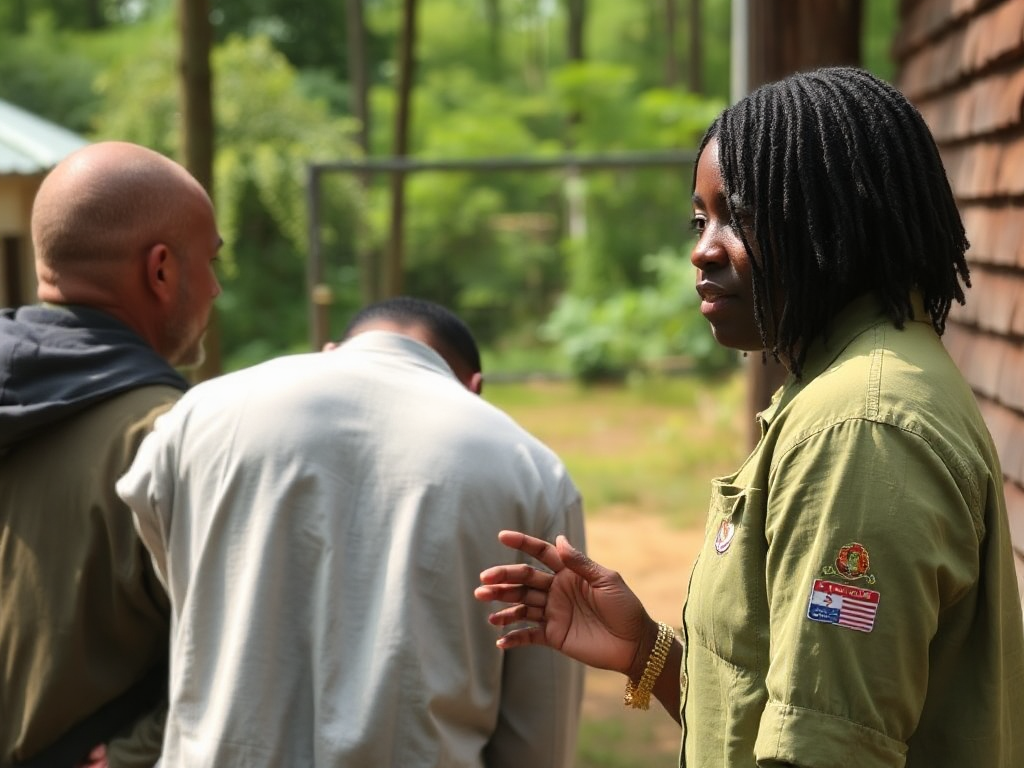
Community resources are essential for fostering self-reliance by providing individuals with the tools, knowledge, and support needed to thrive independently. Engaging with local networks, such as community gardens or skill-sharing workshops, allows individuals to access fresh food and learn valuable skills without relying solely on commercial systems. This collaborative approach not only enhances personal preparedness but also strengthens community ties, making it easier to navigate challenges together. For instance, establishing a tool library within a neighborhood can save money and encourage cooperation among residents. By actively participating in these resources, individuals can cultivate a more sustainable and resilient lifestyle.
Understanding Community Resources
Community resources encompass a range of tools, organizations, and networks that support individuals in achieving self-reliance. These resources can include local food banks, skill-sharing workshops, community gardens, and co-ops. They provide essential services that help individuals and families meet their needs without solely relying on commercial entities. Understanding the breadth of community resources available is the first step toward building a resilient lifestyle.
The significance of these resources is amplified during emergencies when access to conventional supplies may be disrupted. By tapping into local networks, individuals can find alternatives for food, shelter, and support. For instance, community kitchens can offer meals during a crisis, while local farmers’ markets can provide fresh produce. Recognizing and utilizing these resources can lead to a more sustainable and self-reliant living situation.
The Role of Local Networks in Self-Reliance
Local networks play a critical role in fostering self-reliance by facilitating connections among individuals who share resources and knowledge. These networks can take many forms, such as neighborhood groups, online forums, or volunteer organizations. The strength of these networks lies in their ability to mobilize people to work together towards common goals, enhancing community resilience.
For example, a neighborhood group might establish a tool library where residents can borrow tools instead of purchasing them. This not only saves money but also encourages collaboration and skill-sharing among neighbors. Engaging with local networks can help individuals build relationships that enhance their self-reliance, providing emotional support and practical assistance during challenging times.
Common Challenges and Misconceptions
Despite the clear benefits, there are several challenges and misconceptions surrounding the use of community resources. One common misconception is the belief that self-reliance means complete independence. In reality, self-reliance is about interdependence and recognizing that community resources are essential for sustainable living.
Another challenge is the reluctance to engage with community resources due to fears of judgment or stigma. Many individuals might feel uncomfortable seeking help, thinking it reflects inadequacy. However, community resources are designed to support everyone, and utilizing them can strengthen community bonds. Understanding these challenges can help individuals overcome barriers and embrace the support available within their communities.
Practical Steps to Engage with Community Resources
Engaging with community resources involves proactive steps to identify and utilize the available support systems. Start by researching local organizations, such as food banks, community centers, and cooperatives. Attend events or meetings to learn more about what resources are available and how to participate. Volunteering can also be a great way to connect with others and gain insight into community needs.
Additionally, consider starting initiatives that can benefit the community, such as a neighborhood garden or skill-sharing workshops. These efforts not only enhance personal self-reliance but also contribute to a stronger community fabric. By actively participating in local networks, individuals can foster relationships that are mutually beneficial and create a support system that enhances overall resilience.
Frequently Asked Questions
Why is community engagement important for self-reliance?
Community engagement builds networks of support, enhances resilience, and facilitates access to essential resources, making self-reliance more achievable.
Conclusion
Utilizing community resources is essential for fostering self-reliance and building resilience . By understanding the value of local networks and actively engaging with available resources, individuals can enhance their preparedness and contribute to a supportive community. Prioritizing connections with local organizations and neighbors not only aids personal sustainability but also strengthens the community as a whole. Take the first step today by exploring the resources around you and considering how you can become an active participant in your community.