Understanding the Importance of Flexibility in Emergency Plans
Flexible emergency plans are crucial as they enable responders to adapt to evolving situations effectively. The nature of emergencies is inherently unpredictable, often presenting challenges that standardized plans cannot adequately address. By incorporating flexibility, emergency responders can pivot strategies based on real-time assessments and community needs, ensuring a more effective response.
For instance, during natural disasters, the needs of affected populations may shift rapidly. Some may require immediate medical assistance, while others might need food and shelter. A flexible plan allows for the allocation of resources where they are most needed, rather than adhering strictly to a pre-determined protocol. This adaptability can significantly enhance the resilience of communities during crises.
Common Pitfalls of Rigid Emergency Plans
Rigid emergency plans often lead to inefficiencies and can exacerbate existing problems during a crisis. One major pitfall is the failure to account for unique community needs. For example, a one-size-fits-all approach may overlook the requirements of vulnerable populations, such as the elderly or disabled, who may need specialized assistance.
Additionally, rigid plans can result in resource misallocation. In a rapidly changing situation, sticking to a fixed strategy can lead to critical delays in delivering aid. This inflexibility can hinder effective communication among responders and delay the overall response time. Therefore, recognizing these pitfalls is essential in developing a robust emergency management strategy.
Strategies for Developing Flexible Emergency Plans
To create a flexible emergency plan, several strategies should be implemented. First, conducting regular training exercises that simulate various emergency scenarios can enhance adaptability. These drills allow responders to practice adjusting their plans based on real-time feedback and evolving circumstances.
Another strategy involves incorporating input from diverse community stakeholders, including local organizations and residents. Engaging with these groups can provide valuable insights into specific needs and challenges, fostering a more inclusive emergency plan. Lastly, implementing a system for continuous evaluation and improvement of emergency protocols ensures that plans remain relevant and effective over time.
Real-World Examples of Flexible Emergency Planning
Real-world examples of flexible emergency planning can be seen in various disaster response scenarios. For instance, during Hurricane Katrina, responders faced numerous challenges due to the rigid application of emergency protocols. In contrast, the response during Hurricane Harvey showcased a more adaptable approach, where agencies worked together to shift resources and strategies based on the immediate needs of affected populations.
Another example is the COVID-19 pandemic, where health officials had to continuously adjust guidelines and resource allocation as new information emerged. This adaptability allowed for a more targeted response, ultimately saving lives and reducing the impact on healthcare systems. These examples underline the necessity of flexibility in emergency planning, illustrating how adaptable strategies can lead to better outcomes in times of crisis.
Frequently Asked Questions
What are the key components of a flexible emergency plan?
A flexible emergency plan should include real-time assessment protocols, community engagement strategies, and guidelines for resource allocation that can adapt to changing circumstances.
How can communities ensure their emergency plans are flexible?
Communities can ensure flexibility by conducting regular training exercises, involving diverse stakeholders in planning, and establishing mechanisms for continuous review and improvement of plans.
What are the risks of not having a flexible emergency plan?
Without flexibility, communities may face delayed responses, inadequate resource allocation, and an inability to meet the unique needs of vulnerable populations, leading to worse outcomes during crises.
Can flexible emergency plans be applied to all types of emergencies?
Yes, flexible emergency plans can be adapted to various emergencies, including natural disasters, public health crises, and man-made incidents, allowing for tailored responses based on specific circumstances.
How often should emergency plans be reviewed for flexibility?
Emergency plans should be reviewed at least annually or after significant incidents to ensure they remain relevant, incorporating lessons learned and adapting to changes in community needs.
Further Reading
Authoritative Sources
Ready.gov Preparedness Guidance ready.gov
Federal preparedness guidance for household planning, alerts, supplies, and emergencies
American Red Cross Emergency Preparedness redcross.org
Emergency preparedness resources for families, disasters, and practical safety planning
FEMA Preparedness Resources fema.gov
National preparedness resources for planning, mitigation, and response readiness
Conclusion
Prioritizing flexible emergency plans is vital for effective crisis management. By allowing for real-time adjustments and community-specific responses, these plans can significantly improve outcomes during emergencies. Communities should engage in regular training, involve diverse stakeholders, and continuously evaluate their strategies to ensure adaptability. Implementing these practices will better prepare communities for future challenges and enhance overall resilience.
Flexible emergency plans are designed to accommodate a variety of potential situations that could arise during a crisis. Unlike rigid plans, which follow a strict protocol, flexible plans allow for adjustments based on real-time information and evolving circumstances. This adaptability is crucial in dynamic environments where conditions can change rapidly, such as natural disasters, public health emergencies, or security threats.
Effective flexible plans incorporate multiple scenarios, ensuring that teams are trained to respond to various challenges. For instance, an emergency response plan for a hurricane may need to adapt based on the storm’s trajectory, intensity, and the specific vulnerabilities of the community affected. By preparing for multiple outcomes, organizations can mitigate risks and enhance their overall readiness.
The Importance of Adaptability
Adaptability in emergency planning is vital because it directly impacts the effectiveness of the response. In emergencies, situations can escalate or change unpredictably, making it essential for plans to be flexible enough to accommodate new information. For example, during the COVID-19 pandemic, many organizations had to pivot their strategies as new guidelines and data emerged. Those with adaptable plans were better equipped to implement necessary changes quickly, minimizing disruption and ensuring safety.
Moreover, flexible plans foster a culture of continuous improvement, where lessons learned from previous emergencies inform future planning. This iterative process allows organizations to refine their strategies, leading to more effective responses over time. By embracing adaptability, organizations not only enhance their immediate response capabilities but also build long-term resilience against future crises.
Common Mistakes in Emergency Planning
One of the most significant mistakes in emergency planning is the reliance on a one-size-fits-all approach. Organizations that create overly detailed plans without considering the need for flexibility may find themselves unprepared when faced with unexpected challenges. For instance, a rigid evacuation plan may not account for last-minute road closures or changes in the population’s needs, leading to chaos and inefficiency.
Another common pitfall is neglecting to involve key stakeholders in the planning process. Engaging community members, local agencies, and other relevant parties ensures that plans reflect the diverse needs and resources available. This collaboration enhances the plan’s effectiveness and fosters a shared sense of responsibility and preparedness among all stakeholders involved.
Real-World Examples of Flexibility in Action
One notable example of flexibility in emergency planning occurred during Hurricane Katrina. Emergency responders had to adapt their strategies as the situation unfolded, facing challenges such as levee failures and mass displacement. Those teams that quickly altered their plans based on real-time observations were able to provide more effective aid, demonstrating the importance of flexibility in crisis management.
Similarly, during the 9/11 attacks, first responders showed remarkable adaptability as they navigated the chaotic environment of the World Trade Center. Their ability to reassess priorities and modify their actions in real-time was crucial in saving lives and managing the crisis effectively. These examples highlight how flexible emergency plans can lead to better outcomes when faced with unpredictable situations.
Frequently Asked Questions
What are flexible emergency plans?
Flexible emergency plans are adaptable strategies that can adjust to changing circumstances during a crisis, ensuring effective responses to various scenarios.
Why is adaptability important in emergency planning?
Adaptability is crucial because emergencies can evolve rapidly, and flexible plans enable organizations to respond effectively to new information and changing conditions.
What common mistakes should be avoided in emergency planning?
Common mistakes include relying on one-size-fits-all approaches and not involving key stakeholders in the planning process, which can lead to ineffective responses.
Can you provide an example of flexibility in action during a crisis?
During Hurricane Katrina, emergency responders adapted their strategies based on real-time observations, which helped them provide more effective aid amid changing circumstances.
How can organizations ensure their emergency plans remain flexible?
Organizations can ensure flexibility by regularly reviewing and updating their plans, incorporating feedback from stakeholders, and conducting training exercises that simulate various scenarios.
Further Reading
Authoritative Sources
Ready.gov Preparedness Guidance ready.gov
Federal preparedness guidance for household planning, alerts, supplies, and emergencies
American Red Cross Emergency Preparedness redcross.org
Emergency preparedness resources for families, disasters, and practical safety planning
FEMA Preparedness Resources fema.gov
National preparedness resources for planning, mitigation, and response readiness
Conclusion
Flexible emergency plans are not just beneficial; they are essential for effective crisis management. By allowing for adaptability in response strategies, organizations can better navigate the complexities of emergencies. Prioritizing flexibility ensures that teams are prepared for unexpected challenges, ultimately leading to improved outcomes in times of crisis. Moving forward, organizations should invest in developing and refining their emergency plans to enhance their resilience against future threats.
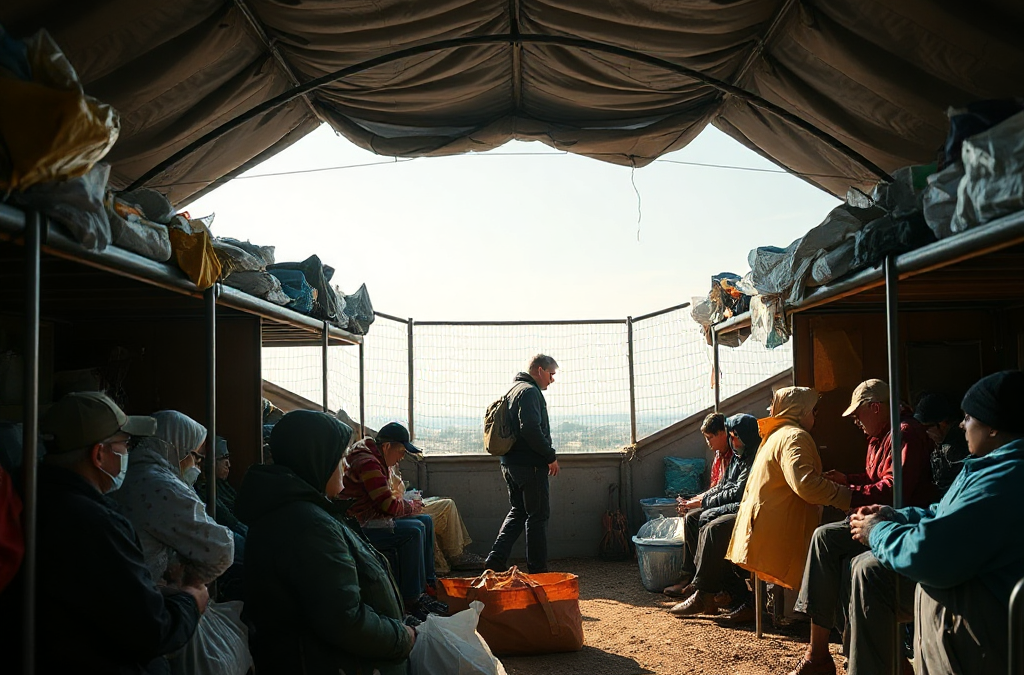
Overcrowding in survival shelters significantly heightens health risks, primarily due to the close proximity of individuals. This environment facilitates the rapid spread of infectious diseases, such as influenza or gastrointestinal infections, as pathogens can easily transition from one person to another. Furthermore, overcrowded conditions often lead to inadequate sanitation facilities, exacerbating the risk of disease outbreaks.
For instance, in a scenario where a shelter designed for 50 individuals accommodates 100, the limited access to clean water and proper waste disposal can create breeding grounds for bacteria and viruses. Additionally, the stress of living in cramped quarters can suppress immune responses, making occupants more susceptible to illness. Regular health checks and strict hygiene protocols are essential to mitigate these risks.
Psychological Effects of Overcrowding
The psychological impact of overcrowding cannot be overlooked, as increased stress and anxiety levels can manifest among shelter occupants. The constant presence of others, coupled with limited personal space, can lead to feelings of claustrophobia and irritability. These conditions can escalate disputes and conflict among individuals, undermining the shelter’s overall harmony.
For example, a study conducted during a natural disaster revealed that shelters with higher occupancy rates reported a significant increase in psychological distress among residents. To combat these issues, implementing strategies that promote social interaction while allowing for personal space—such as designated quiet zones or scheduled activities—supports the mental well-being of occupants.
Resource Strain in Survival Shelters
Overcrowding places immense strain on the resources available within survival shelters. Essential supplies, such as food, water, and medical care, can quickly become depleted when too many individuals are present. This resource scarcity can lead to competition among occupants, further exacerbating tensions and conflicts.
Additionally, the logistical challenges of managing a larger population can overwhelm shelter staff and volunteers. For example, a shelter designed to provide meals for 100 people may struggle to serve 200, leading to inadequate nutrition and dissatisfaction among residents. To effectively manage resource allocation, shelters should establish clear guidelines for occupancy limits and develop contingency plans for food and medical supplies that account for potential overcrowding scenarios.
Mitigation Strategies for Overcrowding
To address the risks associated with overcrowding in survival shelters, several proactive strategies can be implemented. First, establishing clear capacity limits based on the shelter’s resources and design is crucial. This helps to ensure that each occupant receives adequate space and resources, thereby minimizing health risks and psychological strain.
Second, shelters should prioritize ventilation to improve air quality and reduce the transmission of airborne diseases. Regular cleaning and sanitation protocols are also essential for maintaining hygiene. In closing, fostering a sense of community through organized activities can help mitigate psychological effects and promote cooperation among occupants. By implementing these strategies, shelters can enhance the safety and well-being of individuals in crisis situations.
Frequently Asked Questions
What are the main health risks associated with overcrowding in survival shelters?
The primary health risks include increased transmission of infectious diseases, inadequate sanitation, and stress-related health issues.
How does overcrowding affect mental health in shelters?
Overcrowding can lead to heightened anxiety, stress, and conflict among occupants due to limited personal space and constant interaction.
What strategies can mitigate overcrowding risks?
Establishing capacity limits, ensuring proper ventilation, and organizing community activities can help mitigate risks associated with overcrowding.
How does resource strain manifest in overcrowded shelters?
Resource strain can lead to competition for food, water, and medical supplies, increasing tensions and dissatisfaction among occupants.
What role does sanitation play in preventing health risks?
Proper sanitation is crucial in preventing disease outbreaks, as overcrowded conditions can lead to unsanitary practices and increased health risks.
Further Reading
Authoritative Sources
Centers for Disease Control and Prevention cdc.gov
A leading source for health guidelines and recommendations during emergencies, including crowd management strategies
American Red Cross redcross.org
Provides resources on emergency preparedness and shelter management best practices
World Health Organization who.int
Offers global guidelines on health risks and management in emergency shelters
Conclusion
Addressing the risks associated with overcrowding in survival shelters is essential for ensuring the health and well-being of occupants. By recognizing the health hazards, psychological effects, and resource strains that can arise, shelter managers can implement effective mitigation strategies. Establishing clear capacity limits, maintaining hygiene, and fostering a supportive environment are critical steps in managing overcrowding. Ultimately, prioritizing these factors can lead to a safer and more effective shelter experience during emergencies.
Convenience in food selection refers to the ease with which meals can be prepared and consumed. This includes ready-to-eat meals, quick-cooking options, and foods that require minimal preparation. In today’s fast-paced world, many people prioritize convenience to save time, especially during busy weekdays. Foods like microwaveable meals, pre-cut vegetables, and instant grains are popular choices because they reduce cooking time and effort. However, while they offer immediate benefits, it’s essential to consider their nutritional value and how they fit into a balanced diet.
For example, while a frozen pizza may be convenient, it often lacks essential nutrients compared to a homemade meal. Choosing convenient foods should not mean compromising on health. Instead, look for options that provide a balance of convenience and nutrition, such as frozen fruits or whole grain wraps. This balance is crucial for maintaining energy levels, especially for those with active lifestyles or during emergencies.
The Role of Preparedness in Food Choices
Preparedness in food choices involves planning and stocking foods that can sustain you during unexpected situations, such as natural disasters or supply chain disruptions. This means keeping a supply of non-perishable items like canned goods, grains, and dried legumes, which can be stored for prolonged periods without spoiling. Preparedness also includes having a variety of foods that can be quickly prepared or consumed, ensuring that you are not solely reliant on convenience foods.
For instance, having a stock of canned vegetables, pasta, and rice allows you to create balanced meals even in times of scarcity. Additionally, understanding how to use these ingredients effectively can enhance your ability to prepare nutritious meals quickly. Developing a meal plan that incorporates both convenient and prepared foods can help maintain dietary quality while ensuring you’re ready for any situation.
Strategies for Balancing Both Aspects
To effectively balance convenience and preparedness in food choices, consider the following strategies:
Stock Essentials: Keep a variety of non-perishable staples like beans, rice, oats, and canned vegetables. These can serve as a base for many meals.
Meal Prep: Dedicate time each week to prepare meals in advance. This can include cooking grains, chopping vegetables, or even making entire meals that can be frozen.
Smart Shopping: When grocery shopping, choose items that are both convenient and nutritious. Look for frozen fruits, pre-cooked proteins, and whole grain options that save time and provide health benefits.
Emergency Kits: Create an emergency food kit containing ready-to-eat meals, snacks, and essential nutrients. This should be easily accessible and regularly updated.
These strategies help ensure that you are prepared for emergencies without sacrificing the convenience needed for daily meals. Balancing these factors enhances your overall food security and well-being.
Common Mistakes to Avoid
When trying to balance convenience and preparedness, individuals often make several common mistakes that can undermine their efforts. One significant mistake is relying too heavily on processed convenience foods, which may be high in sodium, preservatives, and unhealthy fats. While they save time, they can negatively impact health over time.
Another mistake is neglecting variety in food choices. A diet lacking in diverse foods can lead to nutritional deficiencies. It’s important to include a mix of proteins, carbohydrates, and healthy fats in your meal planning.
Lastly, failing to regularly check and rotate your food supplies can lead to wasted resources. Be sure to follow the first-in, first-out rule with your pantry items to ensure nothing goes unused. By avoiding these pitfalls, you can maintain a balanced approach to food choices that supports both convenience and preparedness.
Frequently Asked Questions
What are some convenient food options for emergency preparedness?
Convenient food options for emergency preparedness include canned goods, freeze-dried meals, granola bars, and ready-to-eat snacks. These items are shelf-stable and require minimal preparation.
How can I ensure my convenience foods are healthy?
To ensure convenience foods are healthy, read labels for nutritional content, focus on whole food ingredients, and choose options low in added sugars and sodium.
How often should I rotate my food supplies?
Food supplies should be rotated every six months to ensure freshness. Regularly check expiration dates and replace items as needed.
What are the benefits of meal prepping?
Meal prepping saves time, reduces food waste, and allows for better nutritional control. It enables you to have healthy meals ready to go, minimizing reliance on convenience foods.
What should I include in an emergency food kit?
An emergency food kit should include non-perishable foods, water, a manual can opener, and any necessary dietary supplements. Aim for items with a long shelf life.
Further Reading
Authoritative Sources
Food Safety and Preparedness fda.gov
This resource provides insights on food safety measures and preparedness tips for households
Food Safety Tips ready.gov
A valuable guide on how to safely store food and prepare for emergencies
Nutrition and Food Safety cdc.gov
Offers information about healthy eating and food safety, essential for maintaining balanced nutrition
Conclusion
Balancing convenience and preparedness in food choices is essential for maintaining a healthy diet while being ready for emergencies. By prioritizing both aspects, individuals can make informed decisions that promote well-being and food security. Focus on stocking nutritious, non-perishable items, meal prepping, and avoiding common mistakes to create a sustainable approach to eating that meets daily needs and emergency situations.
Understanding the Role of Local Emergency Services
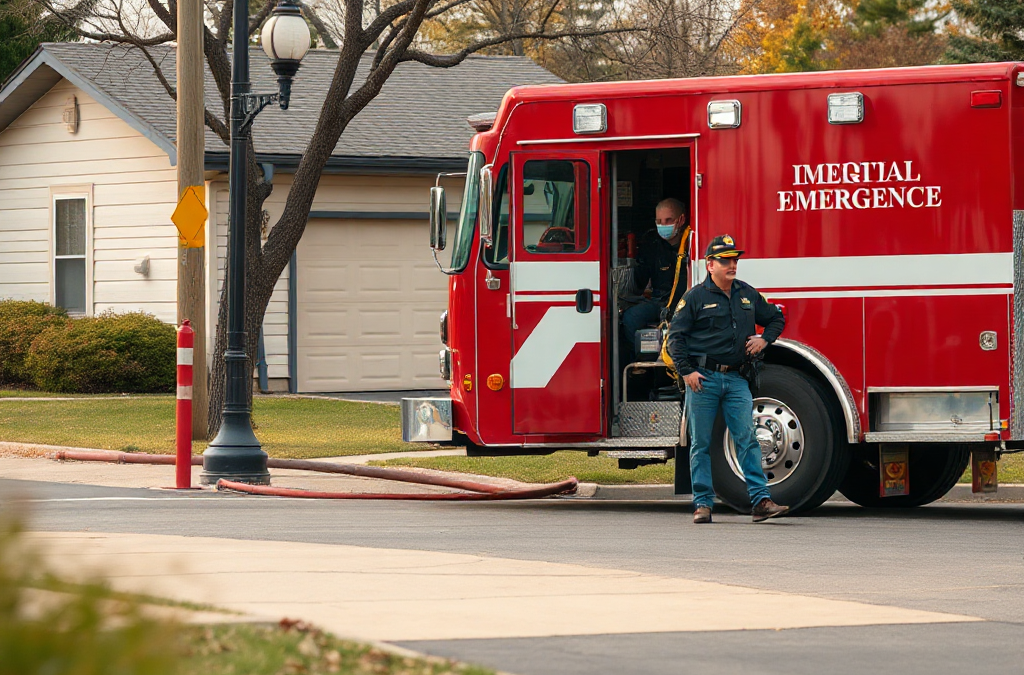
Local emergency services, including fire departments, police, and medical responders, play a crucial role in maintaining community safety and well-being. They are the first line of defense during emergencies, providing rapid response to incidents ranging from medical emergencies to natural disasters. These services not only respond to crises but also engage in preventive measures, educating the community about safety protocols and emergency preparedness.
When communities recognize the importance of these services, they foster a culture of safety and resilience. Emergency services require adequate funding, training, and community support to operate effectively. Failure to acknowledge their role can lead to a lack of resources, affecting their ability to respond promptly and efficiently when emergencies arise.
Impacts of Neglecting Emergency Services
Neglecting local emergency services can have dire consequences that ripple throughout the community. A primary impact is the increased response time during emergencies. For instance, if a fire department is underfunded, it may lack the necessary equipment or personnel to respond effectively, leading to delays that can exacerbate the situation. This is particularly critical in medical emergencies where every second counts.
Moreover, inadequate emergency services can result in diminished public trust. When communities feel that their safety is compromised, it can lead to a breakdown in the relationship between citizens and emergency responders. This mistrust can hinder cooperation during emergencies, making it even more difficult to manage crises effectively. For example, if residents do not believe that local police or fire services will respond adequately, they may hesitate to report incidents or seek help, further endangering public safety.
Community Preparedness and Response
Effective community preparedness hinges on strong local emergency services. When these services are well-supported, they can conduct regular training, drills, and educational programs, equipping residents with the knowledge and skills to respond to emergencies. For example, community workshops focusing on first aid, fire safety, and disaster preparedness can empower residents, creating a more informed and proactive populace.
Conversely, communities that ignore their emergency services often find themselves unprepared for disasters. Inadequate training and lack of resources can lead to chaos during critical incidents. A notable example is the response to natural disasters like hurricanes or floods; communities that invest in their emergency services typically experience more effective management and recovery efforts compared to those that do not. By prioritizing local emergency services, communities can enhance their overall resilience and ability to respond effectively to crises.
Long-Term Consequences of Ignoring Emergency Services
The long-term consequences of neglecting local emergency services extend beyond immediate safety concerns. Over time, communities may face higher insurance premiums due to increased risks associated with inadequate emergency response. Insurers often evaluate the effectiveness of local emergency services when determining rates, and communities with poorly funded services may find themselves paying more.
Additionally, neglecting emergency services can lead to economic impacts. Businesses may be less inclined to invest in areas where public safety is perceived as inadequate, which can stunt local economic growth. Moreover, communities that fail to support their emergency services may struggle with recovery after disasters, resulting in prolonged disruptions to daily life and economic activity.
Frequently Asked Questions
What are the main functions of local emergency services?
Local emergency services primarily respond to crises, provide medical assistance, enforce laws, and engage in community education on safety and preparedness.
How does underfunding impact emergency services?
Underfunding can lead to longer response times, insufficient training, and inadequate resources, ultimately compromising public safety and trust.
Why is community support important for emergency services?
Community support ensures that emergency services receive the necessary funding and resources, enabling them to operate effectively and respond to emergencies promptly.
What are the consequences of ignoring local emergency services?
Consequences include increased risks during emergencies, slower response times, diminished public trust, and potential economic impacts on the community.
How can communities improve their emergency preparedness?
Communities can improve preparedness by supporting local emergency services, participating in training programs, and engaging in regular safety drills.
Further Reading
Authoritative Sources
Ready.gov ready.gov
This resource provides comprehensive information on emergency preparedness and the importance of local emergency services
FEMA fema.gov
FEMA offers insights into how emergency services operate during disasters and the critical role they play in community safety
National Fire Protection Association nfpa.org
NFPA provides statistics and resources on fire services and their importance in emergency management
Conclusion
Prioritizing local emergency services is essential for maintaining community safety and resilience. Ignoring these services can lead to severe consequences, including slower response times and increased risks during emergencies. Communities must recognize the importance of supporting their emergency services through adequate funding, training, and public engagement. By fostering strong local emergency services, communities can enhance their preparedness and ensure a swift and effective response during crises.