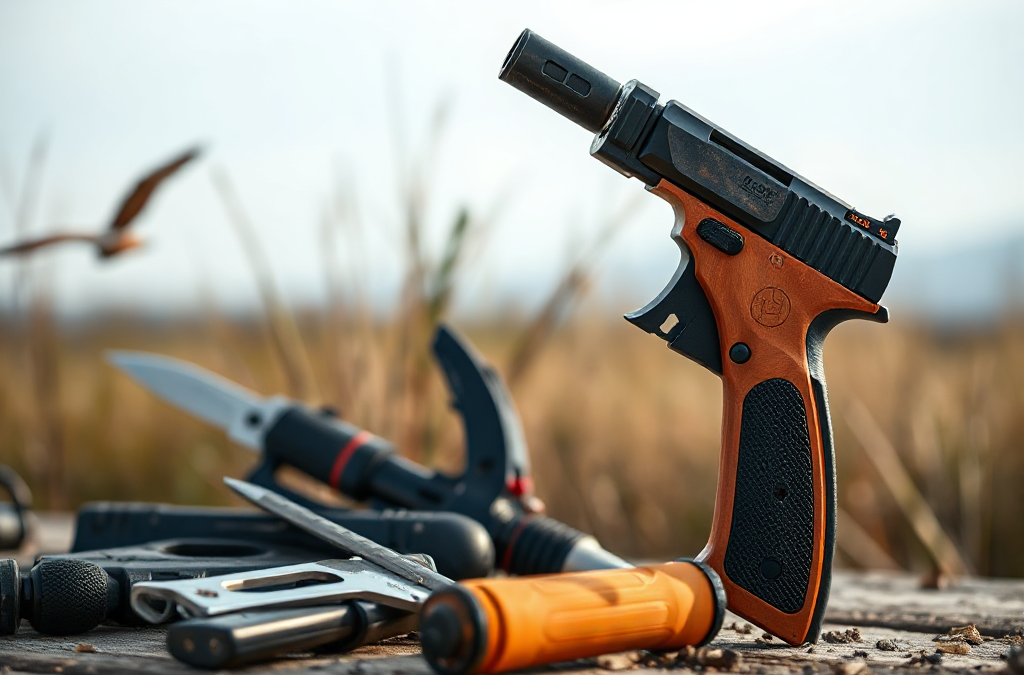
Self-defense tools encompass a wide range of items designed to protect individuals from physical harm. These include personal alarms, pepper spray, stun guns, and tactical pens, among others. Understanding how each tool functions and its intended use is essential for effective self-defense. Many people purchase these tools without adequate knowledge of their operation or limitations, which can lead to ineffective responses during a threatening situation.
The effectiveness of a self-defense tool often hinges on the user’s familiarity and training with it. For example, pepper spray can be highly effective against an assailant, but if the user is not trained in its use, they may struggle to deploy it effectively under stress. Additionally, the situational context can greatly influence outcomes; for instance, wind conditions can affect the spray’s trajectory, potentially rendering it ineffective.
Common Misconceptions
Many misconceptions surround self-defense tools that can lead to dangerous situations. One prevalent belief is that carrying a self-defense tool guarantees safety. This is a significant misunderstanding, as the mere presence of a tool does not ensure it will be used effectively in a crisis. For example, individuals may think that carrying a stun gun will deter an attacker, but if they are untrained or caught off guard, they may be unable to use it when needed.
Another misconception is that non-lethal tools, such as pepper spray, are harmless. While they are generally safer than lethal weapons, they can still cause serious harm or escalate a situation. Misusing these tools can have legal repercussions and may also provoke further aggression from an attacker. Therefore, understanding the implications of using self-defense tools is crucial for effective and responsible self-defense.
Real-World Effectiveness
The effectiveness of self-defense tools varies widely based on several factors, including the environment, the nature of the threat, and the user’s preparedness. For instance, pepper spray may be effective in a well-lit, open area but less so in a confined or dark space where the user cannot see their target clearly. Similarly, personal alarms can attract attention and deter an assailant, but their effectiveness is contingent upon the presence of bystanders who can respond.
Real-world scenarios often reveal that the best self-defense strategy combines awareness, de-escalation tactics, and the appropriate use of tools. For example, in a situation where an attacker confronts you, using a personal alarm to alert others while maintaining a safe distance can be more effective than drawing a weapon. Understanding these dynamics can help individuals make informed choices about their self-defense strategies.
Choosing the Right Tool for You
Selecting the appropriate self-defense tool requires careful consideration of personal circumstances, including lifestyle, environment, and comfort with the tool. For example, someone who frequently travels in urban areas may benefit from carrying pepper spray, while someone who works in a rural setting might prefer a personal alarm or a tactical pen. It is essential to assess the potential risks and the likelihood of encountering a threat.
Moreover, training plays a crucial role in the effective use of self-defense tools. Individuals should seek training sessions that cover not only the mechanics of using the tools but also situational awareness and de-escalation techniques. This comprehensive approach can significantly enhance one’s ability to respond effectively in a crisis.
Frequently Asked Questions
What are the most effective self-defense tools?
The effectiveness of self-defense tools varies, but common options include pepper spray, personal alarms, and tactical pens, each suited for different scenarios.
How can I choose the right self-defense tool for my needs?
Consider factors such as your environment, personal comfort with the tool, and the specific threats you may face when selecting a self-defense tool.
Do self-defense tools guarantee safety?
No, self-defense tools do not guarantee safety. Their effectiveness depends on situational factors and the user's training and preparedness.
Can I use self-defense tools in any situation?
Using self-defense tools is subject to legal and ethical considerations. It's crucial to understand local laws and the appropriate context for their use.
What should I do if my self-defense tool fails?
If a self-defense tool fails, prioritize de-escalation and escape. Being aware of your surroundings and having a plan can help mitigate risks.
Further Reading
Authoritative Sources
Library of Congress Research Guides guides.loc.gov
Research guides that help readers locate reliable background sources on a wide range of subjects
USA.gov Official Information and Services usa.gov
Official U.S. government information and public resources for practical reference
Google Scholar scholar.google.com
Academic search resource for finding research literature and source material
Conclusion
Understanding the effectiveness of various self-defense tools is crucial for personal safety. Many misconceptions can lead to overconfidence or misuse, which can have serious consequences. By choosing the right tool, seeking proper training, and understanding the situational context, individuals can enhance their self-defense strategies. Prioritizing awareness and preparedness is essential for navigating potential threats effectively.
Understanding the urgency of knowing your local emergency contacts is vital for effective crisis management. During emergencies, every second counts, and having immediate access to local resources can significantly enhance your safety and response capability. Local emergency contacts, including police, fire services, and medical facilities, are trained to handle specific situations that may arise in your community. Their familiarity with the area allows for quicker responses, which is crucial when lives are at stake.
Moreover, knowing your neighbors and local community resources can create a network of support that enhances overall preparedness. In times of crisis, community cohesion can lead to faster assistance and better outcomes. For instance, during a natural disaster, having a neighbor who is a first responder can expedite help and provide reassurance in uncertain times.
How to Compile Your Emergency Contact List
Creating an effective emergency contact list involves identifying key resources and ensuring that the information is easily accessible. Start by listing essential services such as local police, fire department, and hospitals. Include non-emergency numbers for local law enforcement and utility companies, as they can be just as vital during a crisis.
Once you have compiled these contacts, consider adding personal contacts such as family members, friends, or neighbors who can assist during emergencies. It’s wise to include various forms of communication (phone numbers, emails, etc.) for each contact to ensure that you can reach them through different means if necessary. In summary, keep this list in a visible and accessible location, such as on your refrigerator or saved in your mobile device, to ensure it’s readily available during an emergency.
Common Mistakes in Emergency Preparedness
One of the most significant mistakes people make regarding emergency preparedness is underestimating the importance of local contacts. Many individuals rely solely on general emergency numbers, such as 911, without recognizing the value of knowing local resources and services. This can lead to delays in receiving help, particularly in critical situations where local responders are more familiar with the area and its unique challenges.
Another common error is failing to update contact information regularly. People move, change jobs, or alter their phone numbers, and neglecting to keep this information current can lead to wasted time and confusion when trying to reach someone in an emergency. Regularly reviewing and updating your contact list ensures that you have the correct information when it matters most.
Understanding the urgency of knowing your local emergency contacts can be enhanced by accessing additional resources on community preparedness and emergency planning. Consider visiting local government websites or community safety organizations for tailored information specific to your area.
Frequently Asked Questions
Why is it important to know local emergency contacts?
Knowing local emergency contacts ensures quick access to essential services during crises, which can save lives and reduce response times.
How can I compile an effective emergency contact list?
Compile an effective list by including local emergency services, non-emergency contacts, and personal contacts with various communication methods.
What are common mistakes in emergency preparedness?
Common mistakes include underestimating local resources and failing to keep contact information updated, which can delay help in emergencies.
How often should I update my emergency contact list?
It's advisable to review and update your emergency contact list at least once a year or whenever significant changes occur in your personal contacts.
Where should I keep my emergency contact list?
Keep your emergency contact list in a visible place, such as on your refrigerator or saved in your mobile device, for easy access during emergencies.
Further Reading
Authoritative Sources
Ready.gov Preparedness Guidance ready.gov
Federal preparedness guidance for household planning, alerts, supplies, and emergencies
American Red Cross Emergency Preparedness redcross.org
Emergency preparedness resources for families, disasters, and practical safety planning
FEMA Preparedness Resources fema.gov
National preparedness resources for planning, mitigation, and response readiness
Conclusion
Knowing your local emergency contacts is not just a precaution; it is a critical aspect of effective preparedness. By compiling a comprehensive list of local resources and regularly updating it, you can ensure that help is readily available when you need it most. Prioritizing this knowledge not only enhances your safety but also fosters a sense of community responsibility and support. Take the time today to gather and organize your emergency contacts; your future self will be grateful.
Understanding the Importance of Medical Supply Stockpiling
Stockpiling medical supplies is crucial for preparedness in emergencies, ensuring that individuals and families can respond effectively to health crises. Proper stockpiling can mitigate the impact of unforeseen events, such as natural disasters or pandemics, where access to medical care may be limited. Understanding the significance of this practice can lead to better health outcomes in critical situations.
In emergency scenarios, the availability of essential medical supplies can mean the difference between life and death. Therefore, having a well-thought-out stockpile can not only provide peace of mind but also empower individuals to take charge of their health and safety during crises. However, many make common mistakes that can compromise the effectiveness of their stockpiling efforts.
Common Mistakes Made in Medical Supply Stockpiling
One of the most prevalent mistakes in stockpiling medical supplies is underestimating the variety of items needed. Many individuals tend to focus solely on basic supplies like bandages and antiseptics while neglecting other critical items such as prescription medications, specialized equipment, and first-aid training resources. This oversight can leave individuals unprepared for specific health needs.
Another common error is failing to regularly check and update supplies. Medical supplies have expiration dates, and using expired products can pose serious health risks. Creating a schedule to review and replace items ensures that the stockpile remains effective over time. Additionally, many people store supplies without considering environmental factors; for example, extreme temperatures can damage certain medications and equipment.
Essential Items to Include in Your Stockpile
When building a medical supply stockpile, it’s essential to include a diverse range of items tailored to your specific needs. Basic supplies should consist of bandages, antiseptics, gauze, and adhesive tape. However, it’s equally important to include prescription medications, over-the-counter pain relievers, and any specialized items necessary for chronic conditions.
Consider integrating first-aid manuals, splints, and personal protective equipment (PPE) such as masks and gloves. Additionally, stockpiling items that address common health issues, such as allergy medications or asthma inhalers, can enhance your preparedness. Assessing your family’s health history and potential emergencies can guide your choices in selecting the right supplies.
Proper Storage and Maintenance of Medical Supplies
Proper storage of medical supplies is crucial to maintain their efficacy. Supplies should be kept in a cool, dry place, away from direct sunlight and humidity. Organizing your stockpile in clearly labeled containers can make it easier to access items during emergencies. Regularly checking expiration dates and rotating supplies can help ensure that everything remains usable when needed.
It’s also beneficial to keep an inventory list of your supplies, noting quantities and expiration dates. This practice not only helps with organization but also assists in planning for future needs. Understanding how to maintain and care for your medical supplies will optimize their effectiveness and ensure you are prepared for any health-related emergency.
Frequently Asked Questions
What are the most critical items to stockpile for medical emergencies?
Critical items include bandages, antiseptics, prescription medications, first-aid manuals, and personal protective equipment.
How often should I check my medical supply stockpile?
It's advisable to check your stockpile at least every six months to ensure items are not expired and to replenish supplies as necessary.
What are common mistakes people make when stockpiling medical supplies?
Common mistakes include underestimating the variety of needed supplies and failing to regularly update or check expiration dates.
How should I store medical supplies?
Store medical supplies in a cool, dry place, away from sunlight and humidity, and keep them organized in labeled containers.
Can I use expired medical supplies?
Using expired medical supplies is not recommended as they may not be effective and could pose health risks.
Further Reading
Authoritative Sources
Authoritative Sources
CDC: Emergency Preparedness and Response cdc.gov
A reliable source for guidelines on emergency preparedness, including medical supply recommendations
Red Cross: First Aid Supplies redcross.org
Information on essential first-aid supplies and tips for stockpiling effectively
FDA: Medical Product Safety fda.gov
Guidance on the safety and efficacy of medical products, including information on expiration dates
Conclusion
Being proactive about stockpiling medical supplies is essential for ensuring preparedness in emergencies. By avoiding common mistakes, regularly updating your inventory, and prioritizing essential items, you can create a stockpile that meets your needs. Understanding proper storage methods will help maintain the effectiveness of your supplies, allowing you to respond confidently in times of crisis.
Communications breakdowns refer to scenarios where information is not accurately transmitted, received, or understood, leading to confusion and operational failures. This phenomenon can occur in various contexts, including businesses, emergency services, and community organizations. Recognizing the importance of effective communication is critical, especially during crises when timely information is essential for decision-making and coordination.
Inadequate communication systems can exacerbate situations, as stakeholders may be unaware of critical updates or changes in plans. Understanding the dynamics of communications breakdowns helps organizations prioritize their communication strategies, ensuring that all team members are on the same page during emergencies.
Common Causes of Communication Failures
Several factors contribute to communication failures, often stemming from poor planning and lack of foresight. One primary cause is the absence of a comprehensive communication plan that outlines procedures for various scenarios. Organizations may underestimate the likelihood of breakdowns or fail to assess potential risks adequately, leading to unpreparedness.
Another common issue is reliance on outdated technology or fragile communication systems that may fail under pressure. For example, using a single point of failure, such as a single phone line or an untested software platform, can be detrimental. Additionally, failure to train staff on communication protocols can lead to confusion during critical moments, making it essential to invest in regular training and exercises.
Consequences of Poor Communication Preparedness
The consequences of failing to prepare for communications breakdowns can be severe. Poor communication can lead to delayed responses during emergencies, misinformed decisions, and even safety hazards for individuals involved. For example, in a natural disaster scenario, timely information can mean the difference between safety and danger.
Moreover, organizations may face reputational damage if they are perceived as unprepared or ineffective in crisis communication. The lack of a cohesive communication strategy can result in confusion among team members and stakeholders, leading to a loss of trust and potential financial repercussions. Therefore, understanding the gravity of communication preparedness is crucial for any organization.
Strategies for Effective Communication During Crises
Implementing effective communication strategies during crises involves several key steps. Firstly, organizations should develop a robust communication plan that includes clear protocols for disseminating information. This plan should outline who communicates what, when, and through which channels.
Regular training and drills are essential to ensure that all team members are familiar with the communication plan. These exercises help identify potential weaknesses in the strategy and allow for adjustments before a real crisis occurs. Additionally, utilizing multiple communication channels, such as social media, email, and direct messaging, can enhance information dissemination and reach wider audiences quickly.
Building Resilience in Communication Systems
To build resilience in communication systems, organizations should invest in reliable technology and infrastructure. This includes having backup systems in place, such as alternative communication methods or platforms that can be activated during breakdowns. Regular assessments and updates of technology can help prevent failures and ensure systems remain effective.
Moreover, fostering a culture of open communication within the organization encourages team members to share information freely and report potential issues before they escalate. By prioritizing communication resilience, organizations can better navigate crises and maintain operations even in challenging circumstances.
Understanding communication breakdowns and their implications is crucial for effective crisis management. For those interested in exploring this topic further, consider reviewing resources from recognized organizations and publications that specialize in crisis communication and management strategies.
Frequently Asked Questions
What are communications breakdowns?
Communications breakdowns occur when information is not effectively transmitted or understood, leading to confusion and operational failures.
What are common causes of communication failures?
Common causes include inadequate communication plans, reliance on outdated technology, and lack of staff training on communication protocols.
What are the consequences of poor communication preparedness?
Poor communication can lead to delayed responses, misinformed decisions, safety hazards, and reputational damage for organizations.
How can organizations improve communication during crises?
Organizations can improve communication by developing a robust communication plan, conducting regular training, and utilizing multiple communication channels.
What steps can be taken to build resilience in communication systems?
Investing in reliable technology, having backup systems, and fostering a culture of open communication can build resilience in communication systems.
Further Reading
Authoritative Sources
Library of Congress Research Guides guides.loc.gov
Research guides that help readers locate reliable background sources on a wide range of subjects
USA.gov Official Information and Services usa.gov
Official U.S. government information and public resources for practical reference
Google Scholar scholar.google.com
Academic search resource for finding research literature and source material
Conclusion
Effective communication is vital for navigating crises and ensuring organizational resilience. By understanding the causes and consequences of communications breakdowns, organizations can implement strategies to prepare for potential failures. Prioritizing communication preparedness through robust planning, regular training, and technology investment will help mitigate risks and enhance operational effectiveness during emergencies.
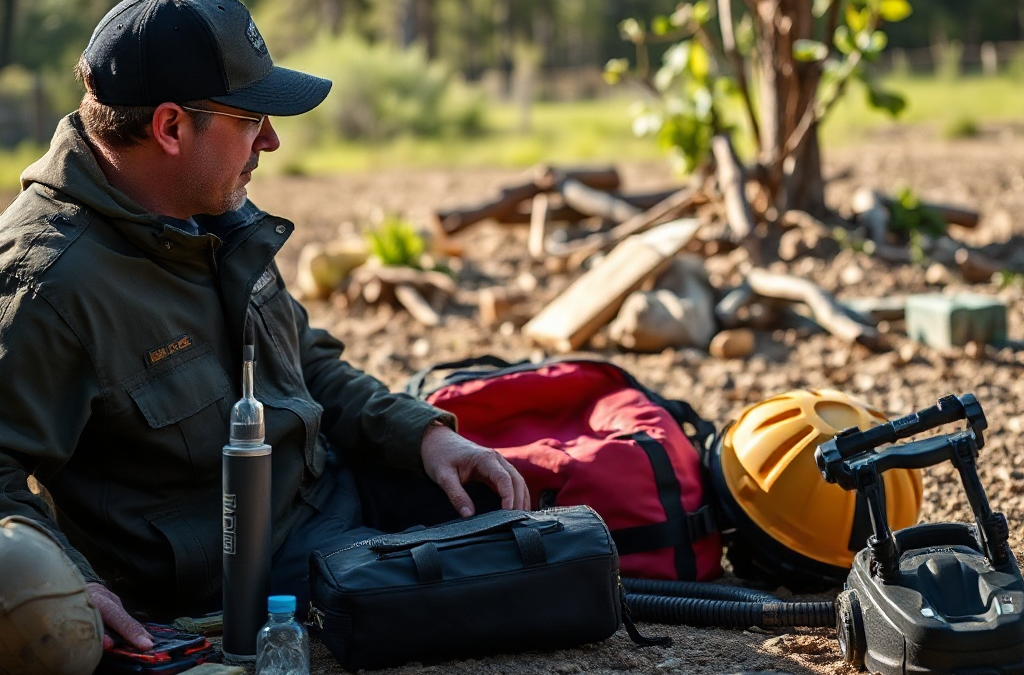
Personal safety equipment encompasses a range of gear designed to protect individuals from hazards in various environments. This includes items such as helmets, gloves, goggles, and protective clothing. Understanding the purpose and functionality of these items is crucial, as they are specifically engineered to mitigate risks associated with different activities, whether in construction, outdoor sports, or emergency situations.
Each piece of equipment serves a distinct function—helmets protect against head injuries, gloves can prevent cuts and abrasions, while goggles shield the eyes from harmful debris. Recognizing how these items work together to enhance safety is essential for anyone involved in potentially dangerous tasks. Choosing the right equipment based on the specific risks present is a vital step toward ensuring personal safety.
Common Misjudgments About Safety Equipment
Many people overlook the importance of personal safety equipment due to misconceptions about its necessity or effectiveness. A common misjudgment is the belief that safety gear is only necessary for professionals or in extreme situations. This false sense of security can lead individuals to forgo essential equipment during routine activities, such as biking or DIY projects at home.
Another prevalent misconception is that personal safety equipment is overly bulky or uncomfortable, leading to resistance in using it. While some gear may feel cumbersome, advancements in design and materials have made modern safety equipment more comfortable and less intrusive. Understanding the true value of safety equipment and the risks of neglecting it can help shift perspectives and encourage safer behaviors.
Real-World Consequences of Neglecting Safety Gear
Neglecting personal safety equipment can have dire consequences, often resulting in severe injuries or fatalities. For example, individuals participating in outdoor sports without proper helmets or pads face increased risks of head injuries or fractures. Similarly, workers in construction sites without appropriate gear expose themselves to hazards that could lead to accidents.
Real-world incidents highlight the need for vigilance regarding safety measures. In 2021, a study revealed that over 4,000 construction workers suffered injuries due to the absence of proper safety equipment. These statistics underline the importance of adhering to safety regulations and ensuring that all personnel are equipped with the necessary protective gear.
Best Practices for Ensuring Safety
To effectively prioritize personal safety, individuals should adopt best practices that include regular assessments of safety equipment needs based on specific activities. This involves understanding the risks associated with each task and selecting appropriate gear accordingly. For instance, a construction worker should always wear a hard hat, while a cyclist should never ride without a helmet.
Additionally, regular maintenance and inspections of safety equipment are crucial to ensure functionality. Equipment should be replaced if damaged or outdated, as worn gear can significantly reduce protection levels. Training and awareness campaigns can also play a vital role in fostering a culture of safety, encouraging individuals to take personal responsibility for their well-being.
Frequently Asked Questions
What types of personal safety equipment are essential?
Essential personal safety equipment includes helmets, gloves, goggles, high-visibility clothing, and protective footwear, tailored to specific activities.
Why do people neglect using personal safety equipment?
People often neglect safety equipment due to misconceptions about its necessity or discomfort, believing it to be excessive or unnecessary for their activities.
How can I ensure my safety equipment is effective?
Regularly inspect and maintain safety equipment, replace worn items, and ensure they meet current safety standards for your specific activities.
What are the consequences of not using safety gear?
Neglecting safety gear can lead to serious injuries, increased risk of accidents, and potentially fatal outcomes in hazardous environments.
How can I promote safety awareness among peers?
Encourage discussions about safety practices, share information on the importance of personal protective equipment, and lead by example in using safety gear.
Further Reading
Authoritative Sources
Occupational Safety and Health Administration (OSHA) osha.gov
This resource provides comprehensive information on workplace safety standards and the importance of personal protective equipment
National Institute for Occupational Safety and Health (NIOSH) cdc.gov
NIOSH offers valuable insights into safety practices and the necessity of protective gear across various industries
National Safety Council (NSC) nsc.org
The NSC provides resources and statistics regarding safety equipment and injury prevention strategies
Conclusion
Recognizing the importance of personal safety equipment is crucial for preventing injuries and ensuring well-being in hazardous situations. Misjudgments about the necessity of safety gear can lead to severe consequences, emphasizing the need for awareness and informed decision-making. By adopting best practices and promoting a culture of safety, individuals can significantly reduce risks and protect themselves and those around them.