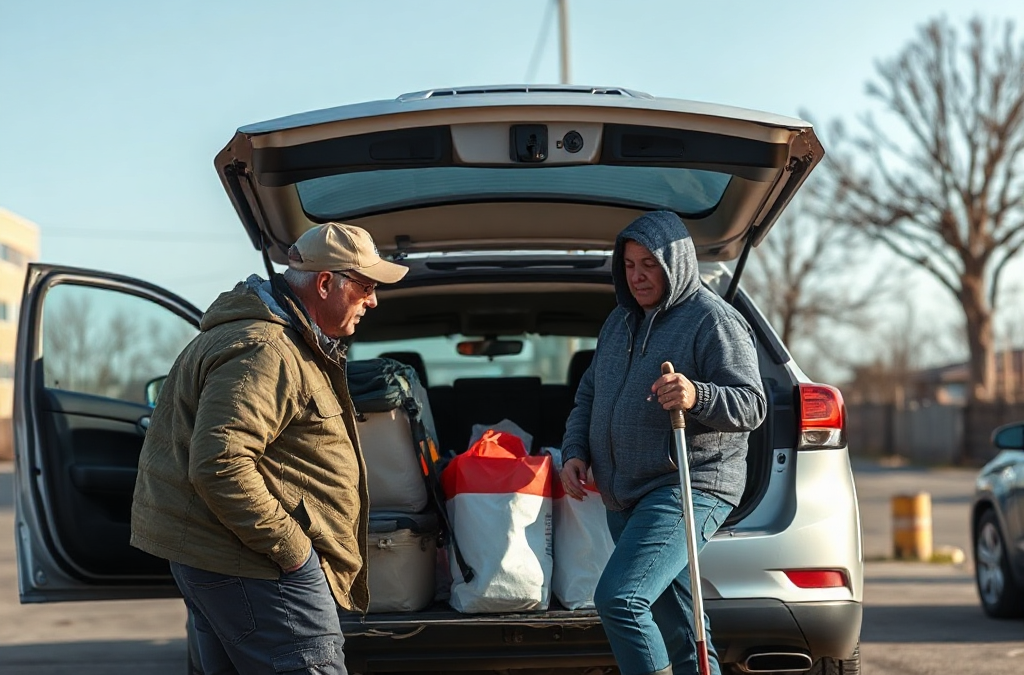
When you realize you are running out of fuel, the first immediate action is to safely pull your vehicle over to the shoulder of the road, away from traffic. This is crucial to avoid accidents and ensure your safety. Once you are safely parked, assess your situation. If you have a mobile phone, consider calling a friend or roadside assistance for help. If assistance is not readily available, you may need to walk to the nearest gas station. Ensure you are visible to other drivers, especially at night, by using hazard lights or reflective triangles.
It’s important to know that running out of fuel can lead to complications such as engine damage or fuel system problems. If your vehicle is equipped with a fuel gauge, keep an eye on it and refuel before it gets too low. In the future, consider carrying a portable fuel container, as this can provide a quick solution in case of emergencies.
Preventive Measures to Avoid Running Out of Fuel
Preventing a fuel shortage begins with regular vehicle maintenance and monitoring your fuel levels. Make it a habit to check your fuel gauge frequently, especially on long trips. Establish a rule of refueling when your tank is at a quarter full to avoid the risk of running out unexpectedly.
Additionally, you can use apps that track fuel levels and provide alerts when you are running low. Some vehicles come equipped with fuel economy features that can help monitor consumption and alert you to potential issues before they arise. Keep an eye on your vehicle’s fuel efficiency; if you notice a sudden drop, it may indicate an underlying problem that needs addressing.
Understanding the Risks of Running Out of Fuel
Running out of fuel is not just an inconvenience; it can pose significant risks to both your vehicle and your safety. When a vehicle runs out of fuel, it can cause sediment and debris from the fuel tank to clog the fuel filter. This can lead to costly repairs and a longer downtime for your vehicle.
Moreover, being stranded on the road can expose you to dangerous situations, especially in high-traffic areas or inclement weather. Always be aware of your surroundings and consider the potential risks involved in running out of fuel. Having a plan in place can mitigate these risks significantly.
Emergency Resources for Fuel Assistance
In the event that you find yourself stranded due to a lack of fuel, several resources can help. Many roadside assistance programs offer fuel delivery services, which can bring you fuel directly to your location. Check if your insurance or vehicle warranty includes roadside assistance; if not, consider signing up for a service that does.
Additionally, some mobile apps can connect you with nearby gas stations and even provide information on fuel prices. Using these resources can save you time and ensure you get back on the road quickly.
While not a formal list, consider looking into local resources for roadside assistance programs and fuel delivery services in your area. Understanding your vehicle’s fuel system and maintenance can also provide valuable insights into preventing fuel-related issues.
Frequently Asked Questions
What should I do if I run out of fuel on a busy road?
Safely pull over to the shoulder, turn on your hazard lights, and call for assistance.
Can running out of fuel damage my vehicle?
Yes, it can cause sediment to clog the fuel filter and potentially damage the fuel pump.
How can I prevent running out of fuel?
Regularly check your fuel gauge and refill when it reaches a quarter tank.
Is there a way to get fuel delivered to my location?
Yes, many roadside assistance services offer fuel delivery options.
What should I carry in my vehicle for emergencies?
Consider carrying a portable fuel container, a flashlight, and a first aid kit.
Further Reading
Authoritative Sources
Ready.gov Preparedness Guidance ready.gov
Federal preparedness guidance for household planning, alerts, supplies, and emergencies
American Red Cross Emergency Preparedness redcross.org
Emergency preparedness resources for families, disasters, and practical safety planning
FEMA Preparedness Resources fema.gov
National preparedness resources for planning, mitigation, and response readiness
Conclusion
Knowing what to do if you run out of fuel is essential for ensuring your safety and preventing vehicle damage. Always prioritize pulling over safely and assessing your options promptly. Regular monitoring of your fuel levels and utilizing available resources can significantly reduce the risk of running out of fuel. Stay prepared and informed to keep your travels smooth and worry-free.
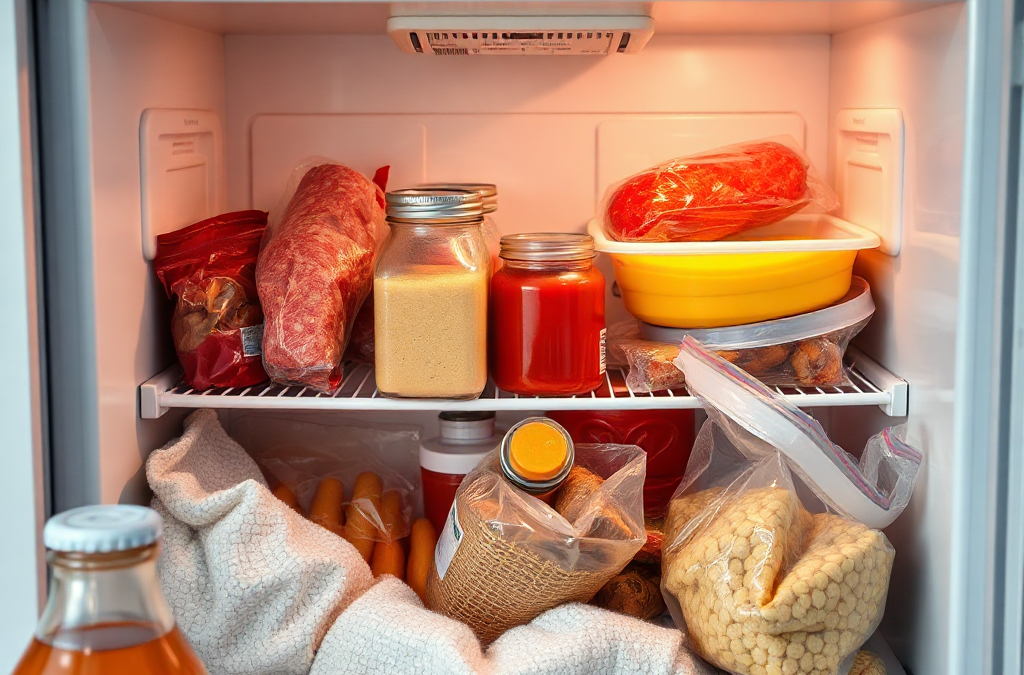
When your freezer thaws out, the first action is to evaluate the internal temperature. Foods that remain at 40°F or below are typically safe to consume or refreeze. However, if the temperature exceeds this threshold for over two hours, the risk of harmful bacteria increases significantly. It’s essential to use a food thermometer to check the temperature of the food, particularly for meats, poultry, and seafood, which are highly susceptible to spoilage.
Additionally, consider the duration of the thawing. If your freezer has been off for an extended period, the safety of the food diminishes. For instance, ice crystals in food can indicate that it may still be safe if the food is at 32°F, but if it has fully thawed, bacteria may have begun to grow. Therefore, prompt assessment is crucial to minimizing waste and ensuring safety.
Deciding What to Keep: Safe Food Guidelines
Once you have assessed the situation, the next step is determining which items are still safe to keep. The USDA provides clear guidelines: if the food is still cold (below 40°F), you can refreeze it. However, for items like dairy, eggs, and cooked foods, the risk of bacteria is higher, necessitating careful consideration before refreezing. Foods that have been at temperatures above 40°F for more than two hours should be discarded. This includes meats, poultry, fish, and any perishable items.
Always trust your senses. If food smells off, has a strange color, or feels slimy, it’s best to err on the side of caution and dispose of it. Remember, consuming spoiled food can lead to serious health issues, so it’s crucial to prioritize safety over saving money on groceries.
Preventing Future Thawing: Best Practices
To prevent future thawing events, consider implementing several best practices. First, ensure your freezer is maintained at 0°F for optimal food preservation. Regularly check the temperature settings and make adjustments as necessary. Additionally, keep a thermometer inside your freezer to monitor temperatures easily.
Investing in a backup power source, such as a generator, can also be beneficial during power outages. Furthermore, organizing your freezer can help you quickly identify which items to use first and minimize the risk of spoilage. Avoid overloading your freezer, as this can restrict airflow and lead to uneven temperatures.
Handling Power Outages: Emergency Measures
Power outages can lead to significant thawing in freezers, so it’s essential to have an emergency plan. If you anticipate a long outage, keep your freezer closed as much as possible to maintain the cold temperature. A full freezer will keep its temperature longer than a partially filled one, so consider keeping ice packs or frozen water bottles in your freezer as well.
In the event of a power outage, use a thermometer to check the temperature of the food once power is restored. If the food has been above 40°F for more than two hours, follow the guidelines for discarding perishable items. Always have a list of foods and their safe storage times handy to make informed decisions during these situations.
Frequently Asked Questions
What should I do first if my freezer thaws out?
First, assess the temperature of the food inside. If it is below 40°F, it is generally safe to refreeze or cook. If above, discard perishable items.
How long can food stay safe in a thawed freezer?
Food can remain safe in a thawed freezer for about two hours if the temperature is above 40°F. After that, the risk of foodborne illness increases.
Can I refreeze food that has thawed?
You can refreeze food that has thawed as long as it has remained below 40°F. If it has been above this temperature for more than two hours, it is safer to discard it.
What types of food should I throw away after a thaw?
Perishable items like meat, poultry, fish, dairy, and eggs should be discarded if they have been above 40°F for more than two hours.
How can I prevent my freezer from thawing in the future?
Maintain a temperature of 0°F, avoid overloading, and consider having a backup power source like a generator for outages to prevent future thawing.
Further Reading
Authoritative Sources
NIH Office of Dietary Supplements ods.od.nih.gov
Evidence-based information on vitamins, minerals, supplements, and nutrition-related questions
USDA FoodData Central fdc.nal.usda.gov
USDA nutrient data for foods and ingredients used in nutrition decisions
Harvard T.H. Chan School of Public Health Nutrition Source hsph.harvard.edu
Public health nutrition guidance and educational resources
Conclusion
In the event of a freezer thaw, it is crucial to act quickly to assess the situation and determine which foods remain safe. Prioritize safety by checking temperatures and following USDA guidelines for food storage. Implementing preventive measures can help avoid future thawing incidents and ensure your food remains safe. Stay informed and prepared to protect your food supply effectively.
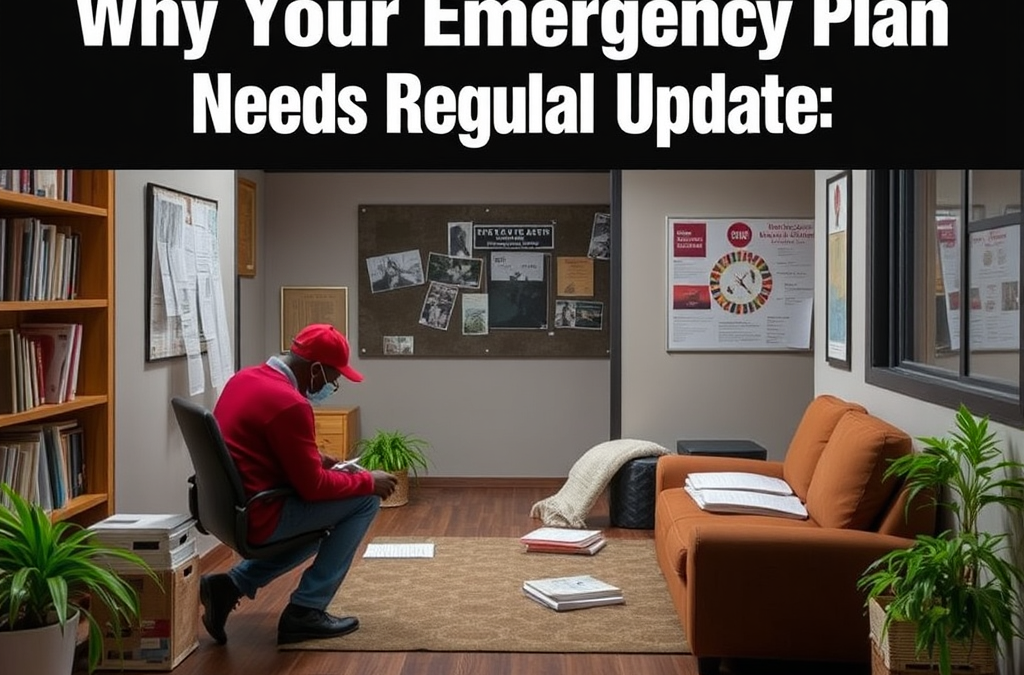
Keeping your emergency plan updated is crucial for effective preparedness. Over time, changes in your environment, family structure, and available resources can render an existing plan obsolete. An emergency plan that is not regularly reviewed may fail to address new risks or changes in personal circumstances, leading to confusion and inadequate responses during a crisis. Regular updates ensure that your plan remains relevant and effective, providing clear guidance when it matters most.
Identifying Changes That Impact Your Emergency Plan
To maintain an effective emergency plan, it’s essential to identify changes that could impact your preparedness. These changes can include:
Family Dynamics: Changes such as new family members, relocations, or shifts in responsibilities can affect how your family responds to emergencies.
Local Hazards: The emergence of new risks, such as natural disasters or civil unrest, necessitates updates to your plan to ensure you have appropriate responses in place.
Resources and Contacts: Regularly check and update contact information for emergency services, family members, and local shelters to ensure you have the latest information available.
By staying aware of these factors, you can better prepare your family for any situation.
Steps to Effectively Update Your Emergency Plan
Updating your emergency plan involves several key steps:
Review Your Current Plan: Start by assessing the existing plan to identify areas that need improvement or updates based on recent changes.
Gather Input: Involve all family members in the review process. Their insights can provide valuable perspectives on potential gaps in the plan.
Incorporate New Resources: Research new safety information, tools, and resources available since your last update, and integrate them into your plan.
Conduct Drills: Regularly practice emergency scenarios with your family to ensure everyone knows their roles and responsibilities.
Document Changes: Keep a record of updates to your emergency plan, including dates and details, for future reference.
These steps can help ensure that your emergency plan is practical and effective in times of need.
Common Mistakes When Updating Emergency Plans
While updating your emergency plan is essential, there are common pitfalls to avoid:
Neglecting to Test the Plan: Simply updating the plan without testing it in real scenarios can lead to misunderstandings and confusion during an actual emergency.
Overcomplicating the Plan: A plan that is too complex may confuse family members. Keep it simple and straightforward for everyone to understand.
Failing to Communicate Changes: If updates are made without informing all family members, it can lead to chaos during emergencies. Ensure everyone is aware of the changes.
Avoiding these mistakes can significantly enhance the effectiveness of your emergency preparedness efforts.
Frequently Asked Questions
How often should I update my emergency plan?
It's recommended to review and update your emergency plan at least once a year or whenever significant changes occur in your life or environment.
What should I include in my emergency plan?
Your emergency plan should include contact information, evacuation routes, emergency supply lists, and roles for each family member during a crisis.
Who should be involved in creating the emergency plan?
All family members should be involved in creating and updating the emergency plan to ensure everyone understands their roles and responsibilities.
What are some common emergencies I should prepare for?
Common emergencies include natural disasters like hurricanes and earthquakes, fires, medical emergencies, and civil unrest. Tailor your plan to address the specific risks in your area.
How can I ensure my emergency plan is effective?
Regularly test your plan through drills, involve all family members in updates, and adapt the plan based on feedback and changing circumstances.
Further Reading
Authoritative Sources
Ready.gov Preparedness Guidance ready.gov
Federal preparedness guidance for household planning, alerts, supplies, and emergencies
American Red Cross Emergency Preparedness redcross.org
Emergency preparedness resources for families, disasters, and practical safety planning
FEMA Preparedness Resources fema.gov
National preparedness resources for planning, mitigation, and response readiness
Conclusion
Updating your emergency plan is not just a best practice; it’s a necessity to ensure your family’s safety and preparedness. By recognizing changes that impact your plan, systematically updating it, and avoiding common mistakes, you can create a robust framework for responding to emergencies. Make the commitment to regularly review and practice your plan, and you will enhance your readiness for whatever challenges may arise.
Understanding the Impact of Crisis on Mental Health
Crisis situations, such as natural disasters, pandemics, or personal emergencies, can have a profound effect on mental health. During these times, individuals often experience heightened stress levels due to uncertainty, loss, and fear. This emotional turmoil can exacerbate existing mental health conditions or trigger new ones, leading to significant challenges that may persist long after the crisis has passed.
One of the primary mechanisms at play is the body’s stress response, which can lead to physical and psychological symptoms. Prolonged exposure to stress can result in anxiety disorders, depression, and even PTSD, severely impacting an individual’s ability to cope and function in daily life. Understanding these impacts is crucial for anyone facing or preparing for potential crises.
Consequences of Ignoring Mental Health in Emergencies
Neglecting mental health during crises can have dire consequences, not just for the individual but also for their community. A significant consequence is impaired decision-making ability, which can lead to poor choices during critical moments. For instance, individuals may overlook essential safety precautions or fail to seek necessary medical help due to overwhelming anxiety or despair.
Moreover, ignoring mental health can strain personal relationships. Individuals may withdraw from social interactions, leading to isolation and a lack of support. This isolation can further perpetuate feelings of hopelessness and despair, creating a vicious cycle that is difficult to break. Communities that do not prioritize mental health support during crises may also face longer recovery times and greater overall impact.
Recognizing Signs of Mental Health Strain
Being aware of the signs of mental health decline is critical for timely intervention. Common indicators include persistent feelings of sadness or hopelessness, changes in appetite or sleep patterns, withdrawal from social activities, and difficulty concentrating. Individuals may also express feelings of being overwhelmed or unable to cope with daily tasks.
Recognizing these signs in oneself or others allows for early intervention, which can significantly improve outcomes. It is essential to foster open communication about mental health and encourage individuals to seek help when they notice these signs. Community awareness campaigns can also play a vital role in normalizing mental health discussions and reducing stigma.
Strategies for Supporting Mental Health During Crises
Implementing effective strategies for mental health support during crises can make a significant difference in recovery. First and foremost, fostering a supportive environment is crucial. This can be achieved through community initiatives that promote mental health resources and facilitate connections among individuals facing similar challenges.
Engaging in self-care practices is equally important. Activities such as mindfulness, exercise, and maintaining a routine can help individuals manage stress and enhance emotional resilience. Furthermore, seeking professional help from mental health providers, whether through therapy, counseling, or support groups, can provide individuals with essential coping strategies and emotional support.
Frequently Asked Questions
What are the common symptoms of mental health decline during a crisis?
Common symptoms include persistent sadness, anxiety, changes in sleep or appetite, withdrawal from social activities, and difficulty concentrating.
How can I support someone struggling with their mental health during a crisis?
Offer a listening ear, encourage them to seek professional help, and provide information about available resources and support groups.
What professional help is available for mental health during crises?
Professionals such as therapists, counselors, and psychologists can provide support through therapy, coping strategies, and crisis intervention.
How can self-care practices help during a crisis?
Self-care practices like mindfulness, exercise, and maintaining a routine can help manage stress and promote emotional resilience.
What role does community support play in mental health during crises?
Community support fosters connections, reduces isolation, and provides access to resources, all of which are crucial for mental health recovery.
Further Reading
Authoritative Sources
National Alliance on Mental Illness (NAMI) nami.org
NAMI offers comprehensive resources on mental health, including strategies for coping during crises
World Health Organization (WHO) who.int
WHO provides guidelines and support for mental health during emergencies and crises
American Psychological Association (APA) apa.org
APA offers insights into the psychological impact of crises and strategies for support
Conclusion
Neglecting mental health during crisis situations can lead to severe emotional consequences, including anxiety and depression. Recognizing the signs of mental strain and proactively seeking support through community resources and professional counseling is essential for recovery. Individuals and communities should prioritize mental health, fostering an environment where open discussion and support are normalized to mitigate these risks effectively. Taking these steps can significantly improve resilience and recovery outcomes in times of crisis.
Understanding the Importance of Quality in Emergency Gear
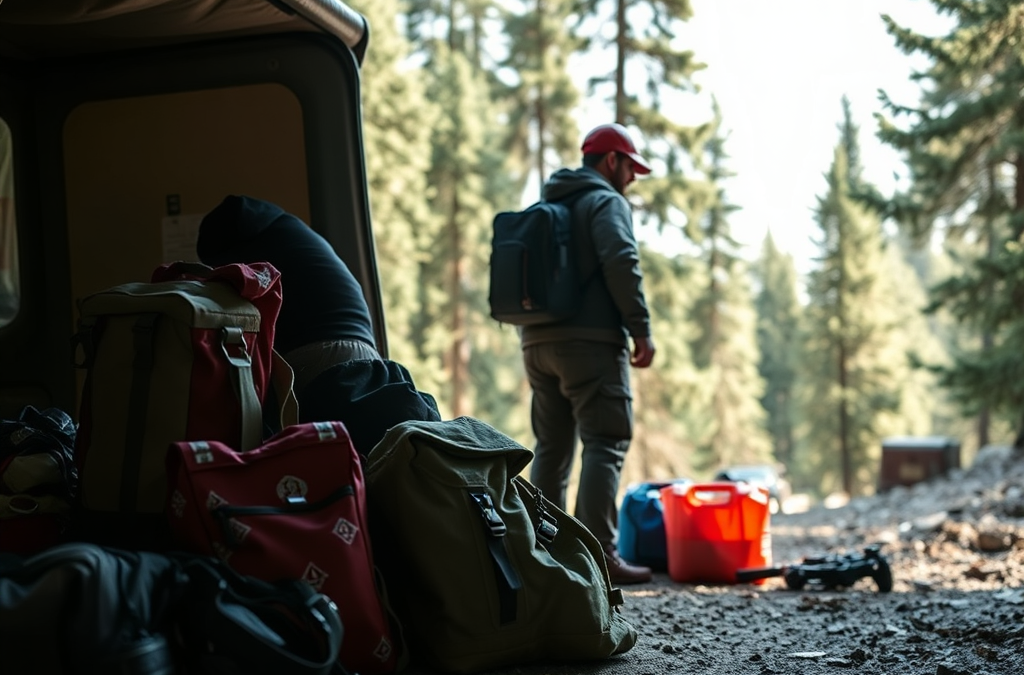
Prioritizing quality over quantity in emergency gear is crucial because the effectiveness of your preparedness often hinges on the reliability of the items you choose. In emergency situations, such as natural disasters or personal emergencies, having high-quality gear can mean the difference between safety and peril. Low-quality items may fail when you need them most, leading to dire consequences.
Quality gear not only performs better but also lasts longer, reducing the need for frequent replacements. For instance, a well-constructed first aid kit with durable materials can withstand various conditions, ensuring that essential supplies remain intact and usable. This focus on quality enables individuals to prepare more effectively, ensuring the right tools are available when every second counts.
Key Categories of Emergency Gear to Focus On
When prioritizing quality over quantity, it’s essential to focus on specific categories of emergency gear that provide the most value. Firstly, consider first aid supplies; a comprehensive first aid kit with high-quality items like antiseptics, bandages, and medications is vital. Look for kits that meet established standards, such as those recommended by organizations like the American Red Cross.
Next, invest in reliable communication devices. In emergencies, maintaining contact can be critical. High-quality two-way radios or satellite phones can provide essential communication when regular networks fail. Additionally, multi-functional tools such as Swiss Army knives or tactical multi-tools offer versatility, allowing you to handle various tasks with a single tool.
Common Misconceptions About Emergency Gear
A prevalent misconception is that having more gear equates to better preparedness. However, this can lead to a cluttered and ineffective emergency plan. Many individuals fall into the trap of purchasing numerous low-quality items, believing this will enhance their readiness. Instead, a strategic approach focusing on a few high-quality essentials is far more effective.
Another misconception is that all emergency gear is created equal. Some brands may market their products as essential without the backing of rigorous testing or quality assurance. Understanding the differences between brands and products is critical; look for items that have been tested in real-world scenarios or certified by reputable organizations.
Practical Tips for Assessing Gear Quality
To ensure you’re prioritizing quality in your emergency gear, start by researching products before making a purchase. Read reviews from credible sources, and pay attention to feedback from actual users who have tested the gear in emergencies. Look for third-party certifications or endorsements that indicate the product has been independently tested for quality.
Additionally, consider the warranty or guarantee offered by the manufacturer. High-quality products often come with robust warranties that indicate the manufacturer’s confidence in their durability. When assessing gear, prioritize items that have a clear return policy or satisfaction guarantee, which can provide peace of mind in your investment.
Frequently Asked Questions
What are the most essential items to include in an emergency kit?
Essential items include a first aid kit, water purification supplies, non-perishable food, a flashlight, and a multi-tool.
How can I assess the quality of emergency gear?
Research products, read reviews from credible sources, and check for third-party certifications to assess quality.
Why is it better to prioritize quality over quantity?
Prioritizing quality ensures reliability and effectiveness during emergencies, reducing the risk of gear failure when needed most.
Are all brands of emergency gear reliable?
No, not all brands are equal; it’s important to research and choose established brands with positive feedback and certifications.
Can I create an effective emergency kit on a budget?
Yes, focus on purchasing high-quality items that serve multiple purposes; prioritize essential gear over a larger quantity of low-quality items.
Further Reading
Authoritative Sources
Ready.gov Preparedness Guidance ready.gov
Federal preparedness guidance for household planning, alerts, supplies, and emergencies
American Red Cross Emergency Preparedness redcross.org
Emergency preparedness resources for families, disasters, and practical safety planning
FEMA Preparedness Resources fema.gov
National preparedness resources for planning, mitigation, and response readiness
Conclusion
Choosing quality over quantity in emergency gear is essential for effective preparedness. By focusing on a few high-quality, reliable items, you can ensure that your emergency kit is both functional and dependable. Regularly assess your gear, stay informed about new products, and prioritize essential supplies that will serve you well in critical situations. Remember, preparedness is not just about having items; it’s about having the right items that truly work when you need them.